
Aluminum cutting resources are easier to use when they start with the question you need to answer. This guide organizes JiurunCut’s reading library into six buyer routes: equipment, material, drawings, inspection, downstream work and commercial planning.
Choose the route that matches your next decision. You do not need to read every article before asking a useful question. Gather the relevant drawing or record, read the focused guide and identify what still needs confirmation for your job.
On this page
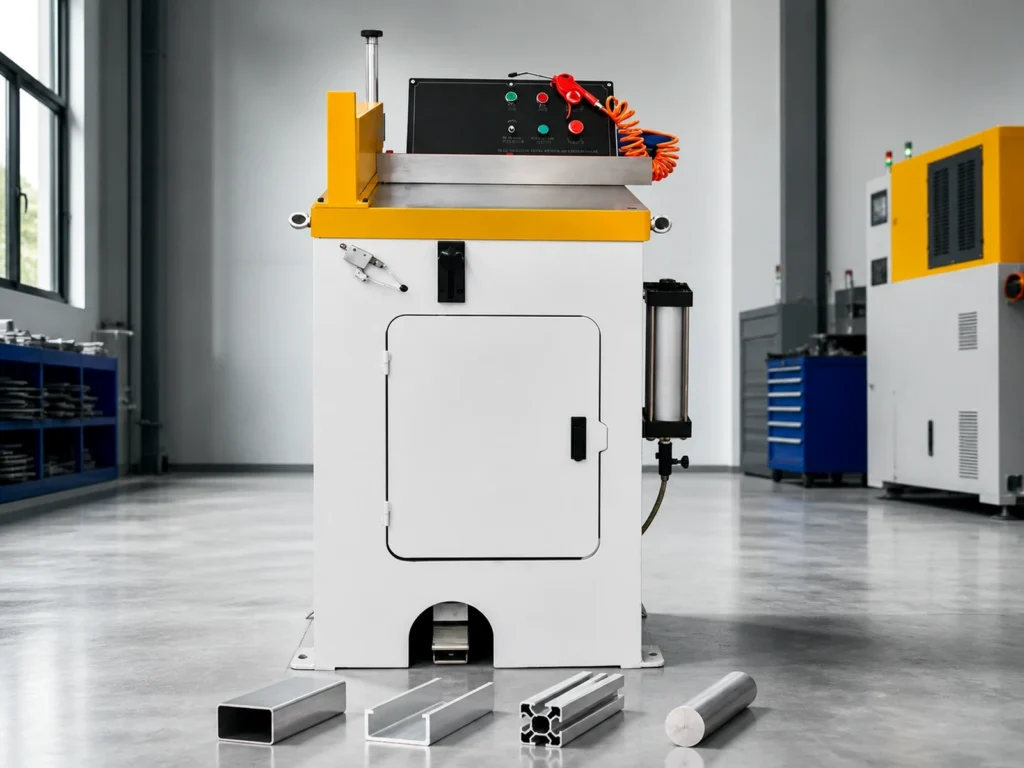
Choose your aluminum cutting resources by question
| Your immediate question | Start with this route |
|---|---|
| Which equipment should we review? | Equipment selection |
| What material are we ordering? | Material identity |
| What exactly must be cut? | Drawing and cut-list clarity |
| What evidence supports acceptance? | Inspection evidence |
| What happens after cutting? | Later manufacturing work |
| How do the offers and stock plans compare? | Commercial planning |
Follow one route first, then move to the connected questions. For example, a machine inquiry may expose an unclear stock specification. Resolve that material question before comparing configurations for an assumed profile.
Route 1: equipment selection
If you are choosing equipment, start with the part mix and production workflow. Identify section shapes, supplied lengths, finished lengths, angles, quantities and how material will reach and leave the cutting station.
- How to choose an aluminum cutting machine provides the broad starting point.
- Single versus double head saws focuses the discussion on equipment arrangement.
- The machine RFQ checklist helps turn the requirement into a comparable request.
Bring the actual part drawings to the equipment review. Keep stated machine features separate from the sample evidence needed for your parts. A general buying guide does not approve a particular setup.
Route 2: material identity
If the uncertainty is the stock itself, begin with its complete description. Keep alloy, temper, product form, dimensions and governing specification together. Record which description is approved before discussing a proposed change.
- Material certificate records help organize identity and supporting evidence.
- 5052 versus 6061 aluminum frames a material-comparison discussion.
- Material substitution approval separates a supplier proposal from a released change.
Use these guides to ask precise questions. Let the responsible design and quality teams approve material requirements for the actual part. A website comparison is not a substitute for that approval.
Route 3: drawing and cut-list clarity
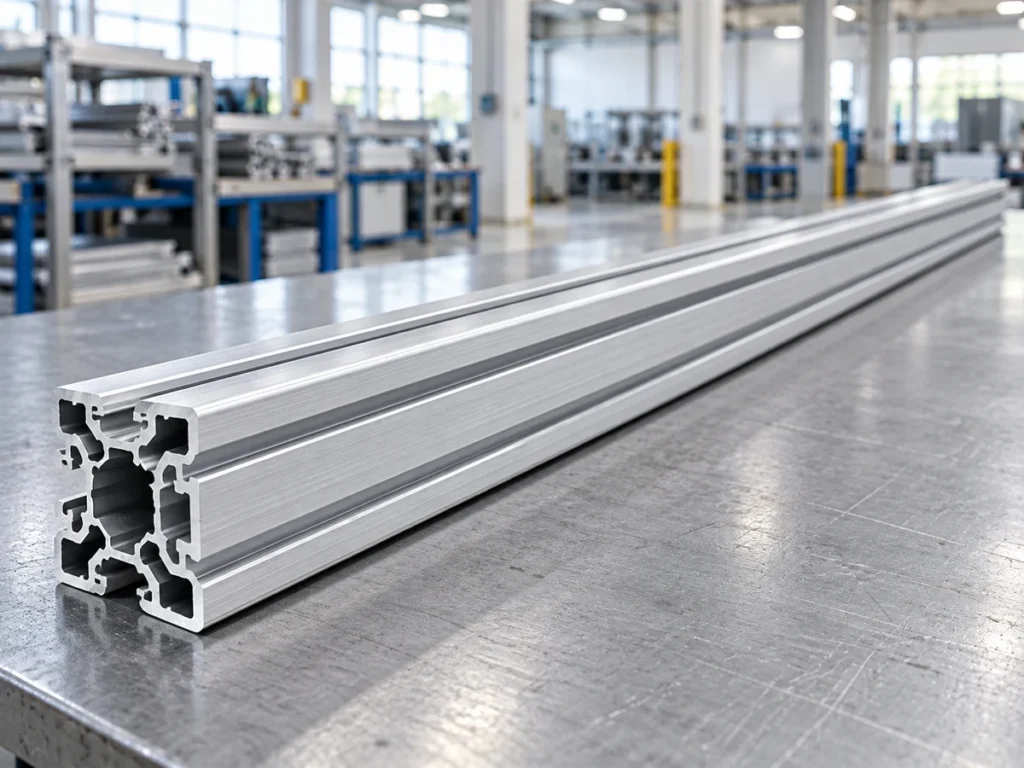
If two people interpret the same length or angle differently, clarify the drawing before discussing machine settings. Name the finished measurement reference, end orientation, handed parts and the controlling revision.
- Finished length datums helps identify the reference attached to the length.
- The worked 45-degree miter-length example illustrates how geometry affects the stated dimension.
- Cut-list revision control keeps production information aligned with the approved drawing.
The useful output is a cut list your supplier and receiving team can interpret the same way. Resolve ambiguous labels before copying them into another document.
Route 4: inspection evidence
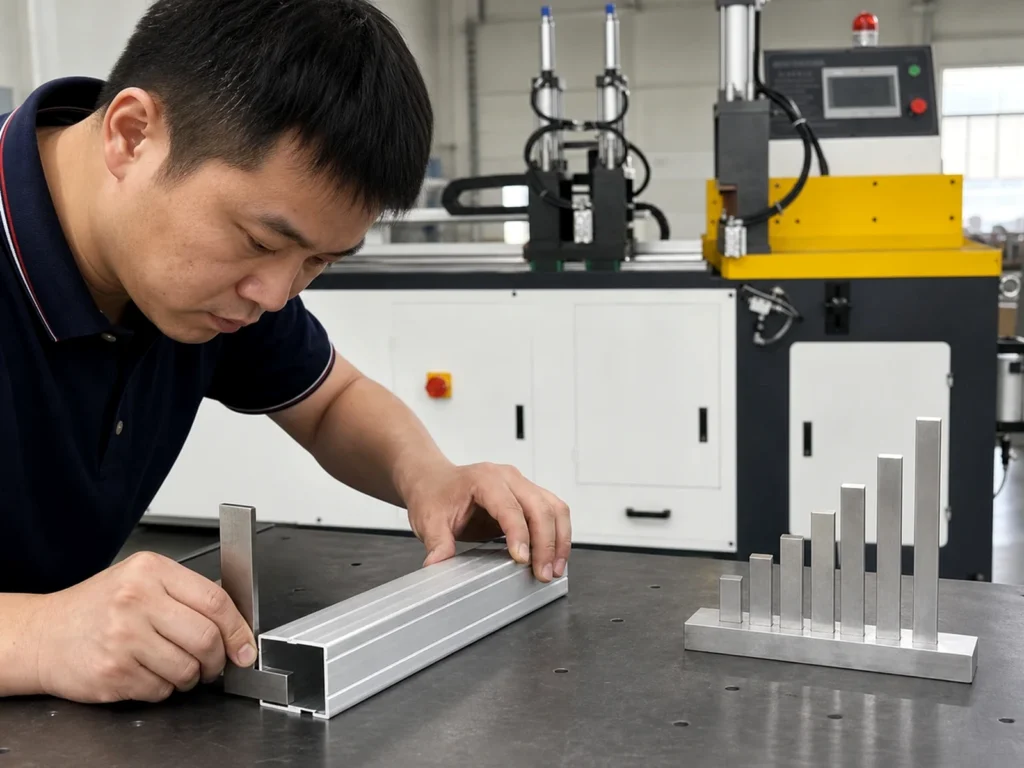
If you need to accept parts or compare sample results, define the characteristic first. Identify what is checked, the method, the sample identity and the requirement against which the result is reviewed.
- Inspection sampling addresses the plan behind the selected checks.
- Micrometers and calipers helps frame an instrument-selection discussion.
- Burr-height inspection focuses on one edge characteristic.
ASQ’s QA and QC overview distinguishes confidence in the process from activities that fulfill and inspect quality requirements. For your order, keep the production plan and the actual part evidence connected without treating them as the same document.
Do not let a good result for one characteristic stand in for the complete acceptance decision. Keep dimensional, edge, appearance and functional requirements distinct.
Route 5: later manufacturing work
If a cut blank will be machined, welded, coated or assembled, include the next operation in the review. The blank requirement should describe what the next process needs, not only what is convenient to cut.
- Machining allowance for blanks connects cut dimensions with later features.
- Cutting before welding helps define the handoff into joint preparation.
- Cutting before powder coating addresses the finishing handoff.
Confirm the actual manufacturing sequence with the responsible suppliers. These articles organize the questions; they do not prescribe one sequence for every product.
Route 6: cost, stock and delivery
If quotations differ, first align their supply scope. Compare the same approved stock and finished requirements. Keep raw-material cost, processing, additional charges and delivery boundaries visible.
- Price per kilogram versus per meter includes an explicitly hypothetical unit-price comparison.
- Mixed-length cut-list optimization uses an invented stock-pattern example.
- Extrusion lead-time milestones distinguishes schedule starting events and delivery endpoints.
Replace every example input with confirmed order information before making a business decision. The worked examples explain a comparison method, not a promised saving or delivery date.
Turn reading into a useful inquiry
After following a route, prepare a short question list and the records that support it. Send the part drawing, stock description, quantities and next-operation requirements through the JiurunCut contact page.
State what is already approved and what you want reviewed. That makes the next discussion clearer than asking for the best machine without describing the work.
Questions buyers ask
Must I read the whole library before requesting a review?
No. Start with the route that matches your immediate decision. Bring the relevant records and identify the remaining questions.
Are the examples actual machine test results?
Worked examples are labeled with their assumptions. Use confirmed sample evidence for an actual machine or production acceptance decision.
Can a guide approve my material or inspection method?
No. The responsible team should approve the requirements and method for the real part. The guides help organize that discussion.
How should I use these aluminum cutting resources with a supplier?
Share the relevant guide together with your drawing and a specific question. Keep the supplier’s response linked to the approved order information.