
An aluminum material certificate needs to match the supplied material and the documentation required by your order. Check the issuing source, product identity, alloy and temper, inspection scope and connection to the delivery. Keep material-document review separate from acceptance of finished cut parts.
A familiar grade name on a PDF is only the start. This guide gives procurement and quality teams five practical checks before they treat a document as evidence for a cutting job.
Connect the document to the material
- Specify the required document and material before ordering.
- Match supplier identifiers to the delivered stock.
- Keep material evidence and finished-part results distinct.
On this page
Check 1: specify the aluminum material certificate in the order
Start with the material purchase requirement. Record the required alloy, temper, product form, section or drawing reference, applicable specification and inspection document. Use the exact agreed requirement rather than the vague instruction “send a certificate.”
If the order calls for a particular standard and document type, repeat that designation in the request. Ask the material supplier to confirm availability, scope and delivery timing before the material is supplied. Do not assume that a document can be upgraded later simply by changing its heading.
BSI’s BS EN 10204:2004 overview identifies a standard for types of inspection documents for metallic products. Its listed subjects include specific and non-specific inspection, validation and document transmission. When this standard is part of your order, review the required document type and relevant product specification together. The title of the standard alone does not set your part’s material limits.
Use the applicable requirements for your project. There is no universal certificate type for every aluminum cutting order. Have the responsible buyer or quality team resolve the requirement before comparing supplier offers.
Check 2: match the material and product identity
Compare the document with the order and the delivered product. Look for the issuing manufacturer or supplier, product description, material designation, applicable references and identifiers used to connect the record to the delivery.
Check alloy and temper separately. The same alloy number with a different temper is a difference to resolve, even when the sections look alike. A similar surface or cross-section does not establish that two pieces share a material condition.
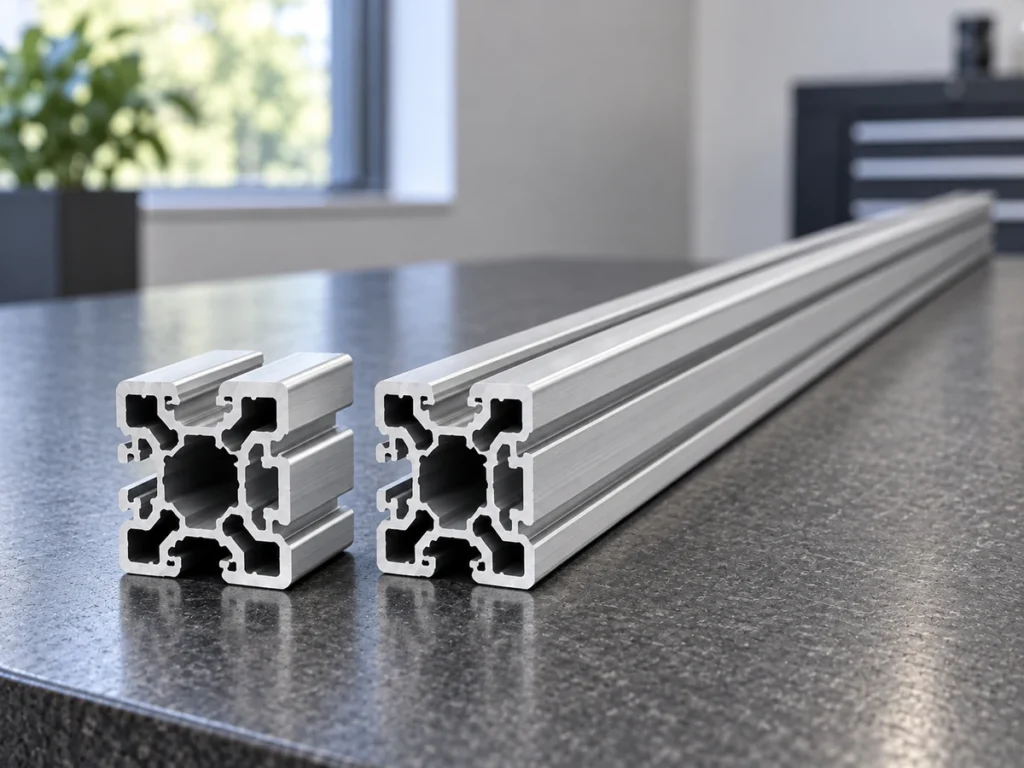
Review the actual section identity too. Two profiles with the same outside envelope can have different webs, cavities or wall arrangements. Keep the current profile drawing with the material record rather than relying on a short informal description.
If a document uses unfamiliar codes, ask the issuer to explain them and identify their relationship to your stock. Do not rename a supplier’s heat, cast, lot or batch identifier as though those terms always describe the same grouping.
The multi-chamber profile review explains why full section geometry matters when preparing a cutting proposal. Material identity and geometry both need to be clear; neither replaces the other.
Check 3: read what the inspection evidence actually covers
Identify which results are included and what they refer to. Where the order requires test evidence, check the stated method, units, test conditions, product or test-unit reference and acceptance requirement. Ask the issuer about missing or unclear fields.
Keep a typical-property table separate from the supplied inspection record. A catalog can describe a material family without documenting the delivered stock. Likewise, a record of one property does not establish every unreported property.
Do not compare a result with a limit copied from an unrelated product form, temper or specification. Keep the criterion used for the review attached to the actual order requirement. An unexplained number is not enough to complete acceptance.
Check who issued or validated the document in the context of the required document type. Resolve unclear authority, incomplete pages or inconsistent references with the source. A logo or a scanned signature by itself does not demonstrate the document’s scope or connection to your delivery.
Hydro’s certificates page separates its global certificate downloads from documentation for particular aluminum products or production plants, directing readers to relevant product and location pages for the latter. That distinction is useful when requesting evidence: identify the subject of the document instead of treating every certificate on a supplier’s website as a record for your material.
Check the scope and validity period where they apply. Retain the original document and the issuer’s explanation of any correction. Do not edit a supplier’s reported grade, identifiers or test results to make them match your order.
Check 4: connect the document to the delivered stock
Review the delivery note, package or stock identification and certificate reference together. Establish the connection through the supplier’s documented system. If the material arrives through an intermediary, request the link from its delivery identifiers to the source record.
For partial deliveries, state which quantity and delivery the record covers. If a bundle is divided into separate work groups, keep the approved identity connection with each group. A PDF in a shared folder cannot establish that connection on its own.
The cutting batch-record guide covers the next stage: keeping stock identity connected to work orders and finished-part records. The document review here establishes what source evidence is available before that production link is relied on.
Where identifiers conflict or the connection is missing, follow the site’s material review process and obtain clarification. Do not infer traceability from a matching quantity or from two pieces stored beside each other.
Check 5: keep material acceptance separate from cut-part acceptance
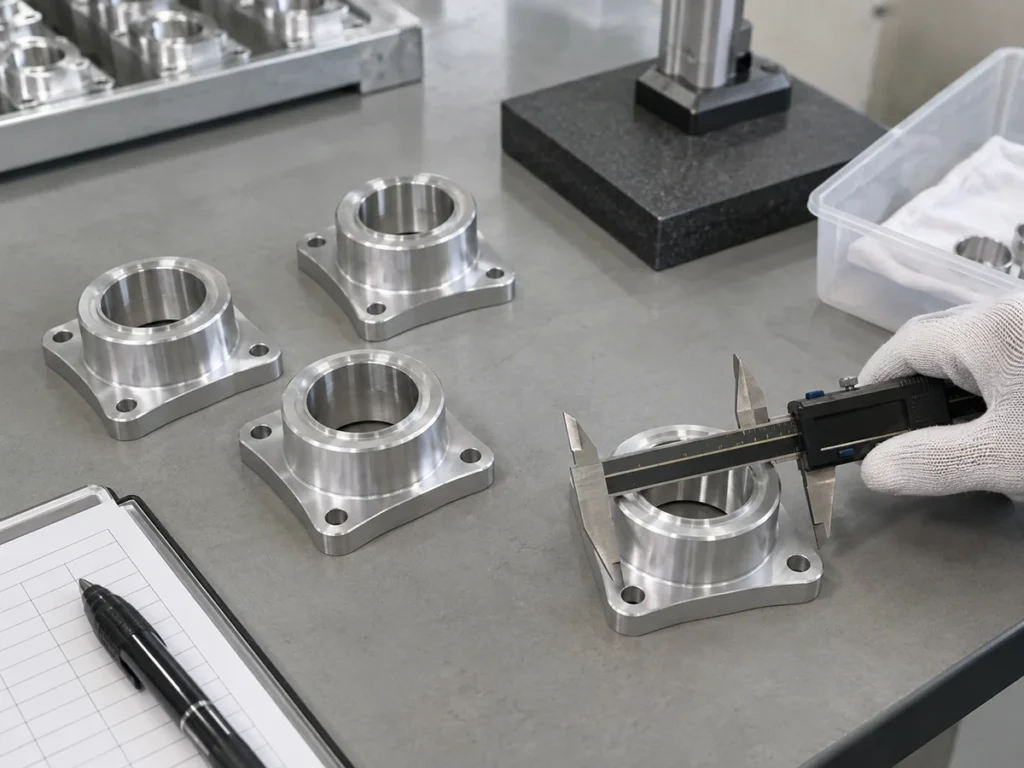
Material documentation and finished-part inspection answer different questions. A material certificate can provide evidence within its stated scope. It does not automatically report the finished length, end angle, hole position, surface condition or assembly fit of the parts cut from that stock.
Keep the record of the material review alongside the separate finished-part requirements. Use current drawings and the agreed inspection methods for the cutting result. Any discrepancy needs a decision from the responsible quality function, with the affected material or parts clearly identified.
| Record | Question it helps answer |
|---|---|
| Material document | What source evidence covers this supplied material? |
| Delivery identity link | How is that record connected to this stock? |
| Finished-part report | Which drawing requirements were checked after processing? |
The sample-cutting review checklist can help define the last question. Keep any unverified requirement visible rather than treating a successful material-document review as complete production approval.
A fictional mismatch: the grade agrees, but the identity does not
Suppose a fictional order requires an identified alloy and temper for 40 stock lengths. The delivery note lists lot A. The PDF reports the requested alloy and temper, but its identifier is lot B.
The grade agreement does not resolve the lot disagreement. Ask the supplier whether a documented connection exists, whether the delivery reference is incorrect, or whether a different record is required. Keep the original documents and the clarification together.
This example is not a real supplier incident or an acceptance rule. It shows why a buyer needs both the material designation and the connection to the supplied stock. The responsible reviewer must decide what evidence satisfies the actual order.
If the order later changes, review the material and documentation requirements against the approved revision. A previously reviewed certificate does not automatically settle a changed purchase requirement.
Prepare a clear document request
Ask the material supplier for the required document designation, issuer, material and product references, relevant test evidence and delivery identity connection. Include the current purchase requirement so the supplier can address the actual scope.
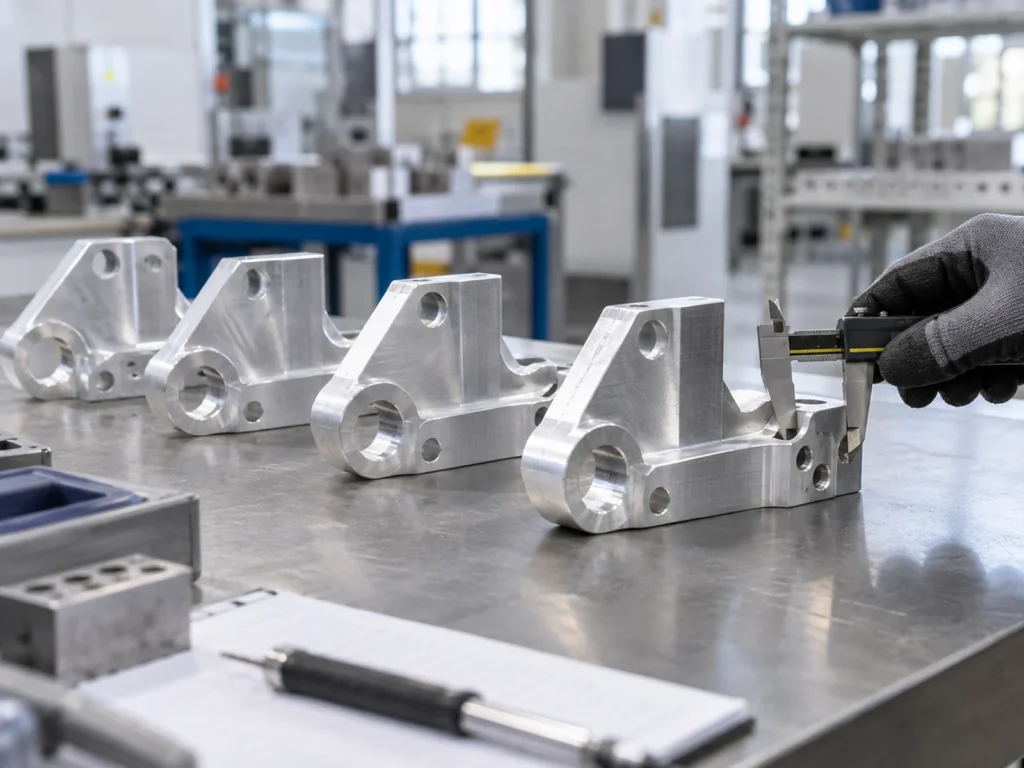
For a JiurunCut cutting proposal, provide the section drawing, specified alloy and temper, stock lengths, finished-part drawing and representative material. Explain any material-document or traceability requirement that affects the proposed job. Use the drawing-tolerance guide to keep finished requirements clear.
Keep the material supplier’s certification responsibilities separate from the machine proposal unless the agreed contract explicitly connects them. Do not assume that purchasing a saw supplies certificates for third-party stock or validates an existing material record.
Questions about an aluminum material certificate
Can I identify alloy and temper from a photograph?
A photograph of the section does not establish the specified alloy and temper. Request the relevant material identity and supporting documentation.
Does a certificate prove the cut parts meet the drawing?
Only within the evidence actually reported. Finished-part requirements need their corresponding inspection records; a source material document alone does not establish the cutting result.
Should I request the same document type for every order?
Use the type required by the applicable order and project specifications. Resolve that requirement with the responsible procurement and quality team before supply.
Prepare the material information for your cutting review
Send JiurunCut your section and finished-part drawings, specified material condition and representative stock details. Explain the identity and documentation requirements that the cutting proposal needs to address.