
Automatic multi-angle aluminum cutting
JR-550CNC-CORNER Automatic Multi-Angle Aluminum Cutting Machine
Programmed 30°–140° angle cutting for aluminum frames, corner components and repeat multi-angle production.
Send your profile drawing, required angles, finished length and production target. JiurunCut engineers will review the feeding, clamping and cutting configuration around your actual part.
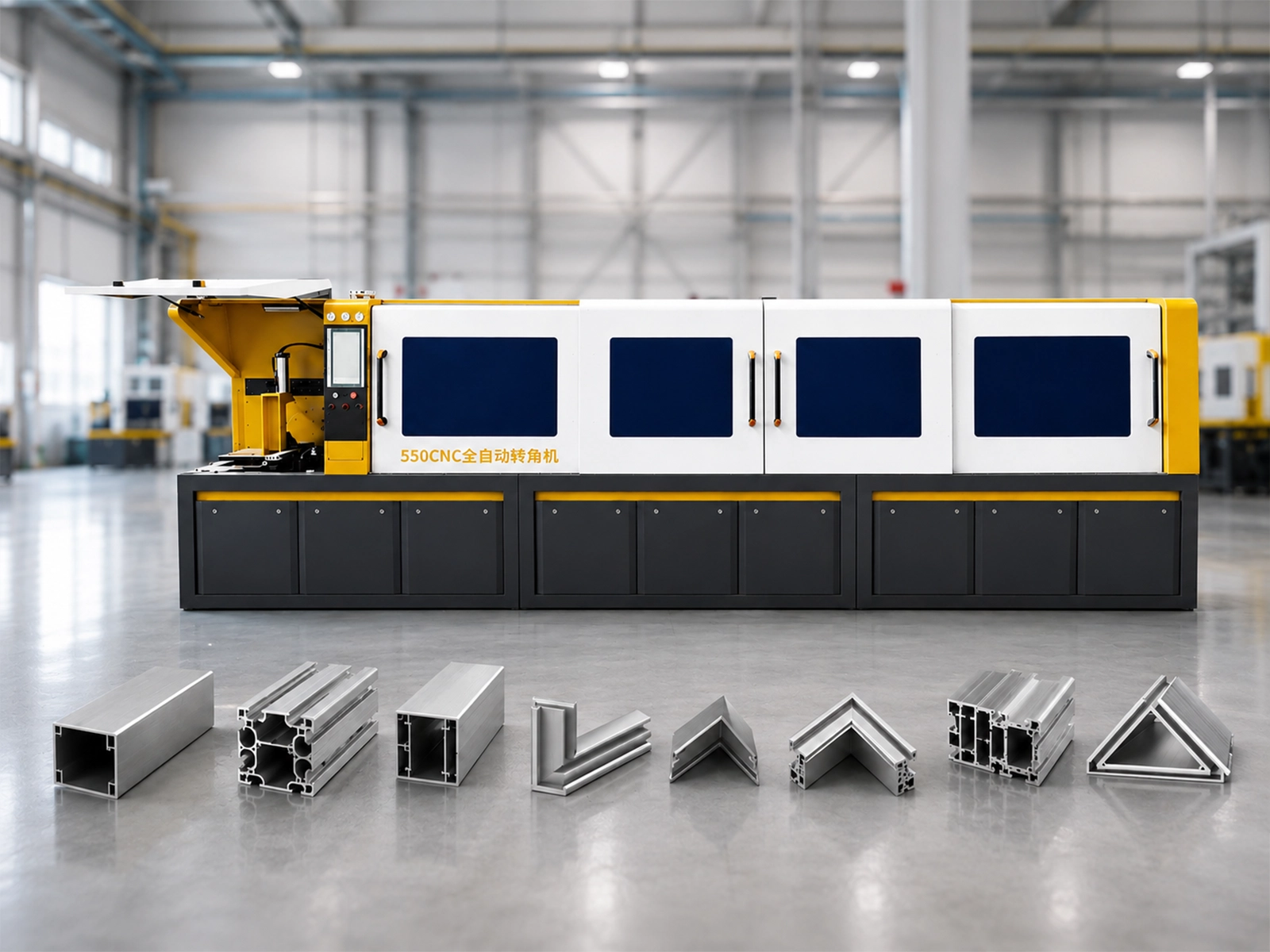
Get a recommendation based on your real profile, angle list and production target.
Why this machine
Why Factories Choose the JR-550CNC-CORNER
Repeat Multi-Angle Parts Without Rebuilding the Setup
Program the required cutting angles for recurring frame and corner components instead of repeatedly rebuilding the angle setup.
Move Long Profiles Through a Repeatable Cutting Cycle
A maximum 4500 mm single feeding stroke supports long-profile feeding and repeated production cycles.
Match the Machine to Your Real Profile
Profile geometry, wall thickness, datum, visible surface and clamping requirements are reviewed before the production configuration is confirmed.
Profile fit
Will the JR-550CNC-CORNER Fit Your Aluminum Profile?
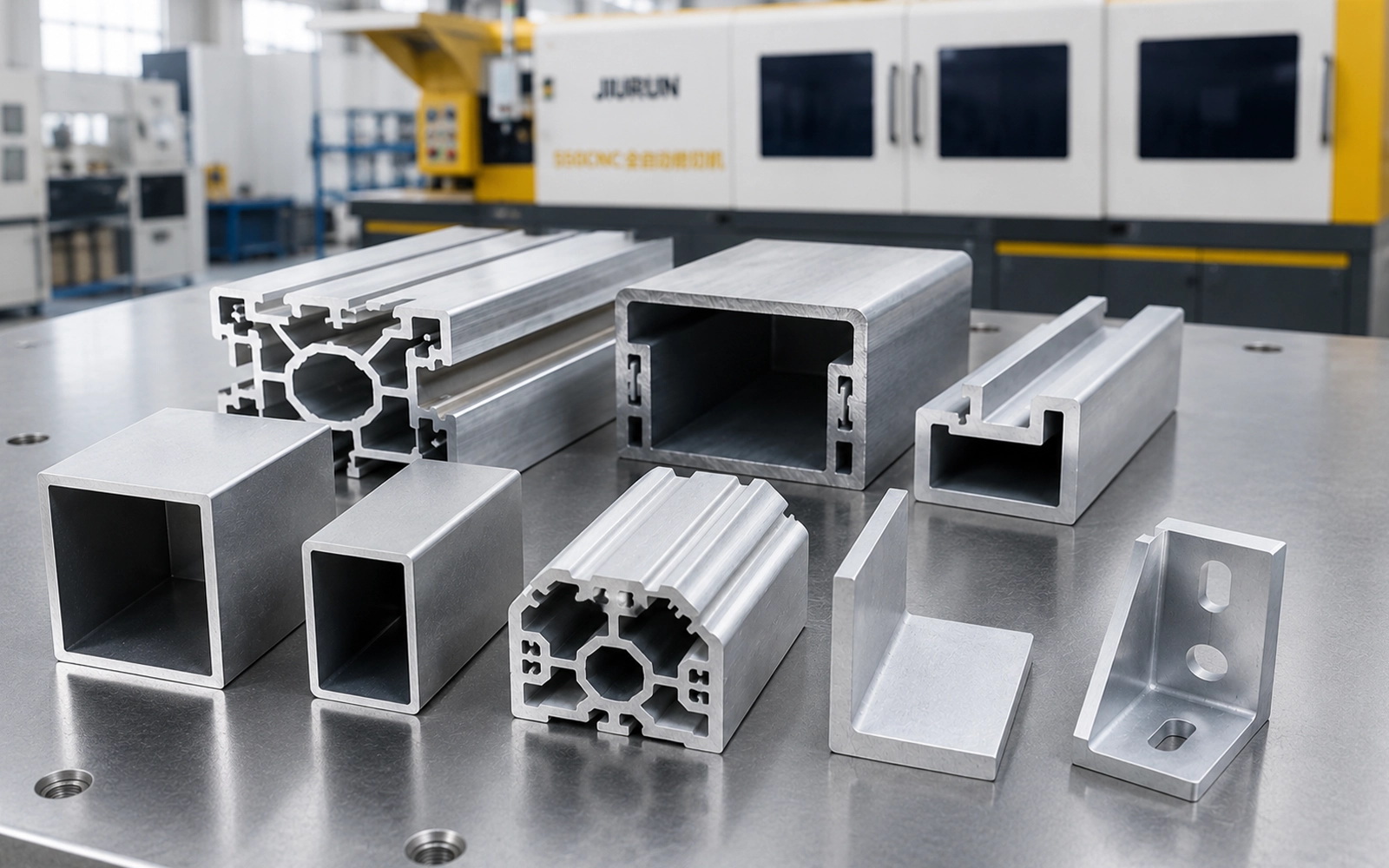
01 · Cutting dimensions
Max H: 270 mm; max W: 170 mm
The brochure lists separate height and width limits. Confirm usable capacity for your profile, cutting angle and fixture.
02 · Profile geometry
Review the Real Cross-Section
Square, rectangular, hollow, multi-cavity and irregular profiles should be reviewed from the actual cross-section.
03 · Angle & clamping
Confirm the Usable Capacity
Usable capacity depends on profile geometry, orientation, programmed angle and the confirmed clamping setup.
Include the cross-section, wall thickness, finished length and required angles.
Key technical data
JR-550CNC-CORNER Technical Specifications
Use the key data to shortlist the machine. Final cutting capacity, fixture design and production configuration are confirmed after reviewing the real profile and cutting requirements.
View Full Technical Specifications ↓
Production workflow
How the JR-550CNC-CORNER Works
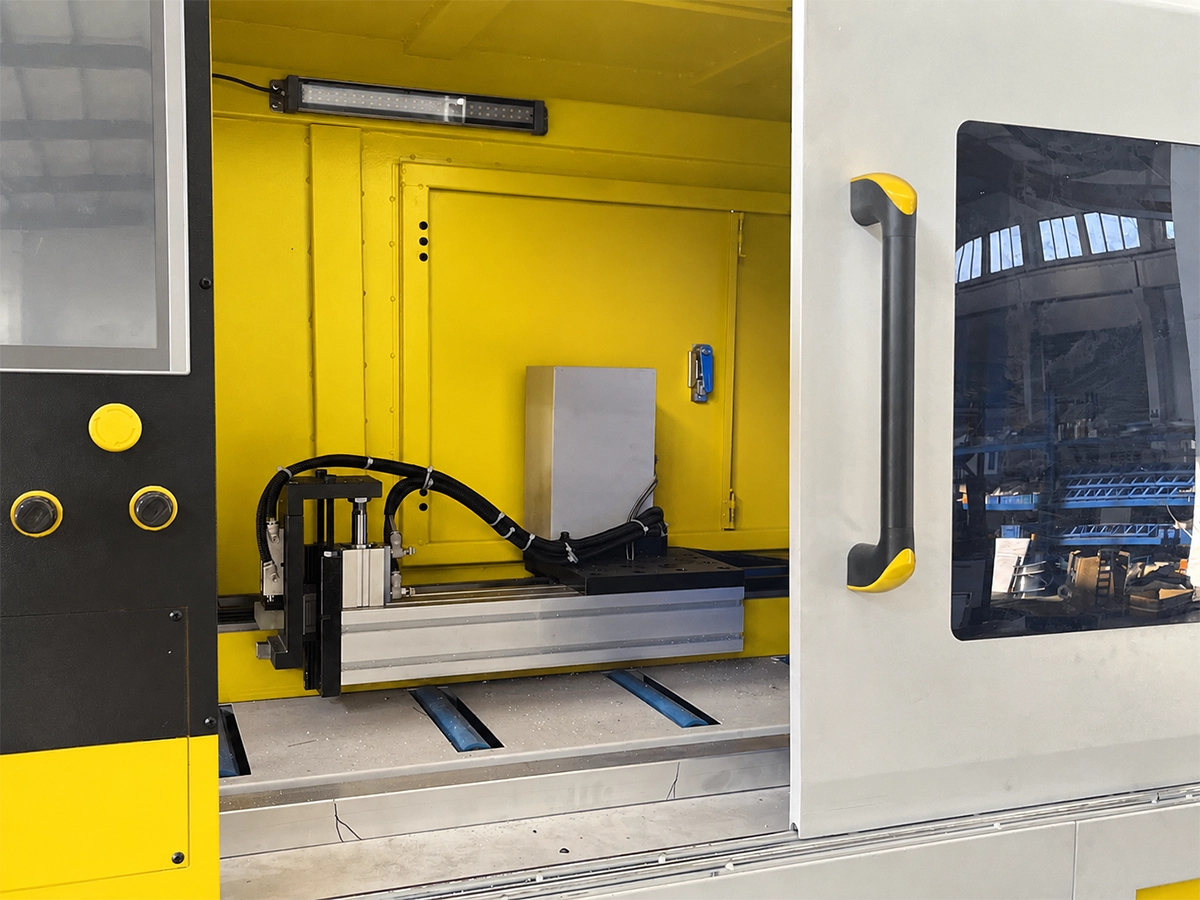
Load & Feed
Load the aluminum profile into the confirmed support setup. Automatic feeding moves the profile into the programmed production cycle.
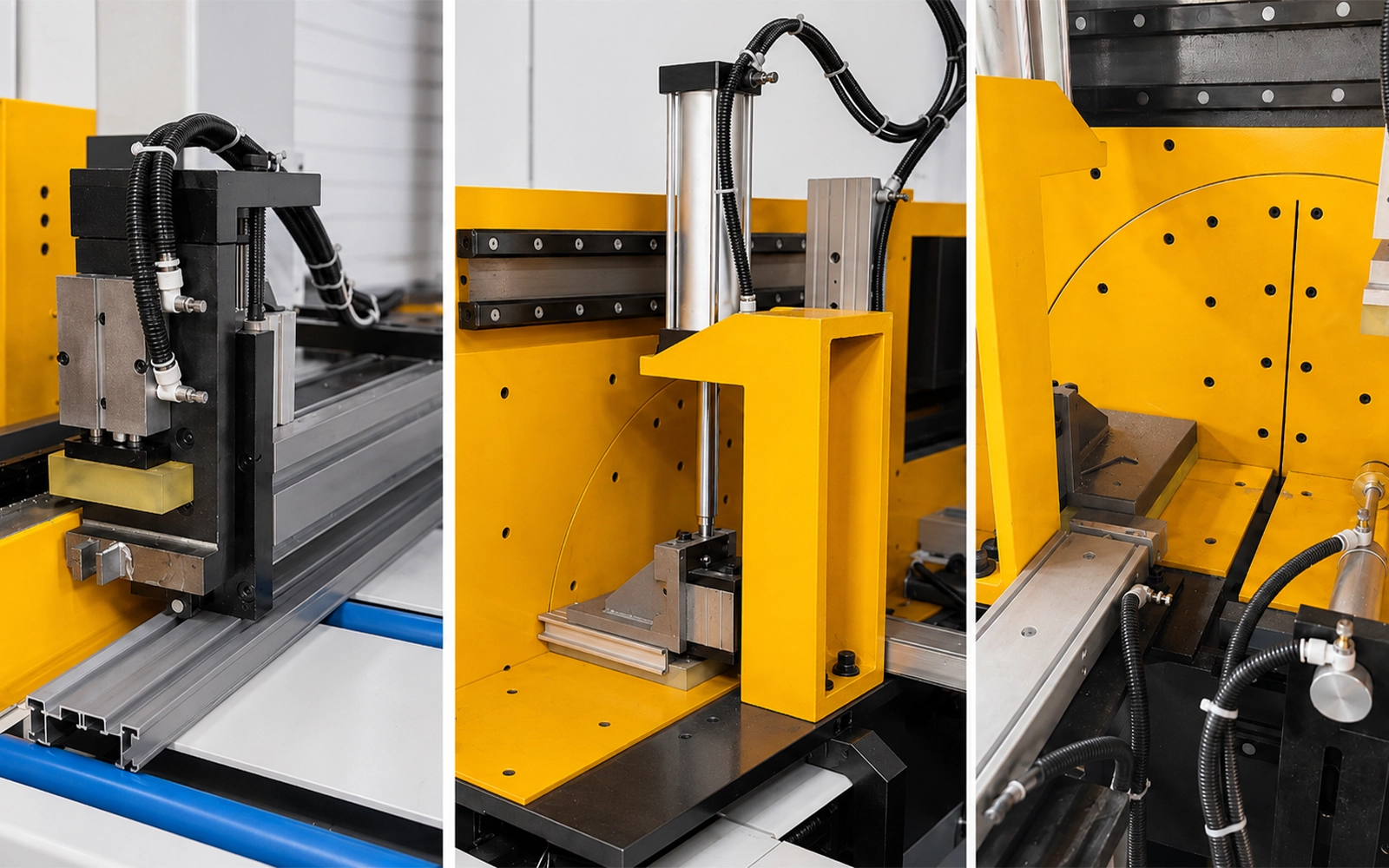
Clamp & Position
Servo positioning moves the profile to the required location while the confirmed clamping setup holds the selected datum.
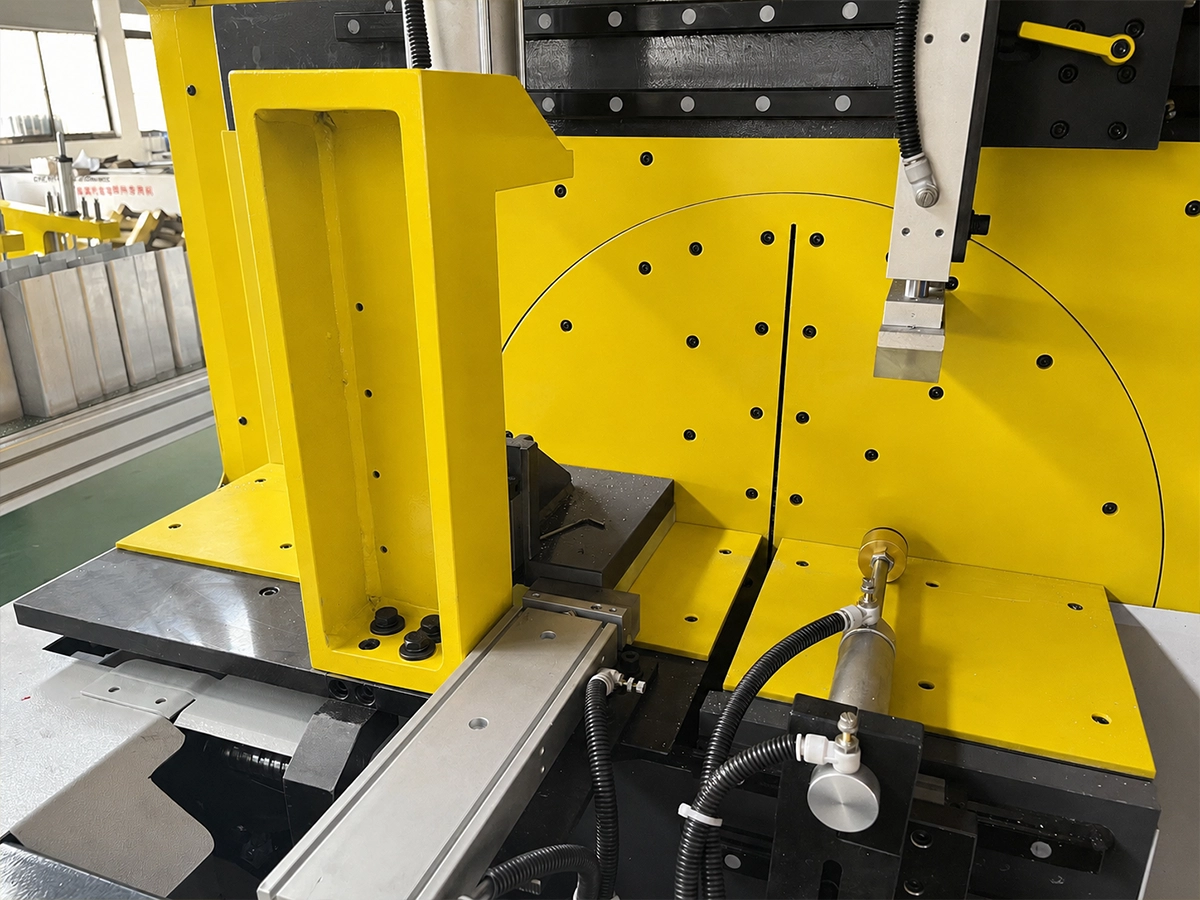
Angle Cut & Verify
The system positions the programmed angle, completes the circular-saw cutting cycle and sends the finished part for inspection.
Sample-cutting plan
Plan the Checks for Your Parts
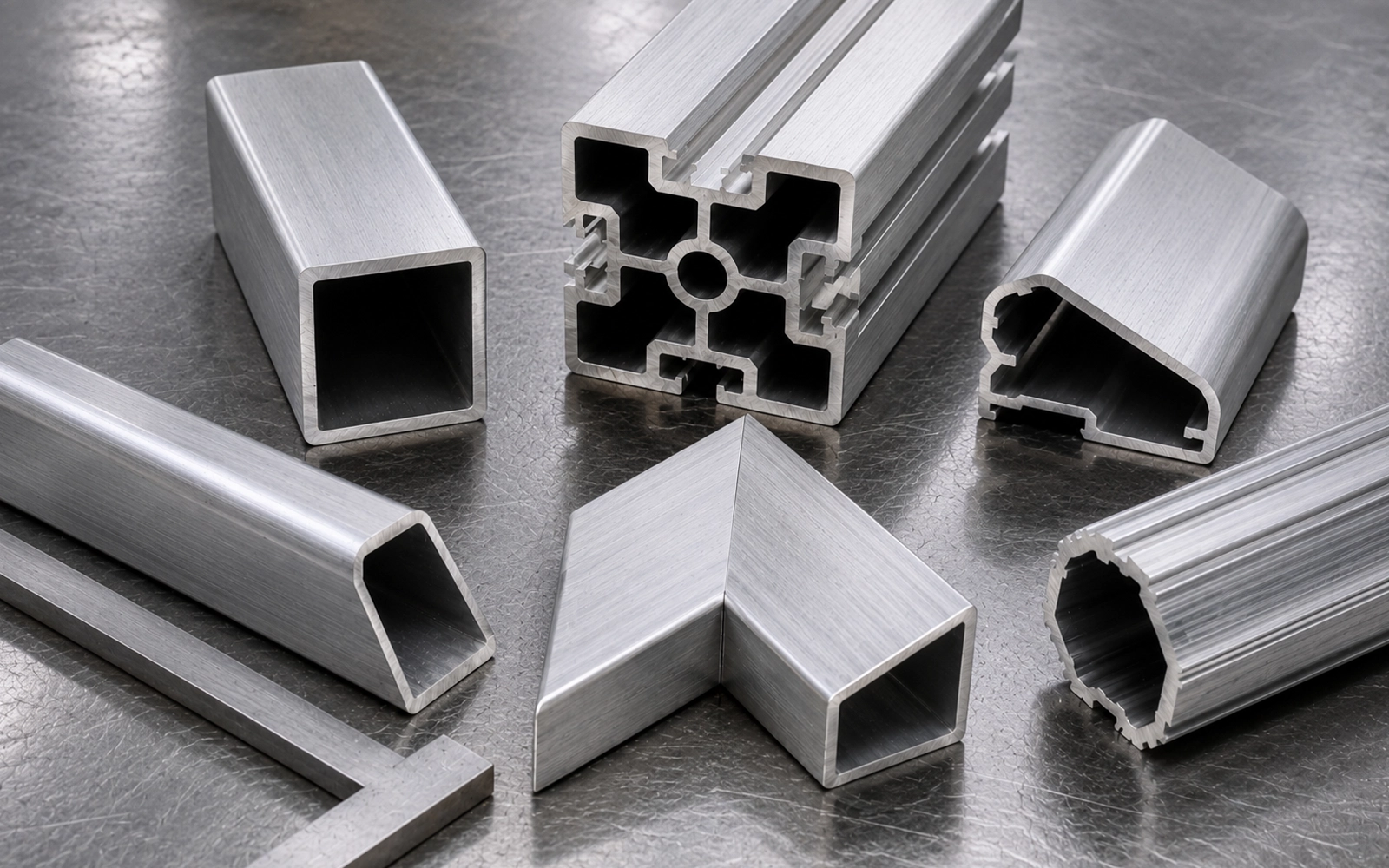
Agree a sample-cutting plan using your profile material, drawing and inspection criteria. Check the finished parts against your production requirements.
Machine selection
Which Aluminum Corner Cutting Machine Fits Your Production?
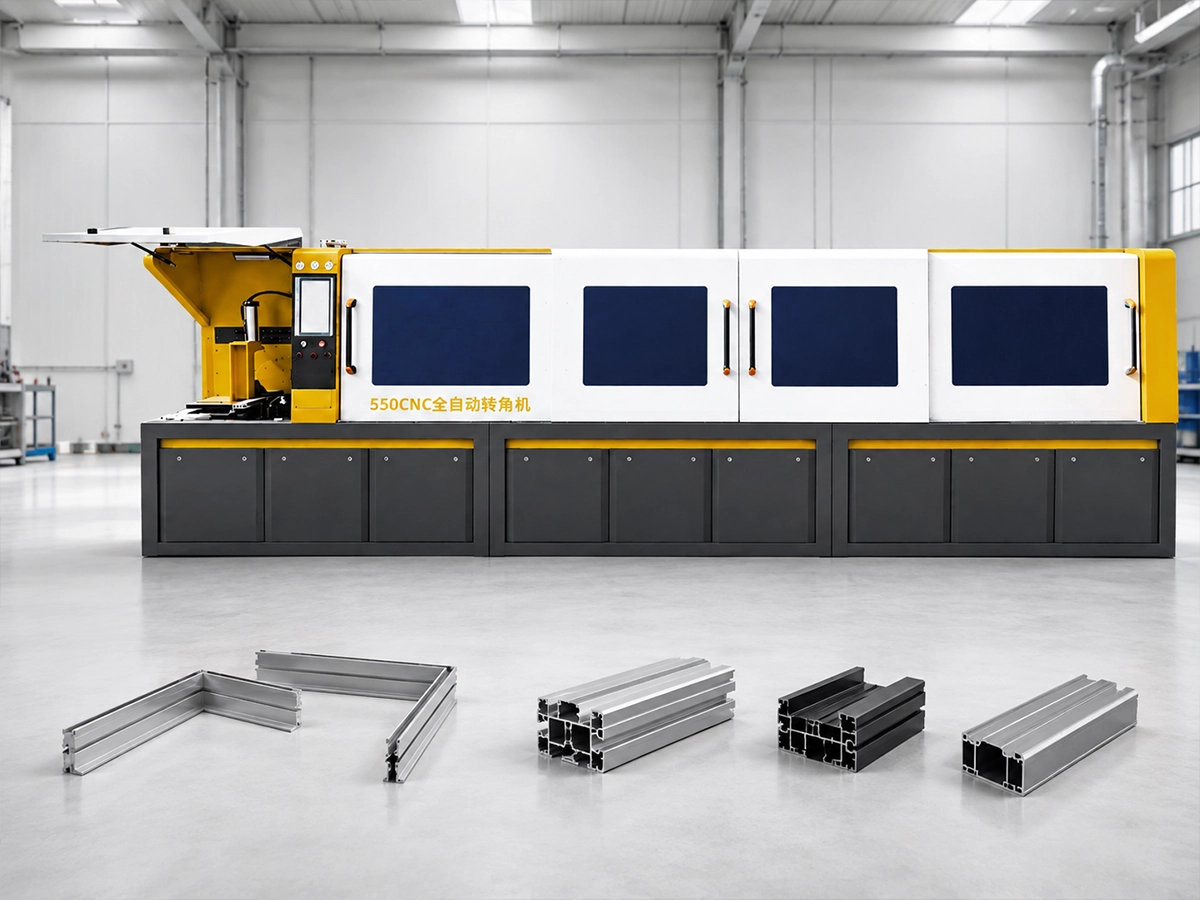
JR-550CNC-CORNER
Automatic Multi-Angle Cutting
- Recurring multi-angle components
- Frames and corner assemblies
- Automatic feeding production
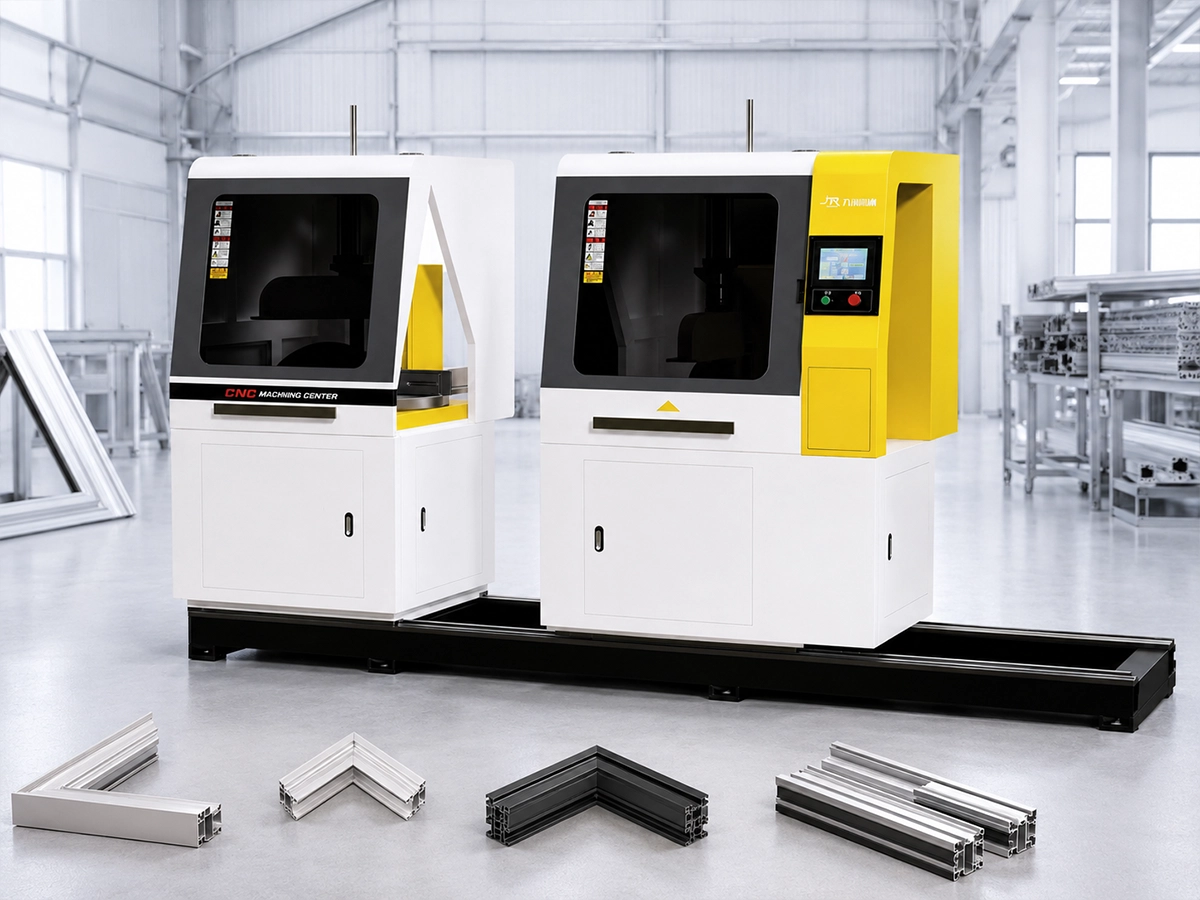
JR-550
Application-Based Angle Cutting
- Double-head angle workflows
- Long frame components
- Application-based angle cutting
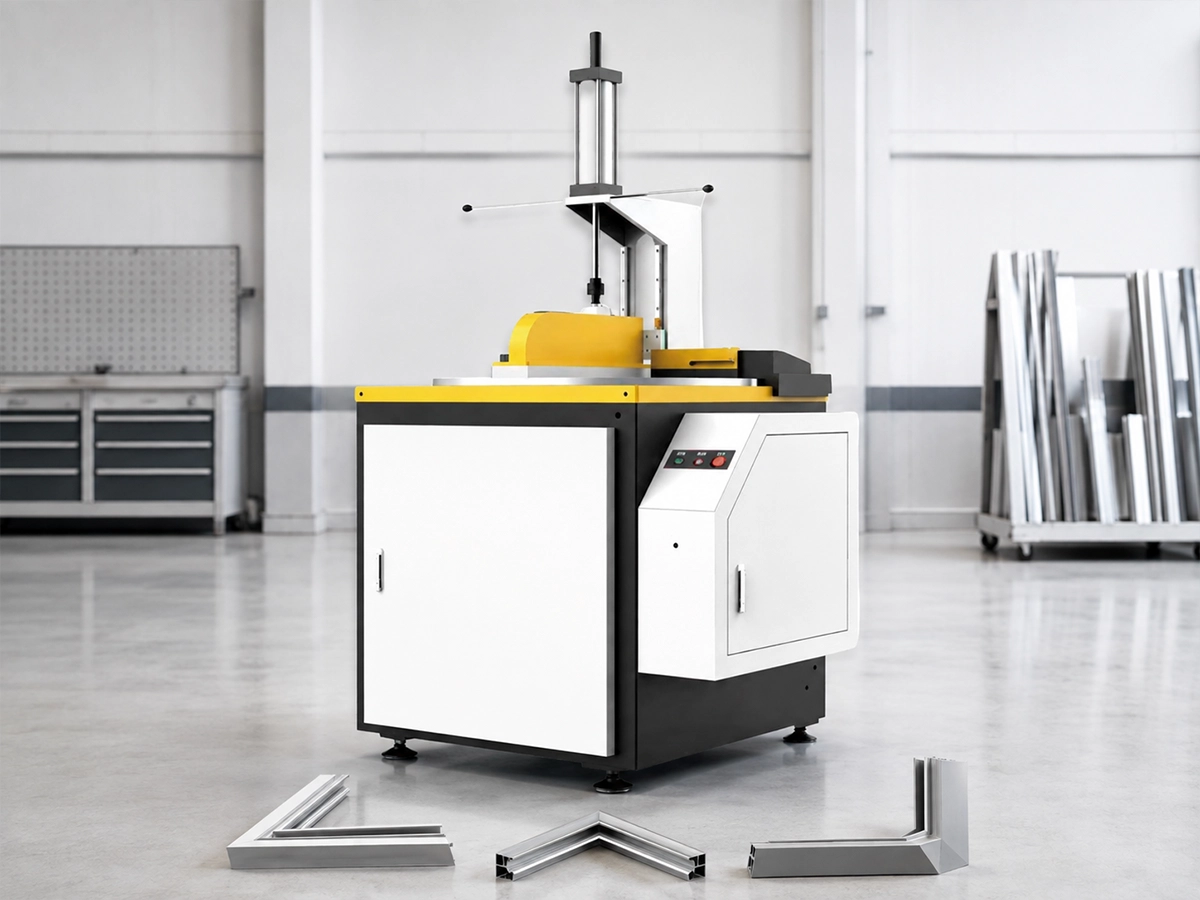
JR-550Q
Operator-Loaded Production
- Operator-loaded production
- Flexible profile changes
- Smaller or changing batches
For an engineering recommendation
Send the Data That Changes the Machine Configuration
Checks to agree before delivery
Define the Checks for Your Machine
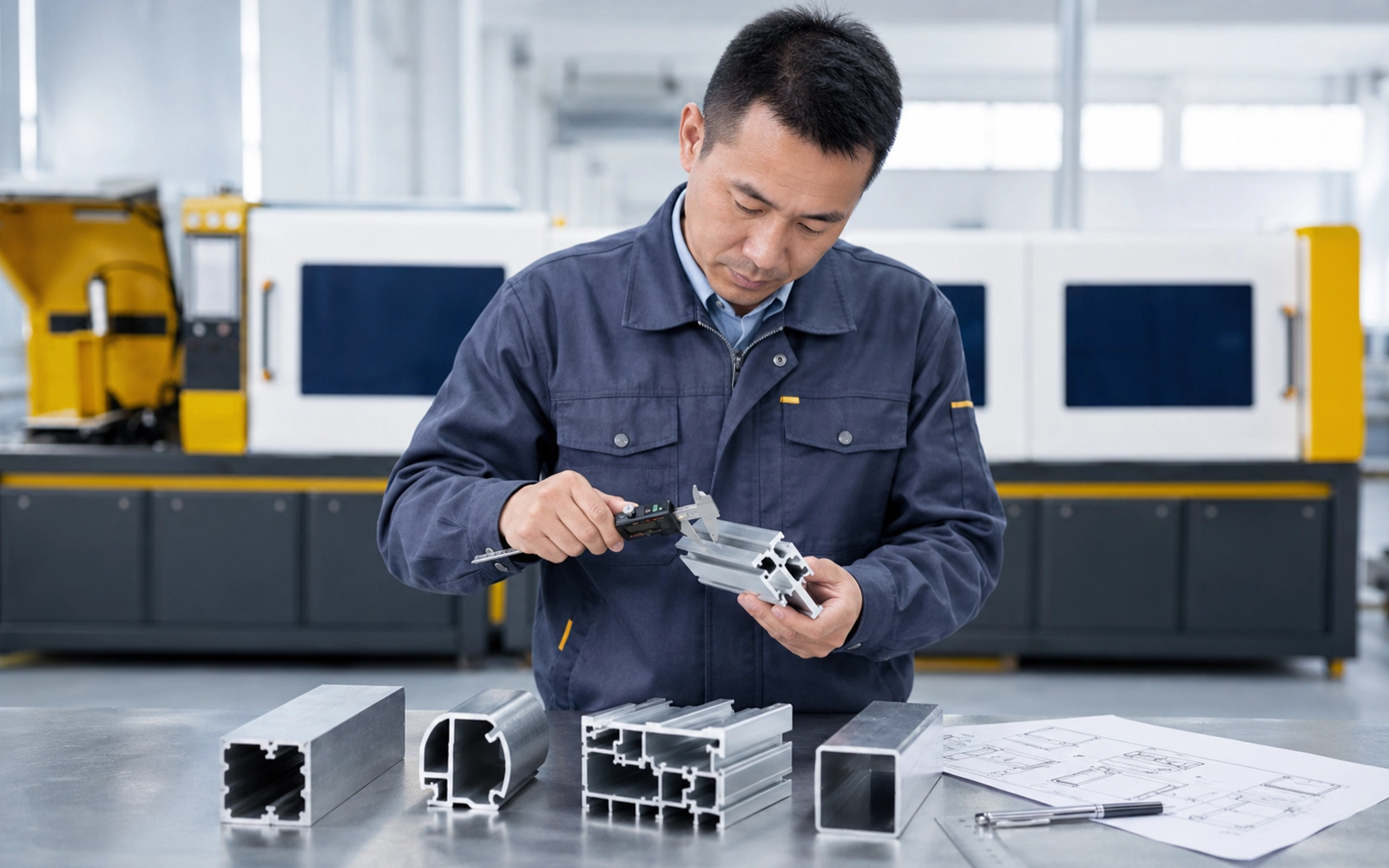
Agree the machine configuration, feeding and positioning checks, clamping method, representative sample cuts and finished-part measurements before delivery. Use the confirmed profile, angle requirements, drawing and acceptance criteria to define the checks. Share your profile drawing and required tolerances to agree the checks for your order.
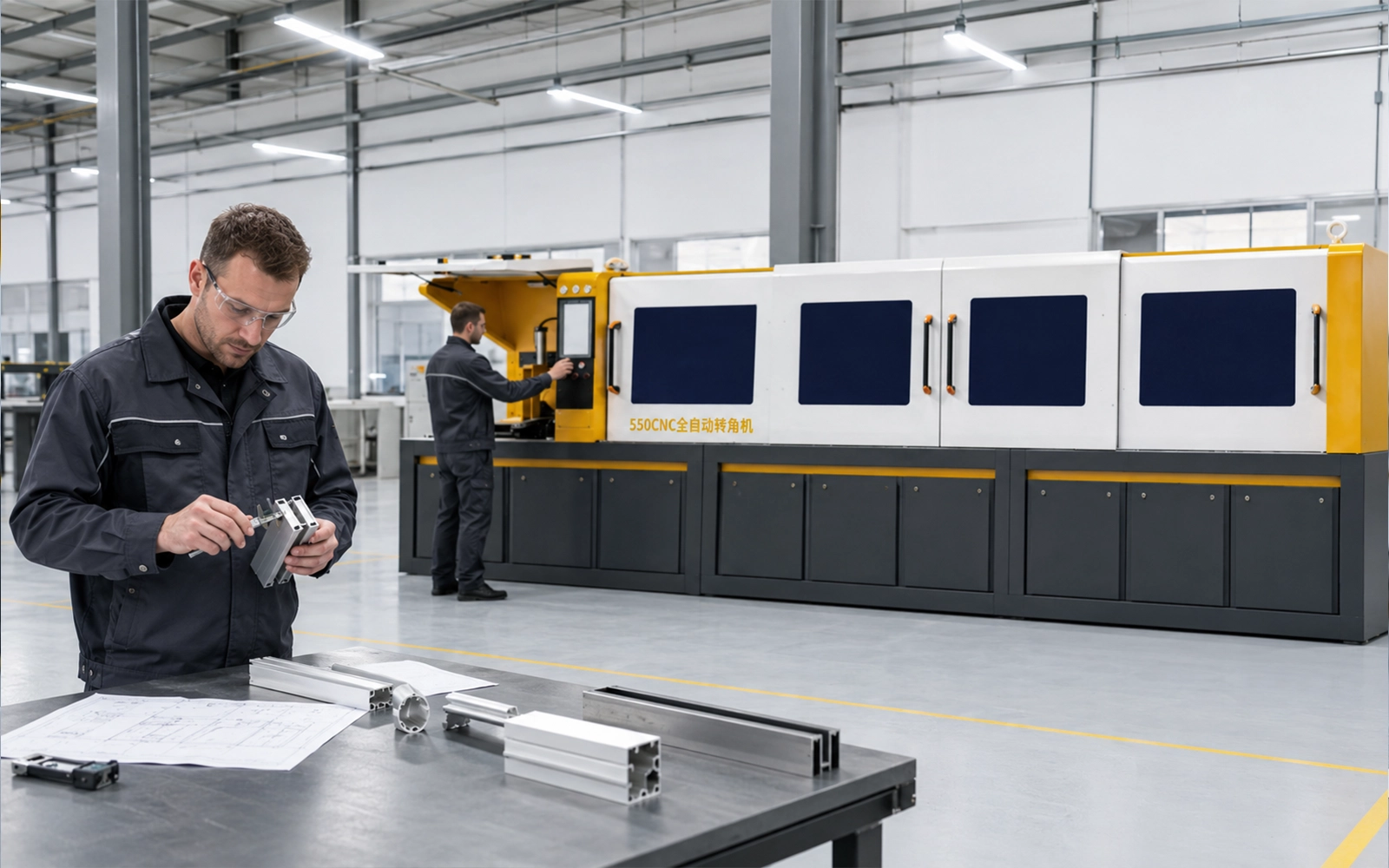
Confirm the machine condition before powered testing.
Check the machine structure, protective enclosure, electrical control system and the production configuration agreed in the order so the equipment is ready to enter commissioning.
Verify that the material moves to the required position.
Using the confirmed profile section, length and positioning method, check feeding travel, datum control and movement stability to keep the angle-cutting reference consistent.
Check how the actual extrusion will be supported.
Confirm the feeding position, clamping contact points and support method against the real profile geometry and angle-cutting condition to prevent movement or deformation during cutting.
Test material that represents the customer’s application.
Use a representative profile and target angles for sample cutting. Go beyond an idle cycle and check whether the cutting result meets the customer’s real application requirements.
Measure the features that matter on finished parts.
Against the confirmed drawing and tolerance, inspect finished length, cutting angle, joint fit and visible-face quality to verify that the sample meets the acceptance criteria.
Confirm the complete production setup.
Before packing and delivery, confirm the program, review the settings and run the complete machine so it can enter production using the agreed process.
Applications
Multi-Angle Aluminum Cutting Applications
See typical aluminum profile parts, corner assemblies and frame structures that can be produced with the JR-550CNC-CORNER. Different cutting angles, profile shapes and production goals can be reviewed from your drawing and output requirement.
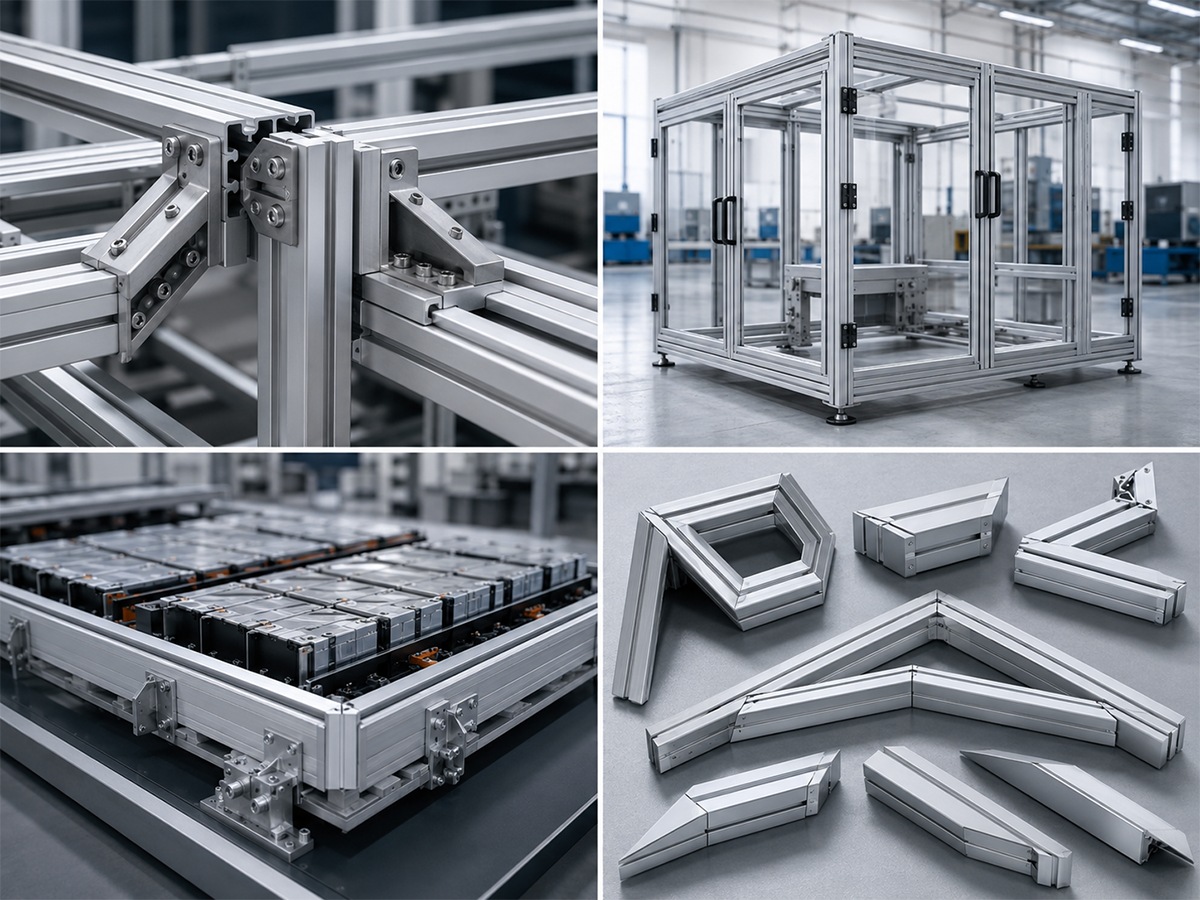
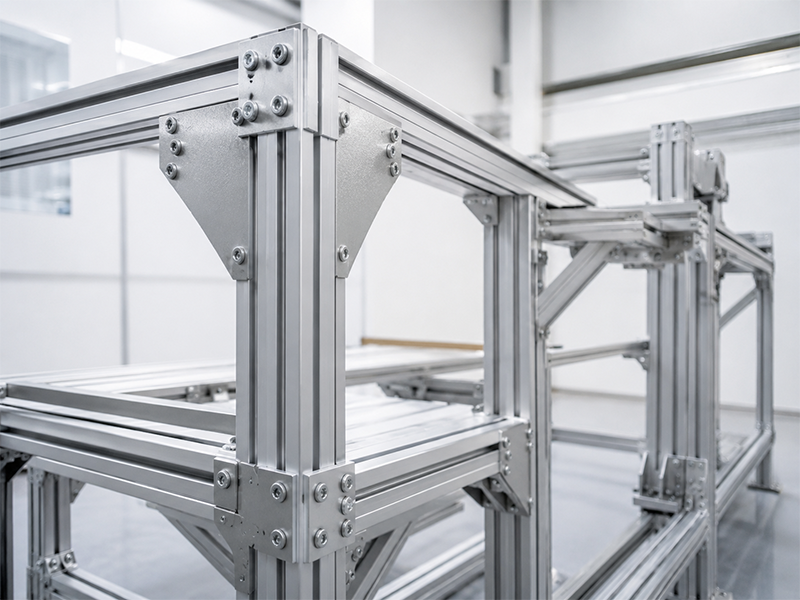
Industrial Machine Frames
Repeatable corner cuts for aluminum machine frames, equipment bases and industrial structural assemblies.
Industrial profile solution →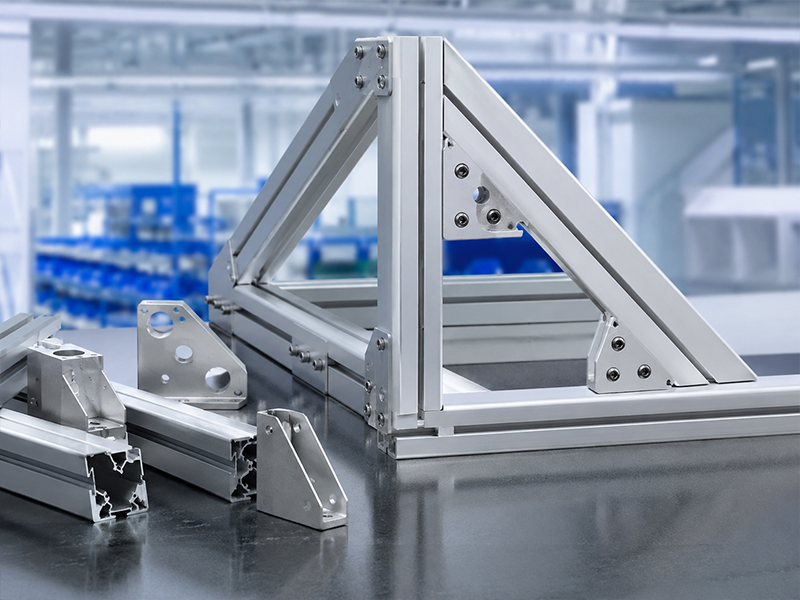
Angled Frames & Brackets
For vehicle structural parts, share the profile drawing, datums and required joint geometry.
New energy vehicle solution →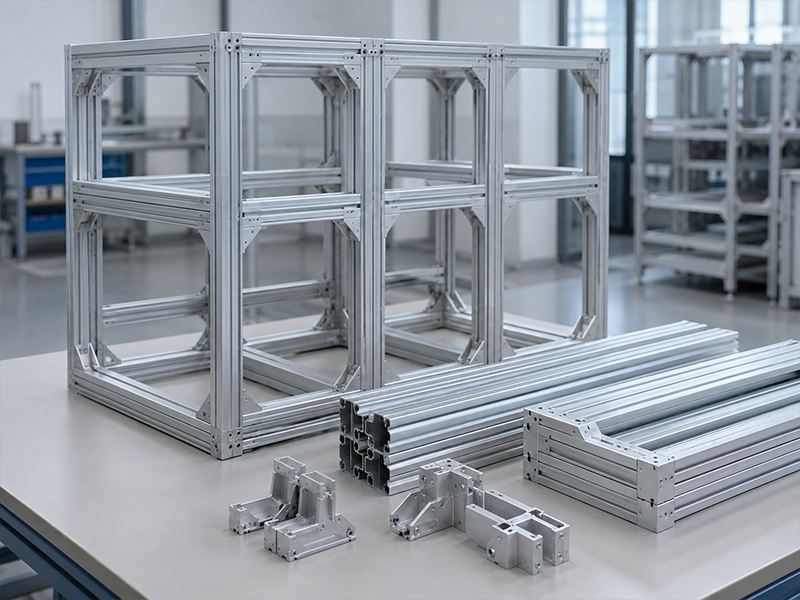
Modular Aluminum Frames
For energy storage frames, send the assembly drawing and required cuts to discuss the setup.
Energy storage solution →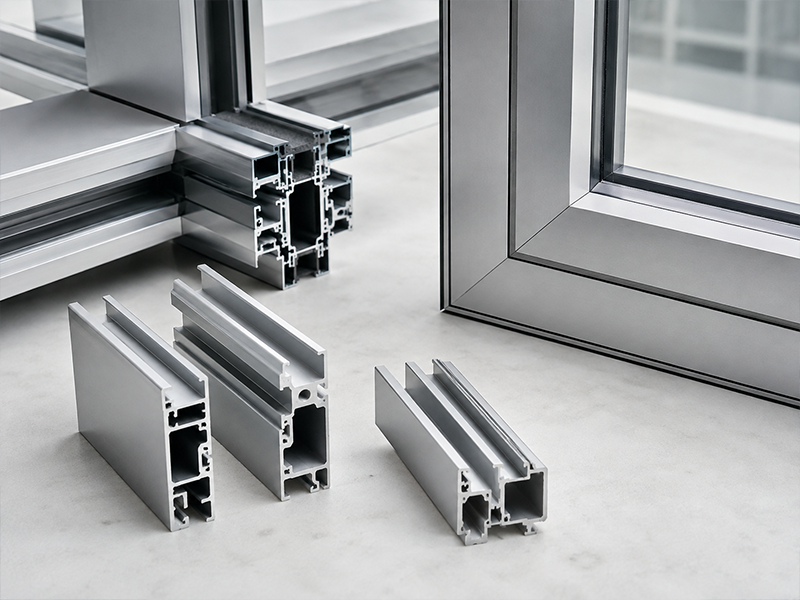
Curtain Wall / Structural Profiles
Mitered and corner-connected aluminum profiles prepared for controlled frame assembly and installation.
Curtain wall solution →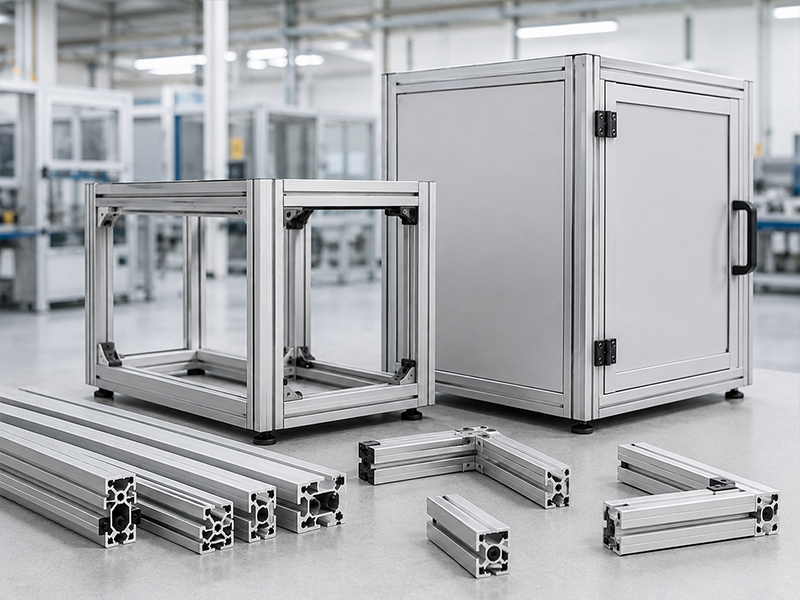
Equipment Enclosures
Clean-cut visible profiles and enclosure frame parts where joint quality and fit matter.
Explore the solution →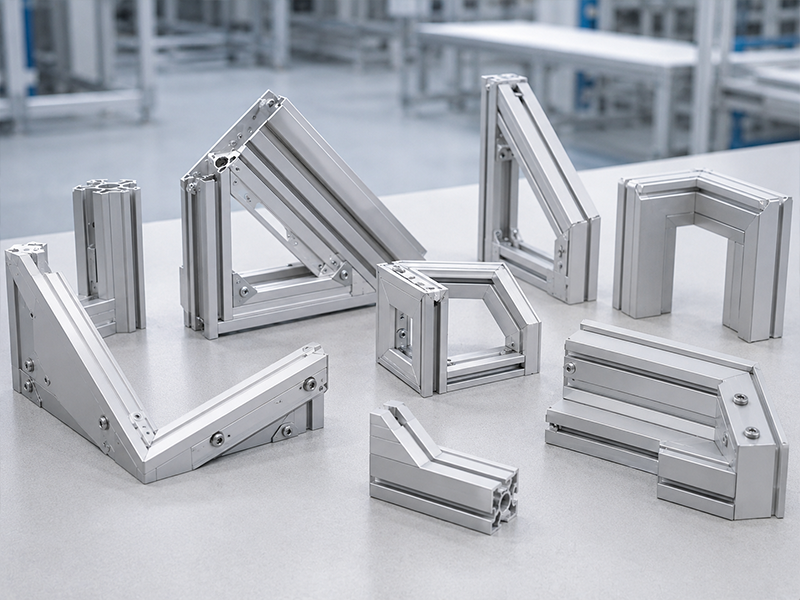
Custom Multi-Angle Components
Drawing-defined parts with custom angles, irregular corner logic and application-specific assembly needs.
Request engineering review →Buyer FAQ
JR-550CNC-CORNER Buyer Questions
What angle range does the JR-550CNC-CORNER use?
The confirmed programmed cutting range is 30°–140°.
Can it cut a 45-degree aluminum miter?
Yes. A 45° cut is within the 30°–140° range, subject to confirmation of the profile, orientation, clamping and inspection method.
What is the maximum cutting capacity?
The brochure lists a maximum sawing height of 270 mm and a maximum sawing width of 170 mm as separate limits. These do not establish a full rectangular cutting envelope. Usable capacity depends on the actual cross-section, cutting angle and fixture.
What saw blade does the machine use?
The confirmed blade range is Φ405–Φ550 mm with a 30 mm bore. The final blade is selected for the profile and finish requirement.
Does the machine feed automatically?
Yes. It uses automatic feeding and positioning with a maximum 4500 mm single feeding stroke.
Can JiurunCut make a custom fixture?
Fixture selection is reviewed from the profile drawing, datum surfaces, visible faces, wall thickness and clamping access.
How is cutting accuracy verified?
Cutting accuracy is listed as ±0.1 mm. Final acceptance should define the datum, inspection tool, sample quantity and machine setup.
Can JiurunCut test my profile before purchase?
Yes. Send the drawing and production data first so representative material can be used for sample cutting and verification.
What support is available after delivery?
Installation, training, remote technical support and spare-parts planning are arranged according to the final sales agreement and destination.
What information should I send before asking for a quotation?
Send the profile drawing or cross-section, alloy, wall thickness, finished lengths, required angles, tolerance, expected output and any visible-face or sample requirements.
ALUMINUM CUTTING MACHINE QUOTE
Which Machine Fits?
What Will It Cost?
Tell us what you need to cut. We’ll confirm the details with you, recommend a machine and prepare a quote.
- A machine for your partsWe review your aluminum material, size and cutting needs.
- Machine proposal and pricingSee the recommended machine, included equipment and price.
- Help with your cutting problemDiscuss burrs, material waste, slow cutting or too much manual work.
No model or drawing needed to get started.
Prefer to chat?
Chat on WhatsAppSend Your Inquiry
Only your name or company and WhatsApp / phone are required. Everything else is optional.