
Aluminum saw trial material is often treated as a small detail until the buyer discovers that the test consumed scarce extrusion, the remaining bars are still at the supplier’s site, and the accepted cut pieces have no agreed destination. Set the material terms before dispatch or cutting. The practical question is not merely who pays for a sample. It is which identified stock may be used, how much can be consumed, what evidence must be returned, and who owns each remainder.
A useful trial agreement can be short. It should connect a released drawing and stock batch to a defined machine configuration, cutting plan, measurement record, and return instruction. The parties can then compare a trial result without mistaking material logistics for a machine capability guarantee.
Decide whether the trial needs your production stock
Start with the buying decision. If you only need to see whether a profile can be supported and clamped, a small offcut may answer that narrow question. It may not prove full-bar feeding, repeated cutting, batch changeover, or the finish of accepted production parts. If those issues determine the purchase, identify representative stock by alloy and temper, section drawing and revision, length, finish, straightness condition, batch, and any protected face. Record who checked the incoming condition before a blade touched it.
The supplier may already have a similar profile available. Agree in writing whether it is a substitute demonstration or an acceptance trial on the buyer’s actual stock. A demonstration can help narrow a machine choice, but a difference in section, finish, length, or surface condition can limit what the result proves. Our guides to substitute stock and short trial offcuts explain those separate technical judgments.

Set aluminum saw trial material terms in the plan
1. Supply and receipt
Name the supplying party, the shipment or handover date, the piece count, the lengths, and the person who receives them. Where the buyer sends stock, specify the labels that travel with each bundle and how the recipient will report shortage, transport damage, or a mismatch against the agreed drawing. Keep the pre-cut photographs and the receipt record separate from the later inspection of cut parts. Do not silently replace one lot with another when a trial runs short.
If a source material is valuable or difficult to remake, send only the agreed quantity plus a separately authorized reserve. The test matrix should state why each planned cut is needed: setup, first accepted piece, repeatability comparison, angle change, blade change, or another decision condition. Our trial sample quantity guide helps separate a witnessable plan from an arbitrary pile of pieces. A quantity plan does not itself authorize consuming every delivered bar.
2. Permitted use and consumption
Define the maximum number of bars or cut lengths that may be consumed without a new decision. Identify whether setup pieces, rejected pieces, remnants, and destructive measurements count against that allowance. If a damaged or out-of-specification incoming piece needs to be substituted, record who approves it and whether the result can still support the purchasing question. The supplier should document the actual machine, blade, clamp and feed arrangement used; do not infer a quoted configuration merely from a video or a good-looking part.
Agree how to stop the trial if an unexpected condition appears. Examples include unstable clamping, an unprotected visible face, insufficient support of the remaining bar, or a cut end that fails the buyer’s stated check. The stop rule protects the remaining material and makes the need for a revised setup explicit. It is more useful than continuing to consume stock in pursuit of a result no one has agreed to accept.
3. Ownership, retention and return
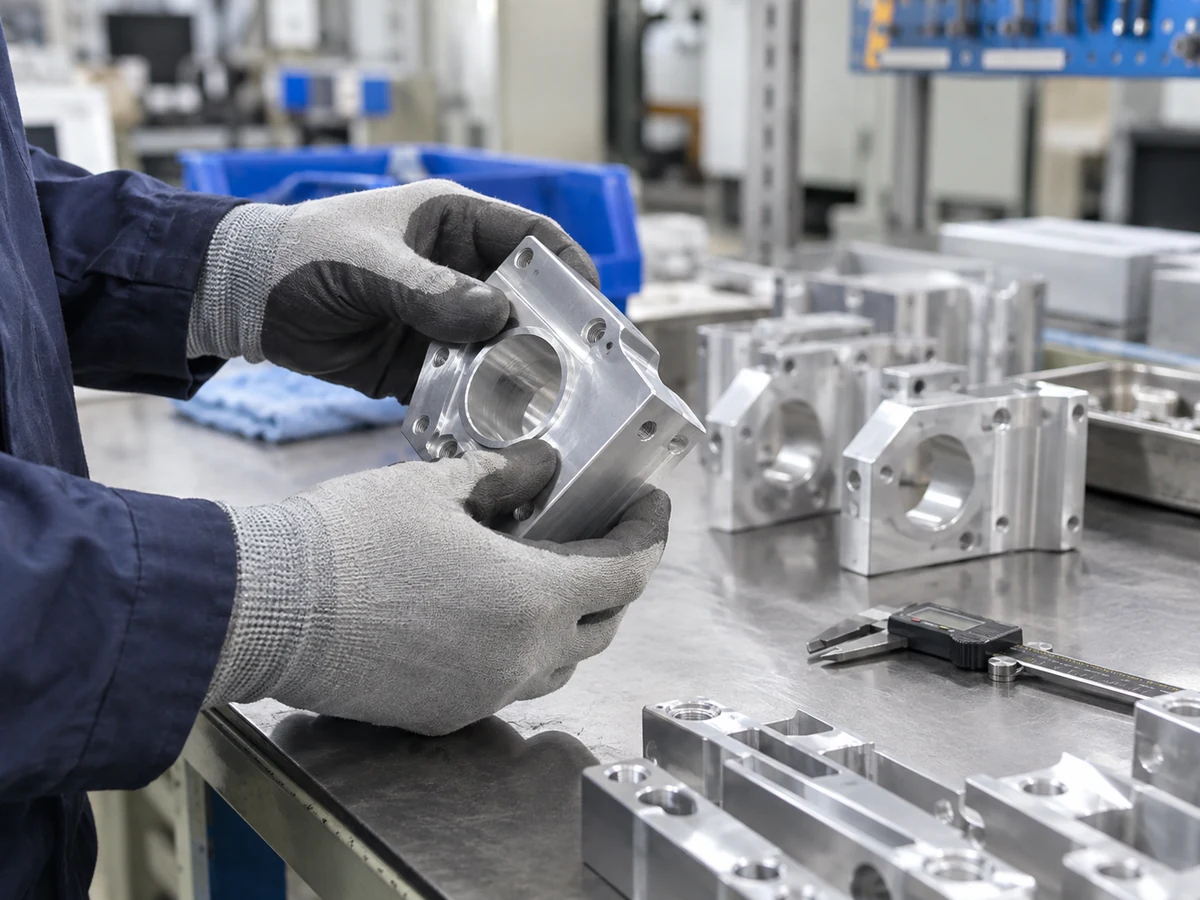
List the destination for four categories separately: uncut bars, offcuts or remnants, accepted cut pieces, and rejected or setup pieces. State who may retain a comparison sample, how long it may be kept, and what label or measurement record must stay with it. A retained piece can support later comparison, but it does not replace the approved drawing or inspection criteria; see our retained sample guide.
Agree the return route before the first shipment, including packing responsibility, return carrier or collection point, and the person who authorizes dispatch. If the trial is remote, specify which pieces the buyer must receive for independent checking. Our sample shipment guide addresses identity and protection in transit. Do not assume every piece will be sent back merely because the buyer supplied the original bar.
Separate the material ledger from the trial result
An aluminum saw trial material ledger makes the physical flow auditable. Give each incoming bar an ID. Record its starting length or count, each planned and actual cut, the pieces produced, the measured pieces, the pieces retained, the unusable scrap, and the remaining stock. Link photographs and measurement sheets to those IDs. A claim such as “passed” is incomplete if no one can tell which stock and which setup produced the accepted parts.
When the trial includes a saw blade supplied for testing, identify it separately from the workpiece material and from any blade included in the eventual machine quotation. Our trial blade guide covers that handover. Likewise, record quoted services separately from physical sample ownership: cutting labor, special fixture preparation, inspection, freight, taxes, and return packing should each be marked included, separately priced, or unresolved. This is a request for a clear quotation, not an assertion that a particular supplier charges any one of those items.
Ask for an evidence package you can use to buy
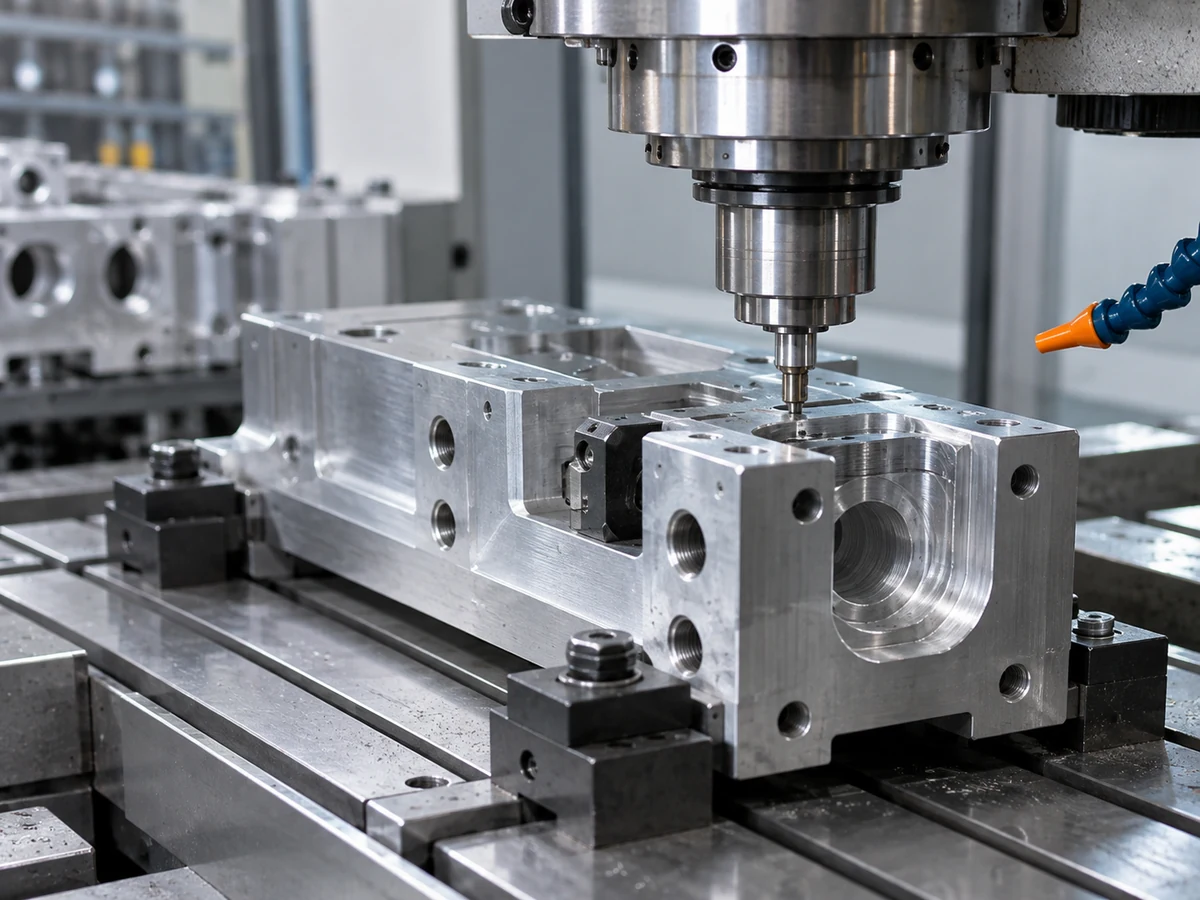
Before the test, tell the supplier what will decide acceptance: drawing revision, cut length reference, angle or squareness check, appearance on named faces, burr condition, throughput observation where relevant, and the number of consecutive parts to be checked. Identify the inspection method and who witnesses or signs each record. If the same machine must run multiple sections, specify each changeover and the incoming stock for it. A remote video may show the sequence, but it cannot by itself establish the material identity, measured dimensions, or quoted configuration.
Request an evidence package with a stock-receipt record, setup record, sample IDs, measurement results, photographs of relevant faces and ends, exception log, and a final material-disposition list. The package should say which questions the trial answered and which remain open. If the supplier proposes a substitute stock or shorter piece mid-test, preserve the earlier plan and explicitly state the narrower conclusion supported by the changed conditions.
Video: general equipment context
The following video is from the Jiurun Machinery YouTube channel and shows general equipment footage. It is a visual example of machinery context only. It does not establish the material, machine configuration, customer identity, trial conditions, measured accuracy, or performance discussed in this article.
A copyable trial-material agreement
Send a one-page request with these fields: buyer and supplier contacts; released section drawing and stock batch; delivered bar IDs and condition; permitted setup and measured-piece counts; maximum material consumption; stop-and-retest authority; actual blade and workholding configuration; inspection criteria and evidence files; disposition of every uncut, accepted, rejected and scrap piece; sample-retention period; freight and packing responsibility; and any separately quoted fees. Leave an unresolved field visible rather than guessing a term.
The buying decision on aluminum saw trial material is ready only when the trial evidence matches the machine and stock you intend to purchase for, and the material ledger closes without missing pieces. If the result is technically promising but commercial terms or return instructions remain open, request a revised written trial plan or quotation before sending more stock. Contact JiurunCut with your profile drawing, stock condition, intended cut list and decision criteria so the trial scope can be discussed against the actual job.