
Aluminum saw trial sample shipment can decide whether a buyer trusts a supplier’s cutting proposal. The machine may have produced a useful trial set, but a carton of unmarked pieces gives the buyer no reliable way to connect each part to the drawing, stock condition, setting, or measurement record that was discussed. Before arranging a sample shipment, agree on what the sample is meant to decide and what information must travel with it.
This guide is for a buyer comparing an aluminum sawing solution or checking a proposed cut route. It covers the handoff from the supplier’s trial bench to the buyer’s receiving and review team. It does not claim that any pictured Jiurun machine includes a particular marking, packing, inspection, or traceability system. Those details belong in the agreed trial plan and quotation.
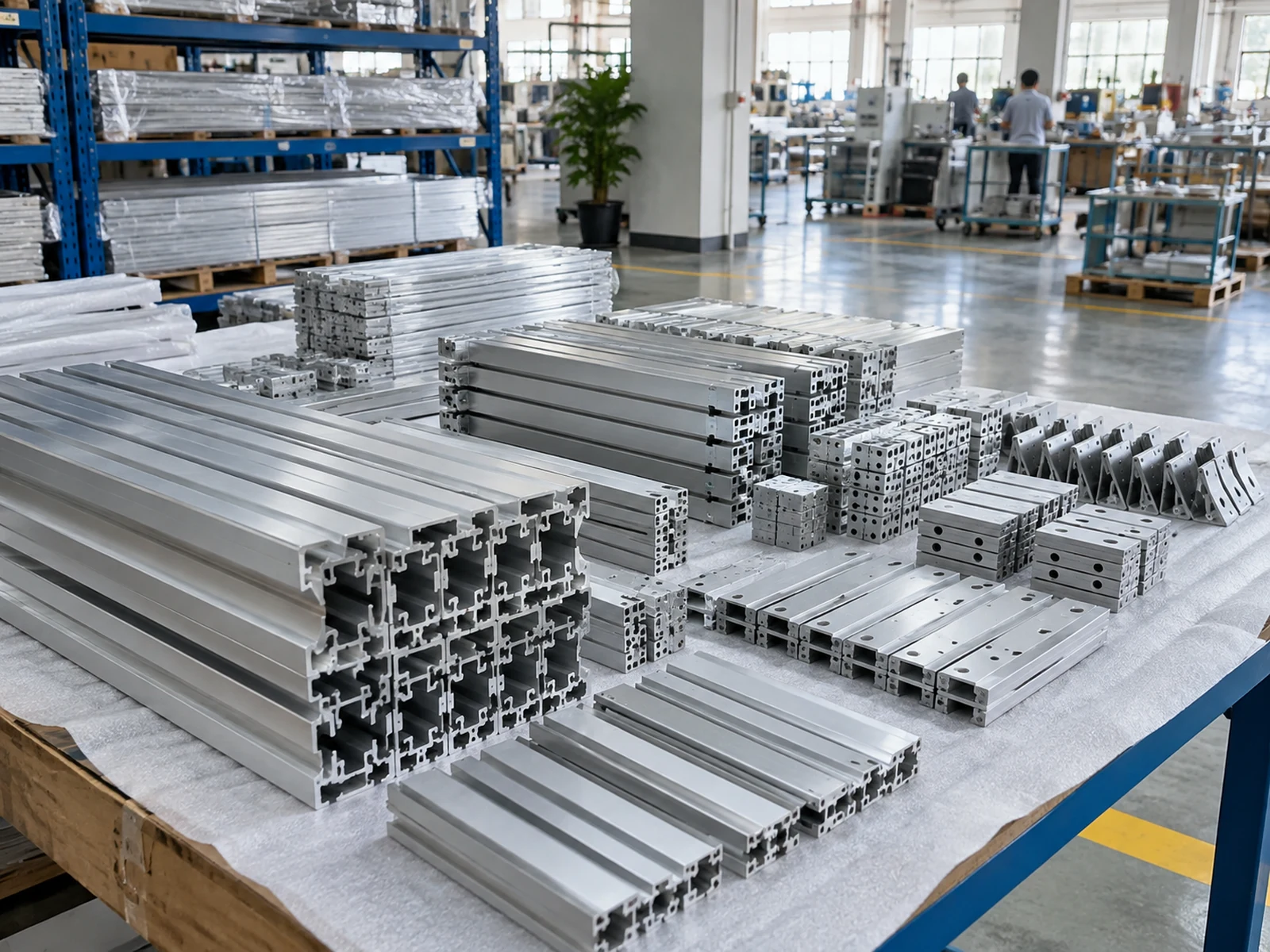
Decide what the sample shipment must prove
A physical piece can answer some questions that a video or a dimensional table cannot. A buyer may need to examine edge condition, burr accessibility, surface contact marks, fit in the next fixture, or the way mixed lengths are separated. Other questions require records: the drawing revision, material and temper identification, test method, measurement points, and the operating conditions of the agreed trial. Neither the carton nor a generic cutting video establishes those facts by itself.
Write a one-page decision question before the trial. For example: “Can this proposed route produce the specified blank from our supplied extrusion, with the agreed end condition and a receiving method that keeps the two lengths separate?” State which observations will support acceptance, which remain open for a second trial, and which would change the equipment specification. If the supplier cuts a substitute stock shape or uses a different fixture, identify that difference plainly.
Build a shipment manifest that identifies each group
Give every sample group a simple code before it leaves the cutting area. The code should connect to the drawing revision, stock description, trial date, nominal length, quantity, and the record of the agreed saw setup. If two operators or two blade conditions are compared, keep their groups separate. Do not rely on handwriting on one outer carton when the buyer may divide that carton between engineering, quality, and purchasing.
Put the same group code on the inner pack and the manifest. The manifest should say how many pieces are expected in each group, which pieces are dimensional references, and whether any piece has been destructively checked or altered after cutting. Attach the inspection report by reference rather than implying that an unlabeled part is self-certifying. Where privacy or customer rules limit markings, agree on a neutral code that can be resolved through a controlled record.
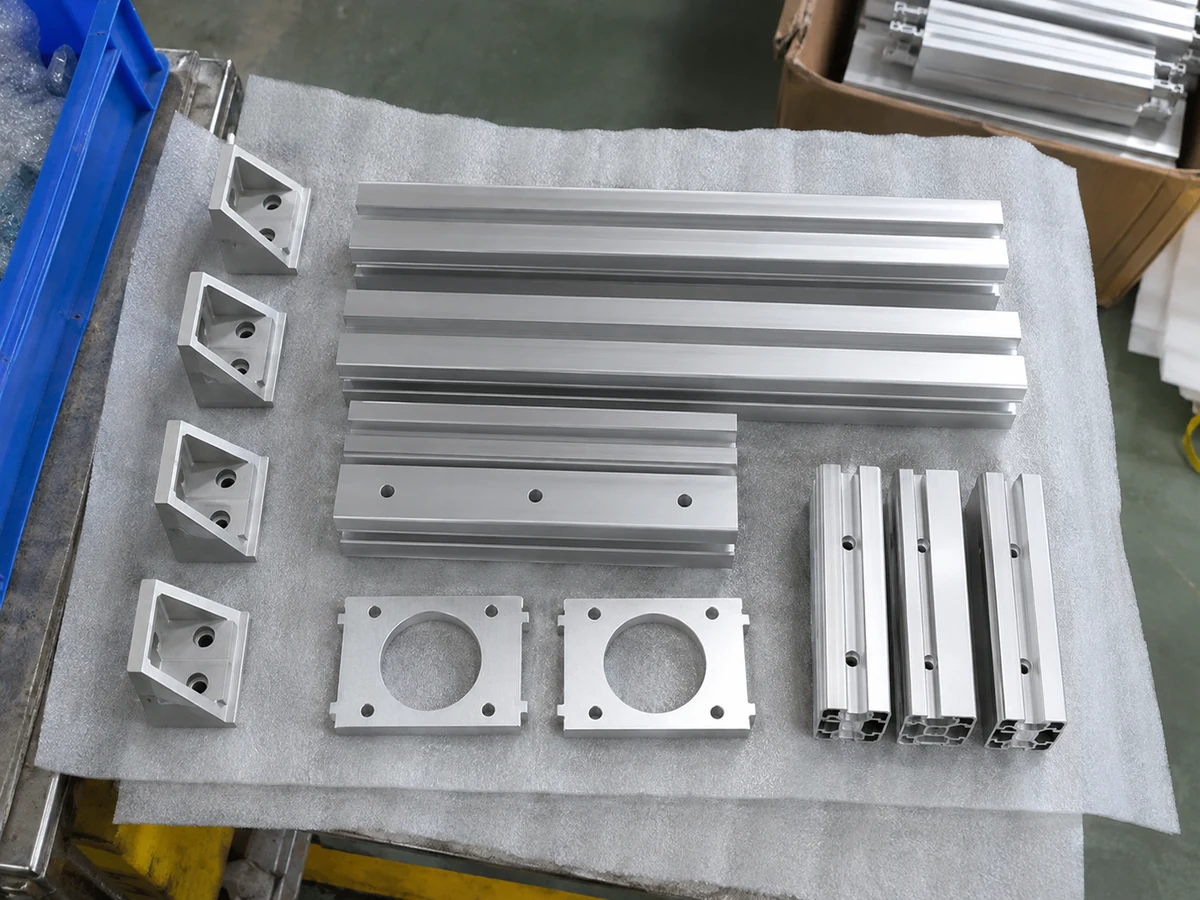
Separate the cut result from later operations
Ask which surfaces and features existed immediately after sawing. A sample may later be deburred, drilled, cleaned, coated, or protected for transport. Those operations can conceal the as-cut edge or add features the saw never made. If the purchase decision depends on as-cut condition, retain at least one clearly marked as-cut specimen alongside any finished reference. Explain any post-cut handling in the manifest.
For a fit check, a prepared piece may be more useful than an untouched saw blank, but call it a prepared piece. Do not use it to claim that the saw produced a hole pattern, finished surface, or assembly-ready condition unless the quoted route actually includes those operations. This distinction also helps the buyer avoid comparing two suppliers on different scopes.
Protect the evidence during packing
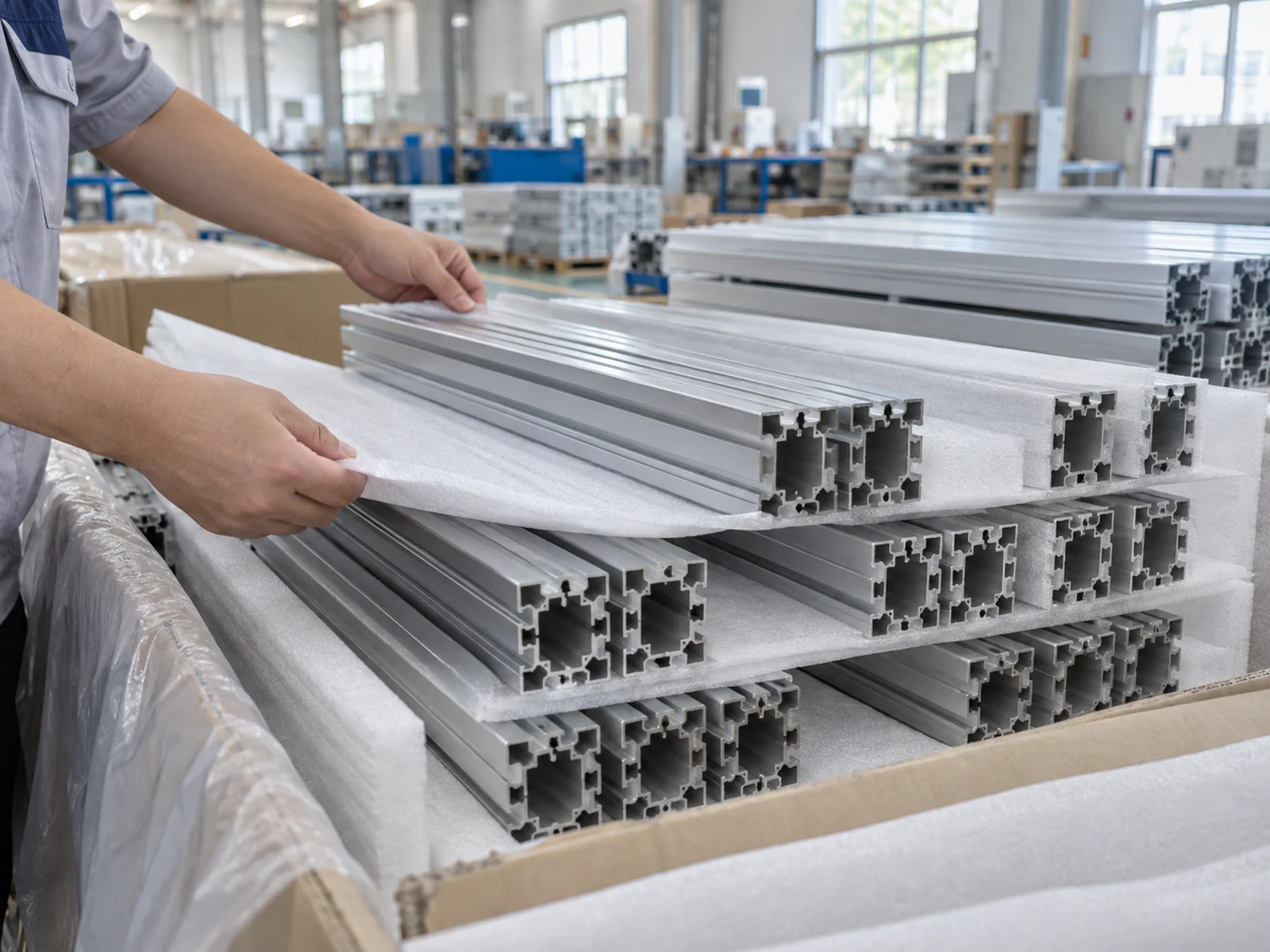
Choose protection for the damage that could change the decision: end-face dents, abrasion on a visible face, rubbing between profiles, moisture exposure, or mixed small pieces. Separate groups so that a carton opened by receiving does not destroy the identity established at the trial bench. The protective method should permit inspection without forcing the buyer to scrape adhesive from a measurement face or cut through a label attached to the only reference piece.
Packaging should match the profile geometry, finish, piece mass, transit route, and the buyer’s handling method; there is no single universal foam or wrap recipe. Industry guidance from the Aluminum Extruders Council on product handling from dock to dock treats transport damage as a supply-chain issue, while Hydro’s interpretation of extrusion specifications shows that packaging and marking requirements need agreement for the actual order. These references provide context; neither verifies this shipment or a Jiurun configuration.
Agree on receiving checks before dispatch
Tell the buyer’s receiving team what to check before the pieces reach the engineering bench. A useful receiving note includes carton count, seal or closure condition if relevant, group codes, expected quantities, visible damage, and the contact for discrepancies. Photograph a damaged pack before repacking or mixing it with accepted samples. Record whether damage appears confined to packaging or reaches a decision surface.
Separate three outcomes. First, the sample arrives with identity and condition intact, so the planned review can proceed. Second, the shipment arrives but a label or record is missing; hold the evaluation until the supplier can restore the link to the trial. Third, damage or mixing makes a critical observation unreliable; request replacement pieces or a repeat trial. A buyer should not silently turn the third outcome into a machine rejection, or a machine acceptance.
Make the review repeatable at the buyer’s bench
Use the same drawing revision and inspection method that were agreed before cutting. Note who inspected each group, when, with what measurement points, and whether the result is from the part as received or after any cleaning or deburring. If the buyer’s method differs from the supplier’s, document the difference and compare a common reference piece before arguing about machine capability. Our guide to aluminum saw acceptance measurements explains why the method belongs in the purchase agreement.
Do not treat a handful of selected pieces as proof of sustained throughput or process capability. A trial shipment can expose questions that deserve a production-rate run, a longer blade-life assessment, or a fixture revision. State those remaining tests in the purchase decision. Likewise, one damaged parcel does not establish the saw’s cut quality.
Turn the sample into a purchasing decision
Close the loop with a short written disposition for each group: accepted for the specific question, conditionally useful with a stated limitation, or unusable for that question. The buyer should identify which observations change the RFQ, which require an additional trial, and which are downstream packaging or handling matters. If an issue needs a hold and release decision on production pieces, use a defined segregation process rather than letting the sample approval act as a blanket authorization; see our cut-part hold and release checklist.
Keep the signed-off sample list, report, images, and revised quotation linked by revision and date. If the supplier changes the blade, clamp arrangement, outfeed handling, or other agreed configuration after the trial, identify whether the previous sample remains representative. A purchasing team can then compare proposals on the same delivered outcome instead of choosing the cleanest-looking parcel.
Video context: equipment footage, not shipment evidence
The following Jiurun Machinery channel video shows general aluminum saw equipment operation. It is an example of the type of cutting process a buyer may discuss. It does not show the material, model configuration, customer, trial samples, packing, receiving checks, or performance described in this article. Verify the proposed machine and sample plan in your own quotation and acceptance procedure.
RFQ checklist for an aluminum saw trial sample shipment
- What exact decision should each sample group support, and what remains outside this trial?
- What drawing revision, stock identity, finish, and post-cut operation apply to each group?
- How do group codes on parts, inner packs, manifests, and reports stay connected?
- Which pieces must remain as-cut, and which may be prepared for fit or appearance review?
- What damage would invalidate an observation, and how should a discrepancy be reported?
- Who receives, inspects, and signs off the results, using which agreed measurement method?
- Which result changes the equipment quotation, and which needs a second trial?
Next step: Send your drawing, stock description, downstream operation, and proposed sample-review question to JiurunCut. Ask for a trial and shipment plan that identifies the parts and records you actually need for a purchase decision. Confirm every machine option and acceptance criterion in the written quotation.