
Filiform corrosion on aluminum is a form of corrosion that develops as thread-like attack beneath a coating. For buyers of coated profiles and panels, the useful question is whether the specified material, treatment and coating system have relevant acceptance evidence.
Start with the complete finish system and intended environment. Then review the cut edges, later operations and test report. A generic claim that a powder or paint is corrosion resistant does not identify the exact combination supplied.
On this page
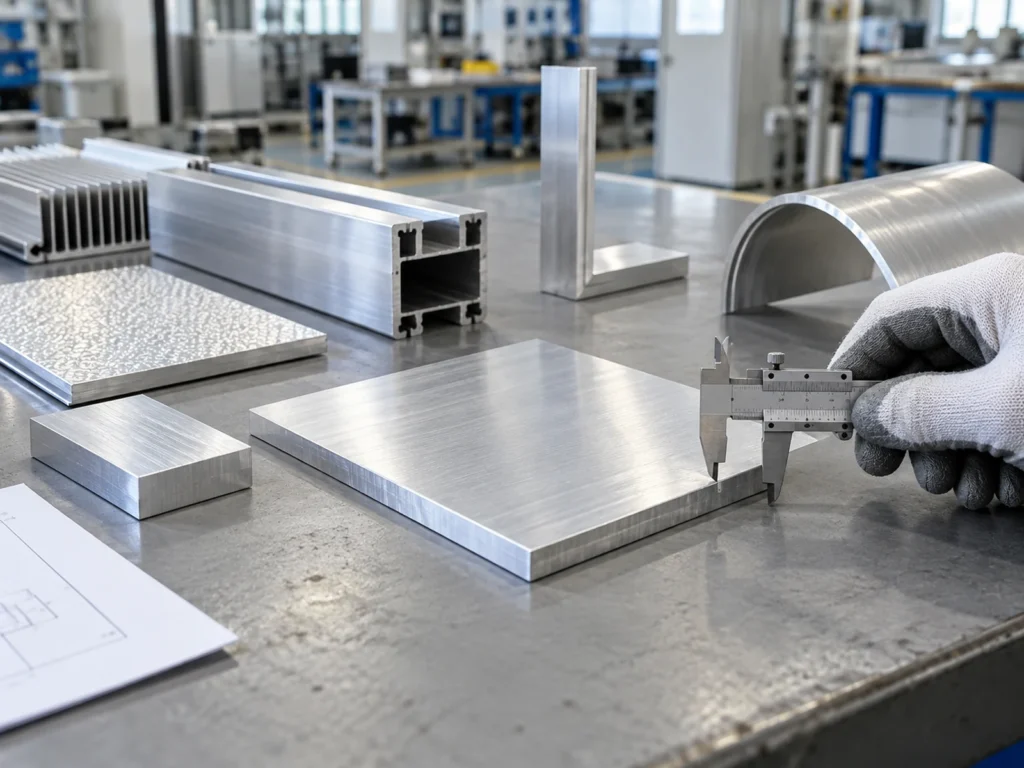
What filiform corrosion on aluminum describes
SINTEF’s marine corrosion report, dated February 2023, describes thread-shaped attack beneath a coating. It identifies exposed metal at cut edges, mechanical damage or film weaknesses as possible starting locations.
The report says filiform corrosion on coated aluminum normally involves a coating defect, chlorides and a humid atmosphere. It discusses the role of the treated substrate and coating behavior in the way attack develops.
Those points explain why the procurement review should include more than a finish color or brand name. The material, preparation, coating and exposure context belong together.
A photograph of a mark may help document a concern, but it does not settle the cause. Ask the finish supplier or qualified laboratory to assess the condition against the actual coating and processing history.
Four checks for the finish inquiry
1. Identify the aluminum and the complete finish system
List the alloy, product form, part drawing and finish specification. Ask the supplier to name the proposed preparation and coating route, including any agreed primer or other layer.
Keep an approved material substitution visible. A report on one substrate should not silently become evidence for a different supplied substrate just because the coating product name is unchanged.
Identify the drawing revision and any significant faces. If a quotation contains several finish options, ask for the scope and evidence associated with each option so the buyer can compare them separately.
2. Describe the intended exposure
Tell the supplier where and how the component will be used. Identify indoor or outdoor exposure and relevant moisture, salt or cleaning conditions. Include the required maintenance or handling assumptions where the project documents define them.
Ask the finish supplier to confirm the coating-system proposal for that application. A short statement such as “outdoor use” may leave important conditions unstated.
Keep unknowns as open questions. If the application environment is still being defined, request an explanation of the assumptions behind the offered system rather than treating the selection as final.
3. Review edges and operations after coating
State whether the profile or panel is cut before coating or supplied as finished stock for later cutting. Identify holes, machining, joining and contact areas that change the final part from the submitted test specimen.
Ask how cut edges and other changed surfaces are addressed in the finish plan. Show their locations on the part drawing and request a clear response from the responsible finish supplier.
Do not assume the color description includes every edge requirement. Keep appearance and protection requirements readable in the order documents, with responsibility assigned for later operations.
4. Agree the test and acceptance scope
Specify the evidence required for approval with the responsible finish specialist. Ask which method, edition, specimen preparation and acceptance criteria apply to the proposed system.
The public scope for ISO 4623-2:2016 describes assessment of paints or varnishes on aluminum against filiform corrosion initiated at a scribe through the coating. It explicitly limits the result to the tested coating and substrate combination.
Use the agreed complete method for the test. The public scope is a starting point for applicability, not a substitute for laboratory instructions or project acceptance requirements.
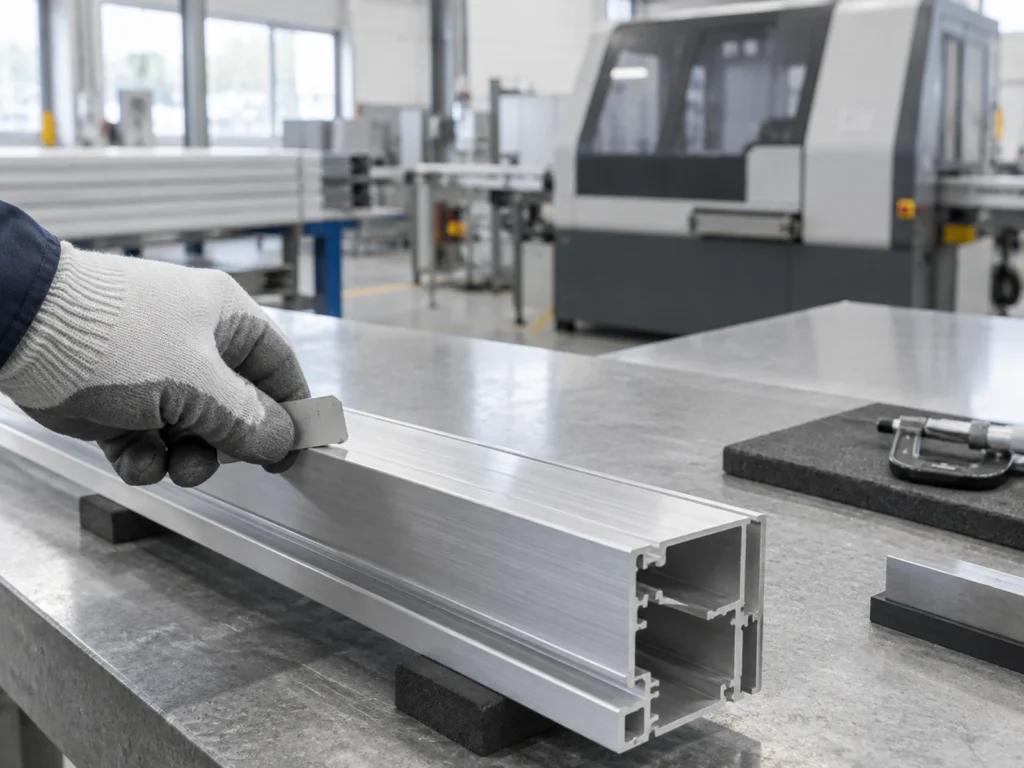
Read the test report with its specimen identity
A useful report should let the buyer follow the result back to the tested finish system. Ask for the specimen material, preparation, coating identity, method and edition, exposure conditions and evaluation basis.
Keep the result and acceptance criterion together. “Pass” should refer to a named requirement. Where a report gives measured attack, confirm what was measured and how the conclusion was reached under the agreed method.
If a report is reused from a prior qualification, ask the supplier to explain its applicability to the current order. Record any differences in material, treatment, coating or supplied part condition.
Use our salt spray testing guide to organize a separate corrosion-test discussion. Keep different test types named separately rather than assuming they establish the same property.
Compare two coating offers on the same basis
Imagine two quotations naming the same color. One identifies the substrate, preparation and test system; the other gives only the topcoat name. This is a hypothetical document comparison, not evidence that either coating has failed.
Send both suppliers the same finish requirements and request the missing scope. The following map makes the differences easier to see before deciding on price.
| Quotation item | Clarification to request |
|---|---|
| Aluminum and coating identity | The material, preparation route and complete proposed finish system. |
| Delivered part condition | The treatment of edges and surfaces changed by later operations. |
| Test evidence | The tested combination, method, result and criterion. |
| Applicability to the order | The basis for linking that evidence to the current supplied parts. |
For related finish discussions, see the conversion coating guide and coating adhesion guide. Keep each requirement within its agreed scope.
Carry the finish plan into the cutting package
The cutting supplier needs the confirmed section, finished dimensions, datums and surface-contact requirements. Name the finishing sequence and identify surfaces that need protection during clamping, feeding or collection.
Agree how parts are identified between cutting and finishing. Keep the drawing revision and batch record with the material so later questions can be traced to the correct order.
Use the cutting before powder coating guide for the operation sequence and the visible surface protection guide for handling questions.
Send JiurunCut the profile drawing and planned finish sequence to discuss cut-part preparation, contact areas and representative samples.
Questions buyers ask
Is filiform corrosion just a scratch?
A scratch is a surface condition. Filiform corrosion describes attack beneath a coating. Document the concern and request assessment of the actual material and finish system.
Can a report on one aluminum substrate approve another?
Do not assume that transfer. Ask the finish supplier to establish the applicability of the tested combination to the current supplied material.
Does a long corrosion test equal a service-life guarantee?
The report establishes results under its stated test conditions. Ask for the separate basis of any service-life or warranty commitment offered for the application.
What should the buyer request first?
The complete finish-system identity and intended exposure, followed by the proposed evidence and acceptance scope for the supplied parts.