
An aluminum conversion coating order needs an exact finish requirement and a marked surface scope. Identify the approved process, functional contact areas, subsequent coatings and required delivery records. Names such as chem film or a product brand do not, on their own, approve the supplied component.
Use four checks before release: the complete requirement, the surfaces it applies to, the production sequence, and the evidence needed for acceptance. Resolve alternatives through the responsible technical review.
Keep three references connected
- The drawing identifies the component and its treatment areas.
- The finish specification identifies the approved process and acceptance requirements.
- The delivery record identifies the actual treated parts and agreed evidence.
On this page
Aluminum conversion coating: identify the complete requirement
Copy the approved finish requirement from the drawing or project specification. Retain its designation, edition and any required type or class. If the drawing identifies a particular product or approved process, keep that reference on the quotation request.
Protocase’s finish FAQ describes chemical conversion coating as a finish used on aluminum parts and enclosures for corrosion resistance while maintaining electrical conductivity. It also identifies chem film among the names used for the process.
These broad descriptions help identify the topic, but a purchasing release needs the actual approved requirement. Do not assume that every product described as chem film has the same qualification, appearance or acceptance scope.
State the purpose that the finish specification serves in your component: for example, a specified treated surface, a defined electrical interface or preparation for a later coating. Have the responsible designer establish the requirement rather than choosing a finish from a broad benefit list.
SurTec’s own 650 product page describes that particular aluminum treatment in relation to low surface resistance, corrosion protection and paint adhesion. Those are product-specific statements. They do not establish that an unnamed supplier’s finished component meets your requirement.
If the supplier proposes a different product or specification, identify it as an alternative. Ask for the necessary technical review before converting the proposal into the accepted purchase description.

2. Map treated surfaces and functional interfaces
Mark which faces receive conversion coating and which receive any later treatment. Include inside surfaces, cut ends, holes, recesses and mating faces where relevant. A drawing view should make the boundaries understandable to the finisher and receiving inspector.
If an area has an electrical contact requirement, identify it on the approved design. State the required final surface condition and acceptance method. A general “conductive finish” note is not a complete description of an assembled electrical connection.
Let the responsible electrical reviewer define bonding or contact requirements. Do not infer grounding performance from a treated-looking surface or prescribe a resistance target without the applicable design requirement.
Where later paint or powder coating has excluded areas, show those areas and their final state. Protocase’s FAQ describes masking as a way to protect selected tolerance or conductivity zones during finishing. The actual masking boundaries and treatment requirements must come from your approved drawing.
Identify threads, bores and locating features that need their specified final condition preserved. Record the dimensional acceptance stage so the supplier knows whether the requirement applies before finishing or to the delivered component.
For connections involving another metal, use the separate galvanic-corrosion joint review to identify the complete interface. A finish description on one member does not approve every bracket, fastener and exposure condition in the assembly.
3. Define preparation and the final production state
List the operations before and after conversion coating. Identify cutting, machining, specified surface preparation, coating, later painting, markings and assembly. Keep each supplier’s delivery stage visible.
Protocase notes that conversion coating does not hide existing scratches or blemishes on unfinished aluminum. Specify the required incoming and final appearance instead of treating the finish as a way to conceal an unresolved surface defect.
If a cosmetic preparation is included, identify the approved process and sample reference. The separate bead-blasting purchasing guide provides fields for discussing visible surfaces and functional features. Do not assume that every conversion-coating order requires that preparation.
Clarify the treatment of new cut ends and features created after finishing. If machining follows a treated-stock delivery, ask the responsible finisher and designer to define the approved route for those new surfaces. Do not improvise a repair method from a general finish guide.
For a component that receives powder coating later, specify the final painted areas and remaining treatment areas. Refer the combined finish requirements to the responsible reviewer. An intermediate sample and a fully finished delivery describe different stages.
4. Match process evidence to the delivered parts
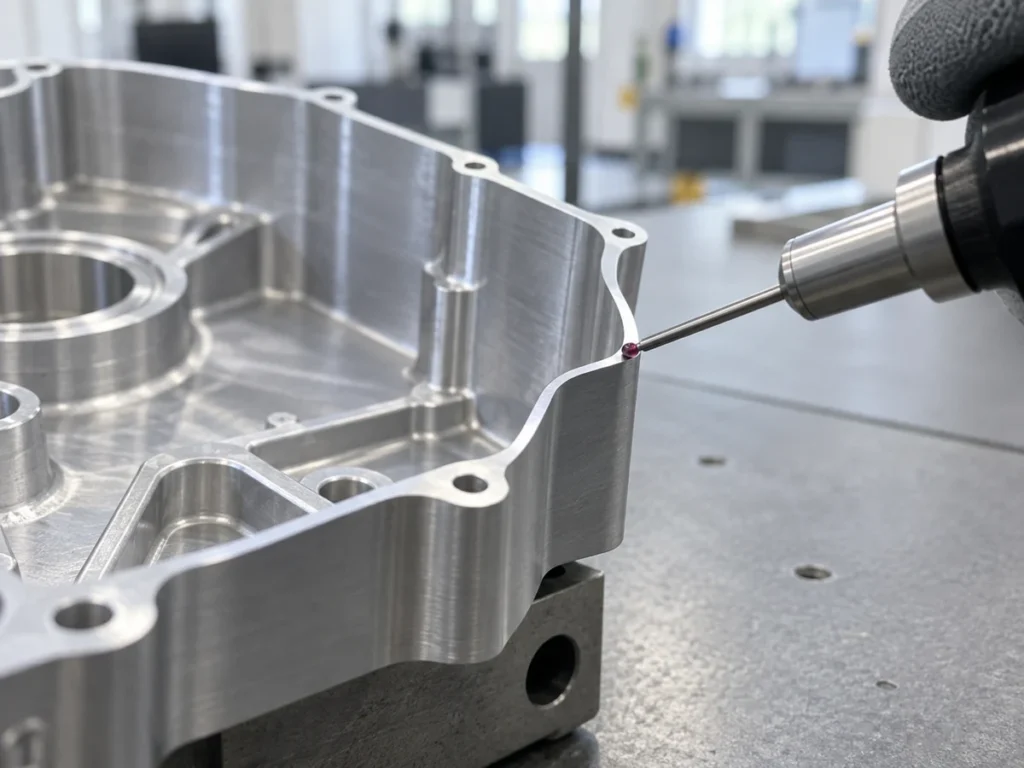
Ask which records the supplier will provide for the agreed requirement. Identify the component part number, drawing revision, material description, quantity or lot reference and finish requirement on the relevant delivery documentation.
Distinguish a product data sheet from evidence for the applicator or the treated batch. A data sheet describes the coating product. A process qualification addresses a defined approval scope. A batch record identifies the actual production delivery. Keep their purposes separate.
SurTec describes an applicator-qualification process for specific requirements on its 650 page. This illustrates why the coating product name and the suitability of the applicator are related but separate purchasing questions.
If the order requires an approved applicator, request evidence for the relevant process, site and scope. Have the authorized reviewer accept it. Do not describe JiurunCut or another supplier as qualified merely because it can discuss a named treatment.
When testing is required, reference the agreed method and acceptance criteria. The guide to salt-spray report checks explains the documentation needed for that particular test. A report must support the defined claim, not a promised service life inferred from exposure hours.
| Evidence category | Question for acceptance |
|---|---|
| Coating product | Which specified product or approved alternative is included? |
| Applicator scope | Is any required process and site approval documented? |
| Production delivery | Which part, revision and batch do the records identify? |
| Acceptance record | Which agreed checks and criteria support release? |
Fields to add to the RFQ
Put the finish information in a short, controlled purchase section. It should identify the component drawing, substrate requirement, exact treatment, marked surface scope and delivered state. Add the required qualification and inspection records when applicable.
Editable RFQ field: “Component [part/revision]. Material [approved requirement]. Conversion coating [specified process/reference]. Surface areas [marked drawing view]. Later coatings or excluded areas [approved requirement]. Delivery evidence [agreed records].”
Replace every bracketed field with a real reference or identify it as open. This is an intake template, not a universal specification, compliance statement or chemical-processing instruction.
Where a supplier’s offer is incomplete, ask for the missing scope. Do not read a generic coating line as acceptance of unlisted electrical, appearance or corrosion requirements.
Review a proposed finish alternative
A supplier may propose another available product or a different operation sequence. Request the exact proposed reference and an explanation of the affected requirements. Keep the proposal separate from the currently approved route until the responsible review is complete.
Check the final surfaces and acceptance evidence again when the route changes. A similar visual appearance or a broadly similar product description does not establish equivalent qualification for the component.
Use a controlled revision or recorded approval for the accepted change. Receiving and assembly teams should be able to identify which requirement applies to the delivered parts without relying on an informal conversation.

Prepare the cutting handover
Send the profile or blank drawing, cut lengths, quantities and material requirement. Mark faces that need protection during handling and specify whether coating is planned before or after cutting.
Identify the next production stage and its approved end-surface requirements. A supplier delivering cut blanks should receive the information needed for that handover, with later finishing and final acceptance assigned explicitly.
Send JiurunCut your drawing and blank-cutting requirements with the approved finish sequence. Keep conversion-coating qualification, testing and electrical-interface approval within their agreed technical scope.
Buyer questions
Does “chem film” fully specify an aluminum conversion coating?
It identifies a broad finish description. The order still needs the approved process reference, treated areas, final condition and acceptance requirements.
Does the product data sheet certify my delivered parts?
No. Request the agreed applicator and production records, along with any required inspection or test evidence for the actual delivery.
Can surface color prove electrical performance?
Use the design’s specified acceptance method. Appearance alone does not establish an electrical interface or its assembled performance.
Will the coating hide surface damage?
Define and review the required incoming surface and final appearance. Do not rely on conversion coating to conceal an unaccepted scratch or blemish.