
A supplier holiday shutdown can turn a routine outsourced aluminum cut-part order into a shortage even when the purchase order says “on time.” The buyer needs three different confirmations: what quantity will be accepted before the closure, what usable cover will remain available during it, and when a first accepted post-restart lot can actually arrive. A quoted reopening date alone answers none of those questions.
This guide is for a buyer who already has an approved cut-part drawing and is choosing how to release work to an outside cutting supplier. It is a planning framework, not a claim about a particular supplier’s calendar, inventory, machine output or delivery promise. Agree the dates and evidence for the actual part family, revision and receiving site in writing.
Put the supplier holiday shutdown on four calendars
Ask the supplier for its final order acceptance time, final production and inspection window, final dispatch or collection window, and first date on which a new lot can be cut and released after reopening. Ask the carrier and your own warehouse for their last and first working receipts too. These are separate events. A part cut on the last factory day may still be uninspected, uncollected or unable to enter your warehouse before your production needs it.
Work backward from the date the accepted parts must be at the point of use. Reserve time for inspection, packing, transport, receiving and any internal release. Do not count every calendar day as a working day. SAP’s planning calendar guidance distinguishes working from nonworking periods; its scheduling guidance also separates goods issue, transport and goods receipt. Those are useful planning concepts, not evidence that this supplier operates an SAP system.
Request a dated timeline showing the owner of each handoff. If the supplier calls Friday the “last shipping day,” ask whether that means packing completed, goods released, carrier collected or a vehicle merely booked. If your receiving dock closes earlier, the commercial delivery date needs a different agreement. The purchase order should name the receiving event that counts.
Calculate cover from accepted parts, not from a vague stock total
For each drawing revision and cut length, list usable on-hand quantity, expected demand until the first dependable post-restart receipt, and a separately agreed contingency allowance. Subtract only quantity already accepted for that exact item and available at the right location. Keep unfinished supplier work, raw bar stock, parts awaiting inspection and parts in transit on separate lines. Each can fail at a different gate.
A working cover calculation is: required accepted cover = committed use before the next accepted receipt + agreed contingency − already released usable stock. This is a decision worksheet, not a universal inventory formula. The buyer must choose the demand period and contingency using its own production plan. If the result is below zero, do not automatically order more. Check whether existing stock is the correct revision, length, finish, count unit and storage location.
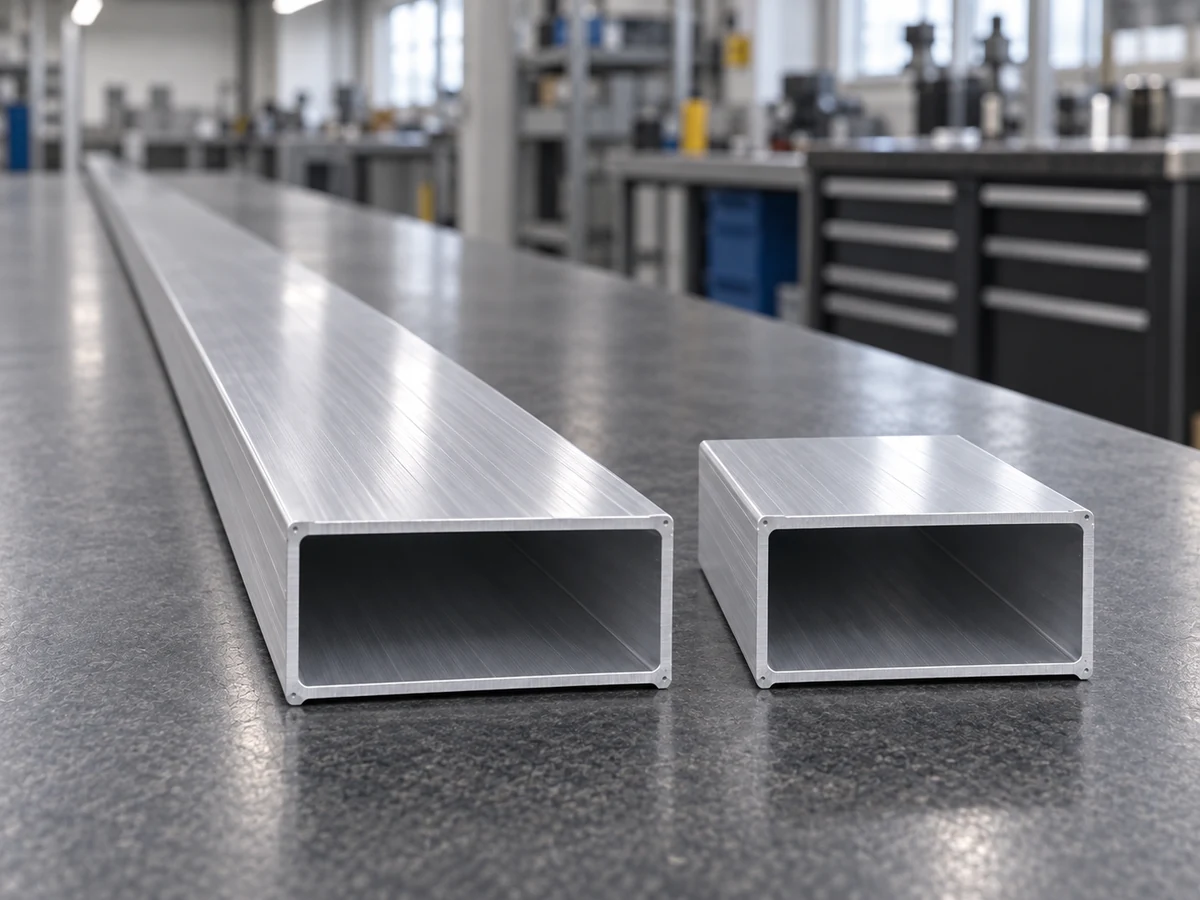
Make the unit explicit. A supplier’s “500 pieces in stock” may refer to mixed lengths, a previous drawing revision or uninspected output. Ask for the count by item code, revision, length, batch and accepted status. A bar-length total should not be silently converted into finished-piece coverage: kerf, end loss, defects and the approved cut plan can change the yield. If you need a standing arrangement rather than a one-off release, compare the boundary in our aluminum extrusion call-off order guide.
Fix the last accepted release before the factory closes
Send one controlled release that identifies the part number, drawing revision, material and section, cut length and acceptance criteria, quantity, delivery location, packing or label requirements, and the date by which a completed lot must pass inspection. Ask the supplier to confirm the actual stock available, the cutting slot, the inspection owner and the carrier handoff. A forecast or informal slot hold is not the same as a firm order; see our capacity reservation guide for that distinction.
Where a final lot is essential, agree what evidence travels with it: an accepted quantity record, revision identification, any required inspection results, package count and dispatch reference. Keep rejected pieces out of the cover figure. If an issue is found on the last working day, name who can approve a replacement, concession or revised release; do not let a packing label become an unreviewed quality approval.
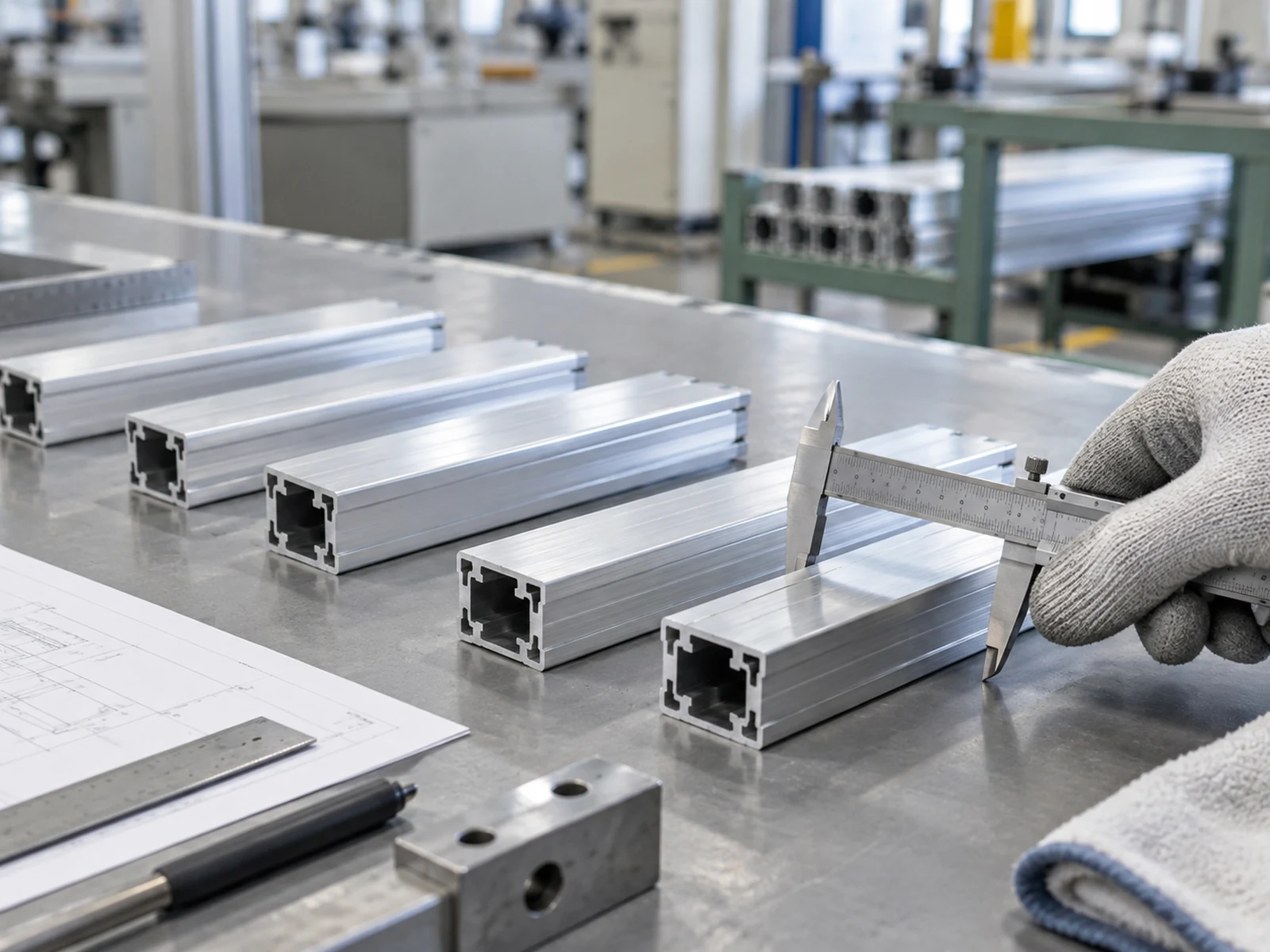
Confirm who takes responsibility if the last shipment is split. A partial shipment can help only when its accepted quantity, freight, lot identity and remaining balance are visible to both parties. Our partial-shipment checklist covers the release decision; it does not replace the shutdown-specific calendar and cover calculation here.
Decide where the cover stock will sit and who may release it
There are several possible arrangements. The buyer may receive the accepted parts before closing; the supplier may hold identified finished parts for later call-off; or a qualified alternate route may supply a shortfall. Compare them using the same drawing revision, inspection gate, release authority, storage exposure, freight and total cost. A supplier-held quantity is useful only if it is identified, accessible during the closure if needed, and protected from allocation to another customer.
Write down title and payment terms separately from physical location. “At the supplier” does not tell you who owns the stock or when the invoice is due. If you are considering supplier-owned goods at your site, our consignment-stock guide explains that separate choice. Do not use the word “consignment” for any ordinary stock hold without an agreement.
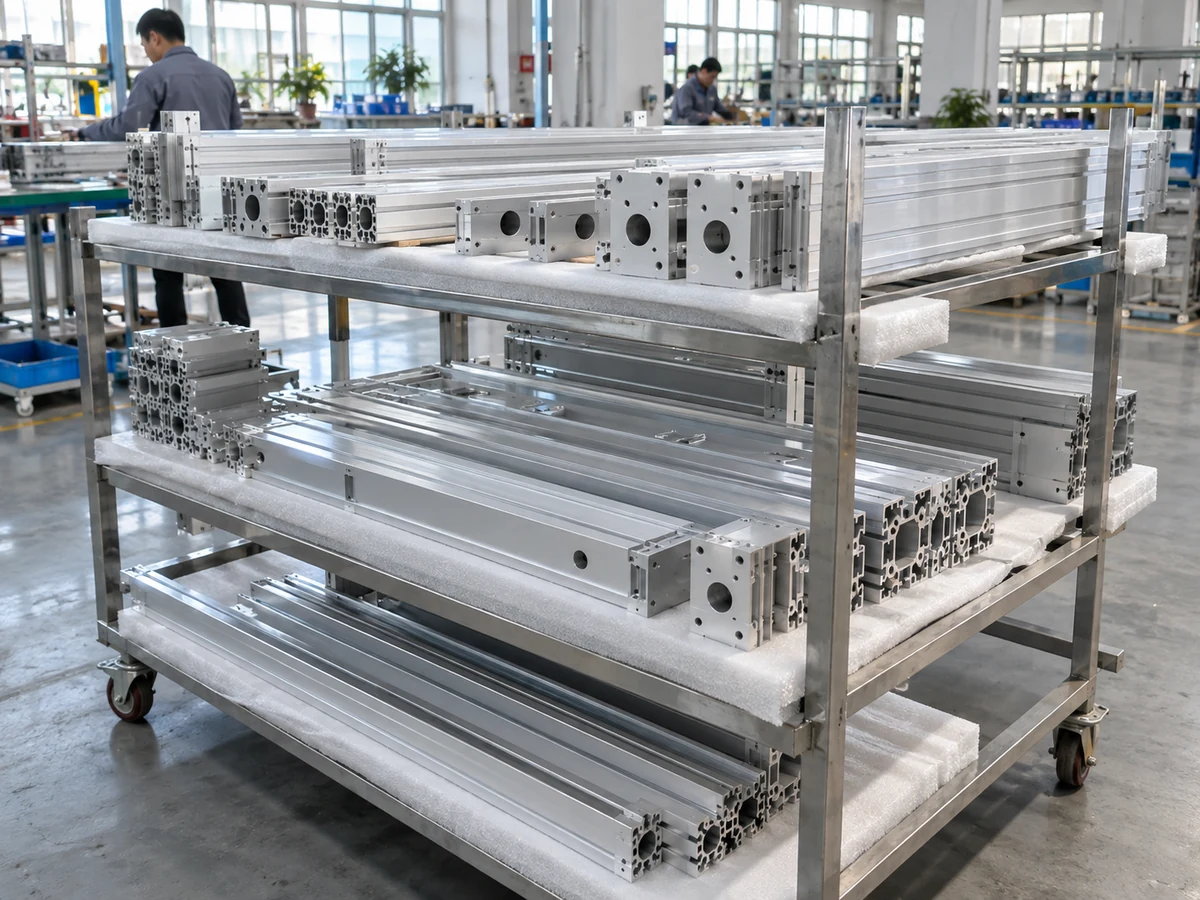
Ask for a stock statement dated close to the last dispatch. It should reconcile beginning accepted stock, new accepted output, released shipments, rejected or reworked quantity and the remaining identified balance. Keep this statement as a snapshot; movements after it need their own record. When the physical count differs from the order, resolve the exception before relying on that balance for the closure.
Make restart a first accepted receipt, not a reopening date
A supplier can reopen yet still need to receive material, set up a machine, run a first lot, inspect it, pack it and find transport. Ask for a restart confirmation that states available stock, the first firm cutting slot, the first-lot inspection plan, dispatch date and your receiving date. Treat the first post-holiday lot as a new release gate, especially where a revision changed or a process was idle. Do not assume the pre-closure count or acceptance record automatically applies to it.
Define the escalation path before closing: named contact, response method during the closure, trigger for a shortage warning, and who may authorize an alternate source, substitute material or changed delivery. Those substitutions require their own engineering and purchasing approval; they are not automatic fixes. If a confirmed order becomes late, use a separate late-delivery recovery review rather than changing a date in the purchase order without evidence.
A purchase decision table to send the supplier
| Question | Evidence to request | Buyer decision |
|---|---|---|
| What closes, and when? | Order cut-off, final inspection, carrier collection and first restart dates | Set the last feasible accepted receipt |
| What cover exists? | Item/revision-specific accepted count and storage location | Release only the uncovered quantity |
| What is the last lot? | Firm release, inspection record, package count and dispatch reference | Accept or escalate before closure |
| What happens after restart? | First slot, first-lot inspection, dispatch and receiving confirmation | Set a dependable next receipt, with a contingency |
The table separates the four commitments that are often collapsed into “the supplier will be back next week.” Record the answer for each item family. If the evidence is missing, classify the quantity as uncertain rather than silently counting it as cover.
Equipment footage: a general cutting example
The following Jiurun Machinery video shows general aluminum saw equipment footage. It is included to illustrate the type of cutting station involved in such a supply chain. It does not demonstrate this article’s material, part drawing, holiday plan, supplier, customer, machine configuration, trial result, accuracy or throughput.
What to put in the request for quotation
Ask each supplier to quote the same approved part list and explicitly state: the final accepted pre-closure quantity by revision; where it will be held; whether it is buyer-owned or supplier-owned; the release and payment trigger; the latest collection and receiving dates; the first accepted post-restart receipt; and the treatment of inspection failures or freight changes. Compare the total arrangement, not a unit cutting price isolated from the buffer, storage and recovery obligations.
JiurunCut manufactures aluminum cutting equipment. If your decision is whether to bring a repeatable cut-part job in house, send the profile and finished-part drawings, batch mix, required output and acceptance criteria for a machine discussion. We can review the machine selection question; the outside supplier’s actual holiday stock and delivery commitments must still be verified with that supplier.