
Outsourced aluminum cut-part consignment stock can shorten the wait between a production call-off and usable parts, but only if the buyer and cutting supplier agree what physical receipt, ownership transfer, and consumption each mean. A pallet at your plant is not automatically purchased inventory. A part released to a work order is not automatically the same event as a quality acceptance or an invoice. This guide helps procurement, production, and finance design one traceable process before asking a supplier to hold pre-cut aluminum parts at the buyer’s site.
Here, consignment means supplier-owned cut parts physically held by the buyer under an agreed arrangement until a defined transfer event. It is a possible contract structure, not a claim that Jiurun provides a consignment service. Microsoft describes vendor-owned inventory stored at the buyer site and an ownership change before consumption in its consignment process example. Oracle likewise distinguishes possession from property under a mutual agreement in its consigned inventory overview. Their software workflows are useful models; your contract and accounting implementation must define the actual trigger.
When does outsourced aluminum cut-part consignment stock help?
Consider it when a stable, approved part is called off repeatedly, the buyer needs short response time, and the supplier can replenish a predictable range of lengths or drawings. The arrangement is harder when drawings change often, volume is sporadic, a surface finish is vulnerable in storage, or the buyer cannot reliably identify which lot and revision a picker consumed. First compare it with supplier-held stock, an ordinary buyer-owned safety buffer, and a blanket order. Those answer different questions: where the parts sit, how much is planned, who owns them, and who can authorize a release.
A consignment arrangement does not remove the cutting decision. Specify the extrusion profile, alloy and temper where relevant, finish, drawing revision, cut length and tolerance, end condition, burr and handling requirements, and inspection method in the purchasing package. Treat a supplier’s machine model or claimed feed repeatability as separate from acceptance of a finished part. If the final fit depends on assembly features, agree how a sample or first article will be checked before a larger stock position is built.
Separate receipt, title, use, and payment
Write four events on one page before discussing price. Physical receipt establishes quantity and condition at the buyer site. Quality disposition determines whether a batch is available, held, or rejected. Ownership transfer changes whose asset the accepted units are. Consumption or sale records the units actually issued to production or otherwise sold under the agreement. These events may occur on different dates; the contract should state whether title passes at a pick, scan, issue, scheduled consumption report, or another unambiguous event. Do not assume that unloading, counting, or quality acceptance alone is the payment trigger.
For example, a hypothetical lot of 100 accepted cut parts might be physically in a buyer bin while still recorded as supplier-owned. If 25 are later issued to an authorized work order, the shared record must show which 25 changed status and what remains. The numbers illustrate ledger logic only. They are not Jiurun throughput, yield, delivery, or customer data.
Ask finance to approve the transaction and invoice flow before stock arrives. Microsoft describes separate physical receipt and ownership-change records in its system example; Oracle describes an agreed consumption advice that can initiate settlement. Your ERP may use different document names. The test is whether both parties can reconcile the same item, revision, lot, quantity, unit price, tax treatment, and effective transfer date without relying on an informal spreadsheet.
Design a bin and ledger that prevent silent mixing
Separate consigned cut parts from buyer-owned parts and from the supplier’s other work in a way a picker can recognize. A useful label identifies the owner, part number, drawing revision, lot, quantity, unit of measure, receipt date, disposition, and location. A scan or signed issue record should link the removed quantity to a work order or other authorized use. Decide who can correct a count and how both parties receive the adjustment. A monthly stock balance without event-level movement can hide a revision mix or an unrecorded issue.

Define the count cycle and discrepancy rule. If the buyer finds fewer pieces than the supplier’s record shows, who investigates, which transaction is frozen, and when is the balance corrected? If a carton is damaged before use, distinguish a transport claim from damage during buyer storage. Consignment moves inventory exposure; it does not make handling, insurance, or shrinkage responsibility disappear. The parties should agree those allocations in the commercial terms rather than infer them from warehouse possession.
Control revision changes and slow-moving inventory
The biggest hidden cost may be an obsolete cut-part batch. Before any engineering change, establish a stop point for old-revision cutting, a way to quarantine stock already delivered, and an approval path for rework, return, or disposal. Price the responsibility for unusable units and for stock above the agreed ceiling. State whether the supplier can replenish automatically or only after a confirmed release. Set minimum and maximum quantities based on actual demand and replenishment lead time, then review them as consumption changes.
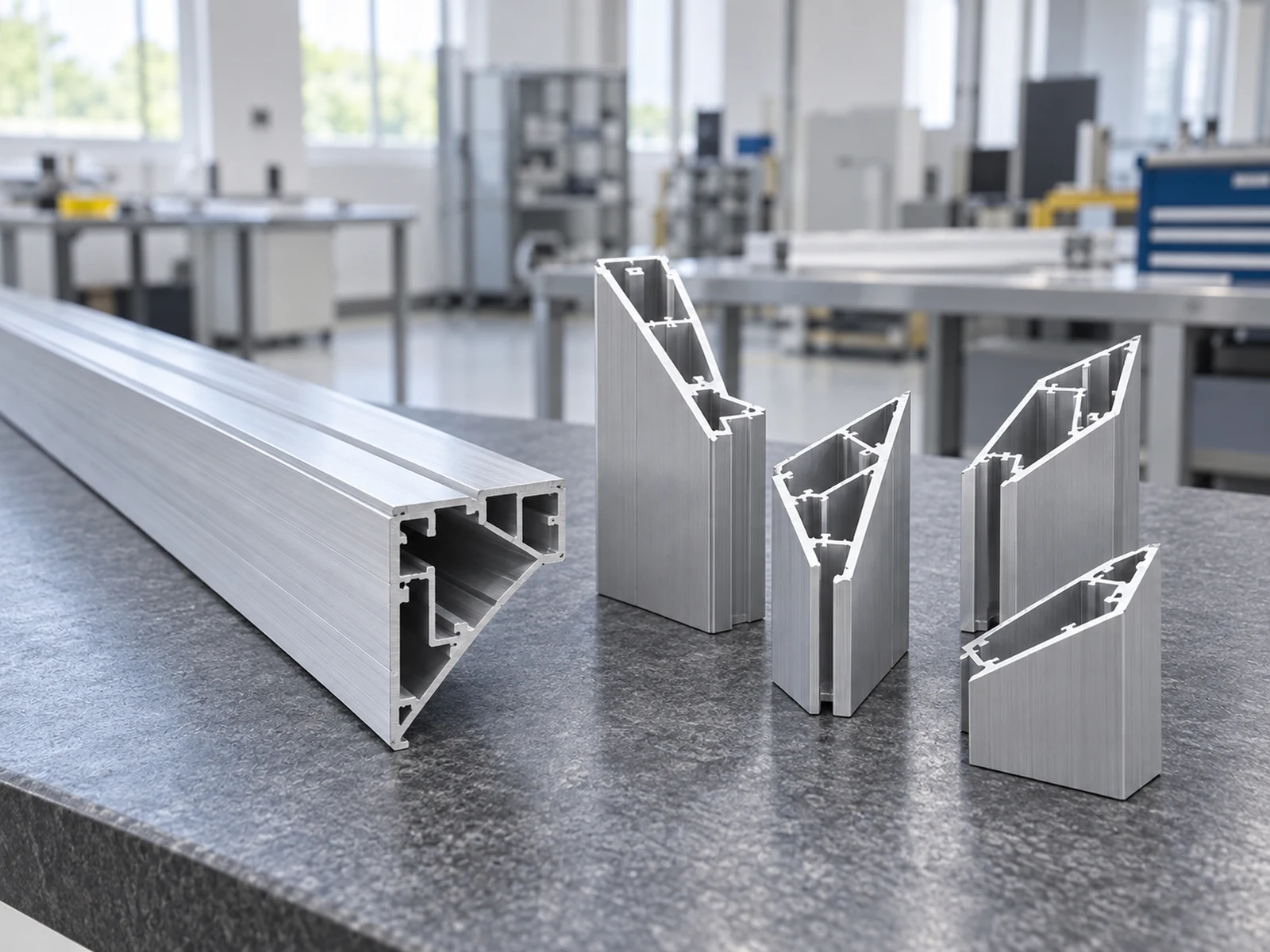
For a custom corner member, the drawing can change the cut orientation even when the extrusion family looks similar. The receiving record should identify the specific geometry and revision, not just a broad label such as “aluminum frame part.” Keep sample approval, serial or lot traceability when needed, and finished-part acceptance criteria distinct from the stock ownership ledger.
Compare the alternatives before signing
Supplier-held stock keeps the material or parts with the supplier until call-off; it may avoid buyer-site storage but adds shipment time. Buyer-owned safety stock gives the buyer direct inventory control while bringing the carrying cost onto its books. A blanket order can set a commercial ceiling without deciding where inventory sits or when it changes hands. A safety-stock policy sets a replenishment buffer, but a buffer can be supplier-owned or buyer-owned. A rule for overdelivery still matters if an arriving lot exceeds its authorization. Write each decision separately.
Request a quote that breaks out cutting price, stocking or handling fee, inbound and outbound freight, packaging, count effort, insurance, inventory financing if any, obsolete-stock treatment, and the point at which ownership and payment move. Compare the complete cost and failure modes with buying a saw and cutting the parts in-house. The in-house option can give direct control over the release and physical stock, but it also requires validated process capability, labor, tooling, inspection, and maintenance. Do not infer finished-part accuracy from a feeder specification.
A practical supplier-buyer agreement checklist
- Part definition: approved drawing and revision, extrusion identity, quantity unit, cut and end requirements, inspection and packaging.
- Planning: forecast versus binding release, minimum and maximum stock, replenishment lead time, and who may authorize new cuts.
- Receipt: location, owner label, lot identification, count, damage record, acceptance and quarantine procedure.
- Transfer: precise ownership event, authorized user, timestamp, supporting transaction, and treatment of returns or reversals.
- Reconciliation: shared on-hand balance, count frequency, discrepancy and shrinkage process, consumption advice, invoice and price reference.
- Change control: revision freeze, old-stock exposure, rework or scrap approval, termination and final stock disposition.
Run one controlled pilot before building a large stock position. Choose a stable item, define a small agreed ceiling, reconcile the receipt and first issue, and confirm that the supplier and buyer produce the same remaining balance. Review the records with production and finance. If the documents disagree, repair the process before expanding the arrangement.
What the equipment video does and does not show
The following video from the Jiurun Machinery YouTube channel shows general cutting-equipment footage. It is a visual example of the type of process that can create aluminum cut parts; it does not show a consignment lot, the materials or corner profiles pictured above, a specified machine configuration, a customer, a trial cut, a measured tolerance, or any commercial performance of the arrangement.
If your team is comparing outsourced pre-cut stock with its own cutting cell, send Jiurun the actual profile drawing, material and finish requirements, target cut lengths, expected release pattern, and inspection criteria. We can discuss machine suitability for an in-house cutting workflow; any consignment arrangement with a cutting supplier must be agreed and verified separately.