
Aluminum saw jam clearance deserves a place in the RFQ before a machine is ordered. A saw can meet the advertised stock size and still leave an awkward question unanswered: when a profile, cut piece or chip flow stops where it should not, who can identify the location, make the equipment safe, reach the obstruction and return the job to a known state? The purchasing decision is about the design and the handover evidence. It is not a request for an operator to reach through a guard or improvise a release.
Start with the actual incoming sections, shortest accepted piece, cutting sequence and planned material flow. The buyer should ask suppliers to mark credible blockage points on the proposed layout, then explain the protected access and energy-control arrangements for each point. A normal running video or a cycle-time quotation cannot answer those questions.
Why aluminum saw jam clearance belongs in the specification
Some stoppages are upstream: a long or bowed profile may not enter or advance as intended. Others occur around the clamp, blade enclosure, scrap route or transfer to the outfeed. The physical location matters because the people, guards, stored energy and restart state differ. Avoid one vague line such as “easy maintenance access.” Ask for a location-by-location response tied to the offered configuration and the buyer’s stock envelope.
The UK Health and Safety Executive advises buyers to consider whether machinery is safe for work while clearing blockages as well as during normal use. In the United States, OSHA’s hazardous-energy standard expressly includes unjamming among servicing and maintenance activities where unexpected energization or stored energy can expose a worker. These are jurisdiction-specific references, not a certification of any machine shown here. The buyer’s safety team must apply the rules and procedures for its own site. HSE machinery selection guidance; OSHA 29 CFR 1910.147.

Map the obstruction before discussing the remedy
Give the supplier a small set of realistic “where could it stop?” cases, based on approved production work rather than hypothetical maximum capacity. Include a profile that presents awkwardly to the guide, the smallest retained cut piece, a rejected piece, a short remnant and the expected chip or scrap route. For each, ask where the piece would be visible, whether access is possible without entering a hazardous zone and which role is authorized to assess it. If a case cannot occur in the proposed design, ask the supplier to show why instead of leaving the row blank.
| Area to review | Evidence to request in the offer | Open buyer decision |
|---|---|---|
| Infeed and stock support | Layout showing guides, support contact, feed limit and a stopped-material access point | Can the approved stock mix be identified and recovered without forcing a profile through? |
| Clamp and cutting enclosure | Guard drawings, access boundary and the machine-specific safe-service method | Who may inspect and clear a trapped section after hazardous energy is controlled? |
| Short-piece and scrap path | Minimum retained piece, reject routing and collection or transfer details | Where can a rejected or loose piece stop, and how is it accounted for? |
| Outfeed and downstream handoff | Receiving support, sensors, part-transfer layout and interface responsibilities | Does a downstream stop leave a cut piece or stock in an ambiguous position? |
The table is an RFQ conversation aid, not a claim that every saw has each device or passage. A compact standalone station and an integrated line may need different rows. The related incoming-stock envelope guide helps define which sections should be tested before these blockage cases are considered.
Ask how the design keeps access and energy control separate
Request drawings or a supervised walk-through of the actual offered guard openings, service panels, isolation points and any stored-energy sources. Do not infer that pressing a stop button removes all hazardous energy. A cutting cell can have several driven and stored-energy elements; their real arrangement must be documented by the supplier and assessed by qualified site personnel. Ask whether a blockage can be diagnosed from a protected position before any guard is opened, and whether service access requires moving stock or another machine component.
For the contract, name the owner of the machine-specific isolation information, the person who approves the site procedure, and the training deliverable. The seller should not simply promise that an operator can “clear jams quickly.” OSHA’s saw guarding guidance emphasizes guarding and an effective lockout/tagout program when working around machinery. The exact legal duties depend on location and use. OSHA machine-guarding guidance for saws.

Separate fault diagnosis from physical clearance
An aluminum saw jam clearance proposal distinguishes four events: detection, decision to stop, controlled physical work and release back to production. Ask what the display records when material movement is interrupted, whether the machine identifies a location or merely reports a generic fault, and how the current program and stock identity are retained. The response should say what an operator may do from the normal control position and what requires authorized service personnel under the site’s energy-control procedure.
Do not accept a demonstration in which a person reaches into a moving or energized area to make the sale. A supplier can explain protected diagnostics on a stopped machine and provide documents for service activity without staging an unsafe intervention. HSE warns that rushing to clear a blockage before machinery stops creates trapping hazards; the procurement test should reward a clear safe-state design, not a dramatic recovery video. HSE blockage and trapping guidance.
Define the restart state, not just the fault reset
After a blockage has been dealt with by authorized personnel, the production question remains: which stock length, cut piece and program are now valid? Ask the supplier to describe the normal restart checks for the offered machine and what is displayed or recorded when the cycle is resumed. The buyer should decide whether a partly cut or unidentified piece is quarantined, remeasured or scrapped under its own quality system. None of those dispositions can be inferred from a reset button.
Keep this distinct from a utility outage. The power-loss recovery guide covers the interrupted-job state after lost power; a jam-clearance review concerns the physical obstruction and access needed to resolve it. Both cases need a known handover before release. A change to control logic or tooling made during repair also belongs under the documented program-change approval process.
Compare suppliers with a witnessed, non-energized scenario
Choose representative stock and an agreed simulated stopped condition before factory acceptance. Ask the supplier to point out the guarded access, isolation documentation, possible trapped piece, authorized roles and restart information. Record which assertions are shown on the offered machine, which are only drawings, and which remain a site procedure to be completed after installation. Do not introduce a live jam for the sake of a trial. Agree in advance what a pass means and who signs the result.
At site acceptance, revisit the interfaces that the factory could not prove: available floor access, installed support, the actual collection system, adjacent equipment, site isolation labels, and the downstream receiver. Compare the as-installed arrangement with the supplier’s drawings. Our factory-versus-site acceptance guide gives a broader framework for dividing those checks.
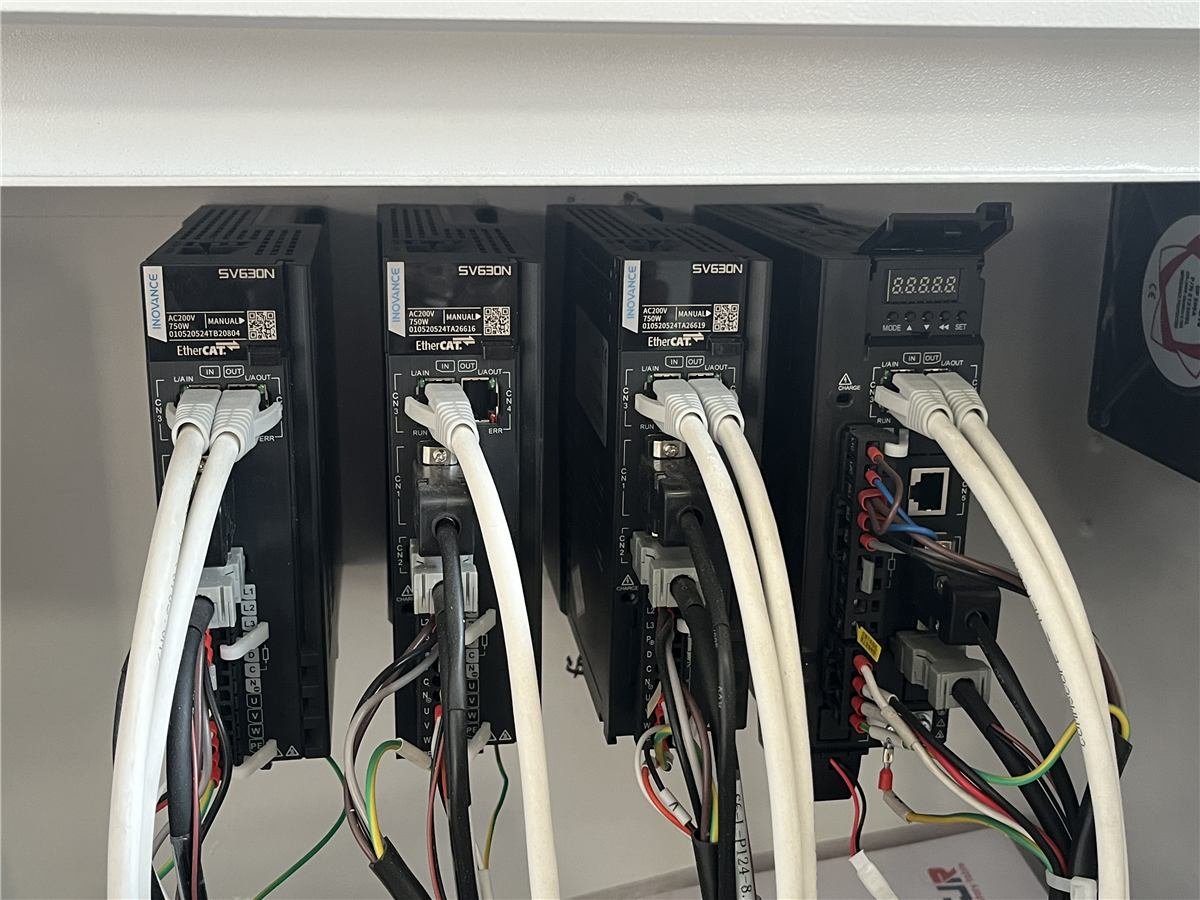
Include the cost of a safe recovery route
Compare quoted machines on more than cycle time. A blocked path can consume time for identification, authorized access, removal under the site’s procedure, inspection of affected parts and release back to production. That is a planning model, not a promised downtime figure. Ask suppliers for the service access included in the price, replacement guard or sensor availability, documentation language, training scope and who supplies any special handling or lifting device. If one offer excludes downstream transfer or chip collection, compare the full cell boundary before calling it cheaper.
Also identify who owns modifications after installation. Moving a receiving table, changing a guard or adding a conveyor may change the access and energy-control assumptions documented at purchase. Put change review and updated instructions into the commercial handover instead of relying on an informal workaround.
Nine RFQ questions to send with the stock list
- Which approved stock and cut-piece cases could plausibly stop at each feed, clamp, cutting, scrap and outfeed location?
- What does the offered control system show when movement is interrupted, and what information is retained?
- Which access points can be inspected from a protected position, and which require authorized service work?
- Where are the relevant hazardous-energy isolation points and stored-energy sources documented for the offered configuration?
- Which tasks belong to the normal operator, a trained technician and the buyer’s site safety procedure?
- How are an unidentified stock length, partly cut piece and loose scrap dispositioned before restart?
- Which stopped-condition explanation can be witnessed at the factory without deliberately creating a live obstruction?
- Which installed interfaces must be checked again at site acceptance?
- What drawings, instructions, training and replacement-part information will be delivered with the machine?
Ask suppliers to answer against the same named stock cases and site boundary. A useful offer identifies exclusions and unresolved assumptions rather than claiming every stoppage is easy to clear.
Related equipment footage
The following Jiurun Machinery channel video shows general cutting equipment and machine-side handling. It is an equipment example only. It does not demonstrate the material, model configuration, customer, jam event, recovery procedure, trial result or performance described in this article.
What to decide before placing the order
Approve the stock and part scenarios, mark likely blockage positions on the proposed layout, assign the energy-control and service-document owners, and state the factory and site acceptance evidence needed. Then compare each supplier’s actual response. If those answers are incomplete, the missing scope belongs on the RFQ clarification list before a purchase commitment.
Contact JiurunCut with the approved stock sections, cut-piece range, proposed cell layout and the stopped-condition questions you need the offered configuration to answer. We can discuss the machine and integration scope without treating illustrative footage or photographs as proof of a particular safety or performance result.