
Aluminum galvanic corrosion is a joint-design question as well as a material question. Review which metals touch, whether moisture can connect them, and how the approved joint manages those conditions. A cutting quotation should identify the surfaces and assembly interfaces that must be preserved.
Start with five checks: the complete metal pairing, actual exposure, every contact path, the finish at the joint, and responsibility for the finished assembly. A clean-looking sample does not establish long-term corrosion performance.
Before approving a purchase
- List brackets, bolts, washers and inserts alongside the aluminum member.
- Describe where water, condensation or cleaning liquids may reach the joint.
- Have the responsible designer approve the complete joint and protection system.
On this page
Aluminum galvanic corrosion: identify the whole joint
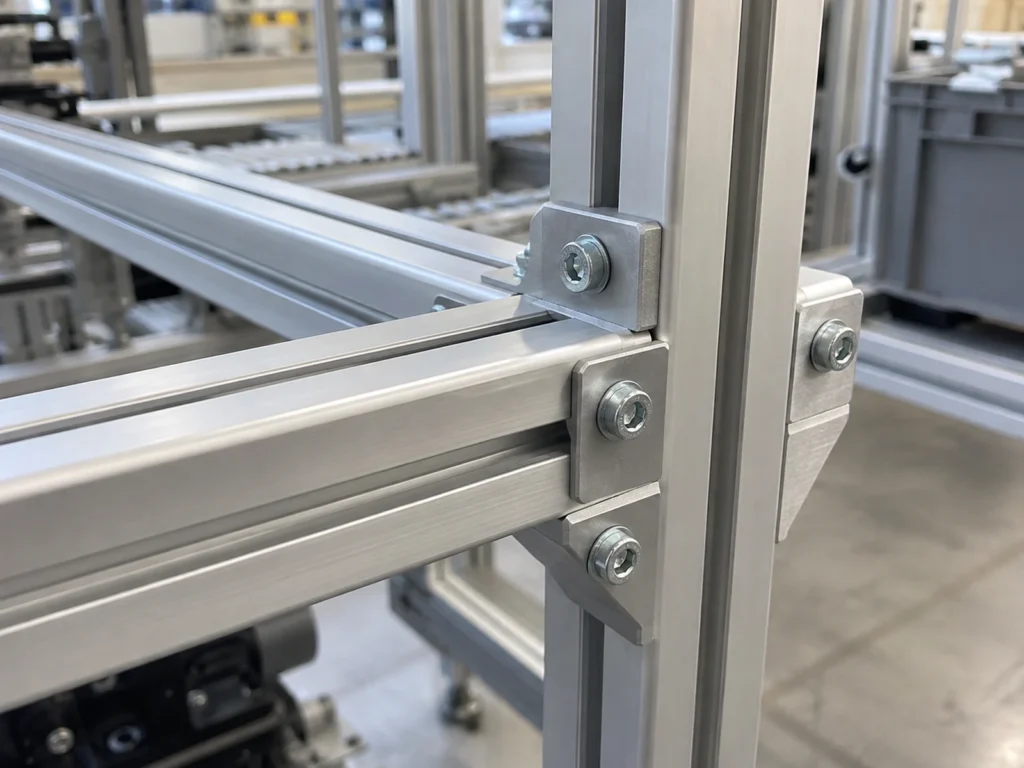
A frame specification may name an aluminum alloy while leaving the bracket and fastener descriptions incomplete. Before comparing offers, identify each metallic component at the connection. Record the approved material and finish for the member, connecting plate, bolts, nuts, washers and any threaded insert.
Hydro’s explanation of galvanic corrosion describes a combination of different electrochemical potentials, electrical contact and an electrolyte, such as water containing salts. It identifies copper, carbon steel and stainless steel as relevant pairings to consider with aluminum in wet conditions.
This is a reason to review the joint, not to declare every mixed-metal connection unsuitable. The responsible designer should assess the specified materials, exposure and protective arrangement together. A purchasing team needs enough detail to know which approved arrangement a supplier is quoting.
A description such as “metal bracket with stainless screws” leaves questions open. Which bracket material? Which screw specification and coating? Are the washers part of the approved assembly? Keep these details in a joint schedule so a substitution remains visible.
2. Describe the environment at the connection
State the installed location and how the joint will be used. “Indoor” and “outdoor” are useful starting labels, but the review also needs the conditions at the actual interface. A covered assembly may still encounter condensation or washing; a sheltered external connection may have a different exposure from an exposed one.
Ask the project owner to describe wetting, cleaning and storage conditions in plain language. Include whether the assembly is near coastal air, whether water can remain around the connection, and whether the cleaning method is already specified. Do not replace an unknown exposure with an assumption of dry service.
Hydro’s corrosion overview explains that aluminum normally benefits from a protective oxide, but particular environmental conditions can disrupt that protection. It also distinguishes galvanic corrosion from other corrosion mechanisms. A visible mark alone therefore does not identify the cause.
For a purchasing review, keep observation and diagnosis separate. Describe a stain, deposit or damaged finish as observed. Ask the responsible technical reviewer to establish the cause before choosing a corrective material or coating. Appearance should not become an unsupported corrosion diagnosis in a supplier report.
3. Review the full contact path
Use an assembly drawing or a clearly marked joint sketch. Identify where the member meets the bracket and where fasteners pass through the parts. Include interfaces hidden after assembly, such as a washer seat, a bolt shank inside a hole or an insert in the profile.
Hydro’s galvanic guide notes that electrical isolation must interrupt all metal contact. A specified separating layer at one face does not, by itself, describe the rest of the connection. The design review should include the complete fastening arrangement.
The procurement task is to reproduce the approved design accurately. If the drawing calls for a particular sleeve, pad or washer, put it on the bill of materials and inspection list. Do not let a generic “fixing kit” obscure the component identity or a proposed substitution.
Some assemblies also have electrical bonding requirements. Refer any interaction between isolation and bonding to the responsible electrical and mechanical designers. A cutting supplier should not improvise that decision from a corrosion checklist.
4. Define the finish where parts meet
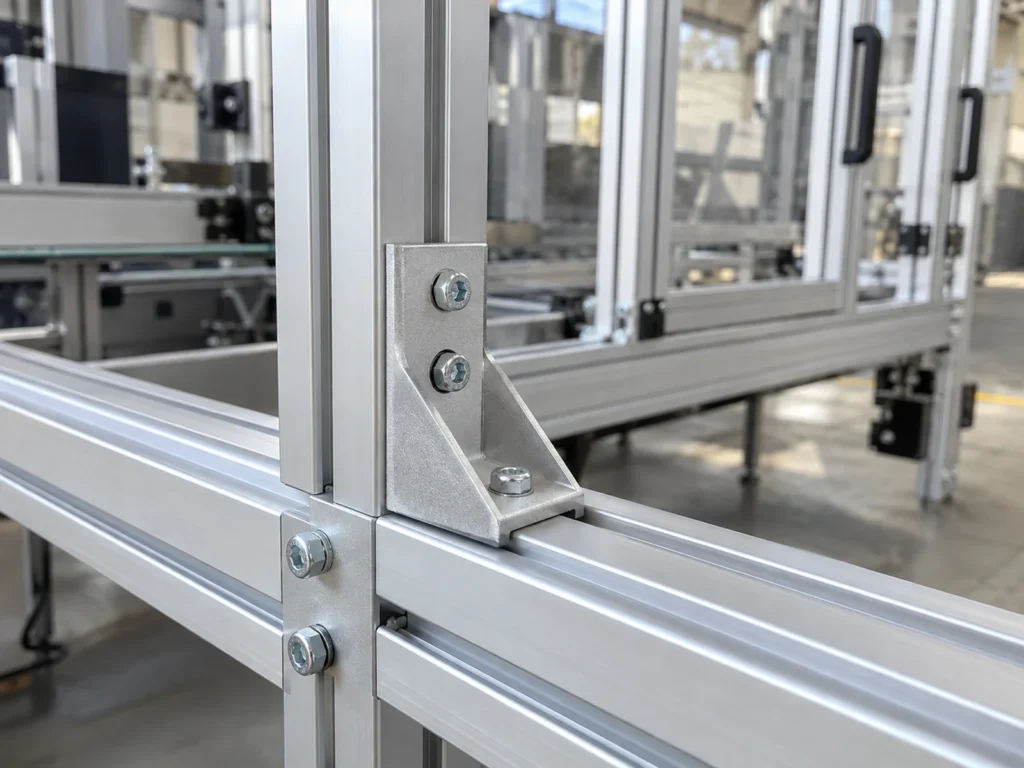
A color name or “anodized aluminum” is not a complete interface specification. Identify the required finish, its scope and the surfaces it covers. Clarify how the approved production route treats cut ends, holes, tapped features and contact faces.
Do not assume a decorative finish provides the electrical separation or environmental protection required by the design. Ask for the approved system and its acceptance requirements. The protection may involve more than the visible surface of the aluminum member.
If material arrives finished and is then cut, the cutting order needs to identify the new end surfaces. If finishing follows cutting, the handover needs to identify which surfaces remain accessible and which features need the finisher’s attention. See the separate guide to cutting before powder coating for production-scope questions.
Also agree how finished interfaces will be protected during handling. A sample with an undamaged appearance is useful for discussing workmanship; it does not prove coating continuity, electrical isolation or service life. Use the specified inspection or validation method for the actual requirement.
| Purchase field | Information to make explicit |
|---|---|
| Joint components | Member, bracket, fasteners and any separating parts |
| Exposure | Installed location, wetting, cleaning and storage conditions |
| Finish scope | Approved system and treatment of end faces and holes |
| Release evidence | Responsible reviewer and agreed acceptance records |
5. Assign the finished-assembly handover
Divide the purchase scope by operation. Identify who supplies the raw or finished member, who cuts it, who creates the holes or threads, who applies the approved finish, and who assembles the connection. Name the party responsible for releasing the complete joint.
This avoids asking one supplier to guarantee a system it has not selected or assembled. The cutting supplier can quote the defined blank and handling requirements. The finished-joint reviewer needs the complete material, finish and assembly information.
Threaded features deserve their own handover. For an insert, identify the approved insert and installation scope rather than treating it as an unnamed accessory. The guide to aluminum thread inserts covers purchase details for that interface.
Record any substitution before release. A different bracket, washer or finish should go back through the relevant review even when the parts fit the same holes. Dimensional interchangeability does not establish an unchanged corrosion-protection arrangement.
A purchase review example: resolve one open interface
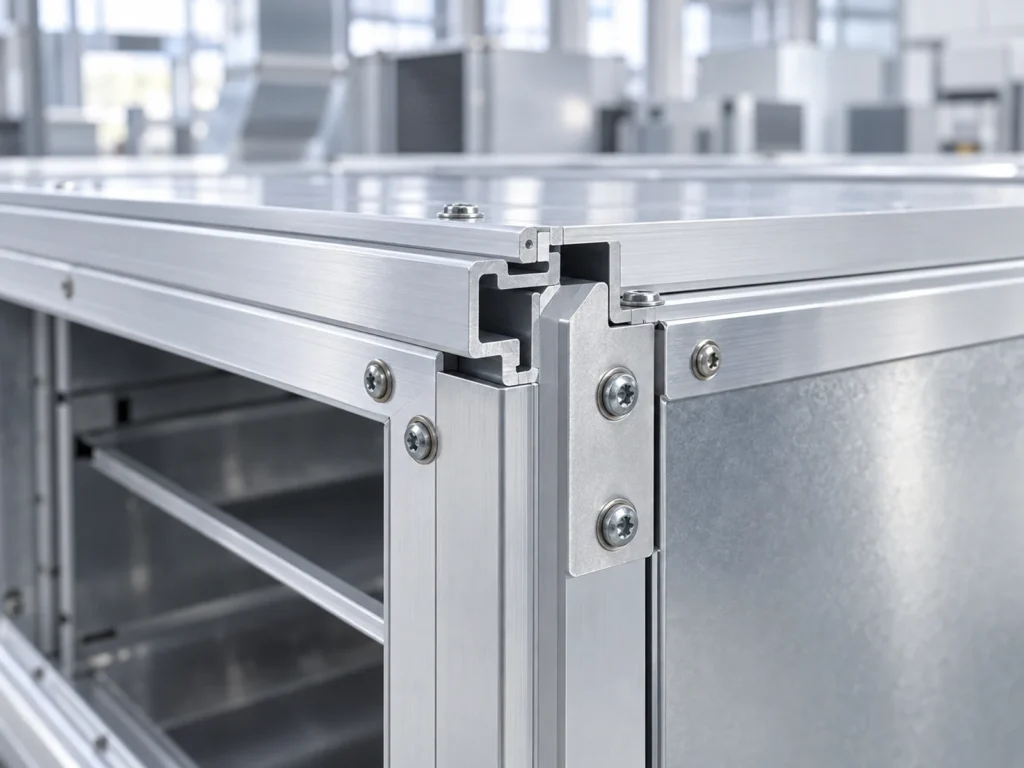
Illustrative example: order G21, revision C, covers cut members for an outdoor enclosure frame. The member drawing specifies finished aluminum, while the assembly list says only “corner brackets and fixing kit.” This is a fictional documentation example, not a customer installation or a corrosion failure.
The buyer can request a quotation for the defined cutting work while identifying the unresolved assembly items. The bracket material, fastener specification, separating components, finish at new cut ends and responsible assembly reviewer remain open fields.
A useful response lists those fields clearly instead of promising a corrosion-free frame. Once the project owner supplies the approved joint details, the buyer can align each supplier’s scope with the same revision. The final release should reference the resolved assembly documents.
Prepare a cutting request that supports the joint review
Send the profile drawing, member lengths, quantities and assembly-interface details. Mark the faces that contact brackets and the areas that require finish protection during handling. Include holes or end threads only when they are part of the requested scope.
For end-threaded members, use the separate extrusion end-tapping checklist to define the thread and operation boundary. Keep corrosion-system approval with the responsible designer rather than turning a cutting request into an unverified design guarantee.
Send JiurunCut your profile and cutting requirements with the approved assembly details or a clearly identified list of open questions. This provides a concrete basis for discussing the cut members and handling scope.
Buyer questions
Does stainless steel automatically make the joint corrosion resistant?
No single component label establishes the performance of the assembly. Review the aluminum, contacting metal, exposure and approved protection arrangement together.
Can I confirm isolation from a photograph?
A photograph can help locate components, but it cannot verify hidden contact paths or electrical separation. Use the approved drawing and agreed verification method.
Should the cutting supplier choose the corrosion protection?
Only when that design responsibility is explicitly included and supported by the necessary project information. Otherwise, provide the approved interface requirements and define the supplier’s cutting and handling scope.
Is a stain proof of aluminum galvanic corrosion?
A visible stain is an observation, not a diagnosis. Record its location and conditions, then obtain the appropriate technical assessment before changing the specified joint.