
A 6082 vs 6061 aluminum comparison is useful only when the product form, temper and applicable supply requirements are defined. These are different alloys. Similar applications or a shared T6 suffix do not make one an automatically approved replacement for the other.
For purchasing, the most useful question is practical: does the offered stock meet the approved requirement for this part and its manufacturing route? Use the five checks below before comparing prices or releasing a material change.
Compare the full material description
- Keep alloy, product form and complete temper together.
- Read properties against the relevant specification and thickness range.
- Review machining, joining and finish requirements before substitution.
On this page
What exactly is being compared?
Read the drawing’s material callout in full. Record the alloy designation, product form, complete temper, applicable specification and any additional supply condition. Then copy the supplier’s proposed material description into the review beside it.
A rolled plate, extruded bar and custom hollow profile are not the same product description. Do not compare a property row for one form with an offer for another without checking the governing requirements. The part’s approved material specification should determine the applicable comparison.
Hydro’s North America 6082 extrusion data sheet describes physical characteristics as similar to, but not equivalent to, 6061. It describes slightly higher mechanical properties for 6082 in the T6 condition. This is a supplier overview for its extruded products, not approval to substitute any 6082 stock for a specified 6061 component.
Keep the distinction between alloy and temper visible. If an offer shortens a complete temper designation, request clarification before accepting it. Our T6, T651 and T6511 guide explains why the suffix belongs in the purchase description.
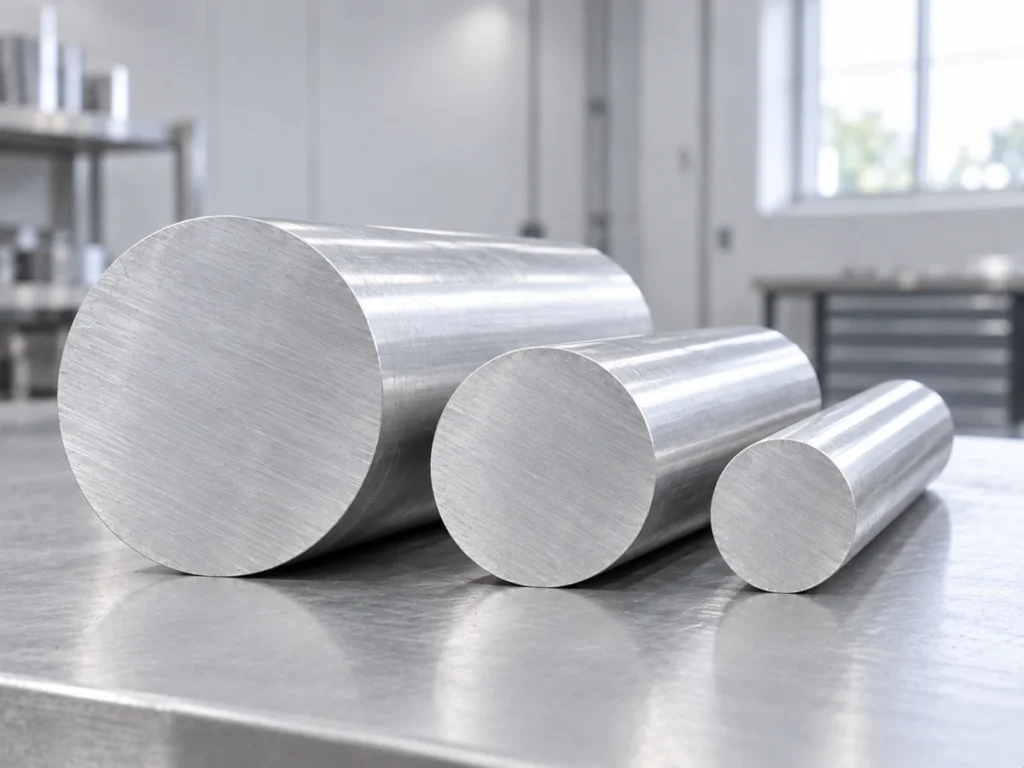
How should you read a 6082 vs 6061 aluminum property comparison?
First identify which property the design requires. Yield strength, tensile strength and elongation answer different questions. A broad statement that one alloy is “stronger” does not tell purchasing which acceptance requirement to put on the order.
Check the property basis before comparing values: the product form, temper, relevant dimension or thickness range, test direction where specified and the source’s status. Distinguish a typical value from a specified minimum or maximum.
Hydro’s 6082 sheet organizes extruded property limits by temper and thickness range. Its notes relate the applicable mechanical properties to the section from which the tensile specimen is taken. That makes a detached property value less useful than a correctly matched requirement and row.
Use the current governing material specification and the supplier’s confirmed delivery requirements for acceptance. The linked Hydro sheet is a 2019 reference publication; it should not silently replace the revision required by your purchase order.
The same discipline applies to 6061. Hydro’s North America 6061 extrusion data sheet separates standard and supplier-specific special tempers. It explains that special temper designations are unregistered and used to identify particular processing or application characteristics.
If an offer includes a supplier-specific suffix, ask what it means and which requirements the supplied stock meets. Do not assume that the unfamiliar suffix is simply another spelling of the standard temper required by the drawing.
Will the manufacturing route remain suitable?
Review what happens after the stock arrives. The material choice may need to support sawing, machining, bending, welding and finishing. Ask the responsible engineering and manufacturing teams to assess each affected stage rather than approving the change from one data-sheet headline.
Both Hydro sheets discuss machining in heat-treated conditions and possible difficulties breaking machining chips. That is a reason to review the actual machining operation. It is not a promise of the same tool life, cycle time or cut finish for the two alloys.
For a welded part, keep the delivered-stock properties separate from the assembly assessment. Both Hydro sheets identify reduced strength in the weld region for their discussed heat-treatable material conditions. The weld design and applicable process need their own review.
Do not reuse a bending or joining procedure solely because the replacement has the same broad alloy-series label. Identify the condition at the time of the operation and the required condition afterward. Our profile-bending guide helps frame the drawing and process information needed for that discussion.
For appearance-critical parts, specify the finish and acceptance sample for the actual material and route. Approve color, texture and permitted variation against an agreed reference. Neither the alloy number nor a stock photo establishes the finished appearance you will receive.
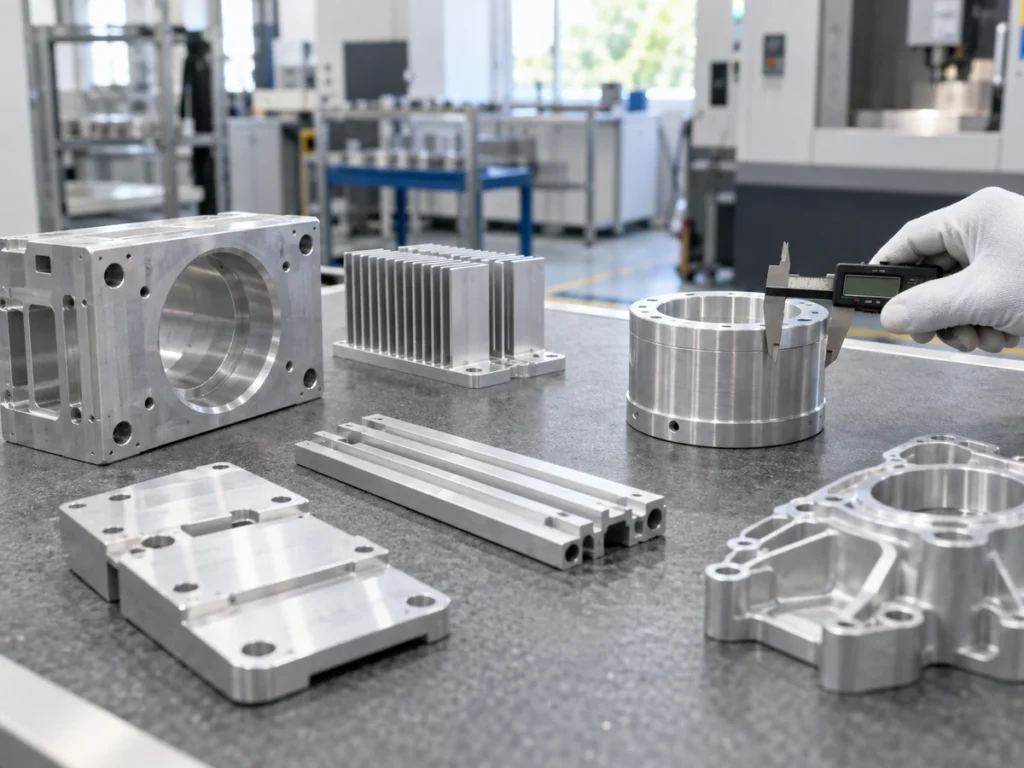
Are the quotes for the same stock requirement?
After the technical review, make the commercial comparison easy to read. Ask suppliers to identify the confirmed material, stock size, delivery condition, available quantity and included documentation. Keep any proposed difference visible as an exception.
| Field to compare | What purchasing should clarify |
|---|---|
| Material identity | Exact alloy, product form and complete temper. |
| Supply requirement | Applicable specification, revision and additional order conditions. |
| Stock dimensions | Offered section or blank dimensions and tolerances. |
| Delivery scope | Included cutting, machining, finish, records and packaging. |
| Availability | Confirmed quantity, lead time and any proposed alternative. |
Compare the quote against the stock needed for the part, not only the final drawing dimensions. If machining remains, establish the blank requirements through the approved process plan. Our machining-allowance guide addresses that distinction.
For cut-to-length tubing or profiles, identify the exact section and lengths in the inquiry. A material change does not make a different wall, shape or length tolerance disappear. Record each proposed change separately so the reviewer can assess its effect.
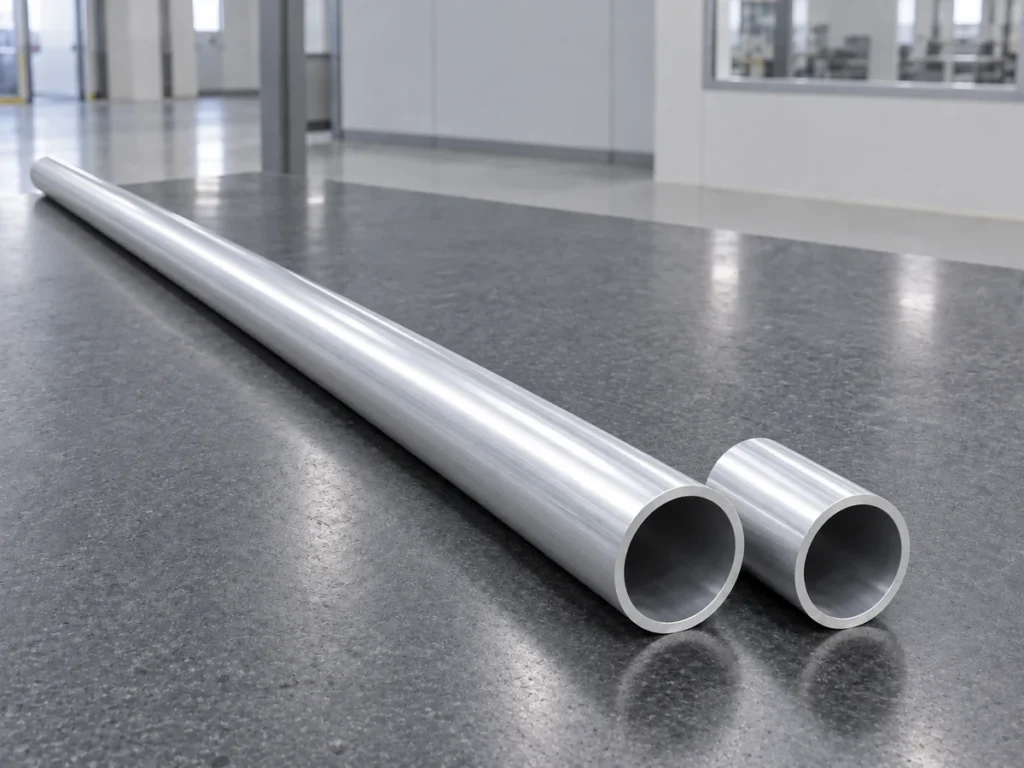
Who approves the change and how is it recorded?
Give a proposed substitution a clear owner. The person responsible for material selection should review the offered condition against the design and manufacturing requirements. Purchasing should record the resulting decision rather than treating a supplier recommendation as approval.
Connect the approved material to the drawing revision and purchase order. State whether the alternative applies to one order, a defined batch or a revised ongoing requirement. Avoid leaving an email approval detached from the documents used for receipt and production.
Agree the required material evidence and how it will be linked to delivered stock and cut parts. Our material-certificate guide explains how to review the record’s scope. A certificate should support the ordered identity and condition; it does not resolve a design substitution by itself.
When different materials are available in the same workshop, preserve their identification through cutting and transfer. Do not rely on similar appearance to tell stock apart. Identify the batch and part association required by the order.
A substitution request that needs a clear answer
Consider a fictional purchasing situation: a component drawing calls for 6061 with a complete temper and supply specification, but a supplier offers available 6082 stock. The supplier’s note says the alternative is suitable for a similar application.
Before accepting, request the exact offered product description and its evidence. Ask engineering to review the relevant properties, stock dimensions and later operations. Record any additional inspection or process review required by the decision.
If the alternative is approved, update the controlling order information so receiving and production know what was accepted. If it is not approved, keep the original requirement visible while the supplier confirms another option. This is a procurement example, not a reported JiurunCut project.
For a cutting-machine discussion, share the approved material condition, actual section drawing, stock lengths and cut list through our contact page. Include the downstream operations and required cut condition so the machine review addresses the real job. A material comparison alone does not establish machine suitability.
Buyer questions
Is 6082 vs 6061 aluminum a direct-equivalence comparison?
No. Treat them as distinct alloys. Approval requires the actual product form, temper, governing requirements and intended manufacturing route to be reviewed for the component.
Does T6 mean every offered property is the same?
No. The alloy, product specification and relevant product dimensions remain part of the requirement. Read the full designation and applicable property basis.
Can a typical data-sheet value accept a delivery?
Use the ordered acceptance requirements and agreed evidence. A typical reference value should not silently become a guaranteed minimum or a batch test result.
Which material should the cutting inquiry name?
Name the approved alloy and complete delivery condition, together with the actual section and cut requirements. Keep a proposed alternative clearly identified until its review is complete.