
5083 aluminum plate is a material description that needs a temper, product specification and delivery condition beside it. The phrase “marine grade” may start a conversation, but it does not complete a purchase order or approve a finished component.
Use the five questions below to clarify an offer before cut blanks enter your workshop. They connect the material identity to the actual plate pieces, while keeping welding, machining and final assembly requirements visible.
Why 5083 aluminum plate needs a complete description
Hydro’s 5083 overview identifies a non-heat-treatable alloy with magnesium as its main alloying element. It is commonly supplied as plate or sheet and also appears in selected extrusion applications. Hydro lists marine, offshore, transport and cryogenic uses; those examples do not establish suitability for your component.
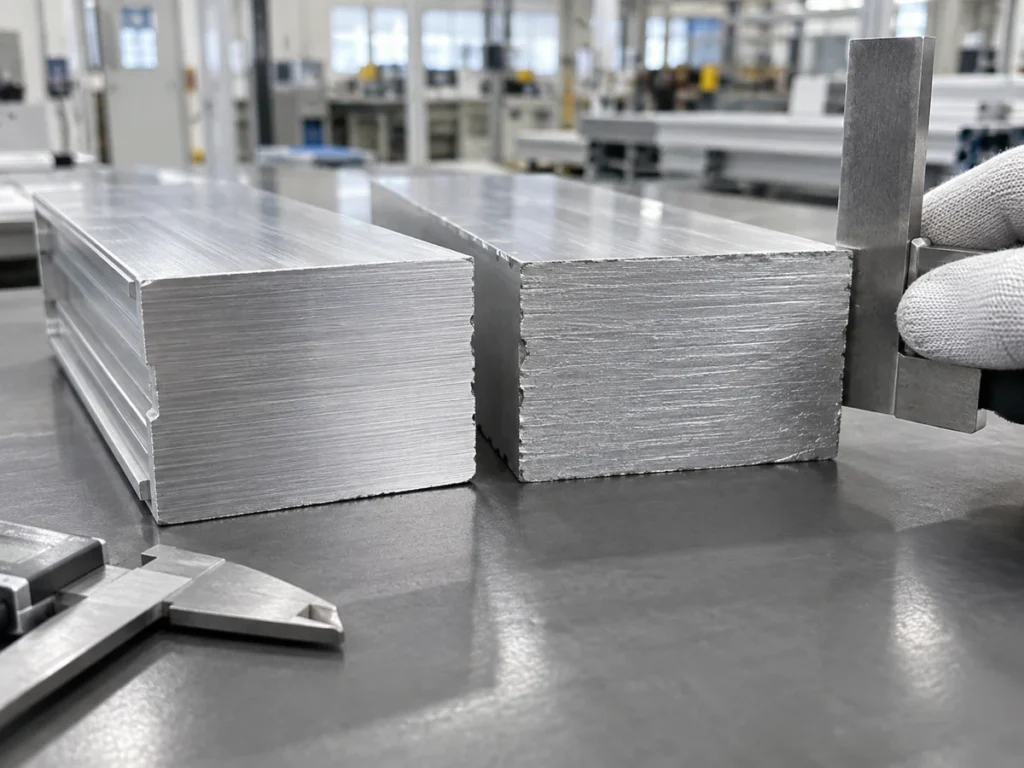
Question 1: which temper is actually offered?
Retain the complete designation on the quotation and order. An offer for “5083 plate” leaves the material condition unresolved when the controlled requirement names a temper.
The June 2021 Atlas Steels 5083 data sheet lists soft O and several H conditions, including H32, H116 and H321. It explains strengthening by cold work and notes stabilizing treatment for certain conditions. Non-heat-treatable does not mean that no thermal processing can appear in the product history.
Do not rewrite the approved designation to match a shorter supplier description. Ask whether the offer is abbreviated or proposes a different material condition. Keep any accepted change linked to the affected part and drawing revision.
Question 2: what does the marine requirement call for?
Ask the requirement owner to identify the governing material document, edition and any additional certification conditions. Separate the alloy identity from the required evidence for the intended marine project.
The public scope of ASTM B928/B928M-15(2023)e1 covers specified high-magnesium products for marine hull construction, direct seawater contact and similar environments. It includes selected sheet, plate and extruded alloy-temper products. The abstract addresses corrosion testing. ASTM lists this edition as active when checked on October 2, 2026.
A supplier’s phrase “suitable for boats” does not answer every field in that requirement. Request the agreed material documentation and confirm its link to the stock being supplied. Use the complete applicable document for acceptance; this guide does not supply its test limits or certify compliance.
If a project requires a classification society endorsement or other approval, state that requirement explicitly. Have the responsible reviewer confirm the offered documentation before the cutting job starts. Do not infer an endorsement from a company logo on a quotation.
Question 3: is this plate, a plate strip or another product?
Describe the incoming form and the delivered pieces separately. A rectangular item could be a cut plate blank, a strip or a different stock product. Matching outside dimensions does not remove a product-form difference from the material review.
| Purchase field | What to make explicit |
|---|---|
| Source product | Plate or the actual approved stock form. |
| Cut piece | Blank length, width, thickness and quantity. |
| Delivery stage | Cut blank or component with additional operations. |
Keep stock thickness beside the dimensions used to order each blank. Mark relevant orientation and identification requirements on the cutting brief. Where a later operation requires an allowance, use the approved value from the process owner.
Check that the supplier’s document references the proposed form and condition. A general alloy leaflet provides background; it is not the same record as evidence linked to the received material.

Question 4: which requirements belong after cutting?
Mark any planned welding, bending, machining or surface treatment in the handoff. Identify the blank acceptance requirements and the final-part requirements separately, including who releases each stage.
Atlas’s data sheet notes reduced strength in the heat-affected zone when strain-hardened conditions are welded. It also distinguishes properties for flat-rolled products from those for other forms. Keep the actual material specification and fabrication review together; do not reuse a property line from an unrelated product.
For a proposed welded assembly, ask the fabricator to confirm the procedure and final acceptance basis. For a machined part, identify the final drawing and the blank condition needed by the machining team. Correctly supplied plate does not complete those downstream decisions.
Useful related reading includes our aluminum heat-affected zone guide and machining allowance discussion. Keep any process adjustment under the responsible technical review.
Question 5: are mass and price based on the same scope?
State whether a quotation prices incoming plate, delivered cut blanks or finished parts. Ask which cutting, inspection, packing and downstream operations are included. A price per kilogram and a price per finished piece need a common scope before they can be compared.
A small weight example
Atlas lists a typical density of 2,660 kg/m³. For an illustrative solid rectangular blank measuring 0.400 × 0.250 × 0.010 m, nominal volume is 0.001 m³. Multiplying by that density gives an estimated mass of 2.66 kg.
This calculation is a planning example, not a measured delivery weight, price or purchase tolerance. Holes, removed material, actual dimensions and the agreed commercial basis can change the quantity used for billing. Keep those conditions visible when reviewing an offer.
A simple receiving mismatch
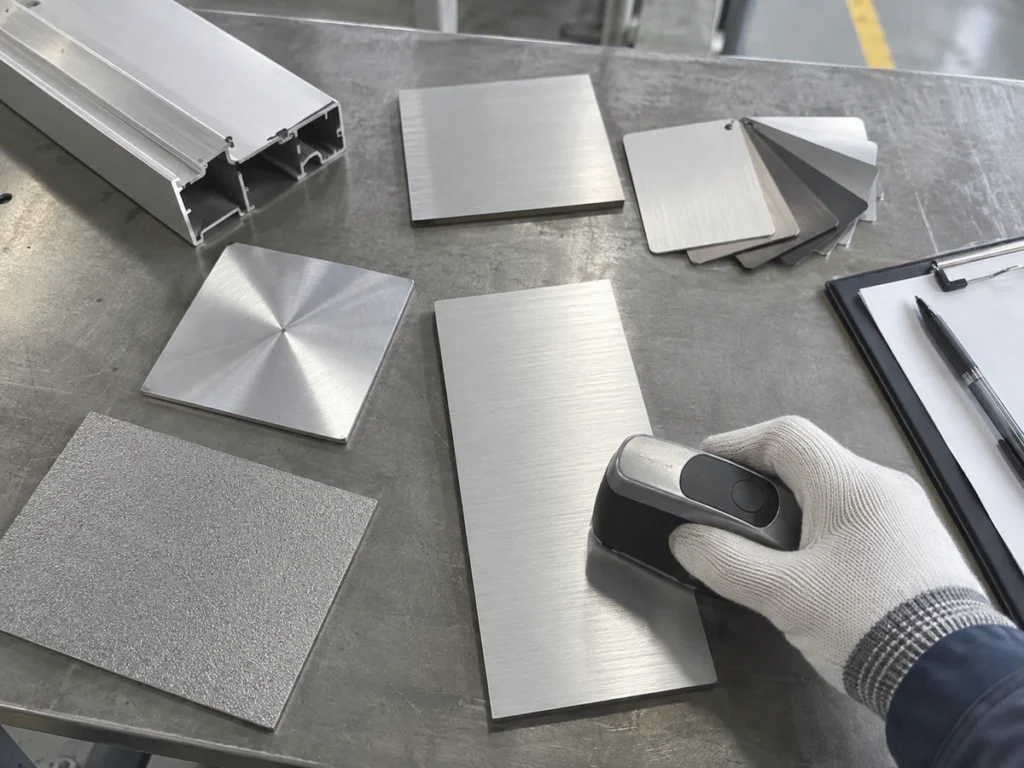
Imagine the order names one plate condition, while a delivery label shows only the alloy number. Keep the pieces linked to that delivery and request clarification before treating the abbreviated label as a complete match. Identify the missing field in your query so the supplier can resolve it directly.
If two stock batches enter the same cutting schedule, keep their piece identities separate through the agreed handoff. A later question should lead back to the relevant delivered material, rather than to a general folder of unrelated certificates. Record who resolves the discrepancy and which pieces their decision covers.
Before releasing the cut-blank order
- Confirm the full material condition and source product.
- Resolve the required marine documentation with its reviewer.
- Release the blank drawing, dimensions and quantity.
- Keep downstream operations and acceptance owners visible.
- Compare price using the same included delivery scope.
Send JiurunCut your plate-blank drawing and cutting requirements for a cutting discussion. Include the relevant stock information and approved downstream needs. The cutting review does not certify the material producer’s marine qualification or approve the final application.
For the document-to-stock relationship, see our material-certificate review guide.