
Aluminum weld heat affected zone questions begin with the condition of the finished assembly. Welding can change the properties of metal beside a joint, even where that metal has not melted. Buyers should identify which material condition and evidence the quotation actually covers.
A certificate for incoming aluminum is useful. It does not automatically establish the properties of the welded connection. Agree the joint drawing, delivery condition, inspection scope and acceptance requirements before treating two offers as equivalent.
On this page
What the aluminum weld heat affected zone is
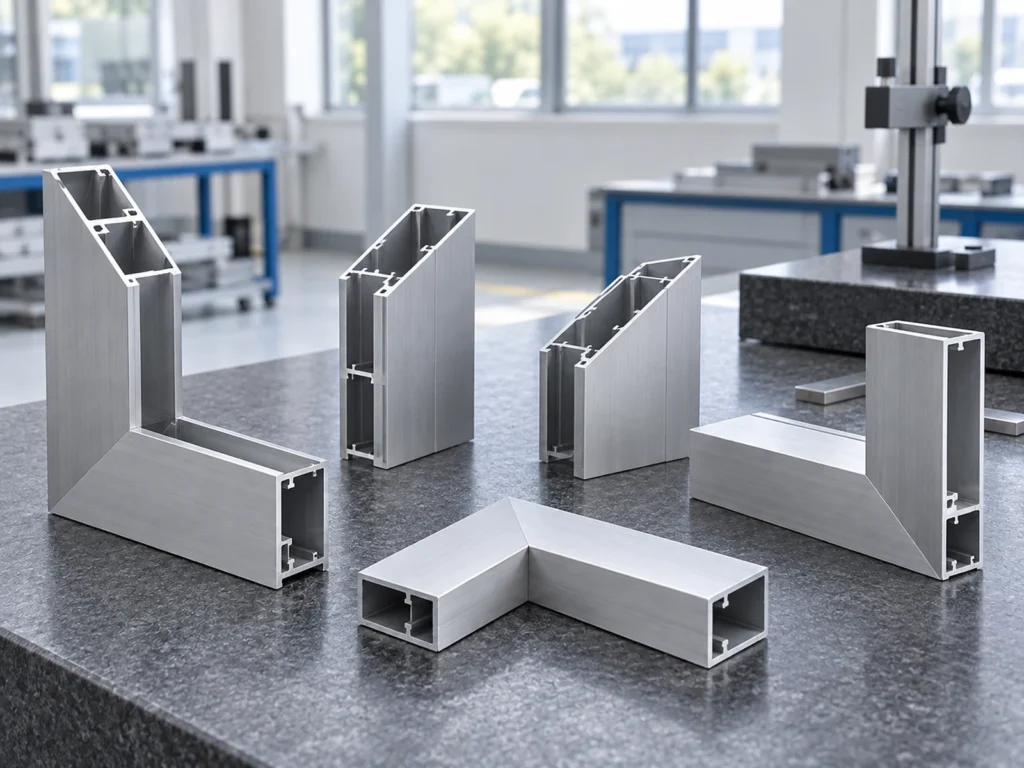
The heat affected zone, commonly shortened to HAZ, is parent metal beside a weld that has experienced a thermal cycle without melting. TWI’s HAZ explanation distinguishes this region from the melted weld area and unaffected parent material.
The affected region depends on the material, heat input and process. It should therefore be considered with the actual joint and welding route. A visible bead is not a complete description of the surrounding material.
TWI’s aluminum alloy weldability guide explains two relevant mechanisms. Welding can reduce the effect of work hardening in non-heat-treatable alloys. In heat-treatable alloys, fusion welding can redistribute the constituents responsible for hardening and reduce local strength.
For purchasing, the practical response is to request the correct property basis. Do not carry an incoming-stock value into a welded-assembly requirement without the responsible engineer and supplier confirming that basis.
Four checks before approving the order
1. Identify the material on both sides of the joint
List the alloy, temper, product form and drawing identity for each member. A plate-to-profile joint may have more than one incoming material record. Keep those identities separate even when both parts are described commercially as aluminum.
Ask the fabricator to confirm the intended welding route and filler selection through the applicable procedure. TWI identifies parent-material weldability, weld-metal properties, corrosion resistance and anodic coating requirements as considerations in filler selection.
The inquiry should communicate the job requirements. The welding specialist should confirm how the proposed procedure addresses them. Avoid replacing that review with a filler choice copied from a general web table.
2. Name the required delivery condition
State whether the purchase covers cut parts, a welded assembly or a welded assembly with further agreed processing. Put the delivery condition in the quotation and inspection plan so the evidence refers to the same stage.
If further heat treatment is proposed, request its scope and the basis for the resulting properties. Do not assume that one treatment restores every alloy, joint and assembly to its incoming condition.
Make responsibility visible: who supplies the stock, who performs joining, who controls any later processing and who releases the assembly? A short scope list is easier to verify than several disconnected emails.
3. Separate joint requirements from general material values
Mark the joint locations and relevant acceptance requirements on the assembly drawing or associated specification. Identify the dimensions that must be checked after joining, with their datums and inspection stage.
Ask the responsible designer to define the required property basis for the connection. Buyers should request that decision rather than invent a percentage reduction from an alloy name or a generic article.
Our tensile versus yield strength guide helps distinguish two commonly reported properties. The names still need the correct specimen and delivery condition beside them.
4. Agree evidence before production
Define the documents, tests or inspections required for acceptance. Name the part or specimen, test location, method, result and acceptance criteria where applicable. Make clear whether a result is from incoming stock, a procedure specimen or a production assembly.
A hardness reading, a tensile result and a surface inspection answer different questions. Request the evidence specified for the job rather than treating any one report as a substitute for every other requirement.
Keep the test plan tied to the drawing revision. If the joining route or delivery condition changes, ask whether the agreed evidence still applies before approving the revision.
Keep the evidence types separate
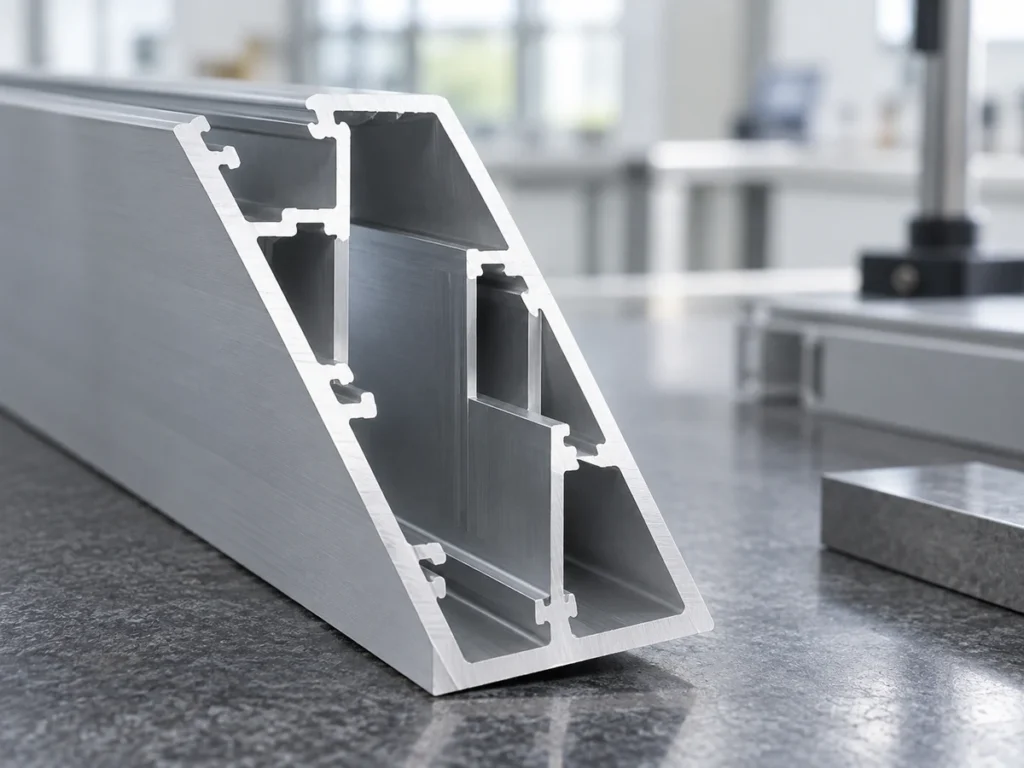
Use a simple document map when the quotation contains several certificates. It helps the purchasing team see what each document actually establishes.
| Document or result | Purchasing question |
|---|---|
| Incoming material certificate | Which stock batch, alloy, temper and product does this record identify? |
| Welding procedure evidence | What joining scope and conditions does this evidence cover? |
| Test or inspection report | What was examined, at which stage, and against which criteria? |
| Assembly release record | Does this identify the supplied assembly and agreed acceptance scope? |
See the material certificate checklist for incoming stock and the hardness test purchasing guide for the context needed beside a hardness result.
Resolve a quotation mismatch before comparing price
Imagine two offers for the same aluminum frame. One includes an incoming material certificate. The other lists inspection of the welded assembly. Neither document label tells you, on its own, whether the complete requested scope is covered. This is a hypothetical comparison, not a JiurunCut customer case.
Send both suppliers the same assembly drawing and acceptance list. Ask each to identify included evidence, exclusions and any engineering decisions still required. Compare price after those differences are visible.
Keep a record of agreed exceptions. A note that says “material certified” should not silently become a claim that the welded connection meets every specified property.
Prepare the cut parts for a clear handoff
The cutting package should identify profile orientation, finished length, end angle, joint preparation and the next operation. Name the dimension datum so the welding team receives parts prepared to the agreed drawing.
Keep cut-part inspection separate from welded-assembly release. Use the cutting before welding guide for the handoff and the MIG versus TIG purchasing guide for a broader joining-scope discussion.
Send JiurunCut the section and cut-part drawings to discuss cutting requirements, representative samples and the proposed preparation stage.
Questions buyers ask
Is the heat affected zone the same as weld metal?
No. The HAZ is parent metal changed by the welding thermal cycle without melting. Weld metal and the surrounding affected material need the appropriate joint review.
Does an incoming T6 certificate prove the welded assembly has the same properties?
It identifies incoming material evidence. Ask the responsible engineer and fabricator to establish the required basis for the welded connection and its delivery condition.
Can a photograph prove the affected region is acceptable?
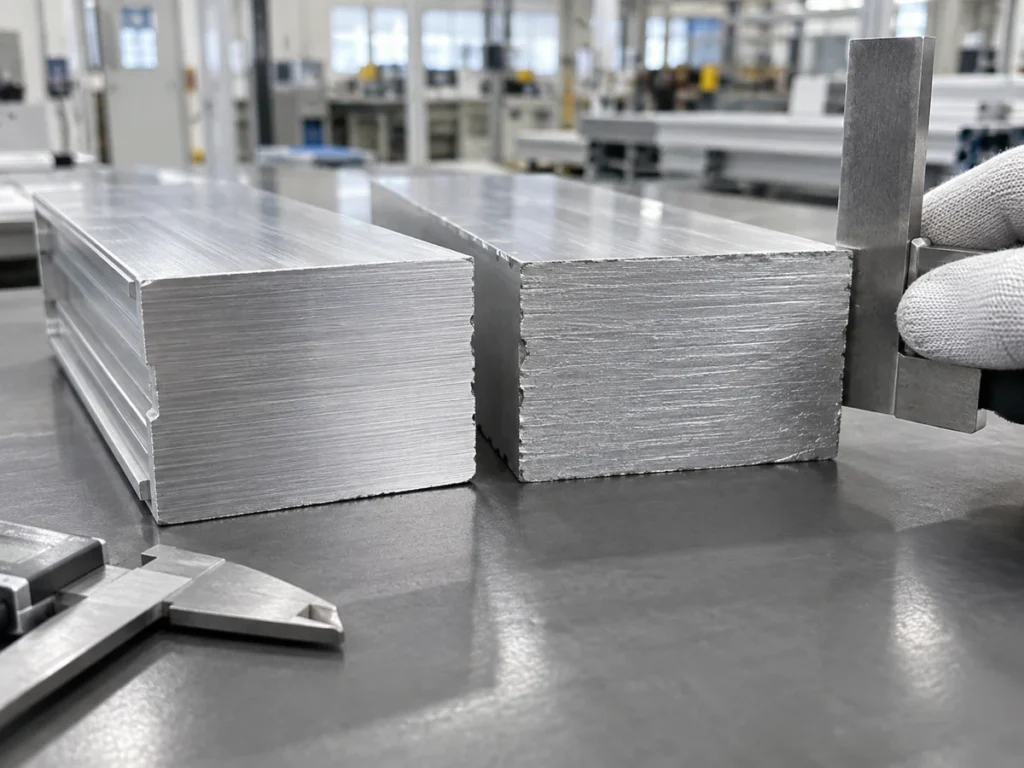
A photograph can help identify a joint or visible condition. Acceptance should rely on the agreed inspection and evidence requirements for the specific assembly.
What should the RFQ include?
Member identities, the joint drawing, proposed delivery condition, acceptance requirements and required records. Identify which party is responsible for each stage.