
An aluminum saw can produce one clean sample while the blade and chip path behave differently over a longer run. For a buyer comparing an industrial saw, a blade, or a change to the cutting setup, aluminum saw blade gullet loading is therefore a trial question: does the approved combination keep carrying chips away through the representative job, and does it continue to make accepted parts? A photograph of an empty machine or a single smooth cut face cannot answer that question.
This guide gives purchasing and production teams a practical evidence sheet for a supplier trial. It concerns the blade, the actual aluminum section and the machine’s chip route as one proposed process. It is not a blade-cleaning procedure or an instruction to inspect a moving tool. The machine owner and qualified personnel must follow the saw and blade manufacturers’ instructions for guarding, stopping, isolation, inspection and any adjustment.
Featured image: an existing AI-generated editorial illustration of a stationary circular blade laid out for a tooling review. It does not show a loaded gullet, this trial or a performance result.
Aluminum saw blade gullet loading: what a check can prove
The gullet is the space between adjacent teeth that carries material cut by the tooth. The Australian Aluminium Council’s Aluminium Extrusion Manual identifies gullet depth as one of several basic saw-blade dimensions. McMaster-Carr’s aluminum blade listings describe tooth designs intended to move chips away and prevent clogging. Those sources establish why chip space and removal matter; their example dimensions and catalog blade descriptions are not settings or performance promises for a JiurunCut model or for your material.
Visible material packed between teeth can be a reason for an authorized process review. It does not identify a single cause. Blade selection, profile cross-section, feed, lubrication, clamping, chip path and collection arrangement may all need supplier review. A clean-looking gullet after one cut also does not prove that a production batch will stay clear. Keep the trial question narrow: Can the exact quoted combination make and hand over accepted parts across the agreed representative interval?
Release the job before judging the blade
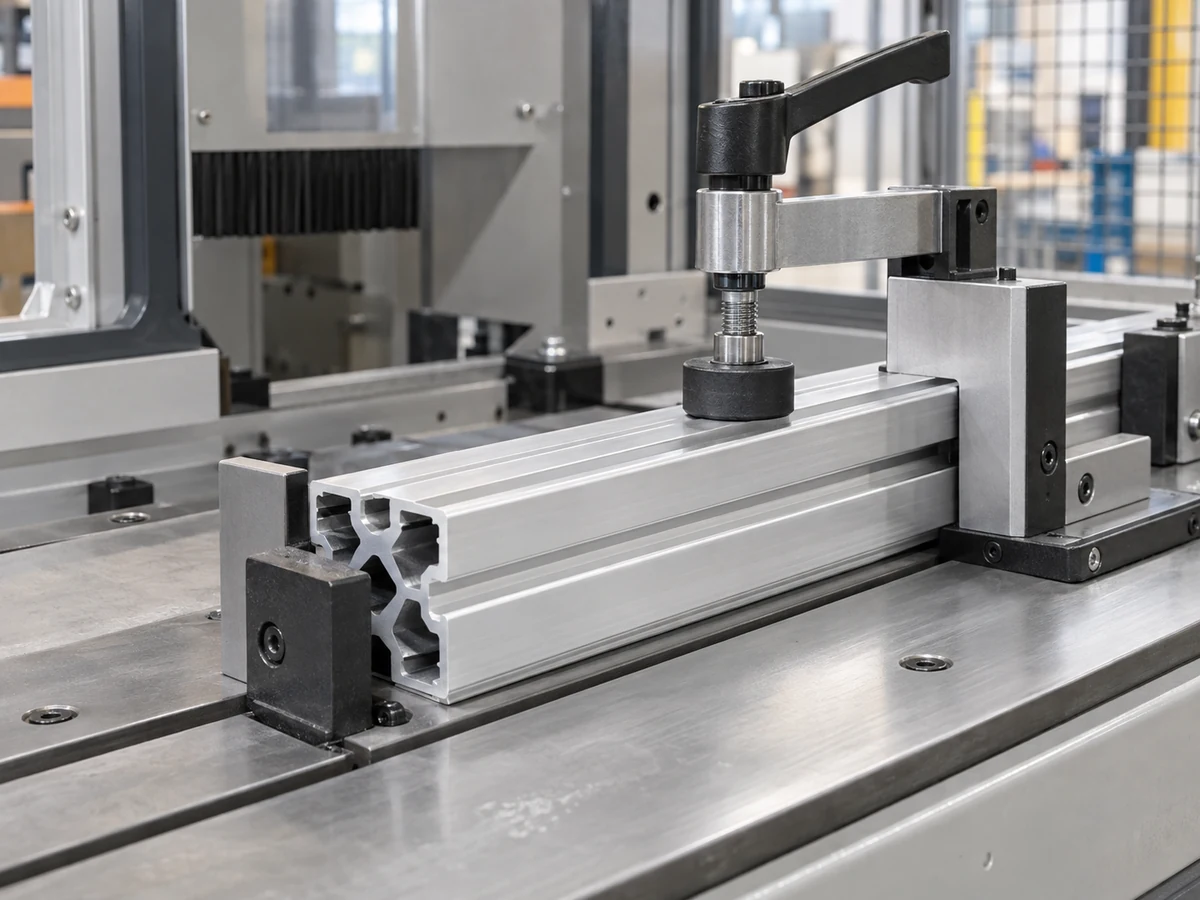
Ask the buyer to provide one revision-controlled part drawing and the actual incoming stock description. Record alloy and temper if known, section drawing, wall and cavity features, longest and shortest approved blanks, end geometry, surface condition, required quantity and the method used to accept the finished cut. A hollow, multi-chamber or ribbed extrusion gives chips and cut edges different places to collect than a plain solid section. Do not substitute a convenient showroom profile for the profile that drives the purchase.
Record the blade manufacturer and part number, diameter, arbor, tooth specification, condition and service history as supplied for the trial. Record the saw model and actual option set separately. A supplier may use a demonstration blade that is not in the machine quotation; if so, the test is evidence for that demonstration combination only. The buyer should either include the tested blade in the supply scope or arrange a repeat acceptance run with the blade that will actually be delivered. Our trial-blade guide explains why this distinction matters.
Agree on evidence from the beginning, middle and end
A trial should have a defined start, representative continuation and agreed end point, with the machine owner setting the safe method for observations. Record the number and identity of parts at each observation point, rather than writing only “run successful.” Retain accepted and rejected samples under the drawing revision. If the job has several cross-sections or a change between long and short pieces, name the transitions to be covered.
At each agreed point, request the same evidence: cut-end appearance, burr or smear against the approved acceptance method, length and angle where applicable, visible-face condition, chip retention in cavities, and any authorized observation of material at the blade or chip exit. Note an unusual sound, rising effort, changed edge or interruption as an event requiring review, not as a diagnosis. Do not continue cutting just to collect more data if the operator or responsible supervisor identifies a safety concern.
Photographs can make the record auditable when they identify the same blade, profile and time in the run. A photo of a stopped and safely accessible blade can show its condition at an authorized check, but it cannot measure hidden process limits on its own. Keep the corresponding part samples, inspection results and any supplier response with the image.
Separate the blade question from the collection-system question
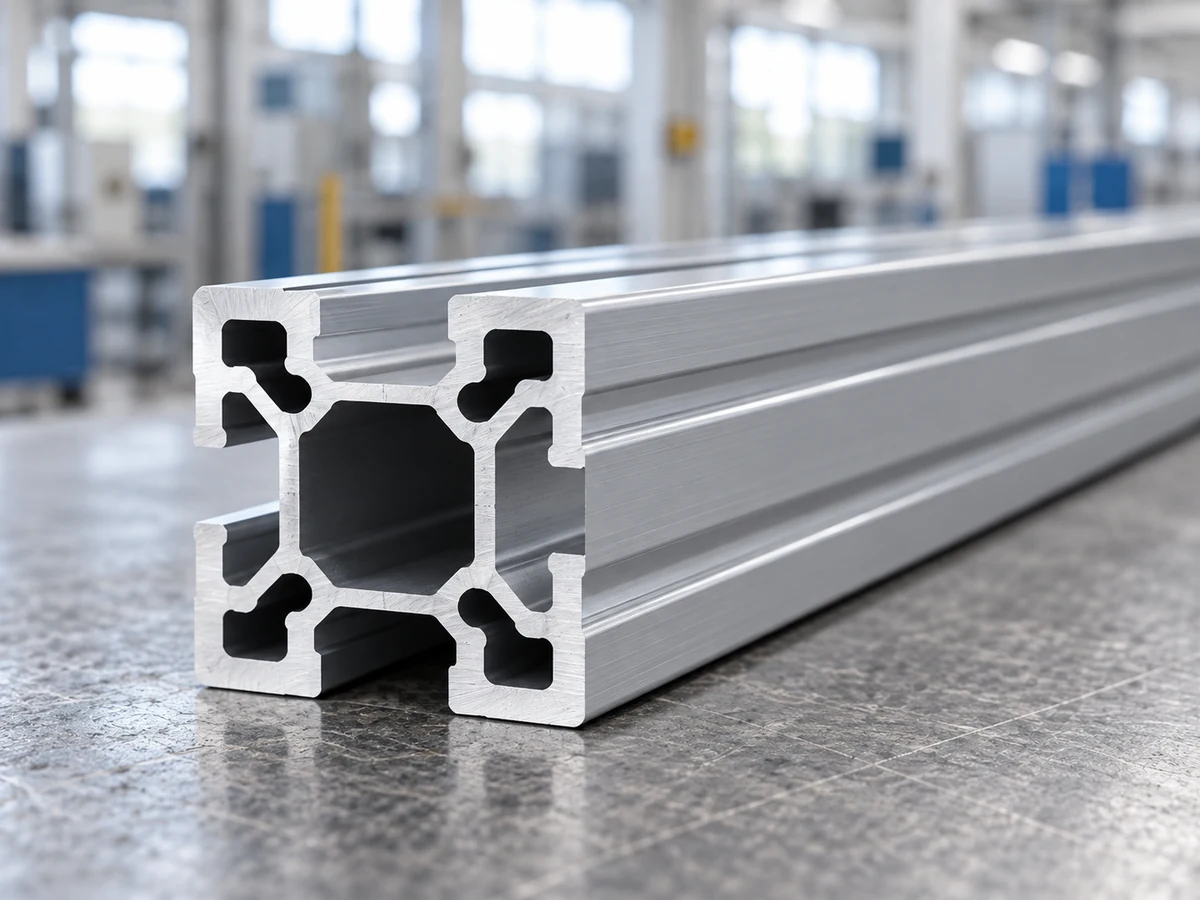
A blade gullet, machine enclosure, internal chute, extraction port and off-machine collector are different parts of the chip route. Material visible near the cutting zone may reflect more than tooth geometry. Conversely, a full collection container does not show what happened at the blade during the cut. Ask the supplier to draw the actual quoted chip path and mark which components are included, optional or supplied by the buyer. Our chip-collection scope guide covers the wider installation boundary; this article concerns whether the quoted cutting combination behaves acceptably during the representative job.
If the trial fails an agreed criterion, preserve the initial setup and result before discussing a change. Compare only supplier-approved alternatives. A different blade, revised chip-removal component or changed operating condition becomes a new, identified test state; do not combine several changes and then attribute improvement to one of them. Machine and tool suppliers should confirm compatibility and the permitted test procedure. The acceptance result belongs to the final quoted configuration, not to a more favorable temporary arrangement.
A buyer’s evidence table for the quotation
| Record | What to ask for | Decision it supports |
|---|---|---|
| Released job | Drawing revision, stock cross-section, material condition, part mix and acceptance method | Whether the demonstration represents the purchase |
| Tool and machine | Exact blade identity and condition; saw model, fixture and quoted chip-handling components | Whether the tested configuration will be delivered |
| Trial interval | Start, middle, end, transitions, counts and interruption log | Whether one good sample is enough evidence |
| Part results | Retained samples, cut-end and dimensional checks, cavity and visible-face review | Whether output meets the released drawing |
| Chip observations | Authorized blade/chip-path observations tied to time and setup | Whether a suspected loading issue needs supplier review |
| Final quotation | Included blade and collector scope, exclusions, retest condition and responsibility | What the buyer can accept and order |
When to hold the purchase decision
Hold approval when the sample profile is unrepresentative, the blade identity is unknown, the run ends before the agreed interval, part checks are missing, or an observed loading event has no authorized review. A statement that “chips cleared” without a time-linked observation and accepted parts is too weak for a production purchase. If the trial changed blade or extraction setup, request the result and quote for the new state.
Likewise, do not convert a chip observation into a claim about tooth damage, tool life, exact feed or a machine defect. Our chipped-tooth record guide addresses a different incident: a visible damaged tip and the resulting tool and part-lot decisions. For suspected aluminum saw blade gullet loading, document the actual condition, follow the site stop-and-review process, and let qualified machine and blade suppliers determine the next permitted step.
Video: a general saw-cutting example
This Jiurun Machinery video shows a general saw/equipment example. It is not a test of the profile, blade, gullet condition, quotation or performance discussed here. Use the written trial record for those decisions.
Questions to put in the RFQ
- Which released profile and part mix will the trial use, and who approves the samples?
- What exact blade and condition will be tested and supplied?
- How long will the representative run continue, and at which points will results be recorded?
- What is the quoted route from cutting zone to chip collection, and which parts are outside the quote?
- Who has authority to stop, inspect, change the setup and release a retest?
- Which accepted-part and chip-condition evidence will be attached to the final offer?
Send the approved drawing, stock information, required part mix and acceptance criteria when you contact JiurunCut. Ask for a proposed machine and blade trial on that exact scope, with the final quoted configuration and evidence recorded together. A suitable choice is the one that makes the required parts under the buyer’s approved conditions, with responsibilities and limits clear in writing.