
Cold spray vs thermal spray is a coating-process decision that should start with the finished part. Ask what the surface must do, which dimensions must remain usable, and how the proposed deposit will be accepted. A process name alone does not settle those questions.
There is one naming detail to clear up first: cold spray belongs to the broader thermal-spray family. In this guide, “thermal spray” means conventional heat-based methods when compared with cold spray. Make that scope explicit in a request for quotation so two suppliers do not answer different questions.
Cold spray vs thermal spray: understand the mechanism
TWI describes cold spray as solid-state deposition: accelerated powder particles strike a surface and deform while remaining below their melting point. Conventional thermal spraying uses heat to melt or soften the feed material before deposition. “Cold” does not mean the process gas is unheated.
| Process scope | Meaning in this comparison |
|---|---|
| Cold spray | Particle-impact deposition in the solid state. |
| Conventional thermal spray | Heat-based deposition using melted or softened feed material. |
Those descriptions explain a difference in mechanism. They do not provide a universal coating approval for an aluminum component. Do not convert them into promises of zero distortion, a particular bond strength or an automatically longer service life. A usable specification still needs to describe your own part and its intended surface.
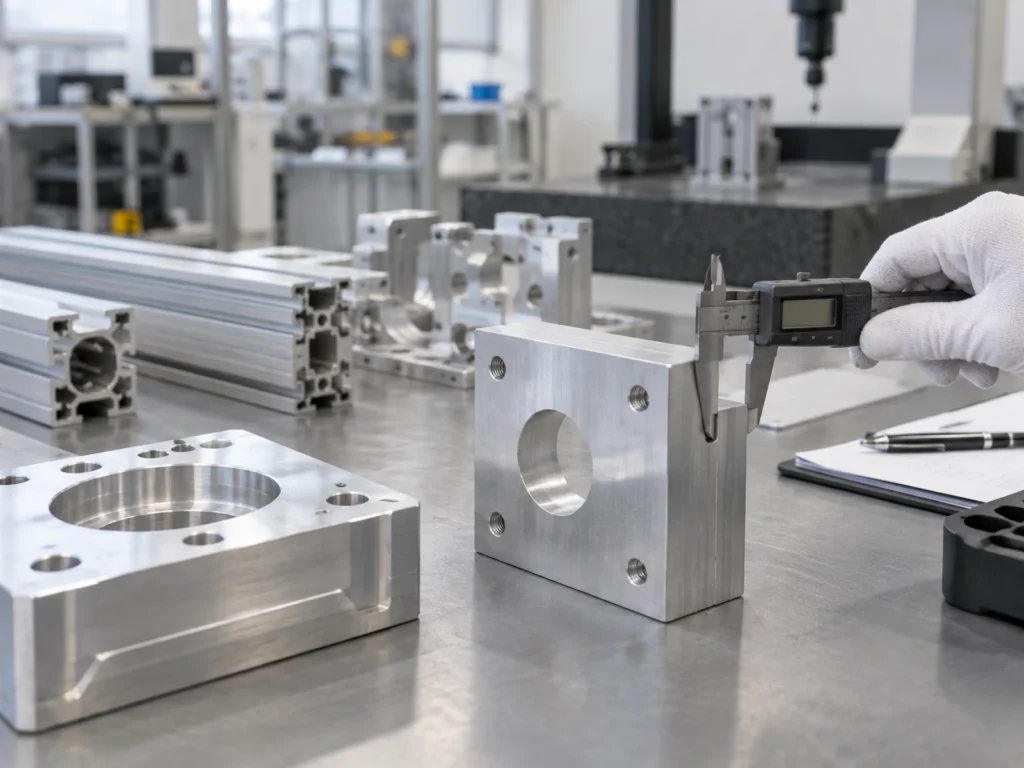
Check 1 — describe the surface before choosing the process
Highlight the exact region being considered on a drawing. Is it an outside face, a bore, a seat or an edge? Give each region a separate identifier if the requirements differ. A general instruction such as “coat the aluminum part” leaves too much of the component open to interpretation.
Write down the required function in plain language. For example, a proposed repair may need to restore a local dimension, while another project may need a surface selected for its interaction with a mating component. These are possible project objectives, not evidence that either spray process will satisfy them.
Separate the objective from the method. “Restore this seat to the approved finished size” is an outcome to review. “Use cold spray” is a process proposal. The coating specialist should explain whether that proposal can achieve the defined outcome on the specified material and geometry.
- Identify the aluminum substrate by the actual drawing and material record.
- Name the proposed deposit material separately from the substrate.
- Mark surfaces to be treated, surfaces to be protected and surfaces requiring further review.
- State the intended service conditions without replacing them with a vague phrase such as “industrial use.”
Use the same marked drawing for each offer. If one supplier proposes treating a complete face and another proposes a local patch, resolve that scope difference before comparing price. Otherwise, the quotation comparison may conceal a different amount of work.
Check 2 — follow the dimension all the way to the finished part
A cut or machined blank is only one stage of the job. Decide which drawing describes the incoming blank, which record describes the deposited condition, and which drawing controls final acceptance. Keep revisions visible across those records.
For a bore or seat, ask the specialist to define the sequence of preparation, deposition and any proposed finishing. Have the responsible engineer approve the dimensional basis. Do not assume a deposit thickness is also the finished allowance available after further machining.
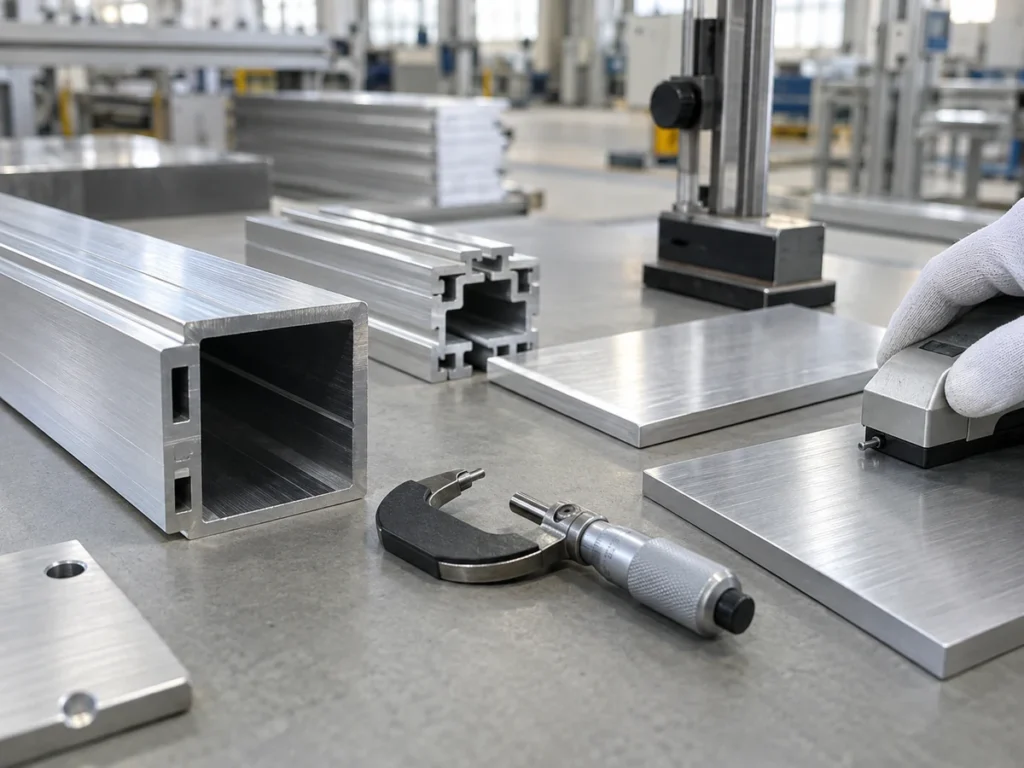
An illustrative drawing discussion
Imagine a purchasing drawing that says “spray the bearing seat to restore size” but omits the final seat requirement. One offer includes finishing; another stops at the deposited condition. Neither description alone tells the buyer what will arrive ready for assembly.
The useful correction is to add a clearly approved final requirement, identify who performs the finishing and define the release record. This example contains no test result, process setting or claim that a particular repair is suitable. It shows how an unclear delivery stage can prevent a fair comparison.
Also review protected interfaces. Threads, sealing faces, mounting holes and mating edges may need explicit treatment instructions. Ask how the supplier will interpret the protected regions and how the delivered part will show that the agreed scope was followed. Avoid adding blanket masking instructions without a geometry review.
If cut blanks are being supplied for a coating project, provide the downstream drawing requirement before the cutting order is released. The blank supplier needs a clear delivery condition. That is a separate conversation from selecting and qualifying a specialist spray process.
Check 3 — agree how a candidate becomes an accepted process
Ask what evidence will support the decision before ordering the production quantity. The specialist and responsible engineer should identify the relevant evaluations, the applicable procedure and the acceptance basis for the intended component. A photograph of a sprayed sample is useful context, but it cannot replace that agreement.
A proposed sample should have a defined role. It might support an early feasibility discussion, demonstrate a finishing sequence or become part of a formal qualification plan. Record which role applies. Do not label an exploratory piece as a qualified production component.
For a repair, establish who has authority to approve reuse and whether the proposed repair falls within the permitted scope. A supplier’s ability to deposit material does not by itself establish that the original component may be returned to service.
Keep changes traceable. If the substrate, deposit material, treated area or finishing sequence changes, ask the responsible reviewer whether the earlier evidence still applies. Give the revised proposal a clear identity rather than attaching new conditions to an old approval.

Questions buyers often ask
Is cold spray always better for aluminum?
No general ranking follows from the process name. Define the surface function, geometry and acceptance evidence, then have a qualified specialist evaluate the proposed process for that component.
Does “cold” mean there is no heat anywhere?
No. The distinction concerns solid-state particle deposition; the process gas can be heated. Ask the specialist to describe the proposed method without treating the name as a thermal guarantee.
Can a machine photograph prove that a part is suitable?
No. A machine image does not establish the material identity, deposit properties, finished dimensions or approval of your part. Keep those claims tied to the relevant records.
What should I send when asking about cut blanks?
Send the profile or stock drawing, material requirement, blank dimensions, quantities and downstream delivery condition. State which dimensions are controlled at the cutting stage and which are established after later operations.
Continue the engineering review
For related questions, read our guides to aluminum coating adhesion, cut-surface roughness and the heat-affected zone in aluminum welding. These cover different checks; they do not qualify a spray process for your project.
For an aluminum cutting discussion, send JiurunCut the blank drawing and delivery requirements. Keep the spray-process selection and qualification with the responsible coating specialist. This article does not claim that JiurunCut supplies cold-spray or thermal-spray equipment or services.
Technical reading: TWI — Cold spraying and TWI — What is thermal spraying?