
MIG vs TIG for aluminum is a process choice that should follow the joint and the delivery requirement. Both can be used for aluminum work. The buyer’s task is to compare a complete proposal: material, joint, preparation, welding scope and acceptance evidence.
Start with the finished assembly drawing, then work backward to the cut parts. This keeps the choice of welding process connected to the components that will arrive at the welding station.
On this page
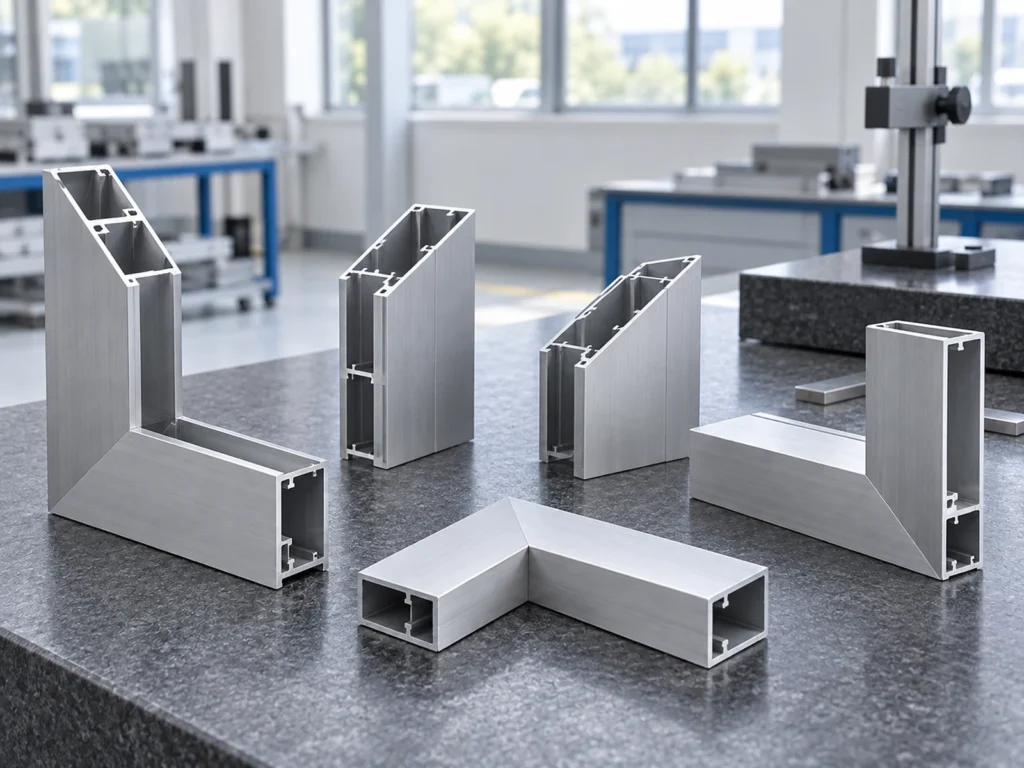
MIG vs TIG for aluminum: the practical difference
MIG uses a wire-feeding system to supply filler. In manual TIG work, the welder typically manages the torch, filler addition and heat control separately. Miller’s process comparison emphasizes the different balance of control, coordination and pace.
| Proposed process | What to review in the quotation |
|---|---|
| MIG | Aluminum wire-feeding arrangement, stated process mode and suitability for the joint. |
| TIG | Equipment suitability, access, control requirements and the planned production approach. |
| Either proposal | Preparation, acceptance requirements, scope exclusions and delivered assembly condition. |
The labels alone do not establish which offer will meet your order. Equipment, joint access, material thickness and required results belong in the same review.
Miller’s industrial aluminum guidance also distinguishes conventional and pulsed MIG. Ask the supplier to identify its proposed approach rather than treating every MIG quotation as the same process.
Decision 1: define the joint
Show what is being joined and what the finished assembly must do. Include the material identities, relevant thicknesses, joint drawing, weld requirements and dimensional controls.
Keep a cut-part drawing and an assembly drawing connected by revision. A profile supplier may quote a correct cut length while a welding supplier works from an older joint arrangement. The purchase package should make that mismatch visible before parts are prepared.
- Identify both mating components and their materials.
- Provide the current joint and assembly drawing.
- State the required weld and finished-assembly characteristics.
- Identify the responsible owner for process approval.
Miller’s advanced aluminum guidance identifies joint design, weld position, base material and thickness among the factors that affect process parameters. For purchasing, preserve those inputs and let the responsible welding specialist define the actual procedure.
If the assembly uses angled ends, our butt versus miter joint guide helps clarify the cut geometry. It does not establish the strength of a welded joint.
Decision 2: compare the production scope
Ask each supplier to describe the work included in its offer. Preparation, fitting, welding, cleaning, inspection and finishing should not disappear into one unexplained “welding” line.
For MIG, ask about the aluminum wire-feeding system and proposed mode. For TIG, ask how the supplier plans the required access, control and work sequence. Compare these answers against your actual joint and batch rather than accepting a universal process ranking.
Where delivery timing matters, request the supplier’s production plan for the stated quantity. Keep any timing estimate tied to its assumptions. Do not copy a general claim about welding speed into a promised output for your own parts.
A quotation may cover only welding supplied components. Another may include material preparation and completed assembly inspection. Put them on the same scope before comparing price or lead time.
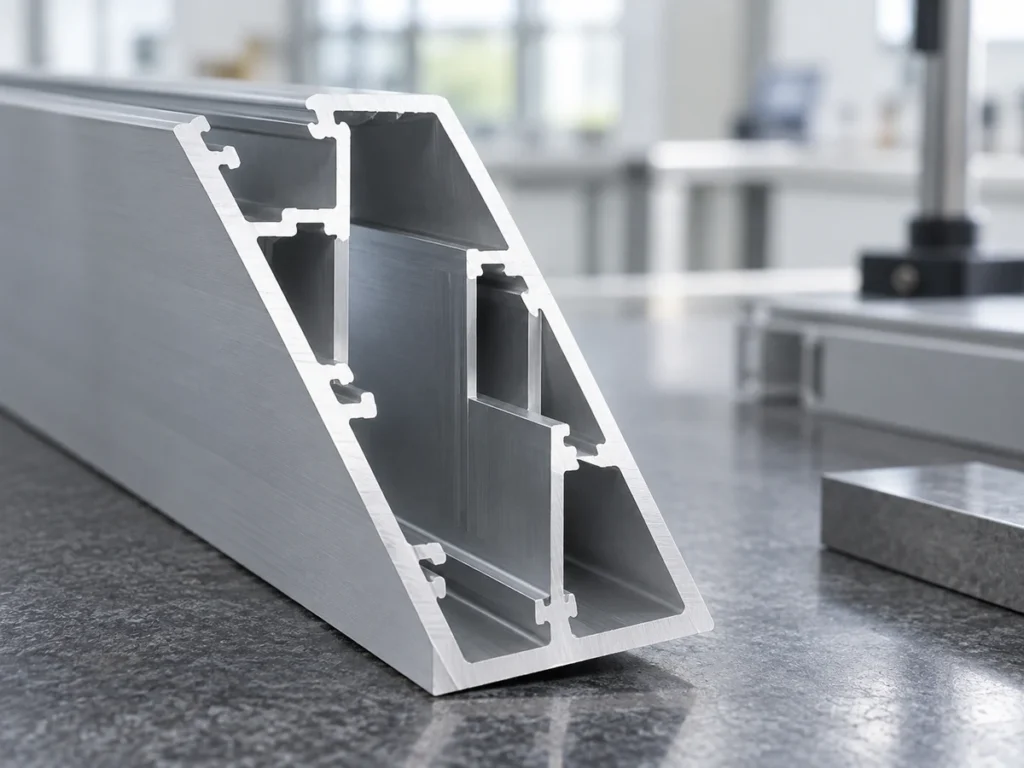
Decision 3: align the prepared parts
Agree on the condition in which the cut parts reach the welding supplier. Include cut length, orientation, edge requirements, surface protection and the relevant identification records.
Miller’s aluminum guidance treats cleaning, storage and heat control as common considerations for both MIG and TIG. Translate that into a defined preparation handoff with the welding owner. Obtain the actual cleaning and welding instructions from that owner.
Ask whether the welding supplier expects unfinished stock, selected areas prepared for joining or a later finishing operation. Preserve any functional surfaces and identification marks needed after the parts are assembled.
For cutting, use the aluminum cutting before welding guide to organize the drawing and handoff information. Also define the finished-length datum so the cut-part measurement matches the assembly requirement.
Separate filler-metal selection from base-material identification. The advanced Miller guidance highlights that filler choice depends on the application. Ask the welding specialist to specify it; do not substitute a filler from a generic alloy list.
Decision 4: define the delivered condition
Specify what the supplier will deliver and how it will be accepted. The package might require a completed assembly, identified welded components or cut parts ready for another supplier. Name that condition explicitly.
Keep appearance separate from the other acceptance requirements. A visually neat bead does not provide evidence for every dimensional, material or weld requirement in the drawing.
Miller’s advanced guidance also discusses the heat-affected zone around aluminum welds. Where properties after welding matter to the application, have the design owner define the applicable requirement and evidence. Do not assume the original stock properties describe the complete welded assembly.
Agree on the records before production:
- Drawing and procedure identification where required.
- Material and batch identification.
- Specified weld and dimensional inspection results.
- Finishing and protection condition.
- Recorded exceptions and approval decisions.
For initial deliveries, include the agreed fields in the first article inspection package. Recurring deliveries should retain the link to the approved drawing and batch records.
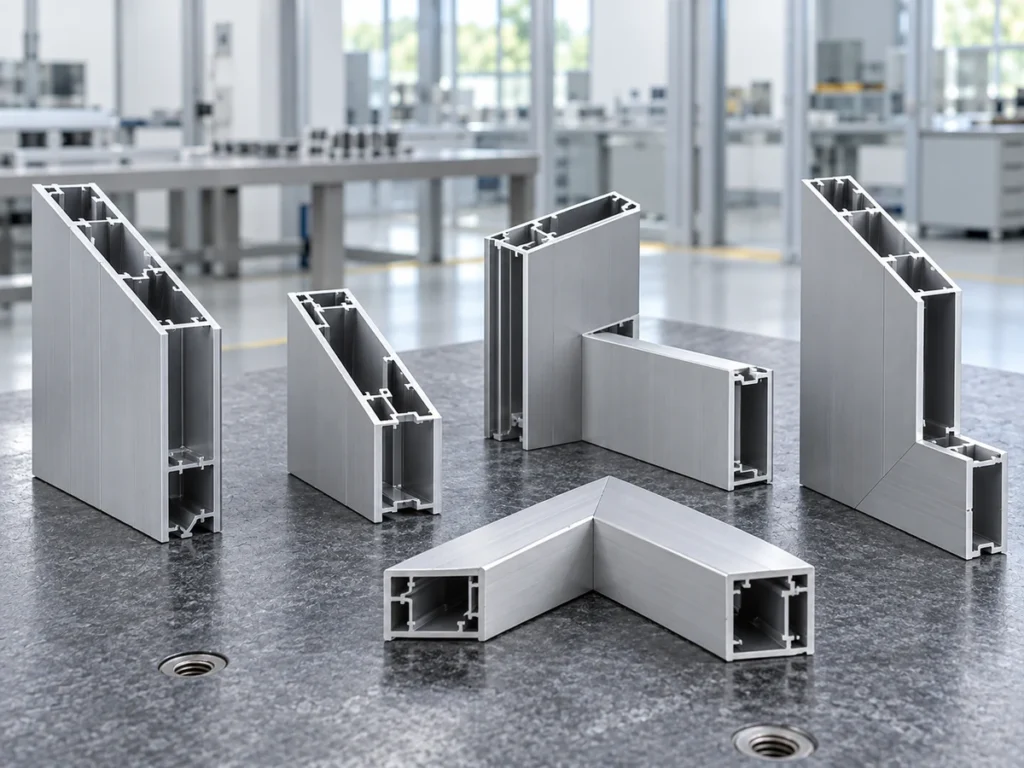
A clear RFQ handoff
Use a concise request that preserves the decision inputs:
Quote the aluminum assembly to the attached drawing revision. State the proposed welding process and scope, required incoming-part condition, preparation responsibilities and delivered finish. Identify the acceptance evidence and any exclusions. Submit proposed changes to the joint, material or process for review before production.
For the cutting portion, add profile drawings, finished cut lengths, quantities and part orientation. Send these through our contact page so the preparation review can follow the actual downstream operation.
Clarify the division of responsibility among the cutting supplier, welding supplier and design owner. This keeps a quotation for prepared aluminum parts from being mistaken for approval of the complete welded assembly.
Questions buyers ask
Is TIG always the better-quality choice?
No universal acceptance decision follows from the process name. Compare the proposed procedure and evidence against the same joint and requirements.
Can MIG be used for aluminum production?
Yes. Manufacturer guidance covers industrial aluminum MIG systems and modes. The supplier still needs to establish suitability for the actual work.
Does a weld photo prove the process used?
Use process records and identified evidence. Appearance alone should not replace the stated procedure and inspection package.
Can I approve the welded assembly from the cut-part report?
A cut-part report covers its stated inspection scope. The assembly’s welding, finishing and final requirements need their own agreed evidence.