
Protective film for aluminum should be specified by its product identity, the surface it touches and the conditions in which it remains attached. “PE film included” is not a complete requirement. It leaves the adhesive, intended surface, exposure conditions and removal stage unresolved.
For aluminum profiles moving through cutting and later processing, record five order fields: film product, surface condition, process scope, exposure period and removal responsibility. Confirm the particular film with its supplier and evaluate it on the actual supplied surface. A general product description does not approve it for your cutting job.
On this page
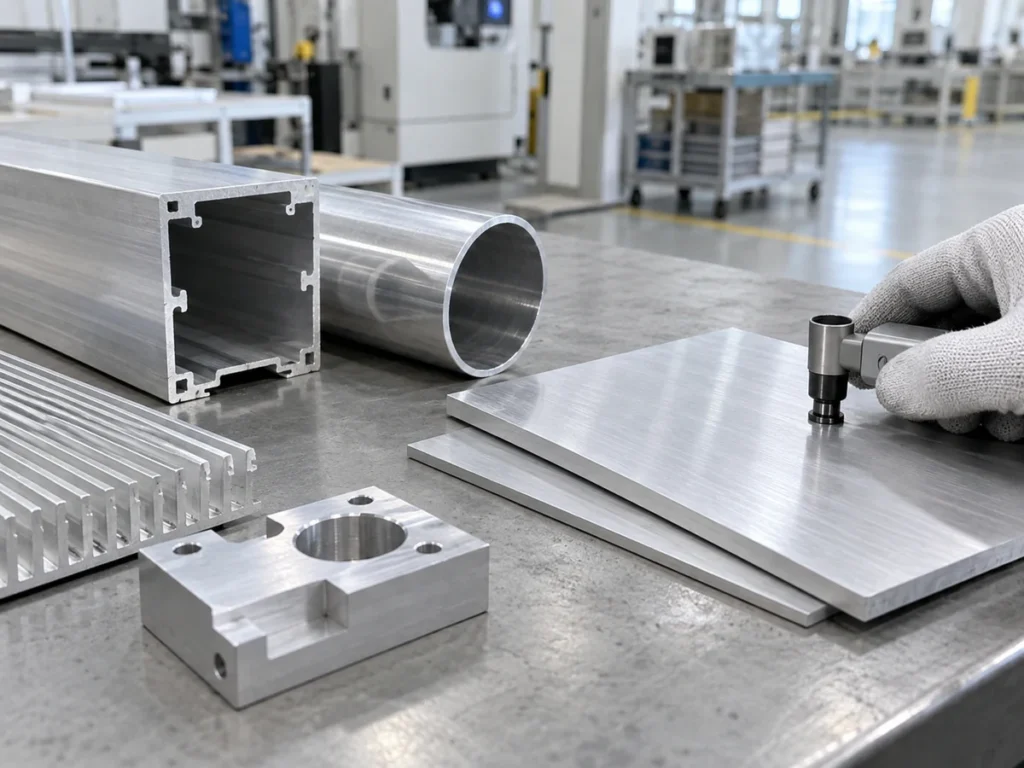
Protective film for aluminum: identify the complete product
Keep the manufacturer’s film code and current technical information with the order. Record its backing and adhesive description where the supplier provides them. A backing name such as polyethylene identifies one part of the construction, not a complete surface-protection system.
For example, the tesa 4360 product page lists PE film backing, acrylic adhesive and transparent color as separate fields. It describes a temporary interior-protection product for smooth surfaces, including aluminum. These are details of that particular product, not a recommendation for every extrusion or saw process.
Request the exact code for a film already supplied on incoming stock. If only a roll color or informal shop name is known, keep the identification open. Two films that look similar should not become one product entry merely because both are transparent.
The tesa page also explains that its technical figures are average values rather than specification values. Retain that distinction when transferring information into the purchase record. Do not turn an observed product-data value into a guarantee for your application.
Field 2: match the actual aluminum surface
Describe the surface receiving the film. Identify whether it is supplied bare, anodized, painted or otherwise finished, and attach the relevant finish requirement. Keep the protected faces visible in the section or component drawing.
Nitto’s substrate-and-processing lineup provides separate compatibility entries for aluminum surfaces and aluminum sashes with different surface treatments. It also says that treated surfaces may exhibit different peeling behavior. The practical purchase question is which film is confirmed for your actual finish.
Give the film supplier representative surface information. A sample from another finish should not stand in for the production stock. If the finish or its supplier changes, retain the new identity and ask whether the existing film assessment still applies.
Keep film compatibility separate from the quality of the underlying finish. Our anodized-aluminum cutting guide covers the separate finish and cutting questions. A successful film removal does not establish the required anodizing thickness or an accepted cut dimension.
Field 3: clarify what happens with the film attached
List the stages between film application and removal. For a profile cutting order, identify loading, locating, cutting, handling and any later processing within the proposed route. Ask both the film supplier and the process owner to confirm the intended use.
A description covering transport protection does not by itself approve cutting with the film in place. Likewise, an application description for one machining or metal-processing method does not establish suitability for a different process. Keep each required stage visible in the review.
State whether the proposed cutting arrangement uses the protected face as a contact face. Provide representative stock in the actual incoming condition. Let the machine supplier confirm its intended support and locating arrangement rather than selecting a setup from the film’s marketing description.
Where later painting or bonding is required, identify that stage before choosing the film. Nitto’s lineup notes that adhesive traces after removal may interfere with subsequent surface processes. Keep the required compatibility review assigned to the team responsible for that later operation.
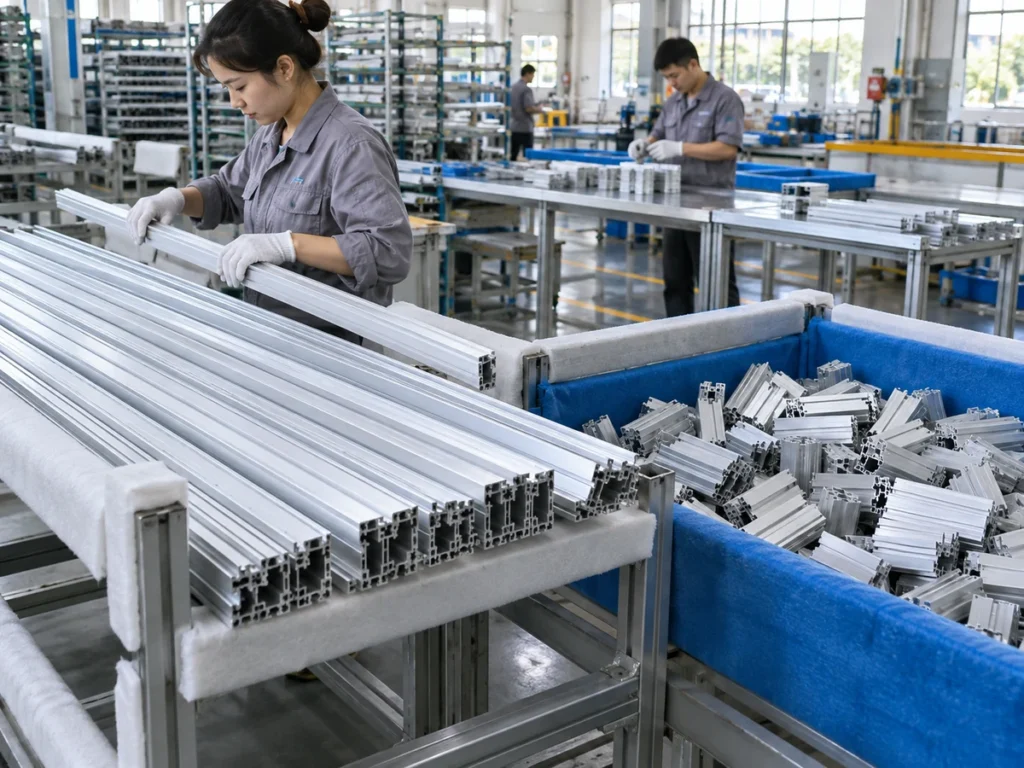
Field 4: record the exposure and time window
Specify whether the protected parts stay indoors, move outdoors or experience another stated environment. Record the planned application, storage, transport and removal dates. Ask for the applicable product guidance for that exact sequence.
The tesa 74921 product-information sheet gives different removal periods for indoor use and outdoor use on different surfaces. It also notes that aged or weathered surfaces can present removal effects. This is a product-specific example of why one undifferentiated “storage time” field is inadequate.
Do not copy that product’s periods onto another film. Use the identified film’s current instructions and the relevant conditions. Keep the scope of any supplier confirmation attached to the product code, surface and planned exposure.
| Record field | Information to retain |
|---|---|
| Film identity | Manufacturer code and applicable product-information reference. |
| Surface | Finish identity, protected face and representative stock reference. |
| Exposure | Actual environment and relevant processing stages. |
| Removal | Planned timing, responsible team and required surface review. |
Field 5: assign removal and surface review
Define whether the customer receives filmed parts or parts with the film already removed. Identify who removes the film and who reviews the exposed finish. Keep the required acceptance reference and the delivery condition in the quotation.
Ask the film supplier for its applicable removal instructions. Do not invent a universal peel angle, cleaning fluid or heating method from a generic online tip. Retain the instructions appropriate to the actual product and surface.
Record the agreed observations after the representative evaluation. Identify the stock, finish, film, exposure and removed area. Keep a sample photograph with that identity, but do not treat a clean-looking image alone as evidence that later finishing or bonding is acceptable.
If the result leaves a question about the surface or later processing, keep the affected material identified for review. Avoid hiding the unresolved question by replacing the film without recording the product change.
A fictional two-offer comparison
Suppose fictional profile order F32, revision B, requires protected cut members for later assembly. Offer A states “PE film included.” Offer B names film product P, the supplied finish, the protected faces and a proposed removal stage. These are invented offers, not actual supplier recommendations.
Offer B has more identifiable information, but it is not automatically approved. Its proposed film still needs confirmation for the required surface and route. Offer A first needs its product identity and intended conditions clarified.
Now suppose the delivery plan changes from indoor receipt to an outdoor holding stage. Keep that change in the review even if the profile drawing is unchanged. A previous confirmation for the earlier route should not be silently expanded to cover the new exposure.
The example supplies no film thickness, adhesive value, exposure limit or accepted removal result. It demonstrates how to preserve the conditions behind a film proposal.
Distinguish film from packing separators
An adhesive surface film, a loose separator sheet and rack padding have different identities in a packing plan. Name the actual material and its role. Do not label every white sheet in a photograph as a tested protective film.
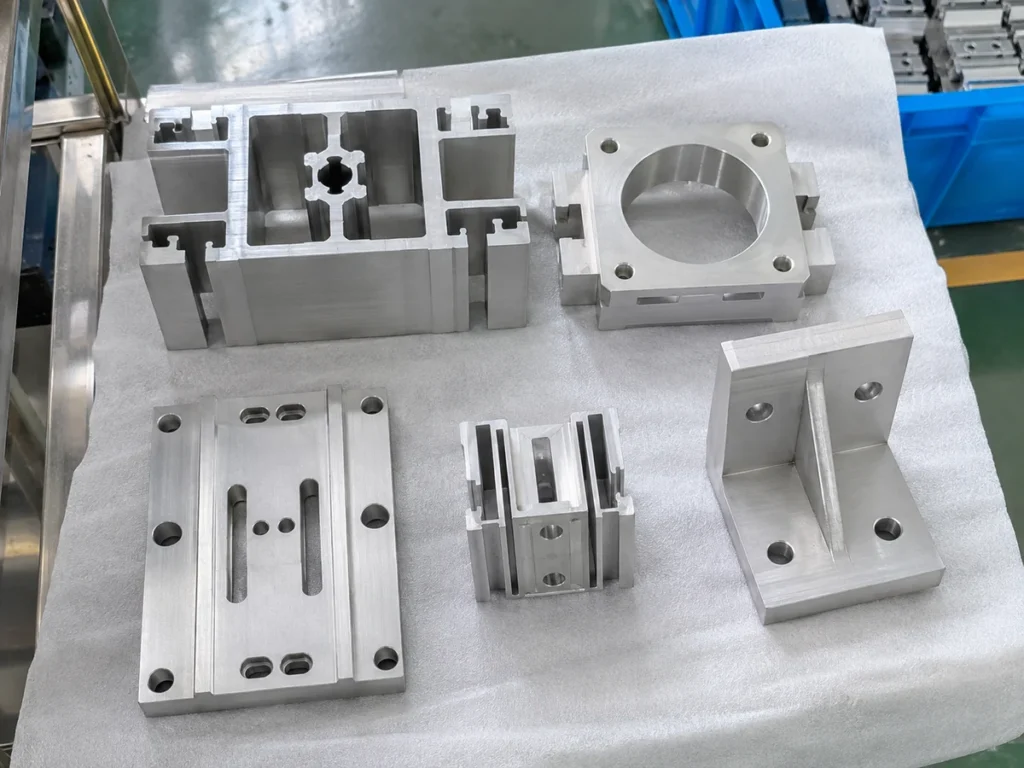
Keep the wider packing requirements separate. Our cut-part packaging guide covers the package and handoff scope. Film inclusion alone does not establish a complete shipping package or a validated handling arrangement.
Prepare a usable cutting inquiry
Send the section and cut list, material and finish identity, supplied film code, protected-face drawing and required delivery condition. Add the intended route and any later surface process. Identify which film questions remain with the material or film supplier.
Contact JiurunCut to review cutting of the actual incoming profiles. Ask the supplier to confirm the proposed handling and sample-review scope. For the broader appearance requirements, see our visible-surface protection guide.
Buyer questions
Is PE film a complete product specification?
No. Keep the film code, adhesive and applicable product information with the actual surface and intended use.
Does “for aluminum” approve every aluminum finish?
Confirm the identified film on the specified surface. Bare, treated and coated surfaces need their applicable compatibility review.
Can a transport film automatically remain during cutting?
Have the film supplier and process owner confirm the intended route. The transport description alone does not answer the cutting question.
Should every customer receive the parts with the film attached?
Use the agreed delivered condition and removal responsibility. Keep the customer’s next operation and surface-review requirements visible.