Build an aluminum cutting machine maintenance checklist from the actual machine manual, tooling instructions and authorized site procedures. For every task, state who may perform it, when it is due, what record is required and how concerns are escalated. A general checklist can organize that work, but cannot supply universal service intervals, settings or permission to access guarded areas.
Three things to remember
- Separate safe operator observations from authorized maintenance work.
- Connect each task and service record to the exact machine configuration.
- Define safety and quality release requirements before production resumes.
On this page
Where should the maintenance checklist come from?
Start with the specific machine, tooling and site procedures. Turn their requirements into a record of what is checked, who is responsible, when it is due and what happens if a concern is found.
This is an organizational framework. It does not set lubrication grades, clamp pressures, torque values, service steps or a universal maintenance interval.
Which checks can an operator perform safely?
Normal observation from a designated safe position is different from service inside a guarded area. Make the permitted boundary clear in each task description.
Unexpected startup or stored energy can remain hazardous when a display is stopped or a door is open. Authorized personnel must follow the applicable isolation and verification procedure.
Use the machine manual and approved training. Do not add tasks that require bypassing interlocks, reaching toward tooling or clearing material while mechanisms can move.
Who owns each part of the plan?
Separate operator observations, authorized maintenance, tooling service, production or quality checks and supplier support. Assign owners and escalation paths before a fault interrupts production.
| Responsibility | Planning items to define from approved procedures |
|---|---|
| Operator | Safe observations, job handover and reporting triggers |
| Authorized maintenance | Inspection, isolation, service tasks and release criteria |
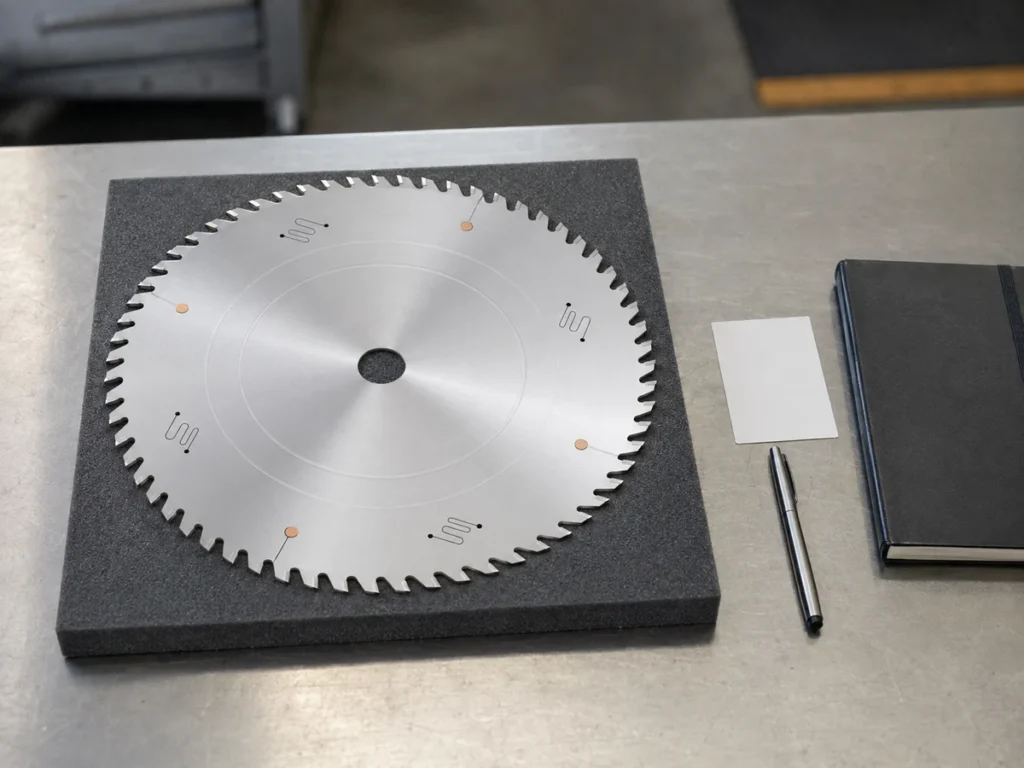
| Tooling service | Approved blade identity and service/replacement decisions |
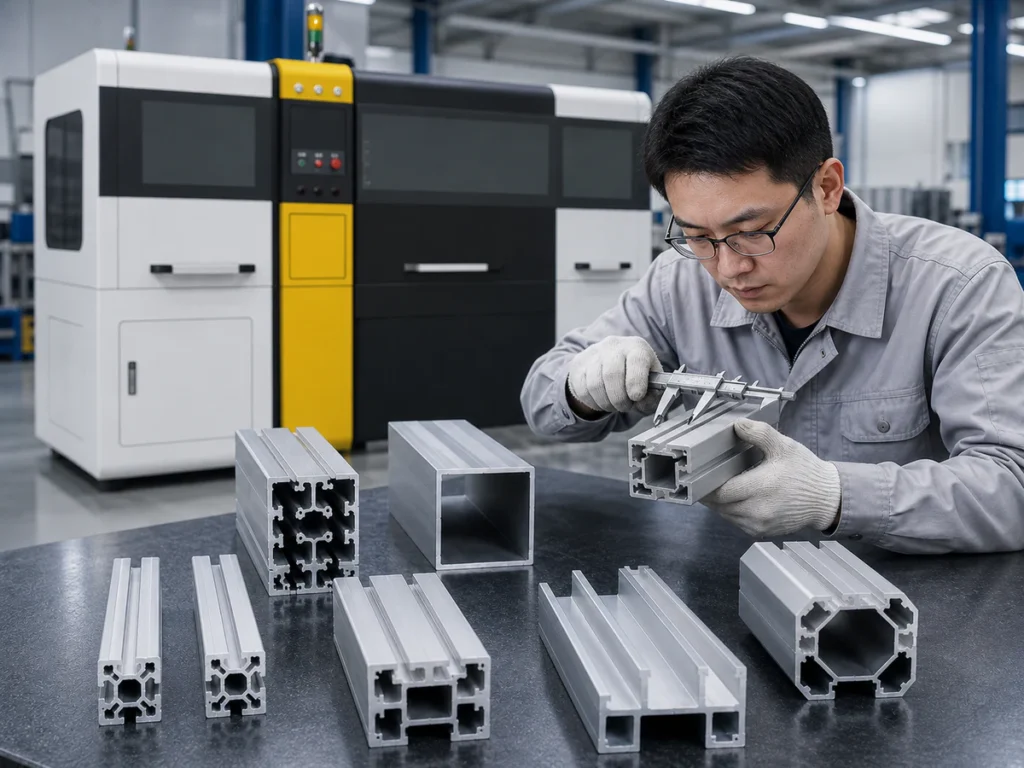
| Production / quality | Representative part checks after relevant changes |
| Supplier support | Unresolved faults, configuration questions and technical records |
The plan should prevent necessary work from becoming “someone else's check.” Each responsible person needs a clear task and a defined point at which to report or hand it over.
Which machine records should stay together?
Keep the model and actual configuration, serial reference, current manual, installed options, approved tooling and relevant software or program revisions together.
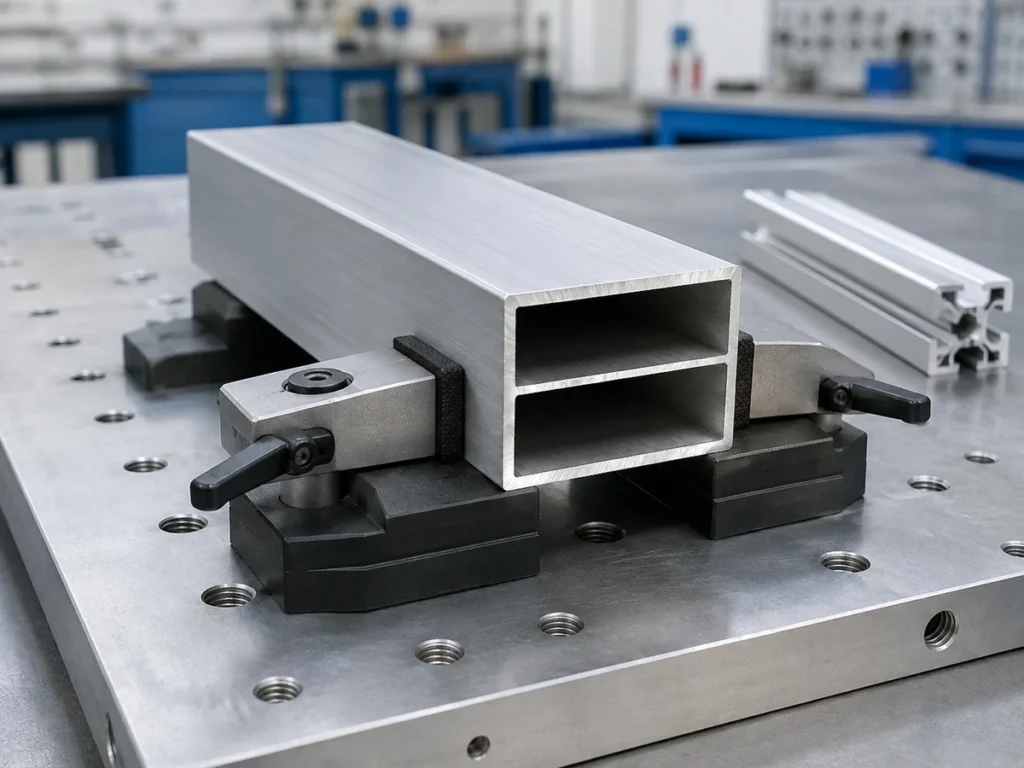
A fixture is the support or holding arrangement around the part; keep its identity in the record too. A model name alone may not identify every installed option needed for a parts or service request.
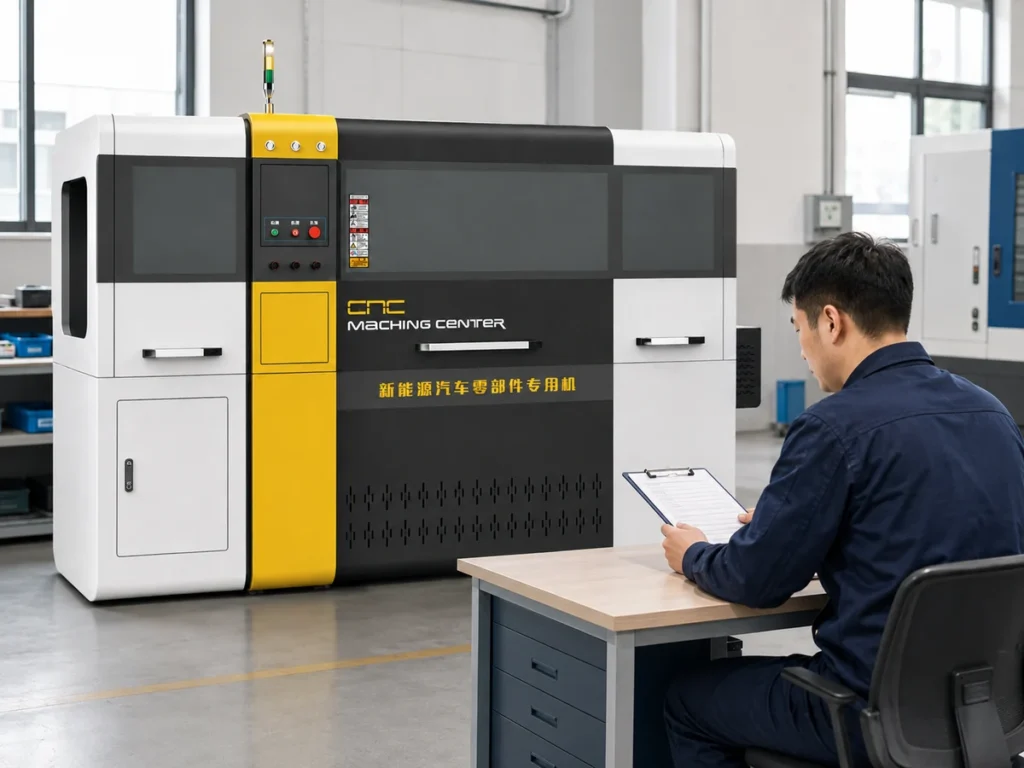
Link the records to the particular machine. Do not copy a service interval from another machine just because the two look alike.
What should a condition-and-action log record?
For each concern, note the date, machine state, job, observation, reporter, action taken and authorized outcome. Attach relevant part photographs or inspection results.
The approved plan may cover changes in positioning, holding, tooling, lubrication or extraction where fitted, supports and finished-part handling. These are topics to report and review, not permission to adjust them without authorization.
Avoid writing “checked—OK” when the task requires an actual measurement or test. The record should show what was done and by whom.
How should service records connect to part-quality checks?
If maintenance affects the cutting setup, define whether a first-part check or representative sequence is required before release. A datum is the measurement reference; a tolerance is the allowed dimensional variation.
Use the job's agreed references and limits, then store the results with the service record. This makes the path from fault report to resumed production understandable.
The accuracy and repeatability guide explains why closely grouped measurements do not necessarily meet the required size.
Which documentation gaps commonly cause confusion?
An unclear interval: “Regularly” does not say when a task is due. Record the applicable interval and its source from the approved instructions.
Unclear authority: A checklist should never direct an untrained operator into a maintenance task. Name the authorized role.
An unrecorded change: A different tool, fixture or program may require its own review and setup record.
No release criteria: Finishing the service task does not automatically clear every safety and quality requirement. Define the remaining checks and responsible approval.
These are planning decisions the site can resolve without inventing machine-specific settings.
What information helps supplier support act on a problem?
Describe the exact configuration, symptom, starting point, affected job and recent changes. Include the relevant log, approved tool reference and representative part evidence.
State which checks authorized personnel completed and what remains unknown. This is more useful than reporting only that a machine is “not accurate.”
Distinguish an existing machine's service issue from a new application question. The former needs machine and service context; the latter begins with the profile and production requirement.
How should the checklist be kept current?
Assign a document owner and revision date. Update the plan when approved equipment, procedures or responsibilities change, not merely to make the document look recent.
Retain earlier records under the site's policy. Do not automatically publish internal maintenance logs or customer drawings in public media storage.
Use this framework with the blade inspection planning guide, the machine manual and authorized site procedures.
What else should you know?
Can this checklist replace the Jiurun manual?
No. It organizes responsibilities and records. The machine-specific instructions remain necessary.
Should every plant use the same maintenance frequency?
No. Use the applicable equipment and tooling instructions and the approved site program.
Is a quality check enough to release a serviced machine?
Not by itself. Safety and maintenance release requirements also need to be completed by the responsible personnel.
Sources & Scope
- OSHA: Control of Hazardous Energy overview. https://www.osha.gov/control-hazardous-energy/. General maintenance hazard explanation; local requirements and the specific machine procedure still apply.
- Jiurun machinery brochure supplied by the owner. 九润画册 PDF physical pages 6–19. Machine categories and configuration identity only; not test results or an operating manual.