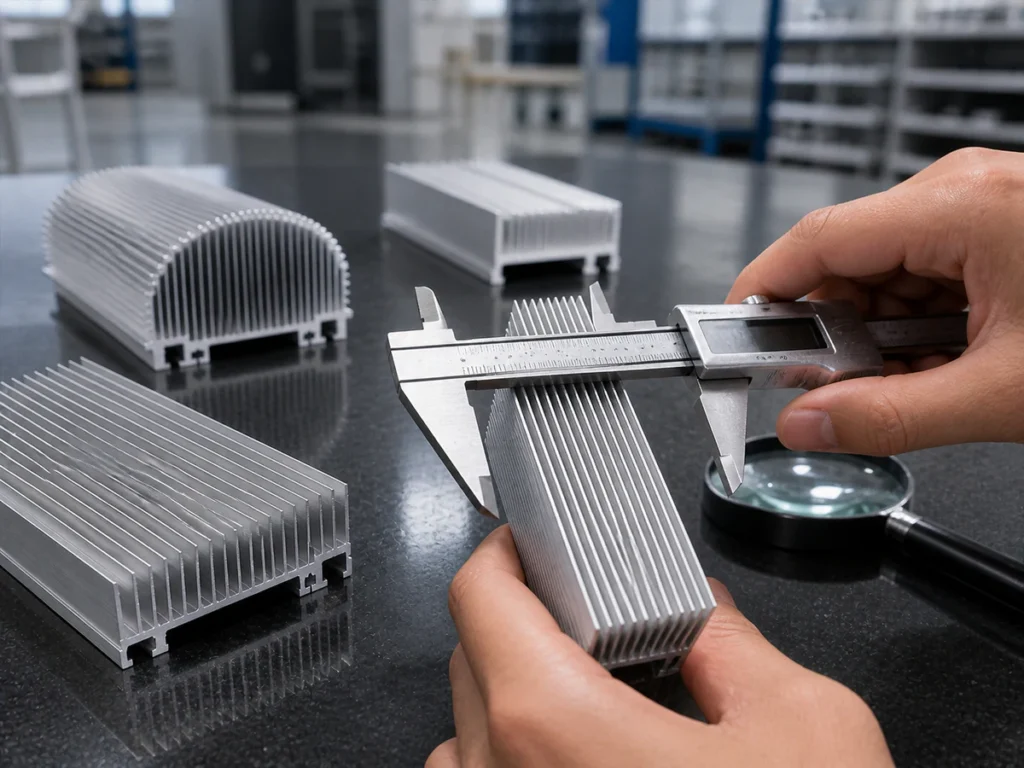
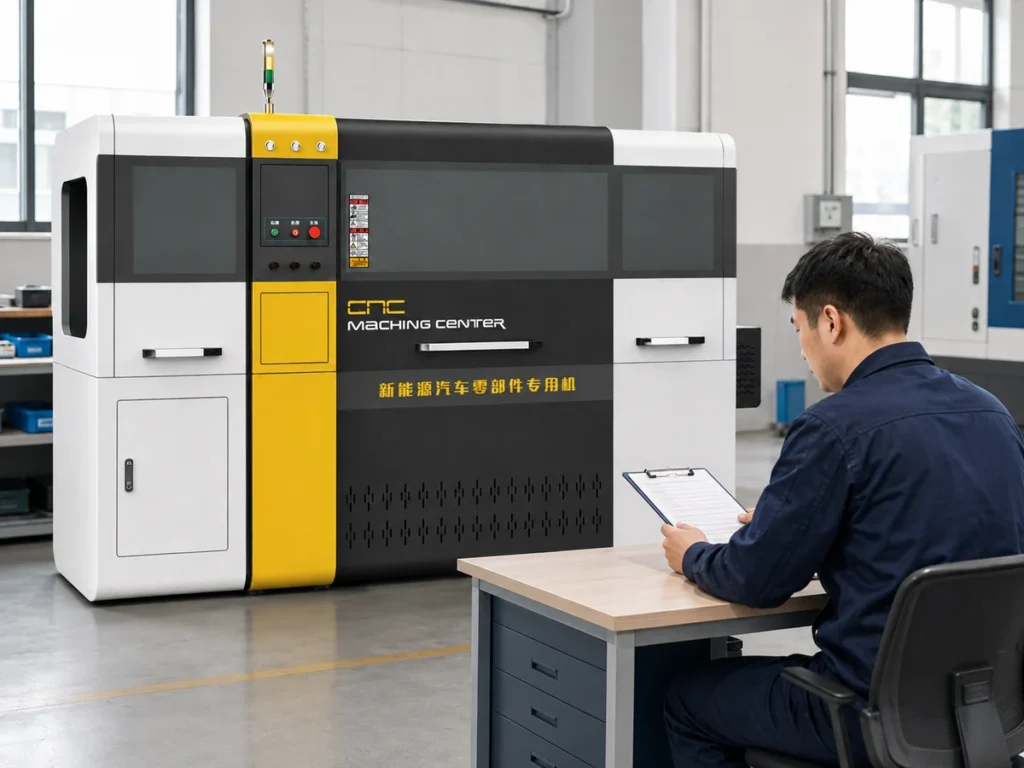
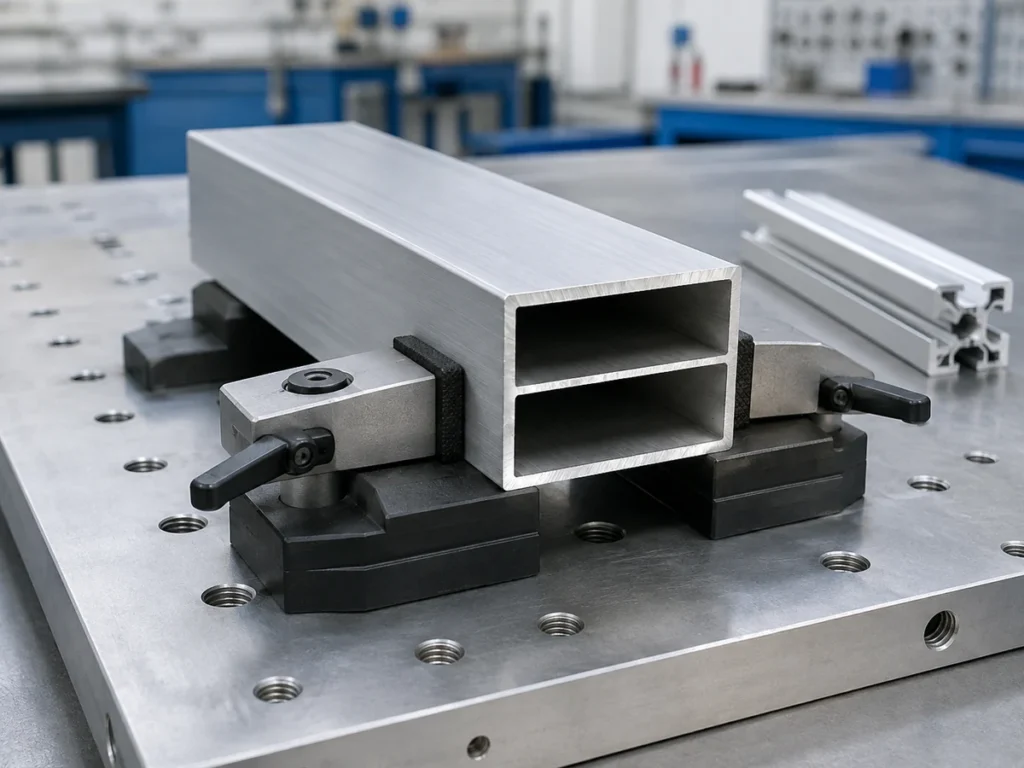
Use the machine and saw blade instructions, together with the blade’s condition on your job, to decide when it needs inspection, service or replacement. One cut count or calendar interval cannot suit every application. Report unexpected changes in cut quality. If you suspect damage or notice abnormal vibration or another safety concern, stop and report it rather than try another cut.
Three things to remember
- Record what changed; poor cut quality does not by itself prove the blade is at fault.
- Leave blade service to authorized personnel using the approved procedure for controlling hazardous energy.
- Keep the blade reference, service history and checks before restarting production together.
On this page
Do not rely on one replacement interval for every job
A blade’s inspection and replacement requirements depend on the blade, profile, material and setup. Follow the service intervals and condition checks in the relevant machine and tooling documents.
Record unexpected changes in quality so they can be checked. If you suspect damage, notice abnormal vibration or find another safety concern, follow the site’s procedure to stop and report the problem. Do not run an extra trial to see whether it goes away.
Record what the operator noticed
Record changes in the cut face, edges, noise, vibration or part dimensions. This helps maintenance decide what to inspect. It does not prove that the blade is the only cause.
Note when the change started and which profile was being cut. Record any change to the material, program, supports or fixtures. A fixture is the arrangement that supports and holds the part.
Include the blade reference and its known service history. Give these details to authorized maintenance personnel; an untrained operator should not inspect inside the cutting area.
Why pressing Stop is not enough for internal inspection
A machine can start unexpectedly. Stored electrical energy, pressure in air or hydraulic systems, or other stored energy can still be hazardous during service work.
Follow the machine instructions and your site’s procedure for isolating hazardous energy and verifying that the equipment is safe for the work. Pressing Stop, opening a door or seeing a stationary blade does not replace that procedure.
Only authorized personnel should handle the blade, inspect inside the machine, clean it or replace it under the approved conditions. OSHA explains stored-energy risks in its U.S. guidance. Your local requirements and the instructions for the particular machine still apply.
Keep a clear saw blade record
Keep the supplier’s blade reference and approved specification with its installation or service date. Record the machine and job it is intended for, its observed condition and the action that was decided.
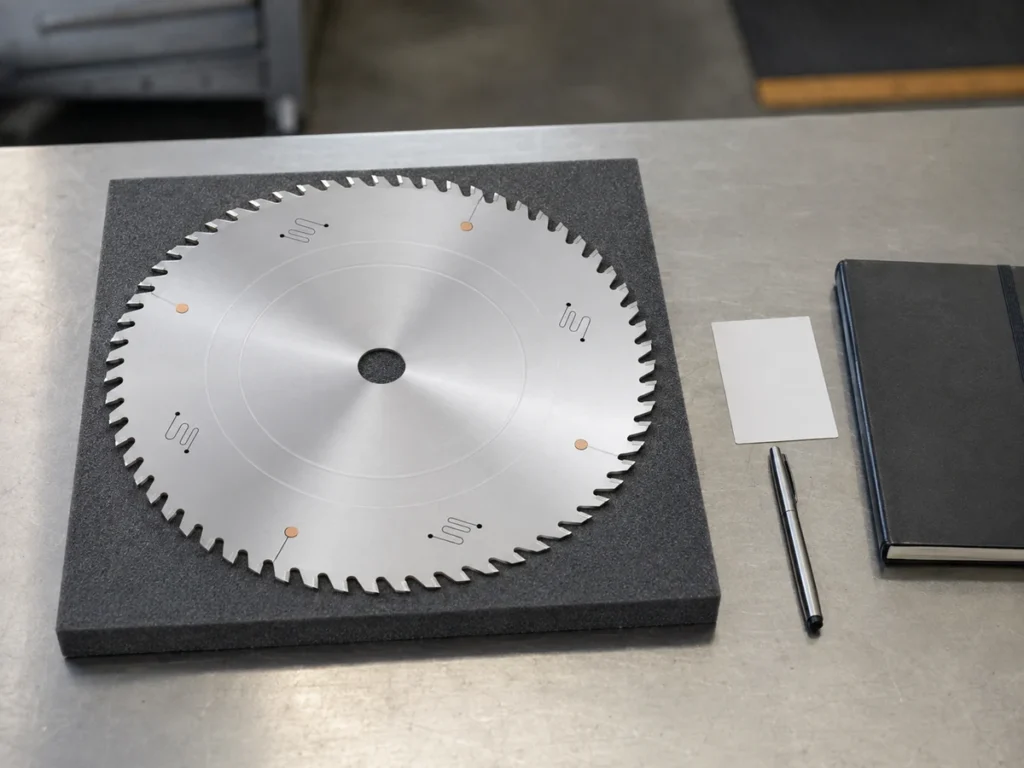
Matching the center-hole size alone does not show that a blade suits your machine and job. For example, the LEUCO aluminum-profile blade family linked below lists several specifications. The complete approved specification matters, not just the hole size.
Use the approved documents for the blade diameter, tooth count, tooth shape, rotation speed, sharpening requirements and tightening torque. This article does not set those values.
Give maintenance the machine, blade and job details
Give maintenance enough detail to connect the problem to the machine, blade and job. This helps them see whether it is a new problem or one that has happened before.
| What to record | Why maintenance needs it |
|---|---|
| Machine and installed equipment | Shows which machine and setup used the blade |
| Blade reference | Connects the blade to its approved specification |
| Profile and material | Shows what was being cut when the change appeared |
| Change in the part or machine behavior | Explains why the blade or setup needs checking |
| Service history and recent changes | Shows whether the same problem has occurred before |
| Decision by authorized personnel | Records whether the blade needs inspection, service, replacement or further checks |
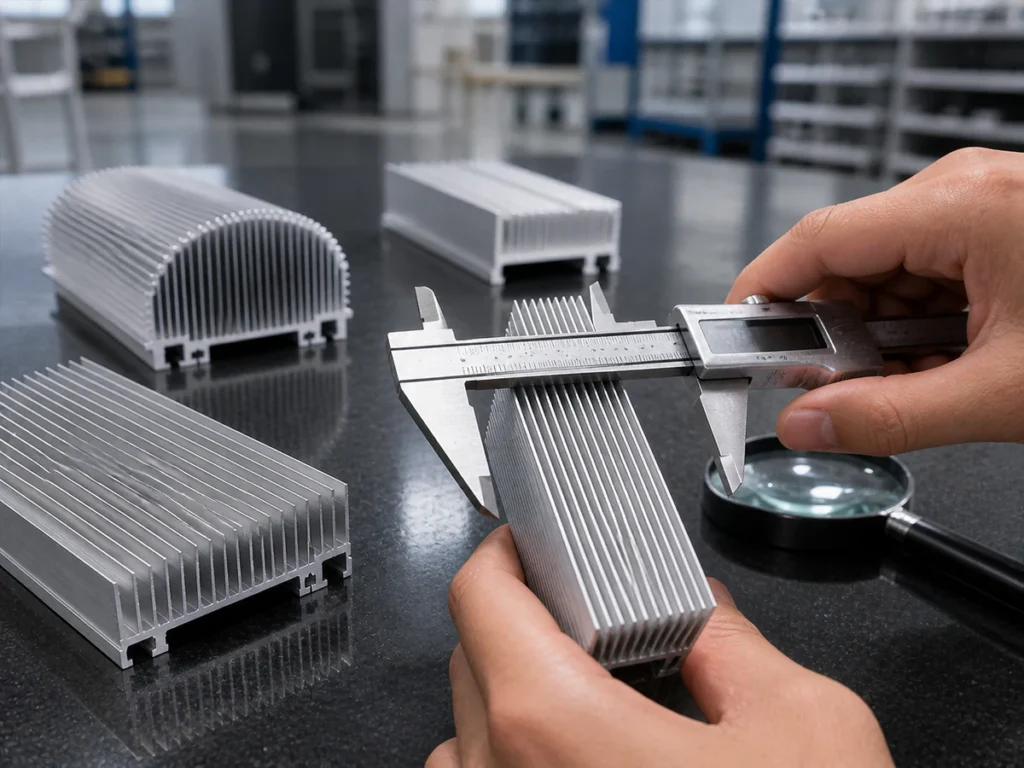
Label the part and affected edge in sample photos. Describe what you saw instead of calling it a “bad blade” before it has been checked.
Include recent setup changes in the checks
If the problem started after changing the profile or fixture, include that change when checking the cause. Confirm that the blade and setup are still the intended ones for the job.
A newly fitted blade does not rule out other causes. Keep the inspection and setup records so you can compare the details if the problem returns.
The burr investigation guide covers the other areas to investigate when cut-edge quality changes.
Complete the required checks before production resumes
After authorized service, follow the manufacturer’s procedure and your site’s approval process before returning the machine to production. Fitting the blade is only part of that work.
The approved procedure may include checking a representative cut. Record the material, setup and results for the finished part. Keep the record for the next inspection or service decision.
Do not resume production just because the blade has been replaced if another safety or machine-condition concern is still unresolved.
Help supplier support understand the problem
Provide the machine identity, saw blade reference, profile and material details, and photos showing the problem on the finished part. List when each change happened. Separate what operators observed from the checks authorized maintenance personnel completed.
Share only the documents needed to explain the problem; leave out unrelated personal information or confidential drawings. To organize the wider machine records, use the maintenance planning checklist.
If you are asking about a new cutting job rather than a service problem on an existing machine, the machine selection guide is a more useful starting point.
What else should you know?
Should I replace a blade after a fixed number of days?
Follow the approved maintenance instructions and blade-condition checks. Days alone do not tell you how the blade has been used or what it has been cutting.
Can I inspect inside the machine after pressing Stop?
Only as permitted by the site’s and manufacturer’s authorized service procedure. Pressing Stop does not replace the required isolation of hazardous energy.
Does this article approve a replacement blade?
No. Use the applicable machine and tooling documents to confirm whether a blade is suitable and what service it needs.
Sources & Scope
- OSHA: Control of Hazardous Energy overview. https://www.osha.gov/control-hazardous-energy/. General maintenance hazard explanation; local requirements and the specific machine procedure still apply.
- LEUCO: TR-F K easyFix saw blades for aluminum profiles. https://www.leuco.com/EN/US/Circular_Saw_Blades/NF-Circular_Saw_Blades/NF-Chop_Saw_Blades_HW-_profiles_TR-F-K-easyFix. Specifications within this blade family and its secure-workholding requirement; not approval of a replacement blade for a Jiurun machine.