
Woodruff key vs parallel key starts with the key form and its matching connection. Identify the approved shaft, hub and purchased key before comparing replacement quotations. A shared width does not establish that two keys are interchangeable.
For an aluminum hub or component blank, keep the finished interface on its controlled drawing. The following review separates the key’s identity, the mating features and the work included in the order.
Three questions before ordering
- Does the offered key have the approved form?
- Does the designation retain every required dimension and detail?
- Who supplies and accepts each part of the connection?
On this page
1. Read the form in woodruff key vs parallel key
A Woodruff key has a curved profile that distinguishes it from a straight parallel-key form. Keep that geometry visible in the approved connection detail instead of reducing the item to the word key.
Woodstock Industrial’s Woodruff-key catalogue describes a semicircular disc segment seated in a matching shaft pocket, with its flat top entering the hub keyway. That is a description of the supplied key type; it does not approve a connection for an unidentified machine.
The supplier’s parallel-key catalogue identifies its parallel-key range separately. It lists end forms with both ends radiused, both ends square, or one of each. Preserve the required end form as part of the item identity.
These catalogue descriptions help a buyer distinguish the requested products. The responsible designer still has to confirm the actual shaft and hub requirements, loading, fit and retention arrangement.
| Key type | What to identify |
|---|---|
| Woodruff key | Curved key form and the approved matching pocket. |
| Parallel key | Section, axial extent and required end form. |
| Proposed replacement | Exact part reference and approval for the complete connection. |
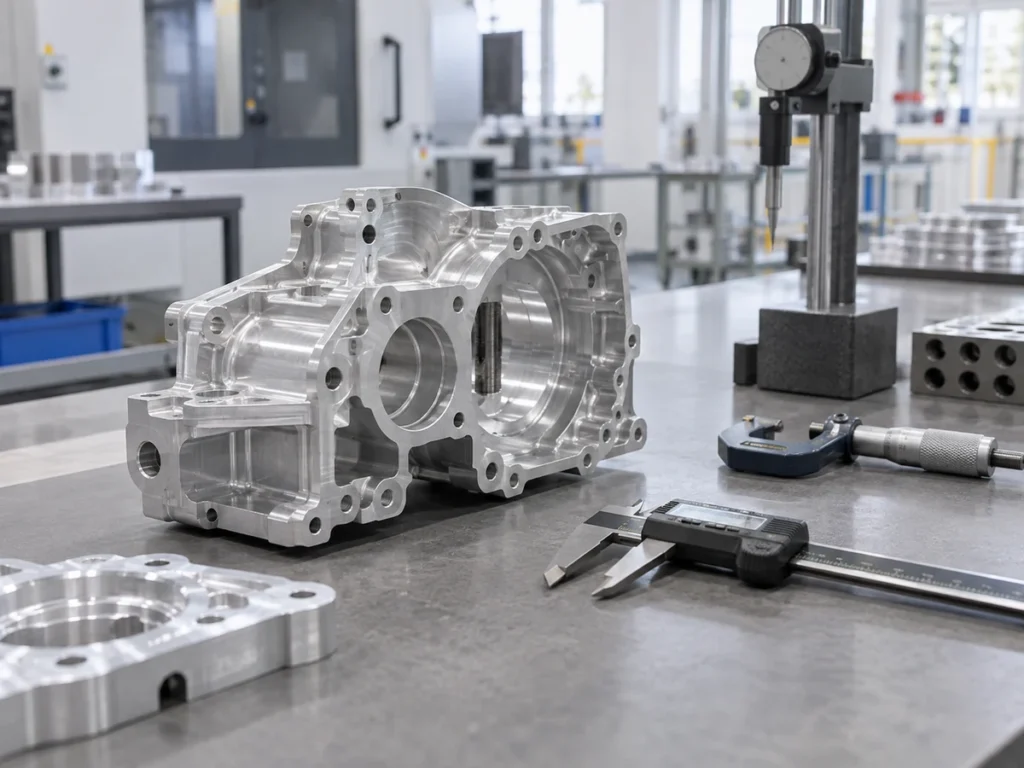
A photograph can help locate the connection during a discussion. It should not replace the released detail or establish a hidden pocket’s dimensions.
For maintenance work, request the equipment supplier’s approved replacement reference. If a drawing and an installed part appear different, resolve the discrepancy before choosing which one to copy.
2. Read the complete designation before comparing size
Keep the purchased key’s designation separate from the shaft and hub feature callouts. One identifies the item to supply; the others define the features that receive it.
The Woodruff catalogue distinguishes thickness, height and nominal disc diameter in its dimensional information. Preserve the labels supplied with the specific part rather than treating the disc diameter as the shaft diameter.
For the parallel-key order, retain section, length and end form. The supplier also cautions that specifically cited standards can have dimensional or tolerance differences. Ask it to confirm the exact requirement instead of substituting a familiar designation.
Check the units on the controlled documents and the proposed item. Record any approved conversion without silently replacing the original dimensions or the tolerance definition.
Retain the material and supplied condition from the approved specification. An aluminum hub does not mean that the separate purchased key must be aluminum. Identify each component’s material independently.
If a quotation shortens a part number, ask for the full reference and its applicable product drawing. Preserve any revision or option that changes the offered form.
Keep shaft and hub dimensions in their own drawing fields. Do not calculate their pocket depths from an assumed equal division of the key height.
Our keyway-dimensions guide explains the related interface review. Use it to organize the shaft and hub callouts after the actual key type has been identified.

3. Read who supplies and accepts the connection
List the shaft, hub and key as separately identifiable order items. State which supplier provides each item and which controlled documents apply.
A key-only quotation does not include a new shaft pocket or a machined aluminum hub unless that work is explicitly quoted. Keep the delivered stage visible when comparing prices.
For a completed component, retain the required feature inspection and acceptance information. A note that a key was supplied does not establish that the matching features have passed their checks.
Have the responsible technical team assess any proposed change in form, dimensions, material or connection arrangement. Preserve its decision with the relevant drawing revisions.
A catalogue’s general application discussion should not become a torque rating for your assembly. Ask for the actual design review and approved component requirements rather than inventing a duty limit from the key’s appearance.
For equipment maintenance, use the applicable equipment instructions and authorized procedure. This purchasing guide gives no disassembly steps, removal method, installation force or running-machine inspection instruction.
Keep the replacement reference readable in the maintenance record. Record the part actually supplied, its source and the approved assembly it belongs to.
If an old key is retained as a sample, label its identity and condition. An unidentified used sample should not become the acceptance specification for a new component.
A fictional width-only replacement proposal
Imagine an invented hub order, assembly K7 revision D. Its controlled bill of materials calls for a specific Woodruff-key item. The supplier proposes a parallel key described only as having the same width.
The common width leaves the form and mating features unresolved. Ask the supplier to compare the exact proposed item against the approved connection rather than accepting the description as equivalence.
Keep three records together: the original key reference, the replacement proposal and the responsible designer’s decision. If a change is approved, identify the affected shaft and hub drawings before releasing the revised order.
If the change is not approved, retain the specified item in the purchasing requirement. Do not ask the cutting supplier to redesign the connection to suit a key that happens to be available.
This is a fictional document review. It describes no customer failure, recommended key size or accepted substitution. The actual component requirements determine whether any proposed change is suitable.
Specify the aluminum blank before interface machining
A hub or another machined component can begin with a sawn aluminum blank. Give the cutting supplier the approved material specification, incoming stock section, cut length and quantities.
Keep any downstream machining allowance on the process team’s approved blank drawing. Do not derive the blank size from a key catalogue or from an unlabelled photograph of a finished hub.
State where the cutting order ends. Sawing, bore machining, pocket machining and final connection acceptance can have different suppliers and records.
For cylindrical stock, see our round-bar cutting guide. Review the actual solid section and required cut piece before discussing machine suitability.
If the component uses another approved shaft-hub arrangement, keep that design decision with the responsible team. Our shrink-disc and locking-assembly comparison describes a separate product distinction; it does not authorize converting a keyed connection.

Short answers for the purchasing team
Can a matching width establish an interchangeable key?
Confirm the complete form, designation and mating connection against the approved documents.
Does the key catalogue specify the aluminum blank?
Use the controlled blank drawing and approved downstream machining allocation.
Does a supplied key establish an accepted hub feature?
Keep the required feature checks and acceptance records attached to the actual component.
Prepare a clear aluminum blank request
Send JiurunCut the approved stock specification and cutting list. Keep woodruff key vs parallel key decisions with the controlled shaft-hub design and identify the delivered stage in each quotation.