
Waterjet vs saw cutting aluminum is a choice about the part you need to deliver. For repeated lengths from an extrusion, bar or tube, review a saw-cutting route. For a shaped blank cut from flat stock, ask a waterjet supplier to assess the contour. Compare both routes at the same delivery stage, with the same drawing and acceptance checks.
A process name cannot establish finished-part accuracy, total cost or readiness for assembly. Use representative material and measured samples to decide.
Start with these three questions
- Are you cutting stock to length or producing a shaped outline?
- Does the quote supply a blank or the finished, inspected part?
- Which dimensions and edge conditions must the sample pass?
On this page
Waterjet vs saw cutting aluminum: start with the shape
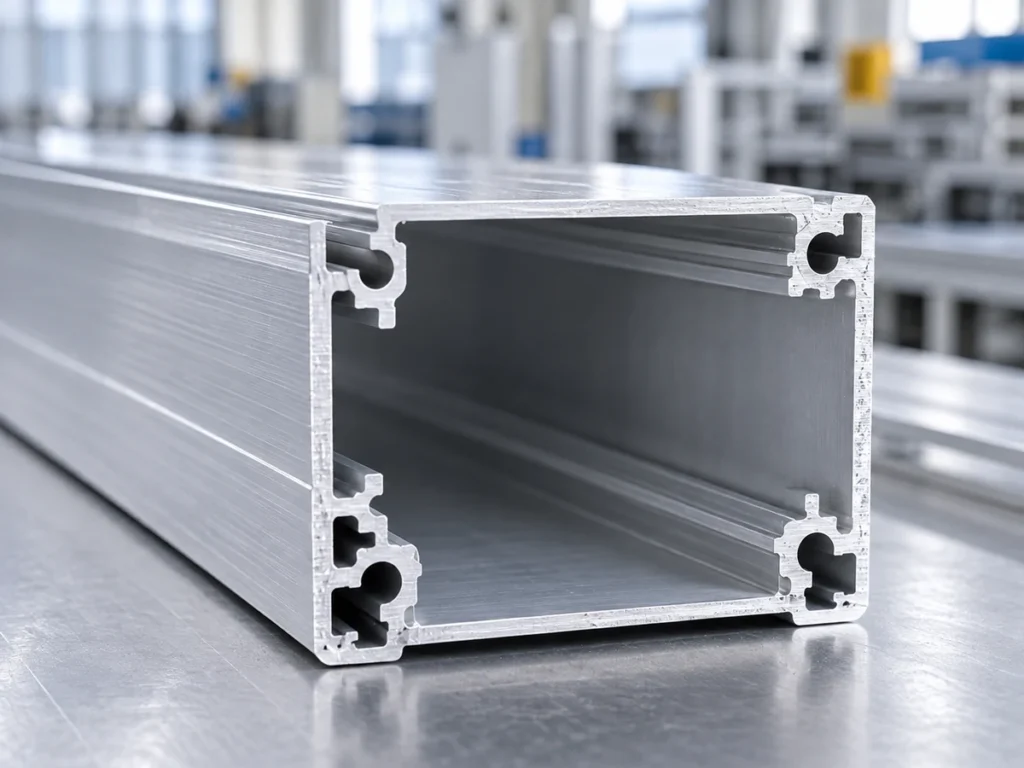
Mark the operations on the drawing before choosing a machine. A constant cross-section supplied in long stock may need repeated straight or angled end cuts. A flat plate part may need an outside contour, internal openings and later machining. Those are different production questions, even if both orders use aluminum.
For a cut-to-length profile, ask the saw supplier to review its actual cross-section, orientation, stock support and finished length. For a plate contour, ask the waterjet supplier to review the complete outline and the features it proposes to produce. Confirm difficult features individually rather than assuming the process covers everything on the drawing.
OMAX’s materials overview identifies aluminum as a material for abrasive waterjet cutting and describes the process as cold cutting without a heat-affected zone. This explains an important process characteristic. It does not approve a particular aluminum part or remove the need for dimensional inspection.
Do not describe a hollow extrusion as equivalent to a flat plate of the same outside width. Its cavities, walls and handling arrangement need their own review. Likewise, a saw-cut rectangular plate blank and a finished contoured bracket are different outputs.
2. Compare the same delivered part
Put a delivery boundary beside each quotation. One offer may include only separating a blank from stock. Another may include a contour, deburring, cleaning and inspection. A lower price is not a meaningful comparison until the missing operations have been accounted for.
List the part’s condition at handover: dimensions completed, dimensions left for machining, finish supplied and identification required. When a surface will later be machined, agree the machining allowance on the blank. Do not let the purchaser and cutting supplier assume different finished sizes.
| Order requirement | Question to resolve |
|---|---|
| Repeated profile lengths | Which end angles, datums and quantities are included? |
| Shaped plate blanks | Which contours and openings are cut before handover? |
| Machined interfaces | Which surfaces remain for the next operation? |
| Assembly-ready parts | Who completes edge treatment, cleaning and acceptance? |
Keep the material requirement identical when comparing routes. Record alloy, temper, supplied dimensions and finish using the approved specification. An offer based on a different stock product should be treated as a proposed change, with a separate engineering review.
Include packaging and part labels where they affect the next operation. A pile of visually similar blanks creates a different receiving task from an identified set separated by drawing revision and orientation.
3. Specify the edge you will accept
Describe the functional requirement in terms that can be checked. Examples include an end face used as a machining datum, an exposed edge requiring a defined treatment or a contour that must leave stock for finishing. A generic request for a clean cut gives the supplier too little information.
Ask where each dimension is measured. For a profile end, identify the length datum and the relevant faces. For a plate contour, identify the drawing features and the locations needed to inspect the cut edge. Agree how any variation through thickness will be assessed when it affects the part.
OMAX’s waterjet FAQ distinguishes table positioning accuracy from final part accuracy. It explains that jet behavior changes with material, thickness and cutting speed, and recommends measuring test cuts made with the intended material and design. A catalogue positioning figure therefore should not be copied into a finished-part acceptance requirement.
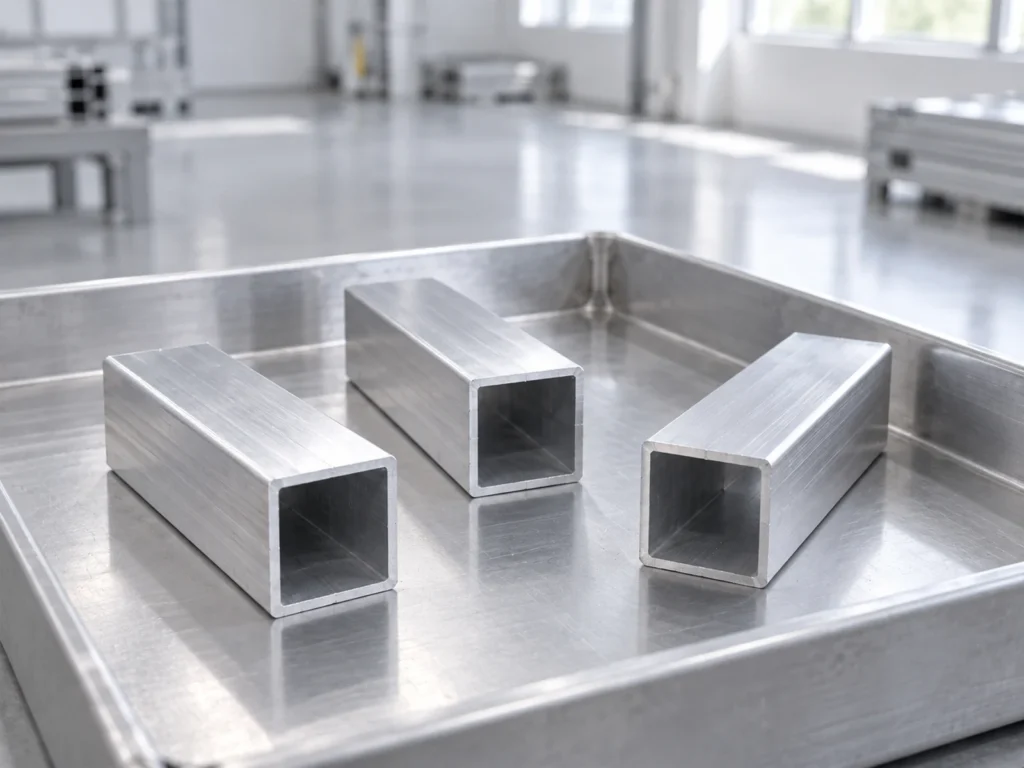
The same purchasing discipline applies to saw cutting: request results for the submitted part and the agreed inspection method. A photograph of an attractive cut face cannot establish length tolerance, squareness or repeatability. Review edge treatment separately using the drawing’s requirements, rather than assuming either process delivers every edge ready for use.
4. Compare the complete batch cost
Use one batch definition for both suppliers. State the drawing revision, required accepted quantity, material responsibility and delivery condition. Then request a price for that scope. Keep optional finishing and inspection items visible instead of mixing them into an unexplained total.
For an equipment review, record the whole production sequence: preparation, loading, cutting, unloading, edge treatment, inspection and handling to the next process. A cutting-only time leaves out steps that your employees still have to complete.
The OMAX FAQ notes that waterjet speed and operating cost depend on factors such as material thickness, geometry, edge quality and equipment configuration. Its general discussion is not a quotation for your job. Ask for a part-specific proposal rather than transferring a published hourly estimate to a different machine or workshop.
For either route, record consumables, planned service, operator time and the handling work included in the estimate. If someone supplies a claimed productivity improvement, ask for the tested part, batch conditions and accepted output behind it. Keep untested projections clearly identified.
Do not compare a price per blank with a price per accepted finished part. The useful denominator is the output your next operation can actually use. Our outsourced-cutting review explains how to clarify supplier handover when several businesses share the work.
5. Review samples against one acceptance plan
Choose a representative drawing and supplied material condition. Send the same revision and inspection expectations to each proposed cutting supplier. Ask each supplier to state which features its sample completes and which features remain for another operation.
Keep sample identity with the measurement record. Include material reference, route, drawing revision and inspection method. Where assembly fit matters, add the agreed fit check after the specified edge treatment. A sample that fits only after unrecorded rework cannot serve as a clear reference.
Record limitations as well as passing results. If the sample demonstrates only a single contour or one stock orientation, do not extend that result to a different part family. Request a further review when a change introduces a feature that the original trial did not cover.
Use the sample-cutting trial checklist to organize the saw-route review. The waterjet supplier should provide the equivalent part-specific evidence for its proposal. Neither supplier’s sample replaces the design authority’s approval of the final application.
A two-part purchasing example
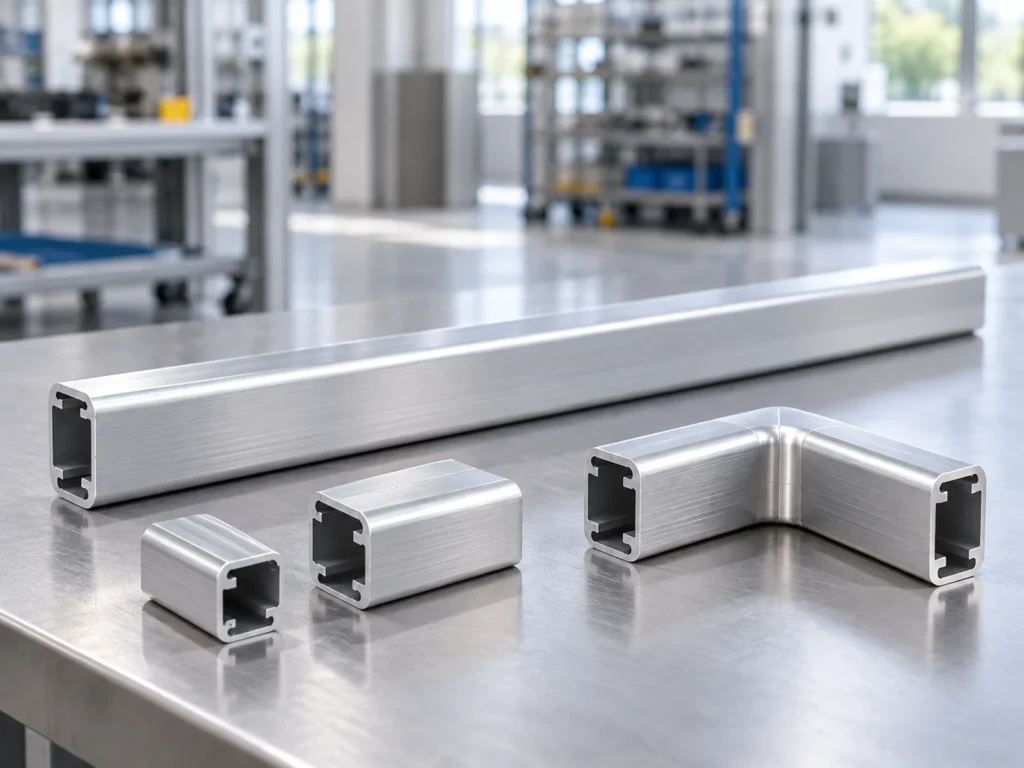
Consider a fictional equipment project, W24 revision B. Its purchasing list contains straight enclosure rails and shaped mounting plates. The rails are supplied from a hollow profile; the plates include a curved outline and holes that will be reviewed for final machining.
The buyer separates the two requests. The saw quotation covers rail end cuts, required lengths, identification and the agreed edge treatment. The waterjet quotation covers the proposed plate-blank contour and states which holes or interfaces still need machining. Both suppliers receive the relevant approved drawing.
The buyer then compares the plate route at the agreed blank stage and reviews the rail route against its own length and end-face checks. There is no need to force one cutting method onto both part families. This example explains how to define an order; it is not a JiurunCut customer case or a measured cost result.
Buyer questions
Is waterjet always more accurate than saw cutting?
No blanket ranking establishes your finished-part result. Compare the actual features, supplied material and inspection method. Request measured representative samples instead of substituting machine positioning data for part acceptance.
Can a saw replace a waterjet for a contoured plate part?
Review the operations the specific saw can perform. A straight blank may still require contour machining. Include that later operation when comparing the complete route, and ask the supplier to confirm its proposed scope.
Does cold cutting mean the part needs no finishing?
No. The drawing still governs edge condition, dimensions, cleanliness and later machining. A process characteristic is not approval of the delivered part.
What should I send JiurunCut for a saw-route review?
Send the profile or stock drawing, material condition, required lengths and angles, batch quantities and critical acceptance features. Use JiurunCut’s contact page to request an aluminum saw-cutting review. This guide compares purchasing decisions and does not present JiurunCut as a waterjet supplier.