
Thermal pad vs paste is a choice about the interface between two parts. Before asking which material is better, define the contact surfaces, the assembled gap and the requirements of the finished device. An aluminum heat sink drawing alone does not answer those questions.
For buyers ordering cut heat sink sections or machined bases, the useful starting point is a shared interface specification. It lets the metal supplier, assembly team and thermal-material supplier quote against the same conditions.
On this page
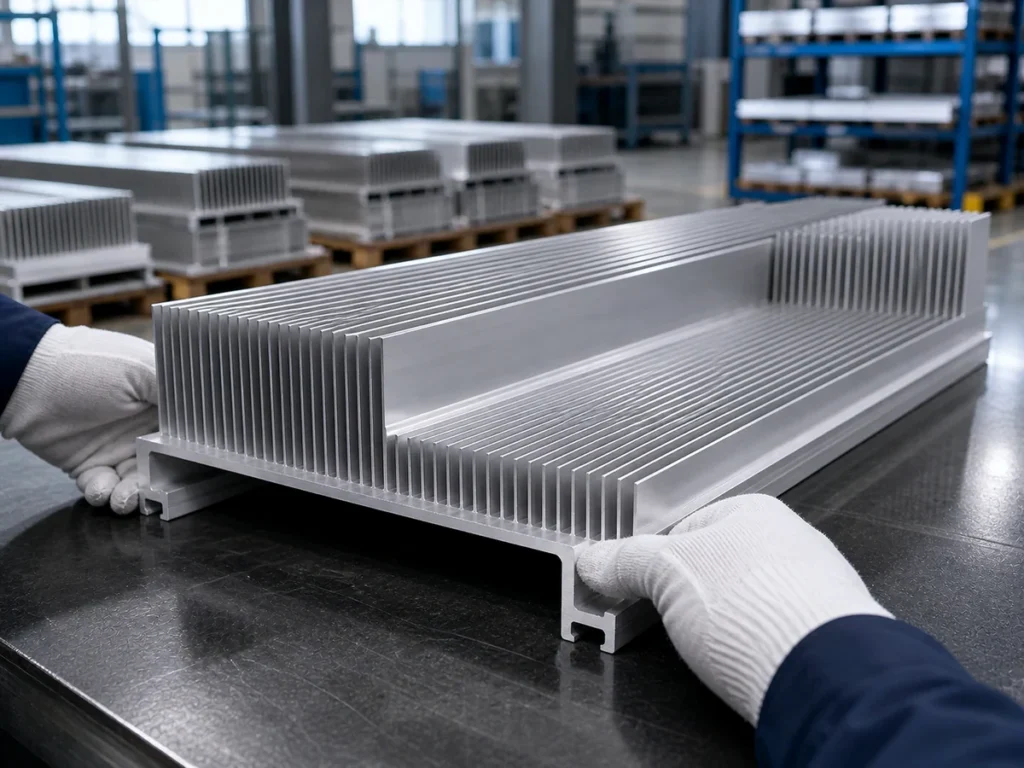
Thermal pad vs paste at a glance
Henkel describes thermal grease as a compound used between a heat source and a heat-spreading device. Its selection guidance includes gap size, viscosity and thermal resistance. The same supplier offers pad materials in several formats and with different thermal and dielectric characteristics.
| Material format | What the buyer should confirm |
|---|---|
| Preformed pad | Exact product, cut shape, thickness, installed condition and any insulation requirement. |
| Paste or grease | Exact formulation, application method, intended bondline and assembly controls. |
“Thermal pad” covers more than one product family. “Paste” is also too broad for a purchase order. Use the manufacturer’s full product designation and current technical data rather than approving a material by a short label.
This comparison addresses selection and purchasing. It does not prescribe a pad thickness, paste amount, tightening torque or operating temperature for a particular device.
1. Define the contact surfaces
Mark the interface face on the heat sink drawing. Include its mating part and the area that will actually contact the thermal material. Keep that face separate from cosmetic surfaces, fin faces and mounting features.
Ask the drawing owner to state the required surface condition. “Smooth base” leaves room for different interpretations. A defined requirement, measurement method and acceptance record give the supplier a clearer target.
- Identify the contact face and mating component.
- State the applicable surface and dimensional requirements.
- Show holes, recesses and any areas excluded from contact.
- Define protection during cutting, transport and storage.
Use our guide to aluminum flatness and parallelism when those controls appear on the drawing. Their meaning should remain consistent from quotation to inspection.
2. Specify the assembled gap
Record the gap or bondline condition for the assembled interface, together with the relevant tolerances. A nominal metal-part dimension is only one input. The mating component, mounting arrangement and selected thermal material also belong in the review.
For a pad proposal, request the product’s thickness and installation guidance. For a grease proposal, request the intended application and bondline guidance. The material supplier should confirm that its proposed product suits the stated interface.
Avoid comparing one quotation for loose pad thickness with another quotation for an installed grease layer. Put both offers against the same assembly drawing and describe the condition in which each value applies.
If the proposed material changes, return the interface to the responsible engineer for review. Do not let purchasing silently change the gap requirement to match a readily available product.
3. Separate thermal and electrical requirements
Heat transfer and electrical isolation are separate requirements. Henkel’s SIL PAD overview includes both electrically insulating and non-insulating products. The presence of a pad therefore does not establish electrical isolation.
Where isolation is required, give the supplier the actual device requirement and ask for product-specific evidence. Keep responsibility for acceptance with the qualified design or compliance owner.
Also identify which value the quotation is using. Bulk thermal conductivity, interface thermal resistance and complete-device temperature are different pieces of information. Request the test conditions and the meaning of the reported value before comparing two offers.
For the aluminum part itself, see aluminum thermal conductivity. Keep material-property information separate from the performance evidence for the finished interface.
4. Agree on assembly and handling
Turn the chosen material into a clear assembly handoff. The team needs to know who supplies it, who applies or positions it and which instructions govern the work.
For a pad, record its identification and orientation, any liner handling and the approved installed condition. For paste, record the product, application instruction and controls used to verify the intended coverage. Obtain these details from the selected material supplier and assembly owner.
- Name the approved product and document revision.
- Identify permitted contact-surface preparation.
- State the relevant fastening or positioning instructions.
- Define storage, expiry and traceability requirements.
- Explain how rework or replacement is approved.
Keep coatings and masked areas visible in the handoff. If a finish changes the contact face, have the interface reviewed before release. Our powder coating masking guide explains how to make functional surfaces explicit on a drawing.
5. Request comparable evidence
Ask for evidence against the proposed assembly, not only a material brochure. Identify the heat source, heat sink, interface condition and acceptance requirement for the comparison. The test or analysis owner should define the method and its limits.
A useful review package links the exact product to the drawing revision and the recorded assembly condition. If two proposals use different conditions, label the difference before deciding which result answers the purchase requirement.
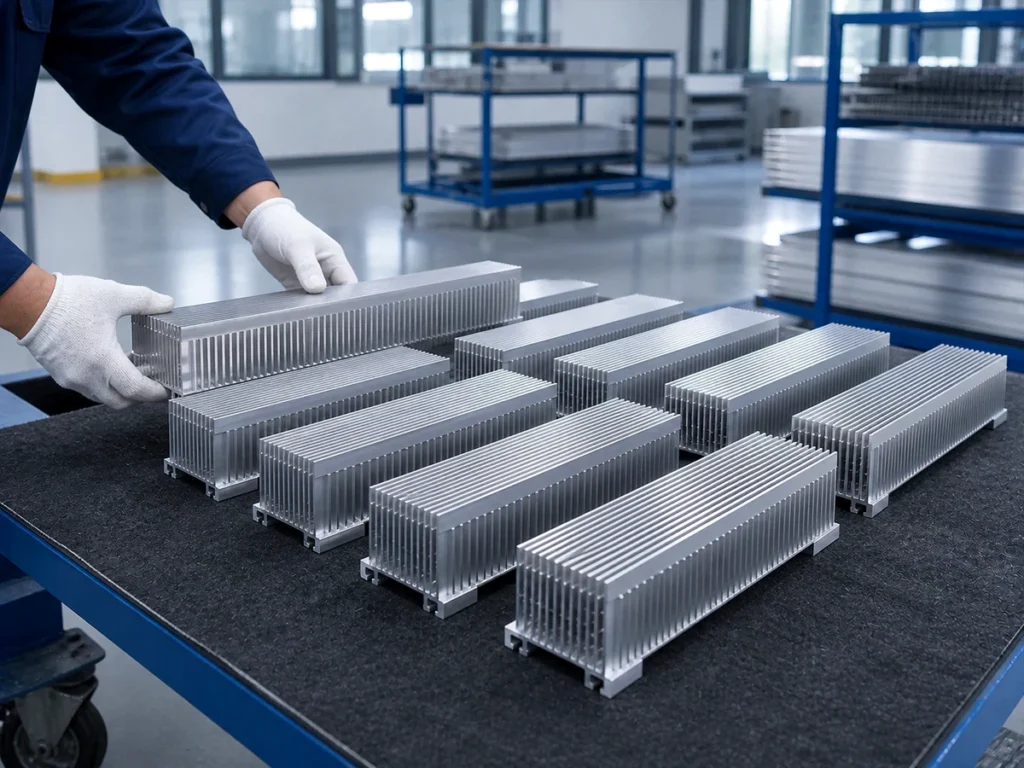
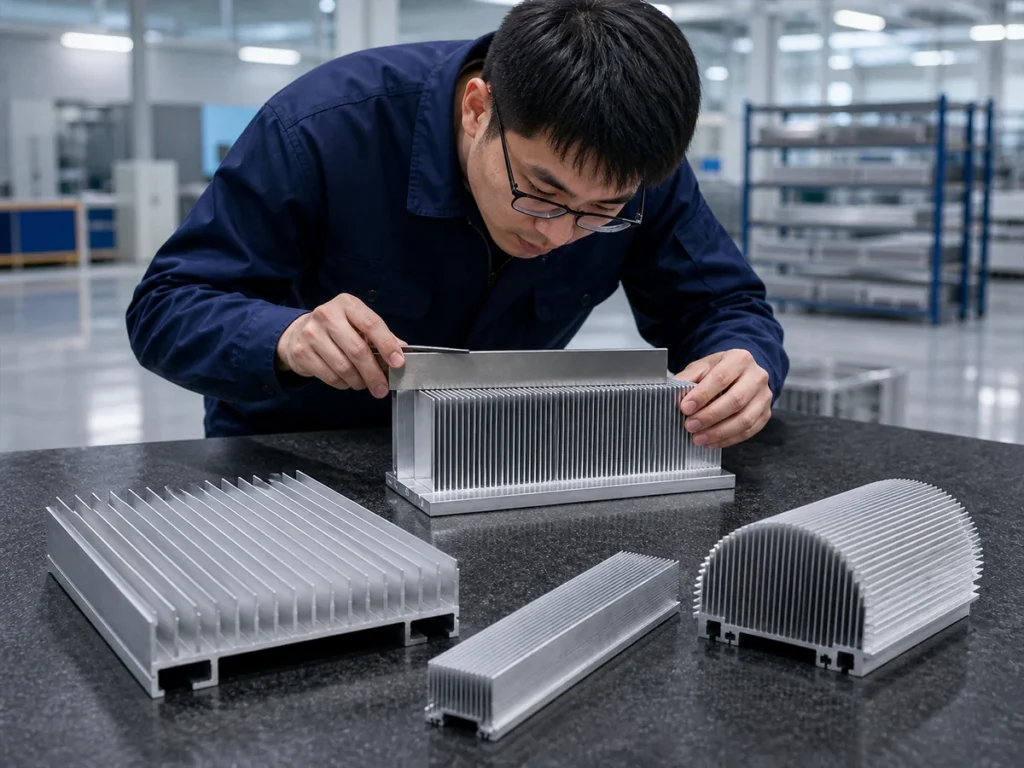
Keep measured results separate from illustrative photos. A picture of a finned section can help identify geometry; it cannot establish a temperature reduction or the suitability of a pad or paste.
What to send with the heat sink drawing
Use a short interface note alongside the metal-part drawing:
Quote the aluminum heat sink section to the attached drawing revision. Identify the functional contact face and its inspection requirements. Thermal-interface material selection remains subject to review against the mating-part drawing, installed gap, electrical requirements and assembly instructions. State exclusions and proposed changes before order acceptance.
Add the required cut length, quantity, finish, packaging and records for the aluminum parts. For related geometry decisions, review bonded versus extruded heat sinks and skived versus extruded heat sinks.
Request a first article inspection package when the drawing or purchase plan calls for one. Agree which metal-part characteristics it covers and which interface or device approvals require separate evidence.
Buyer questions
Is thermal paste always better than a pad?
No universal choice follows from the format name. Compare the exact products against the same contact surfaces, assembly conditions and acceptance requirements.
Can any thermal pad provide electrical insulation?
No. Confirm the product’s stated electrical characteristics and have the responsible owner evaluate them against the device requirement.
Can a cutting supplier approve the whole thermal interface?
Clarify the supplier’s scope. Cutting and inspecting an aluminum section does not itself approve the interface material, assembly process or finished device.
What should I send JiurunCut?
Send the aluminum profile drawing, required cut lengths, quantities and contact-face requirements through our contact page. Include the next operation so the preparation review can address the actual handoff.