
Automatic strapping machine aluminum frame cutting is a sensible RFQ only after the machine builder has released specific aluminum members as saw-cut parts. A strapper may include a package transport path, strap guide or arch, sealing head, controls and guards. Those assemblies are not interchangeable with a set of cut extrusions. The buyer must identify which member is actually aluminum, which is purchased complete, and which party owns the working strapping system.
Manufacturer examples help expose the boundary. Mosca describes a strapping machine with a side sealing unit and flap frame; Signode describes a separate strap frame, guide, conveyor and control functions. These are other manufacturers’ machines, not Jiurun projects or evidence that their strap arches are aluminum. A photo, machine footprint or catalog arch size does not authorize a saw shop to infer the material or length of an individual structural member.
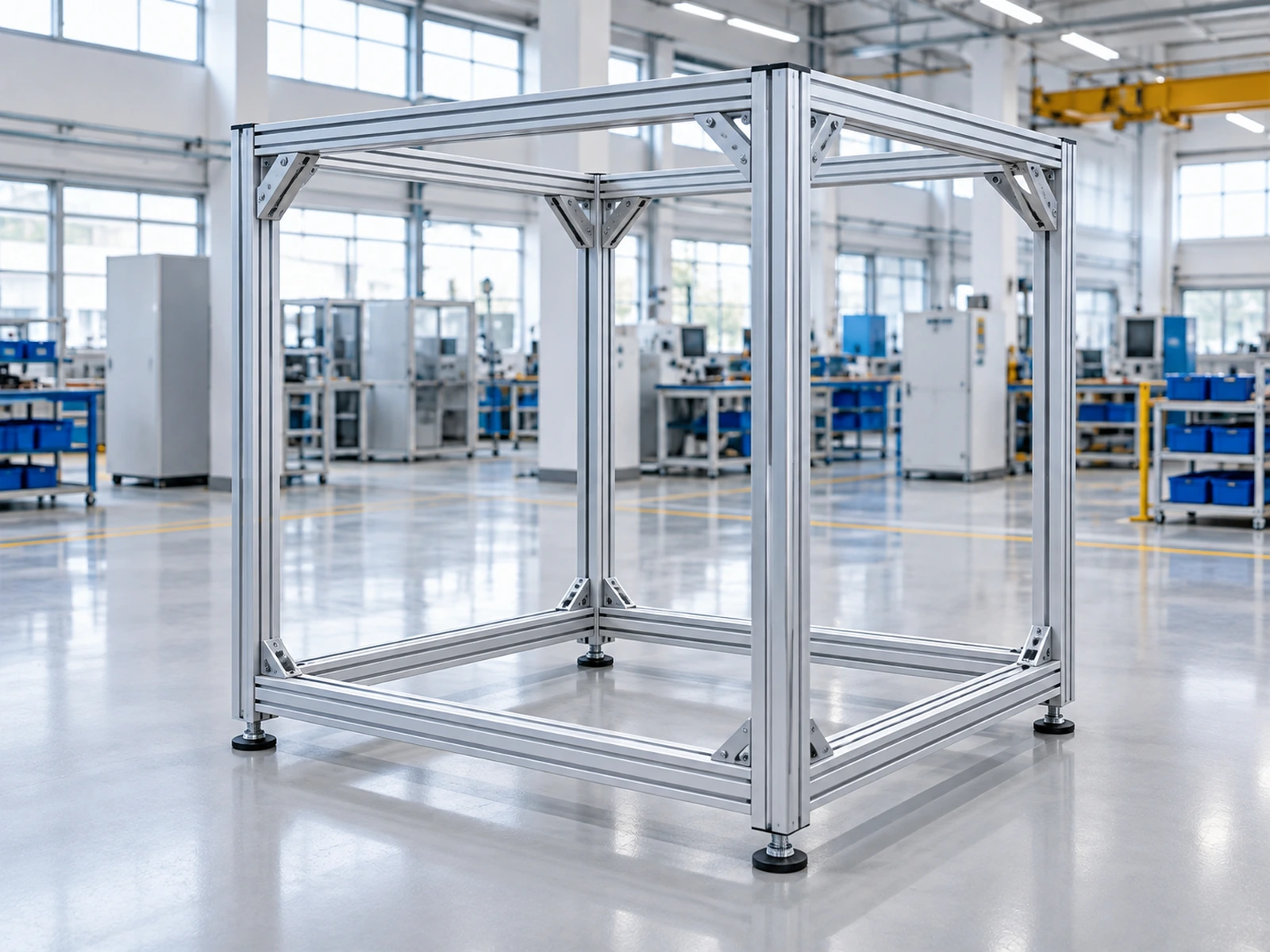
Strapping machine aluminum frame cutting: separate the strap path
Begin with the approved assembly drawing. Mark the product infeed and discharge, bundle support, strap path, sealing head, operator access, controls and any service doors. Then identify only the positions with released aluminum part drawings. A base rail, cross member, support upright or side bracket might be an eligible cut blank if the design owner has specified extrusion stock. The strap guide, moving flap, rollers, head, drive and guard panel may be different materials or complete bought assemblies. They belong in separate quote columns unless the approved bill of materials says otherwise.
The word “frame” needs a part number. Some machines use it for the strap arch that guides a consumable around a package; others use it for the fixed structure underneath. The arch opening is a package clearance, not the finished saw length of its support. Ask the buyer to label each drawing by its function and to identify who validates strap tracking, tension, seal quality, guarding and overall machine acceptance. The aluminum-cutting quotation should not inherit those obligations through an ambiguous title.
If the OEM has not yet fixed the strap path or material selection, ask for a conditional engineering review rather than pricing an imaginary extrusion kit. The saw supplier can discuss whether a released section can be held and cut; it cannot design the machine from a marketing photograph. This boundary is especially important when a purchased strap head, conveyor and structural frame come from different vendors.
Build the cut schedule from released member drawings
For each retained aluminum member, record the part number, revision, section drawing, alloy and temper where specified, finish condition, quantity per machine, stock length, finished blank length, end form, datum face and allowed cut-face marks. Distinguish left and right members even if they share a length. If the frame ships as one kit, say whether the saw shop must label, group or package pieces by assembly station. A loose blank, drilled member and built module are three different supply states.
Do not derive an extrusion cut length from a machine’s overall width or published arch opening. Corner joints, mounting plates, later machining, floor feet and transport modules all alter the individual member schedule. Show the long and short members in one job, the number of unique sections, maximum incoming bar length, stock presentation and the accepted offcut plan. These details decide whether stops, supports and batch handling can be quoted for the real mix.
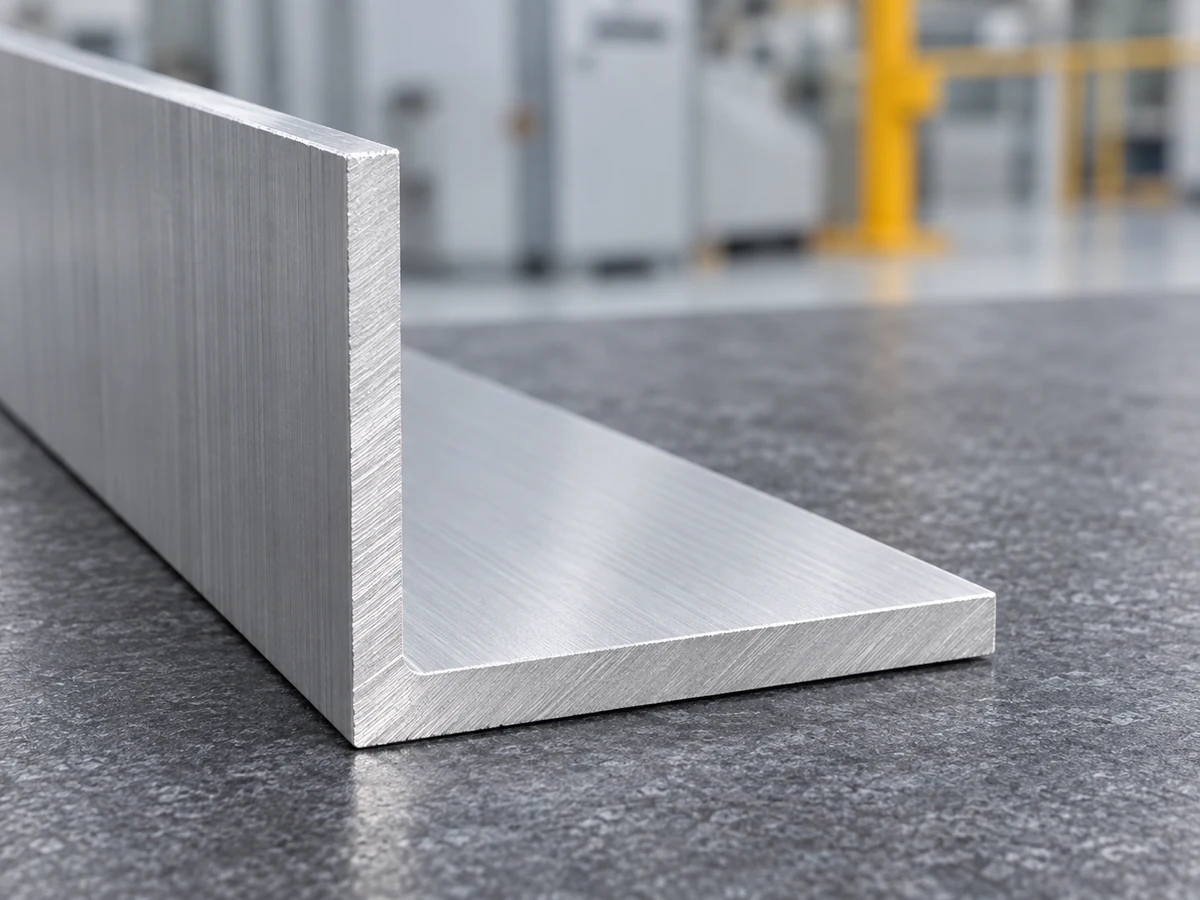
Where an angle, channel or closed extrusion is specified, identify the contact faces used by the stop and clamp. A nominal section name alone does not describe wall thickness, opening direction, twist, protective film or the face that the assembler will measure. If the drawing calls for mitered or handed ends, show the orientation on the part drawing and the measurement convention. Do not assume a square sample approves every member in the kit.
Trial the hardest stock and length combination
Choose a representative trial set before accepting a production promise: the longest member needing outfeed support, the shortest piece after final feed, a thin-wall or open section that is difficult to clamp, and any finished surface that must remain visible. Document actual stock condition and part revision. Agree which face is located, where clamping pressure is permitted, how the final cut is supported and whether a stop is reset between variants. A single convenient sample cannot validate the entire member schedule.

Inspect the first-off blank from the agreed datum for finished length, end form, burr location, visible-face damage and any section deformation. Repeat after a material or stop change. The buyer must supply its own drawing tolerances and sample plan; a catalog feed-positioning number is not finished-part accuracy. Record the measuring instrument, operator, blade, stock lot and accepted or held quantity so the decision can be reproduced. If the part needs drilling, tapping, deburring beyond the agreed state, coating or assembly, put those operations in the quote as explicit downstream work or exclusions.
The trial proves only the tested stock, cut geometry and inspection method. It does not prove that the strap will track through an arch, the sealer will weld consistently, or a guarded machine will meet its required output. Those are system-level tests for the responsible machine builder. For a separate discussion of when a saw batch can be traced to a released job, see our saw output traceability guide.
Compare equivalent offers and receiving states
Two suppliers must price the same revision, incoming stock, member count, cut-face requirement, trial obligation, scrap ownership, packaging and handoff point. One may quote cut blanks while another includes drilling or kitting. The unit prices are not comparable until those boundaries align. Require a sample report and change-control rule for any substitute extrusion or altered part length. If the OEM later changes the strap arch or conveyor layout, hold the affected member schedule and reconcile already-cut stock by part number and revision before it is released to assembly.
At receiving, identify each bundle by job, cell or machine, part number, revision, quantity and material lot as applicable. Separate mirrored parts and protect cosmetic faces and fragile ends during transport. Agree how missing, damaged or nonconforming members are isolated and reordered without mixing revisions. For packaging choices on visible cut faces, our cut-part interleaving guide addresses the handoff. For a nearby but distinct packaging-machine procurement boundary, see the carton sealer frame RFQ; it does not determine this strapper’s drawings.
Seven questions before issuing the strapping-frame RFQ
- Which named structural positions have released aluminum part drawings, and which supplier owns the complete machine?
- Is the “frame” a fixed support, a strap guide or a purchased assembly? Who approves its material and interface?
- What part number, revision, section, stock condition, datum, finished length, end form and quantity apply to every cut blank?
- Which members are long, short, thin-walled, handed or cosmetic, and what representative saw samples will be witnessed?
- What first-off and batch inspection results release a lot, and how will nonconforming pieces be held?
- Are labels, protective packing, downstream machining and kitting included or priced separately?
- Who accepts strap tracking, sealing, conveyors, guards and complete-machine performance after the cut members are supplied?
Related equipment video
The following clip from the Jiurun Machinery channel shows general aluminum saw activity. It is not footage of this strapping machine, its approved member stock, an offered model configuration, a customer job, a witnessed trial or performance proof.
Preparing an automatic strapping machine frame quote? Send the released aluminum member drawings, section details and representative stock through our contact page. We can discuss cutting, inspection and handoff of those blanks while the machine builder retains the strap system and final machine acceptance.