
Rush aluminum cut-part orders are difficult because a short promised lead time can hide four different constraints: usable stock, an executable cutting slot, the inspection needed for accepted parts, and a delivery route that reaches the buyer on time. A supplier saying “we can cut tomorrow” may mean it can start cutting tomorrow, not that identified and approved pieces will arrive at the receiving dock tomorrow. A buyer should make those milestones visible before paying an expedite charge or diverting work from an approved source.
This guide addresses a manufacturer ordering aluminum profile or bar pieces after a shortage, schedule change, or rejected batch. It compares a rush order from an existing cut-part supplier, a qualified second supplier, and cutting from approved stock in-house. Jiurun makes industrial aluminum saws; we do not sell a contract cutting or freight service. The checklist is a decision aid, not a promise of a universal lead time or part tolerance.
Define accepted output for rush aluminum cut-part orders
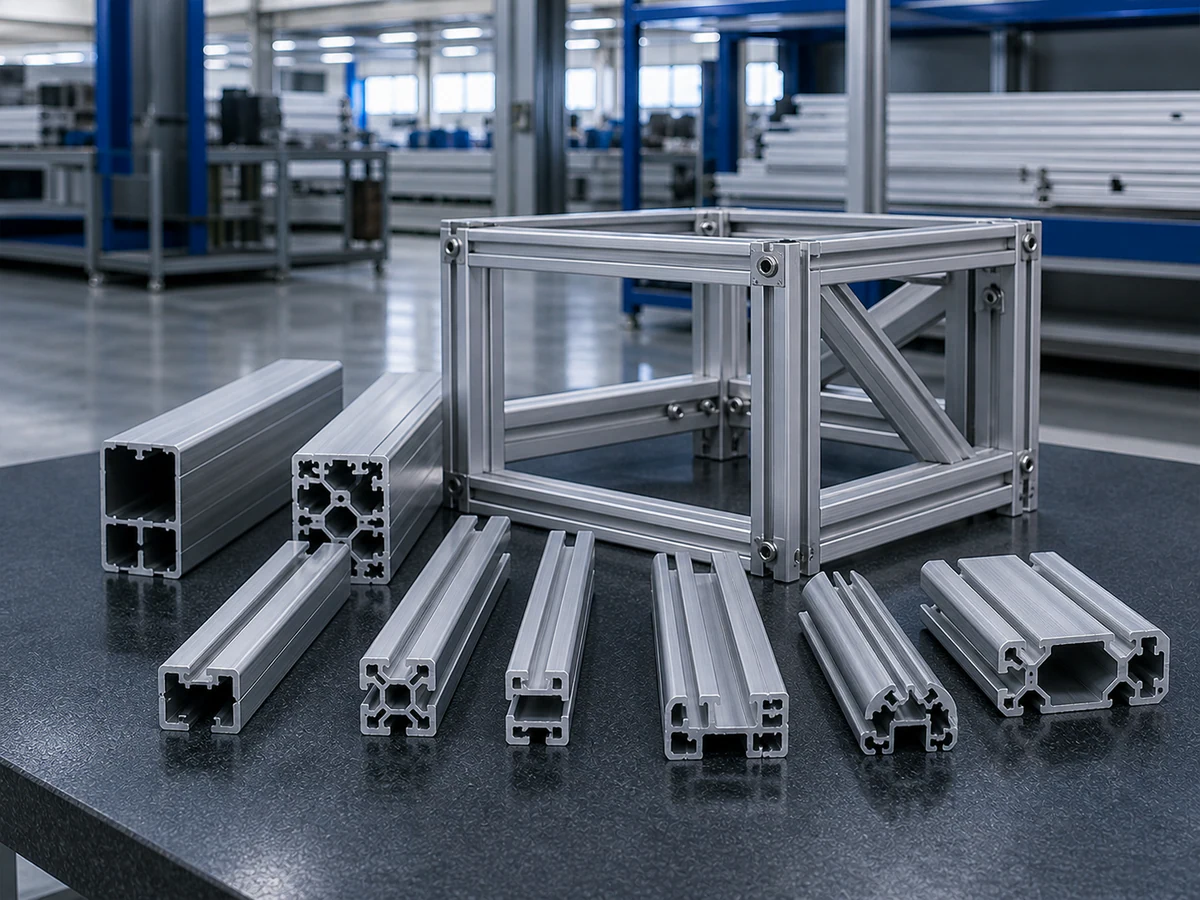
Write down the exact part that can be accepted by the next operation. Include the controlled drawing or part number, revision, profile section, ordered alloy and temper, finish, cut length and its datum, end form, protected faces, and quantity by part number. If the shortage is for a kit, list every member and the unit in which a complete kit is counted. A quote for stock bars, loose cut pieces, and labeled kits cannot share one price comparison without reconciling the work still to be done.
Ask whether the existing order can be pulled forward without changing this accepted output. If the buyer offers a substitute profile, new cut length, or alternate finish, treat it as a change requiring the designated engineering approval. Expedite pressure is not evidence of interchangeability. Record the remaining good pieces on hand, the quantity needed for the immediate build, and any later balance separately; that prevents a supplier from quoting an unnecessarily large first shipment.
Locate real stock before asking for a cut slot
For each route, ask where the physical material is now, who owns it, and what identifier ties it to the approved specification. A supplier may have a catalog section but no bar in the correct finish or usable length. A second supplier may have a similar extrusion with an unapproved corner radius. In-house stock may be sufficient by metres but divided into remnants too short for the requested members after setup and kerf. Request an actual stock count, the usable length by bar or lot, and an exception list for holds or damage.
Separate stock availability from authorization to consume it. If the material belongs to another customer, requires release from a call-off arrangement, or carries a revision-specific reservation, the supplier needs written permission before cutting. The call-off stock decision guide explains why a forecast, firm release, and cut authorization should not be treated as the same event. A rush request should name the person who can approve the material transfer and any changed quantity.
Ask for a slot that includes setup, first-piece approval, and inspection
Have the supplier break its promise into times for stock retrieval, fixture or blade setup, trial or first-piece check, production cutting, inspection, labeling, packing, dispatch, and arrival. A machine being free for an hour does not prove that the specified profile can be clamped without damage or that an inspector and packing team will be available. For an unfamiliar section, the supplier should say what representative piece it will check and who signs it off. No universal cycle-time number belongs in a rush quote; use the actual part mix and shop schedule.
If the job displaces work already in the queue, ask for the effect on those orders and the authority to reprioritize them. A bidder that can start early only by delaying another buyer commitment is not providing a free acceleration. If an in-house saw is considered, check its current maintenance, blade, fixture, operator, and inspection availability. The urgent-order saw queue guide addresses the internal scheduling question; this article addresses which supply route can deliver accepted cut parts to the buyer.
Protect the acceptance check when the schedule compresses
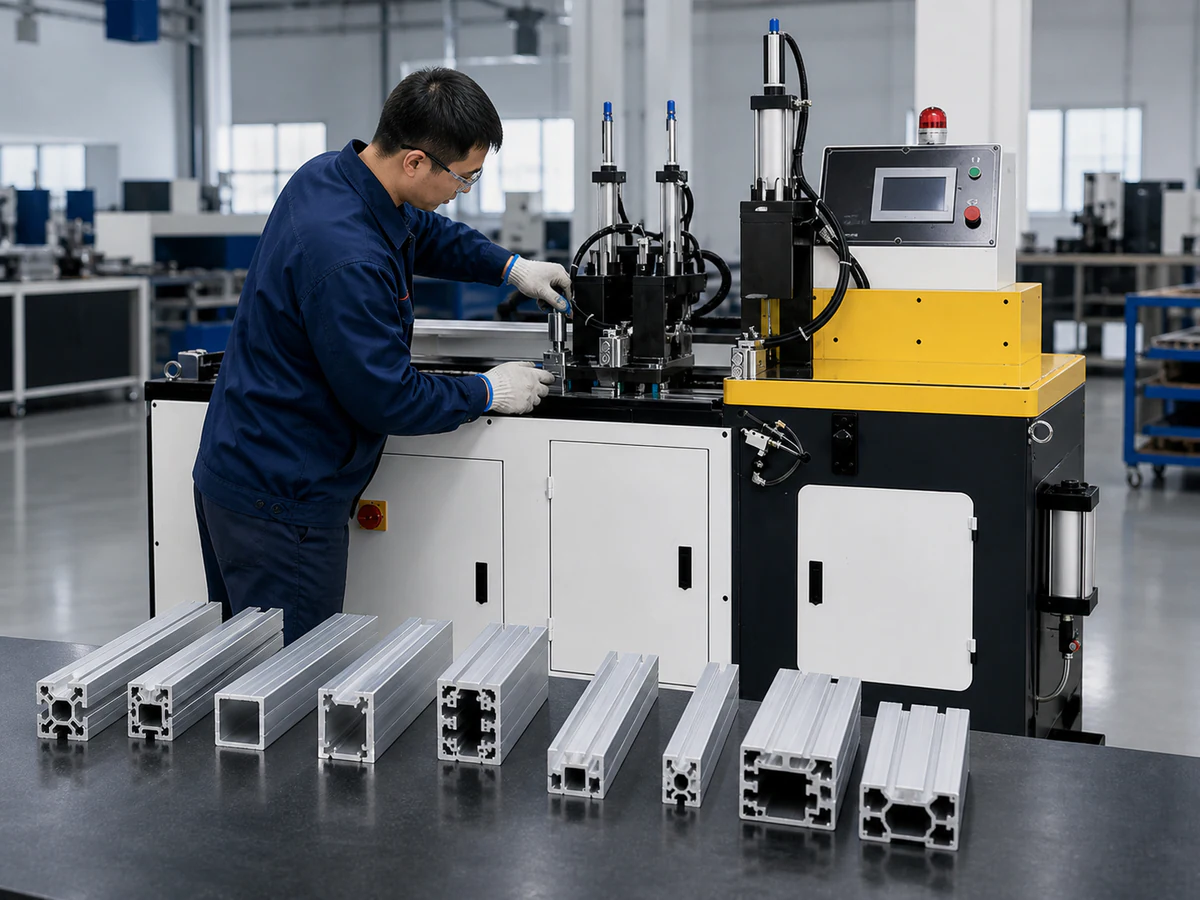
Define which measurements and records must travel with the rushed pieces. At minimum, link the received quantity to the approved drawing or part number, revision, source stock or lot where required, cut-length reference, end condition, and visible-face protection. Identify which checks happen before dispatch and which are repeated at receipt. Do not replace a dimensional result with a video of a saw or a photograph of a worker holding a profile. The buyer’s actual acceptance criteria and a recorded check decide whether the part is usable.
For a second source, keep qualification separate from emergency delivery. A capable machine and a similar-looking extrusion do not constitute an approved alternate supplier. The second cut-part supplier guide sets out drawing, traceability, trial receipt, and change-control questions. If there is no time to complete those gates, the buyer must decide explicitly whether to wait, use an already approved source, or authorize a controlled deviation. Do not present an unverified piece as normal accepted production.
Compare the whole rush quote at the same delivery point
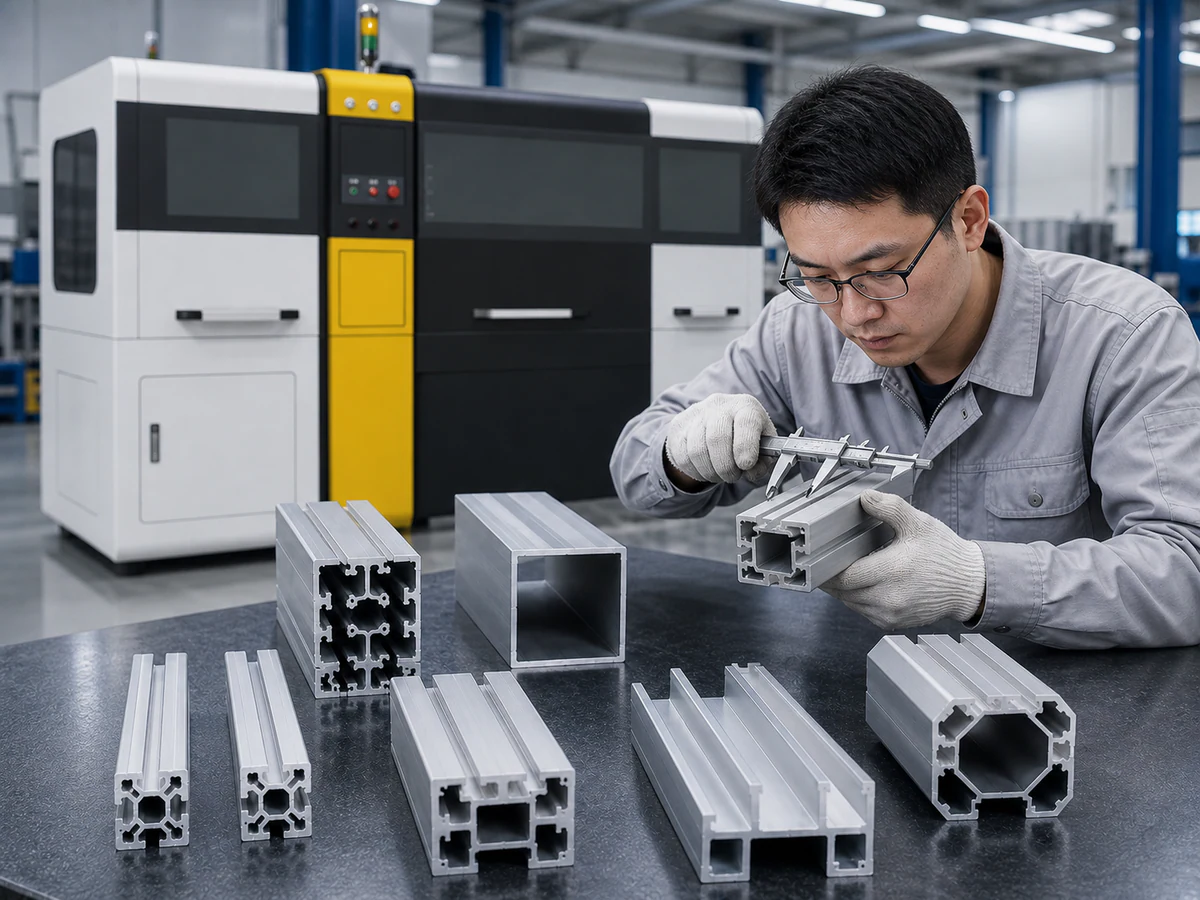
Give each bidder the same urgent quantity, approved part definition, delivery address, receiving hours, and inspection requirement. Ask for separate lines for material, cutting/setup, inspection, protective packing, premium freight, and any expediting or minimum-charge fee. Confirm quote validity and whether the price changes if only the first portion ships now. The U.S. International Trade Administration’s public quotation guidance lists product description, price, shipment timing, delivery point, freight, and validity among details to state clearly in an export quotation. That is a general quote-completeness prompt, not a claim that a rush shipment qualifies for a particular service or arrival time.
| Decision field | Buyer holds constant | Supplier must confirm |
|---|---|---|
| Accepted unit | Drawing, revision, finish, part count and checks | Stock bar, accepted loose piece, labeled kit or approved alternate |
| Material | Approved section, alloy, temper and traceability need | Physical stock location, usable length, lot and release authority |
| Production | Required first and final quantities | Setup, first-piece approval, cut, inspection and pack milestones |
| Delivery | Named receiving point and opening hours | Dispatch cut-off, carrier booking, tracking and realistic arrival window |
| Cost and risk | Same accepted quantity and handoff point | Setup, expedite fee, split-shipment charge, freight, rework and fallback |
For international movements, determine what the named delivery term covers and who confirms export documents and any customs requirements for the actual destination. The ITA’s landed-cost overview separates product price, insurance, freight, duties, taxes and other fees; the applicable amounts and responsibilities must be verified for the real transaction. Do not compare a supplier’s dispatch date with another supplier’s arrival commitment as though both were the same service.
Make the dispatch and recovery decision explicit
Specify the latest moment at which a delayed order must be escalated. Ask the supplier for a dated confirmation after stock allocation, after first-piece approval, and after carrier collection. Record the packing-list number, piece count by part number, any exceptions, and a receiving contact who can act if the carrier misses the slot. If the first batch is short or held, require a revised quantity and arrival plan instead of silently carrying the deficit into the next release.
Define a fallback before the original promise fails: an approved second source, buyer-held bars and an available saw, or a controlled production reschedule. Decide who can authorize premium freight or overtime, who owns a rejected rush batch, and whether the supplier will re-cut or credit the affected quantity. A quote that says only “ASAP” offers no checkable handoff. The buyer should release a rush purchase order only when the accepted unit, actual stock, production milestones, inspection owner, delivery point, and escalation contact have names attached.
Equipment video context: The following clip from Jiurun Machinery’s own channel shows general aluminum cutting equipment and profile handling. It is not footage of this rush order, material, customer, supplier, quoted model configuration, trial cut, accepted batch, delivery, or verified performance. Obtain order-specific records from the selected supplier.
If you are evaluating whether an approved part family should be cut in-house to reduce future emergency exposure, contact JiurunCut with the actual section drawing, stock lengths, urgent and normal quantity mix, end requirements, protected faces, and inspection method. We can discuss a suitable saw trial and quotation boundary for those parts. The material supplier’s stock commitment and the buyer’s final acceptance remain separate decisions.