
Portable ballet barre aluminum frame cutting is a small-part purchasing decision with a large assembly consequence. The buyer may need saw-cut rail, upright and foot members, but the finished barre also depends on joints, grip material, leveling feet and stability checks. A clean cut blank is only one accepted stage. This guide shows a barre OEM or approved fabricator how to request comparable quotes and a representative saw trial without treating an equipment demonstration as a finished-product test.
Start with your released barre drawing and bill of materials. The examples below are decision prompts, not JiurunCut product specifications or a claim that the photographed parts belong to a dance-barre project.
Why the barre layout changes the cut list
A Harlequin freestanding barre product page describes an anodized aluminum structure, beech gripping rails, modular assembly and adjustable feet. Another Harlequin product overview offers aluminum or maple gripping rails. These are examples of real design variation, not dimensions or assembly instructions to copy into another brand’s RFQ. If the grip is wood, a saw supplier quoting aluminum blanks should not silently include it. If the grip is aluminum, it needs its own approved section, length, end and finish requirements.
Specify whether the order covers a single or double barre, a freestanding base or a fixed installation, and one module or an extendable run. Each choice changes the member list and the interfaces that matter at receipt. Do not infer a saw length from the finished overall width or height; connector engagement, end caps and foot hardware can alter the blank dimension.
Seven RFQ checks for portable ballet barre aluminum frame cutting
1. Freeze the approved variant before quoting
Give each bidder the same drawing revision, product variant and target purchase stage. Identify the horizontal grip as aluminum, wood or bought-in; list the aluminum rail, uprights, foot members and any cross members separately. Include section code, alloy and temper when specified by the OEM, finish condition, quantity per kit and annual or batch demand. A supplier should not choose a round, square or slotted section from a product photograph. The approved part drawing controls that choice.
2. Convert the assembled envelope into named cut blanks
For every aluminum member, name the measurement datum: for example, the distance between two finished end faces, or a cut face to a marked shoulder. State cut angle, orientation, allowable length range and how the part is identified after cutting. Rail length, assembled barre length and shipping length can be different numbers. The same is true of an upright’s stock length versus the user’s final grip height once a base and joint are installed. Ask the product designer to release the cut schedule before a saw quotation is compared.
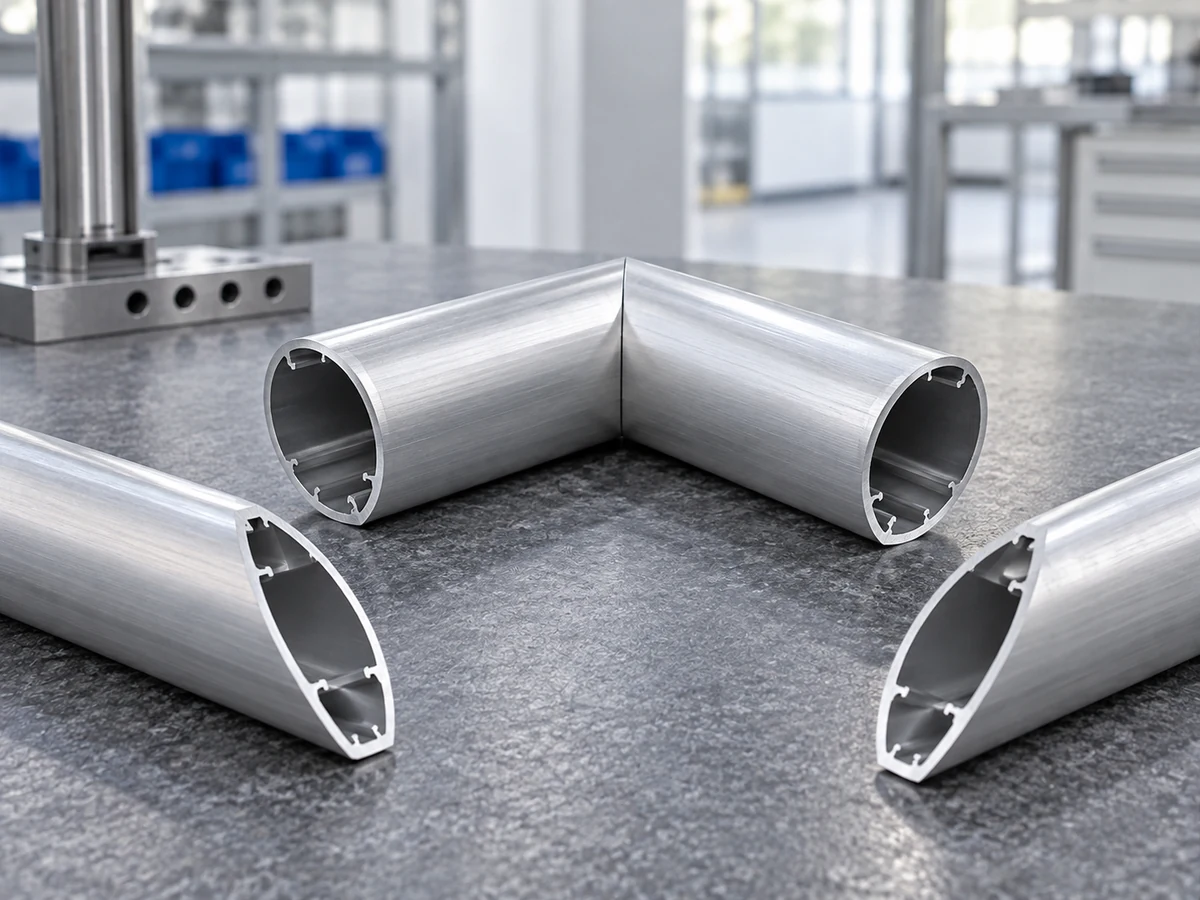
3. Mark the joint and grip interfaces
A foot-to-upright joint, a rail socket and an extension coupling can need different end conditions. Note which end enters a connector, which face remains visible or touchable, and which features are machined later. If an end requires a miter, notch, hole or insert preparation, identify the drawing and the process owner; a straight cutoff quotation should not imply those operations are included. For a gripping rail, ask the OEM to mark the hand-contact finish boundary and any end-cap interface. Product comfort and stability belong to the complete barre validation, beyond a saw-cut check.
4. Show the real stock and finish state
Supply a representative length of the actual approved section, including its incoming surface condition. State whether the piece arrives mill-finished or anodized before cutting, and where any protective film begins or ends. The Aluminum Association explains that extruded material normally proceeds through cutting and other fabrication or finishing operations; the order of those stages matters to the purchased blank. Agree how visible faces will be supported and handled, how chips will be cleared, and what mark or burr limit the released drawing permits. Do not assume an image of a different profile proves acceptable clamping pressure for yours.
5. Trial both the difficult short part and the long rail
Use a first-off set that represents the shortest foot or connector-related member and the longest rail or upright in the approved kit. Include any section that changes the locating or support method. Record incoming stock identity, stop datum, support positions, saw setup, measured length, end angle and visual condition after cutting. A short member can be difficult to retain and identify; a long member can be difficult to support without dragging or moving. Our round-tube infeed guide covers the separate support and rolling-control questions when the actual approved profile is round.

6. Separate cut quality from assembled stability
Set acceptance for the delivered blank: member ID, length datum, cut angle, end condition, protected surface and traceable first-off record. Then name the downstream owner for connector installation, level-foot adjustment, rail fit, finish touch-up and complete barre stability. A supplier can demonstrate a clean cutoff without establishing the assembled product’s safe use, grip feel, load capacity or installation suitability. Those are decisions for the OEM’s qualified product team using its own approved criteria. Sawing aluminum can also create fines or dust; the Aluminum Association’s safety guidance explains why facility controls must be evaluated for the real operation.
7. Quote and pack the same deliverable stage
Ask every bidder to quote one clearly defined stage: loose saw-cut blanks, deburred and labeled member kits, prepared frame parts, or a complete assembled barre. Separate the price of wood grips, purchased joints, feet, finishing, drilling, assembly and final testing if those are outside the saw package. Label each rail, upright and foot by variant, drawing revision, finish, kit position and quantity. Protect visible or gripping surfaces during transport. For round members, our round-tube packaging guide discusses end protection and rolling during handoff.
A compact RFQ package to send
- Product identity: approved barre variant, drawing revision, member BOM and assembly owner.
- Cut input: each aluminum section, stock length, alloy/temper if specified, incoming finish and sample material.
- Cut output: datum, length, angle, end condition, protected faces, quantity and first-off inspection method.
- Boundary: who supplies the grip, connectors and feet; who performs later machining, assembly and finished-product validation.
- Delivery: member labels, batch segregation, surface protection, lead time and accepted-unit basis for comparing quotes.
An illustrative scope line is: “Quote saw-cut aluminum rail, upright and foot blanks to the attached released drawings. Identify each member by kit position and revision; include a first-off dimensional and visual record. Grip material, connector machining, assembly and finished-barre stability acceptance are by the named OEM team.” Replace that wording with your actual design and purchasing responsibilities.
What the machine video shows
The video below comes from Jiurun Machinery’s own YouTube channel and shows general aluminum-profile cutting equipment. It is not a ballet barre, a trial on the material in this article, a customer project, a machine-fit decision, or evidence of finished-product performance. Confirm the correct saw arrangement using your actual section and released first-off criteria.
Send a quote-ready barre member package
If you are buying saw capacity for approved portable-barre frame members, send the section drawings, rail/leg/foot cut schedule, finish condition and target output. Ask for a representative cut and a clear list of included operations before comparing machines. Contact JiurunCut to discuss the actual aluminum members and your required first-off checks. Keep final barre design and use approval with your own qualified team.