
Pool cleaning telescopic pole aluminum tube cutting starts with a released pole assembly, not a nominal extended length. A manufacturer buying a saw or ordering cut blanks needs the outer and inner tube sections, their sliding overlap, the lock or cam, the grip, and the cleaning-tool connector defined together. A straight, square cut may be suitable for one end and unsuitable for another that will receive a cap or forming operation. This guide turns those interfaces into an RFQ and a sample inspection plan.
The scope here is the straight aluminum tube blank. Sawing does not establish sliding fit, drilling position, corrosion resistance, or the strength of a completed pole. Pentair describes telescopic pool poles made from drawn aluminum tubing and lists different one-, two- and three-piece pole and cam arrangements. AstralPool offers different accessory fixing systems. Those examples show why a buyer must identify the intended assembly before asking a saw supplier for a length or output claim.
Pool cleaning telescopic pole aluminum tube cutting: set the supply boundary
Decide whether you buy finished poles, pre-cut tube sets, or raw tube to cut in-house. The answer changes what the saw RFQ must cover. A finished-pole supplier owns the cap, lock, accessory connector and functional fit. A cut-blank supplier can be asked to control length and the specified end condition; the pole assembler still owns downstream fitting and testing. An in-house cutting cell requires you to own the incoming tube specification, tooling, inspection method and change control.
On a narrow screen, swipe the comparison table sideways to view all columns.
| Supply route | What to release | What to inspect at handoff |
|---|---|---|
| Finished pole | Complete assembly drawing and accessory interface | Extension, locking and attachment function |
| Matched cut-tube set | Outer and inner blanks, end codes and packing identity | Length, cut edge, section identity and protected finish |
| In-house cut from stock | Stock tube specification plus saw trial plan | Incoming tube variation, setup repeatability and downstream fit |
For a first inquiry without finished CAD, provide a marked sample of every tube section and a sketch locating the lock and accessory end. The no-CAD aluminum saw inquiry guide explains how to turn samples into a useful first conversation. Do not order production tooling from an overall catalogue pole length alone.
1. Identify each hollow tube and finish
List each telescoping section separately: outside diameter, inside diameter or wall thickness, alloy and temper if specified, surface finish, stock length, straightness requirement and batch identification. A drawn tube and a solid round bar are not interchangeable simply because their outside diameters look similar. The bore, wall, coating and sliding surface affect the assembled pole and may change how a clamp contacts the workpiece. Ask the tube supplier for the actual tolerance range and the condition in which the material reaches the saw.
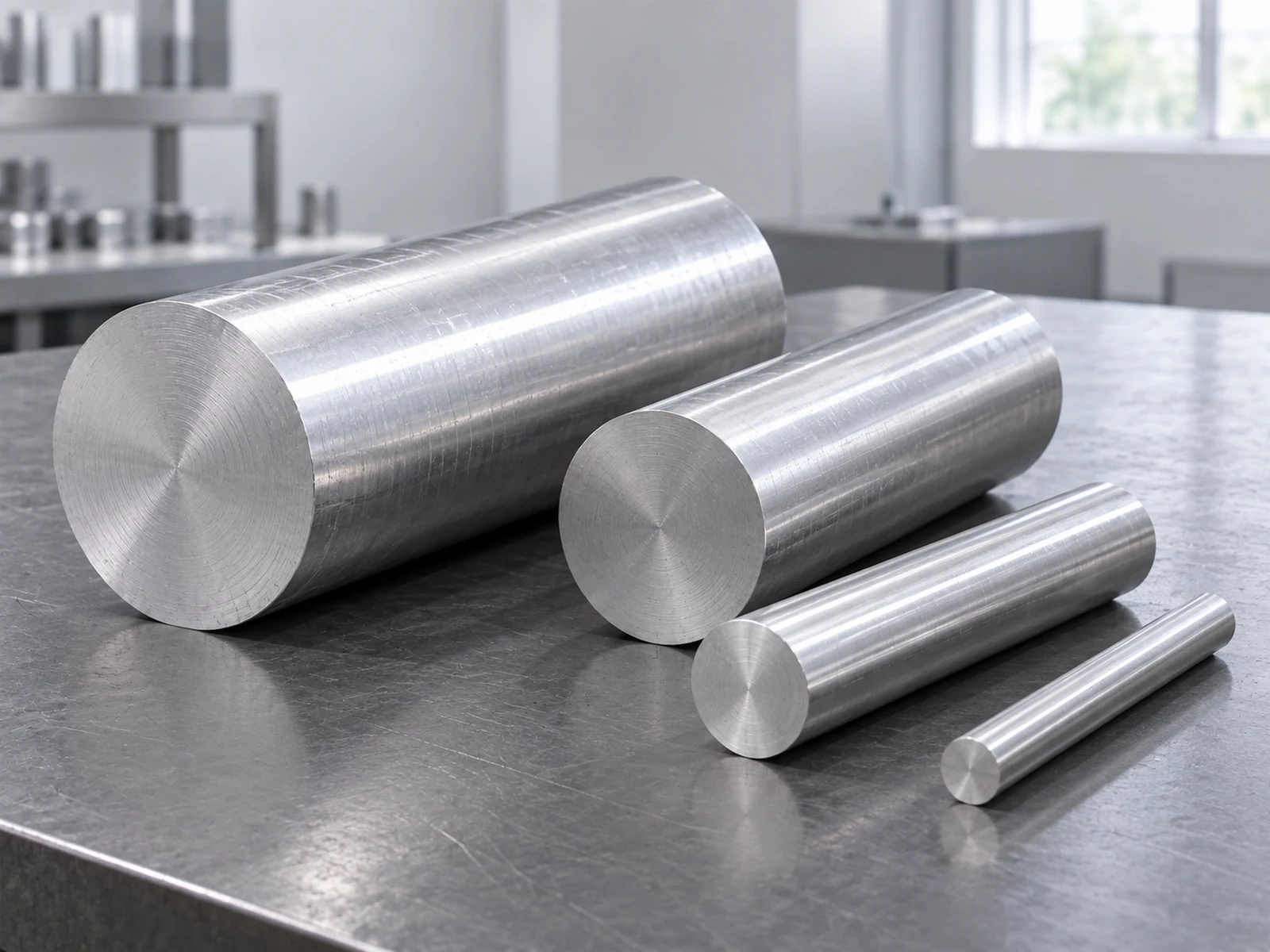
If the assembly has an anodized or coated visible surface, state whether cutting occurs before or after finishing. A later finish operation may change handling and edge requirements; cutting prefinished stock requires a protection plan for contact marks. Neither sequence is universally preferable. Agree which party deburrs, cleans, protects and labels the cut ends.
2. Derive blank length from the end interfaces
Write the length for the outer and inner sections from the assembly drawing, not from the advertised extended reach. Mark the datum used to measure each blank. Reserve the sliding overlap, the installed depth of the cam or locking collar, any cap or grip insertion, and the connector end. Confirm whether the measurement refers to raw saw length, deburred length or an assembled reference point. A difference of a few millimeters at several interfaces can alter the usable extension even when individual blanks look consistent.
For each part number, create a small cut list with nominal length, tolerance, quantity, end A code, end B code and finish state. If a hole, swage, slot or threaded insert is later added, keep its location in the downstream drawing. Saw repeatability is not proof that the final assembly reaches or locks correctly. For the general overlap calculation, see the existing telescoping tube cutting guide; the pool-pole RFQ must additionally name the cleaning-tool attachment and outdoor service interfaces.
3. Prove support and clamping on the actual tube
Round thin-wall tube can roll, deflect or ovalize if it is held like a solid bar or a rectangular extrusion. Ask the saw supplier to show the support distance, contact shape, clamping force approach and feed path using your representative inner and outer tubes. Include the longest stock and shortest finished blank in the demonstration. Observe both sides of the cut and the exit support. A sample that is square at rest is not enough if the tube twists during feeding or the visible finish is marked by the fixture.
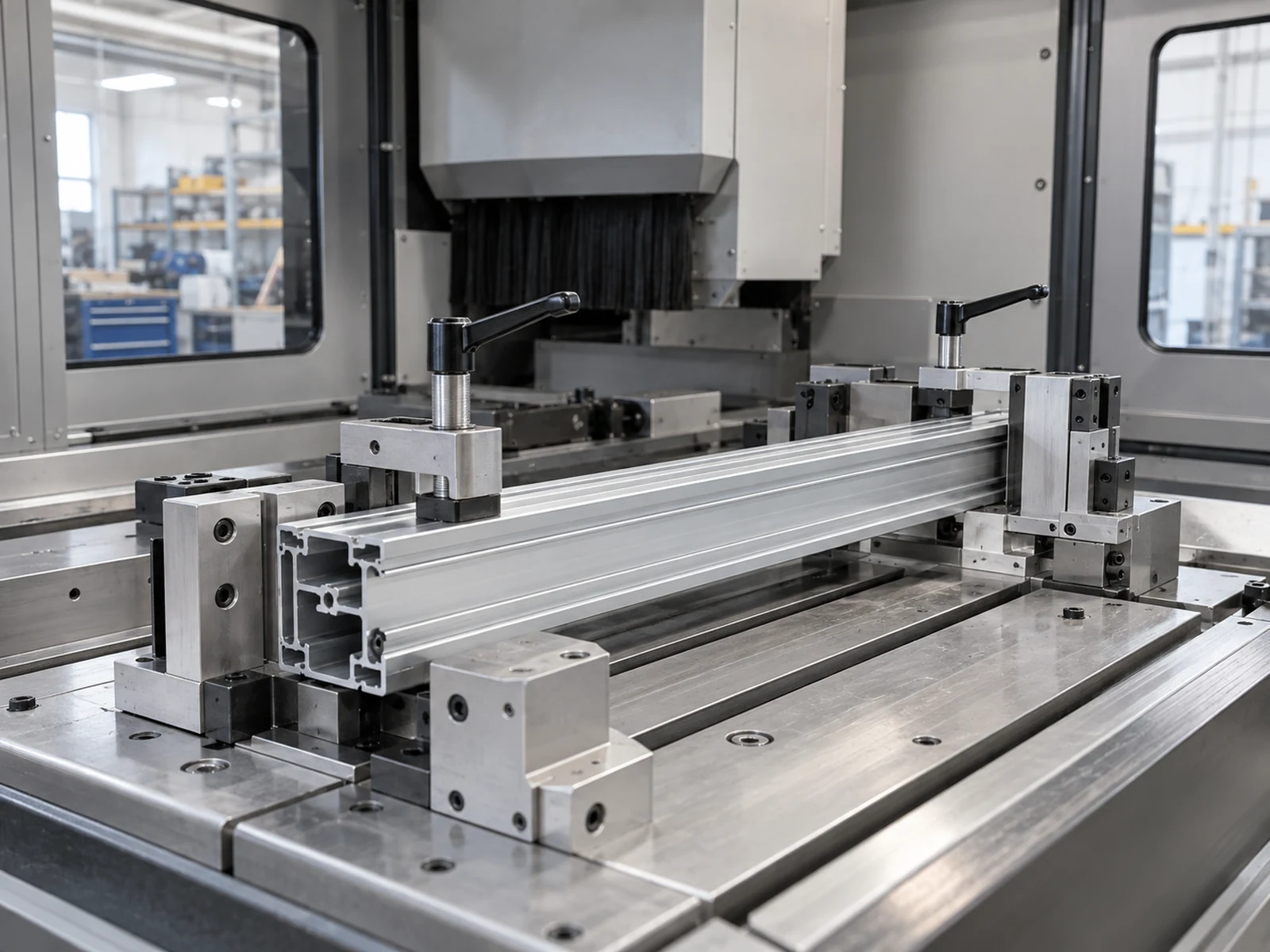
Request photos or measurements of the trial setup and identify the exact material, blade and configuration used. If a vendor demonstrates a different profile, treat it as a discussion of the equipment layout only. It cannot establish the pole tube’s clamping result, cut tolerance or finish quality. Confirm capacity and configuration against the actual Jiurun model quotation rather than borrowing a number from another machine.
4. Specify the cut edge that the next operation needs
A cut edge may be hidden under a grip, slide inside another tube, meet a cam, or remain accessible to a worker. Define which edges need burr removal, which need a protected cosmetic finish, and which require a particular squareness or length check. A burr inside the bore can obstruct a connector or catch a sliding section; a sharp outside edge can damage a cap or the user’s hand. State the inspection method and who performs any deburring. Do not equate a bright, smooth-looking photograph with an accepted batch.
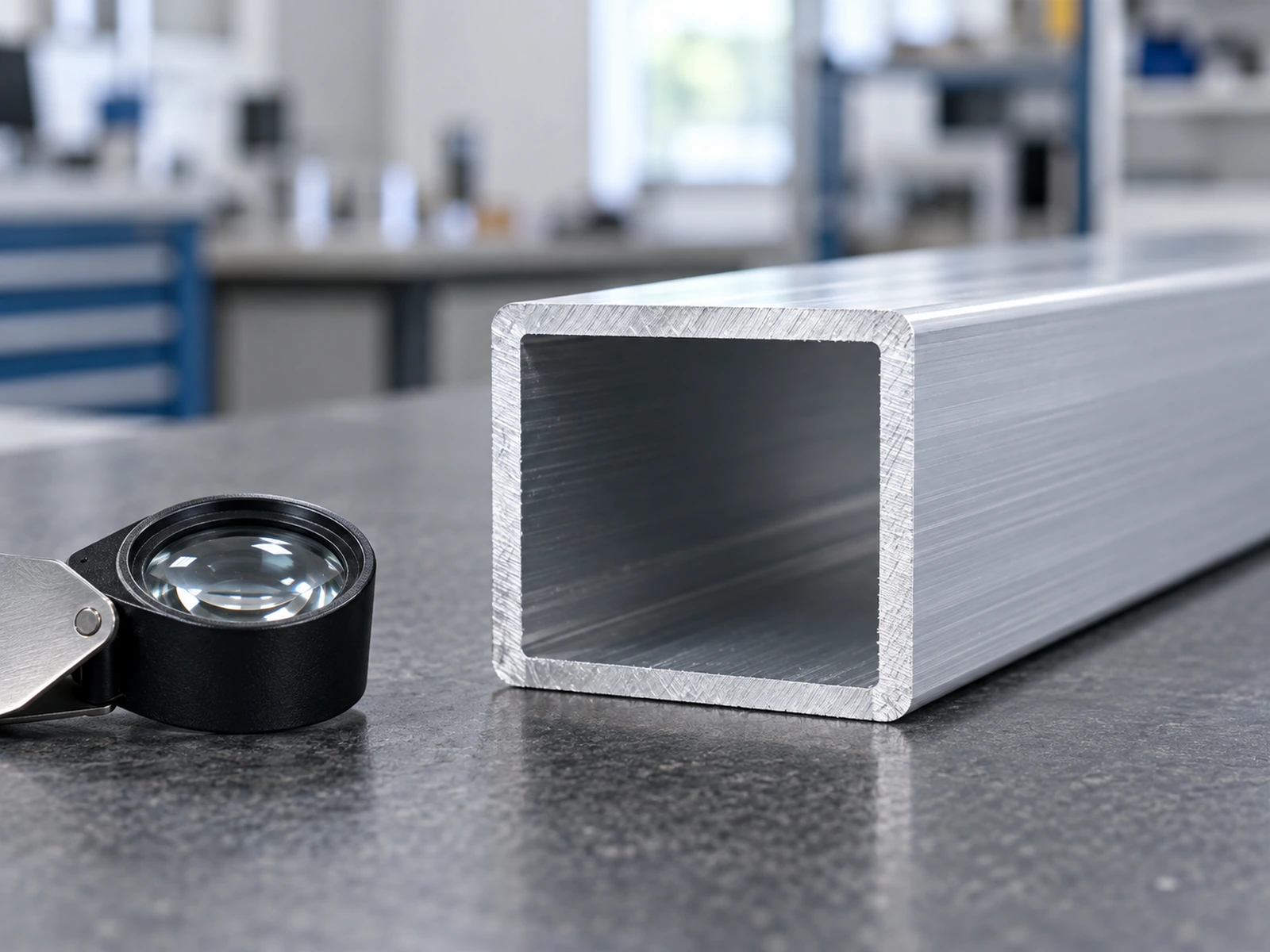
Record the acceptance view at the saw, after deburring, and after the relevant mating part is installed. If the assembler performs a secondary operation, agree whether the saw supplier should leave an allowance. One generic burr limit for every end can waste work on a hidden end while missing a critical sliding interface.
5. Keep the cam, clip and accessory connector in the drawing
Pool cleaning poles may use different lock devices and accessory fixing methods. Pentair’s catalogue lists metal-cam and E-Z Lock examples; AstralPool describes clip and butterfly fixing variants. These are examples of market arrangements, not Jiurun products or compatibility guarantees. Identify your actual part numbers, material and insertion depths. Ask the assembly team to sign off on the first cut set with its own lock, grip and cleaning tool.
For a sliding pair, test the tight and loose ends of the tube supplier’s permitted diameter range. Check that the surface finish and any burr removal do not damage the locking action. A single smooth sample does not cover a full tolerance stack. The saw trial should therefore deliver labelled inner and outer pieces rather than a pile of untraceable cutoffs.
6. Compare production route, not a headline cycle time
Estimate demand by part number and lot size. Note how often the cell changes between tube diameters or lengths, how stock enters the machine, how pieces are separated and how the finish is protected in packing. Compare manual feeding, assisted feeding and outsourced cut sets using the same accepted part list. A faster cut stroke does not necessarily shorten the order when changeovers, deburring, checks and rework dominate.
Ask a vendor to explain what a proposed circular saw actually includes: workholding, feeding, stop or positioning method, blade and guarding. Request a trial on your representative material and record the tested configuration. Jiurun supplies industrial circular saw equipment for aluminum and other nonferrous profiles; suitability for a particular hollow pool-pole tube requires a model-specific envelope and an observed sample, not an assumed catalogue result.
7. Put acceptance and RFQ data in one packet
Send the same packet to the tube supplier, saw supplier and assembly owner. Include: (1) assembly drawing or marked samples; (2) a cut list for every inner and outer section; (3) outside and inside dimensions, wall, alloy and temper; (4) finish state and visible-surface protection; (5) end codes, length and squareness acceptance method; (6) lock, cap and accessory connector drawings; and (7) annual volume, lot size, stock length and required handoff format. Name the person who approves an assembled trial set.
At the trial, inspect at least one short and one long blank from each tube type, measure the end condition with an agreed gauge, then assemble the locking pair and accessory connection. Record any corrective work separately from the saw result. Use a signed first-article sample and a labelled batch plan before releasing production. If the mating components have not yet been selected, request a feasibility discussion rather than a production-acceptance promise.
Practical answer for a buyer
Choose a saw only after you can identify the hollow tube sections and the interfaces that set their blank lengths. Compare suppliers on a witnessed cut-and-assembly trial, the specific machine configuration and the complete handoff route. Treat the images and the Jiurun video below as related equipment or inspection illustrations. They are not evidence that a particular pool pole, customer order or cut tolerance has been verified.
Video — related equipment context: Jiurun Machinery’s general aluminum saw and feeding demonstration shows an equipment process. It does not show this pool-pole material, a released tube fixture, a customer trial or a performance result.
If you are preparing a pool-pole tube cutting RFQ, send Jiurun the marked inner and outer tube samples, cut list and lock-interface drawing. Ask for a model-specific feasibility review and a sample plan before deciding on equipment.