
A pilot aluminum saw cell is useful only if the first purchase answers a decision about the later production system. A buyer may want one cell to learn the real profile mix, staffing and accepted-part output before ordering several saws. Another buyer already has released orders, proven part routes and a fixed delivery window that make a full rollout more credible. Neither approach is automatically safer. The decision is whether the cost and time of learning with one cell are worth more than the capacity delayed by staging the purchase.
This guide compares a bounded first-cell pilot with a complete rollout for industrial aluminum cutting. It does not promise that a Jiurun model fits a drawing or that a trial result scales linearly across a factory. Use actual released parts, site resources and receiving criteria to define the procurement boundary.
Name the scale-up question before asking for a pilot quote
Write a one-sentence decision that the first cell must resolve: for example, whether an approved section family can be cut, inspected and handed to the next process at the required staffed rate. List the families, drawings and revision levels covered; keep experimental and unapproved work outside the acceptance count. If the project is actually a capacity purchase for a known process, calling the first machine a pilot can hide a missed delivery commitment. Conversely, a full rollout based on an untested brochure cycle can multiply an incorrect fixture, layout or labor assumption.
Define two boundaries. The process boundary runs from identified incoming bar and released cut list to labeled, accepted cut parts at a named receiving point. The commercial boundary identifies which machine, infeed, outfeed, guards, blades, fixtures, controls, inspection tools, training, utilities and installation services the quote includes. A pilot may use temporary handling, but record it as temporary. Otherwise the second-cell budget silently inherits work that nobody priced.
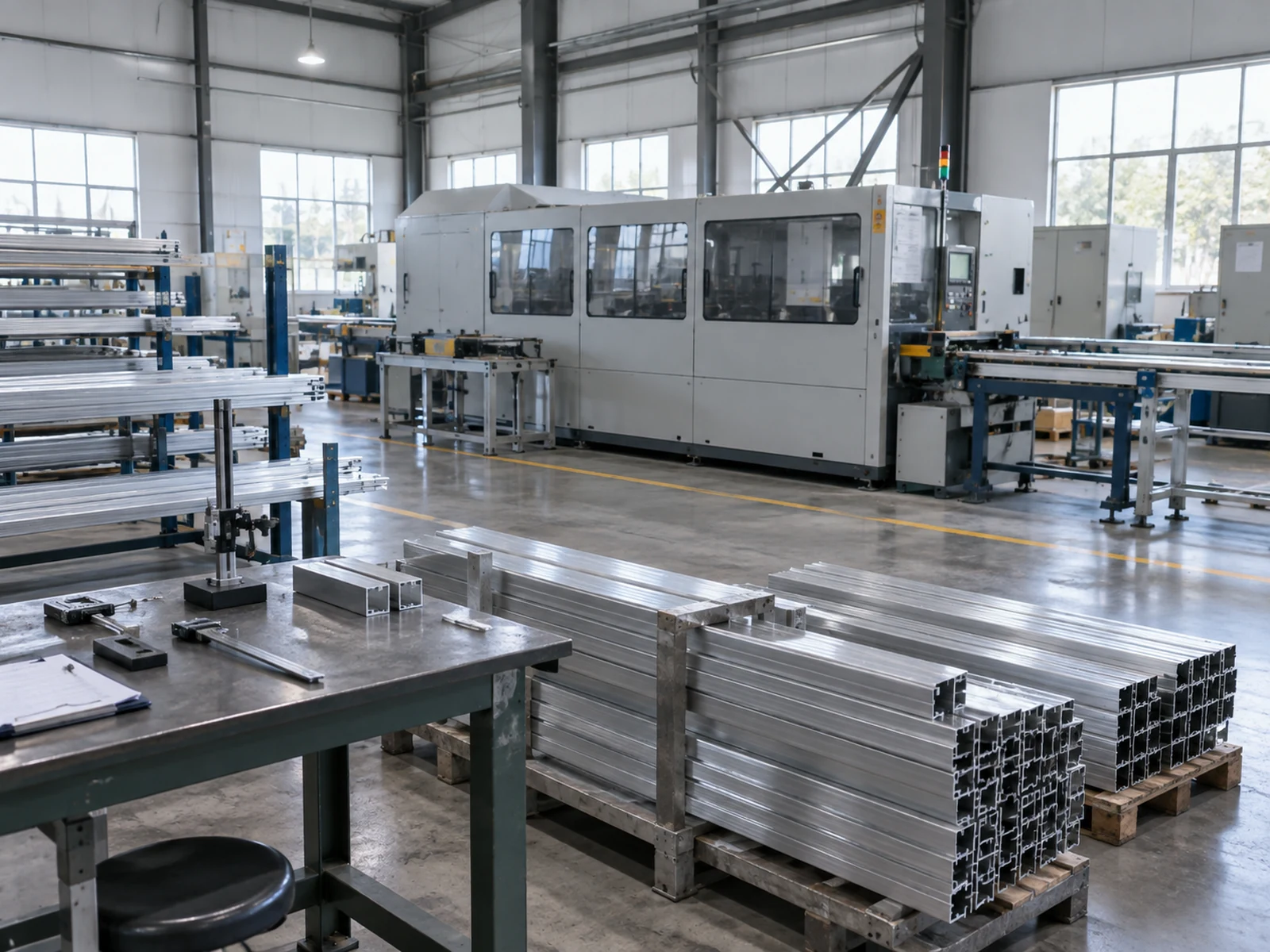
When a pilot aluminum saw cell is the better first order
A pilot can be justified when the process is unfamiliar, the part-family mix may change, or a key interface has not passed a representative trial. Buy a usable end-to-end cell, not a bare saw that cannot reveal the handoff. The first purchase should support approved production within a deliberately limited scope: named sections, cut geometries, stock lengths, protection requirements, planned batches, staffed hours and inspection method. State which questions must be closed before a second order is released.
A pilot aluminum saw cell also needs a stopping rule. Agree in advance what result would support expansion, redesign or cancellation. Record accepted parts per staffed period, first-part release time, changes between families, operator interventions, offcuts, held parts, upstream stock waits and downstream collection. Log the actual blade, clamp and program settings used for each result. A trial on substitute stock can help debug a step, but it does not prove an untested production material or finish. Keep the approval matrix tied to the exact observed conditions.
Do not mistake a working pilot for a copy-ready standard. The second site may have different utilities, available floor length, bar presentation, operator skill or receiving workflow. A repeat order should refer to the accepted configuration and also list every site-specific change. If multiple cells will share a stock rack, extractor, inspector or packing station, simulate the combined demand before claiming pilot output can simply be multiplied.
When the full rollout deserves a direct quote
A full rollout can be appropriate when the approved part routes, order volume, staffing and site interfaces are already known well enough to specify every station. Ask suppliers to quote the complete number of machines and the material flow between them, including spare handling paths and the shared resources that limit simultaneous use. Compare a staged delivery with a single installation window if the project must keep current production running. A multi-machine price discount is irrelevant if the line cannot receive, inspect or pack the extra cut parts.
Avoid assuming that every cell should be identical. Separate high-volume repeat families from low-volume profiles requiring different workholding or angles. The rollout plan should say which families each station can make, how a released job moves when one station is unavailable, and what proof supports that alternative routing. Common controls and spare parts may simplify training, but only the quoted model and configuration establish actual interchangeability.
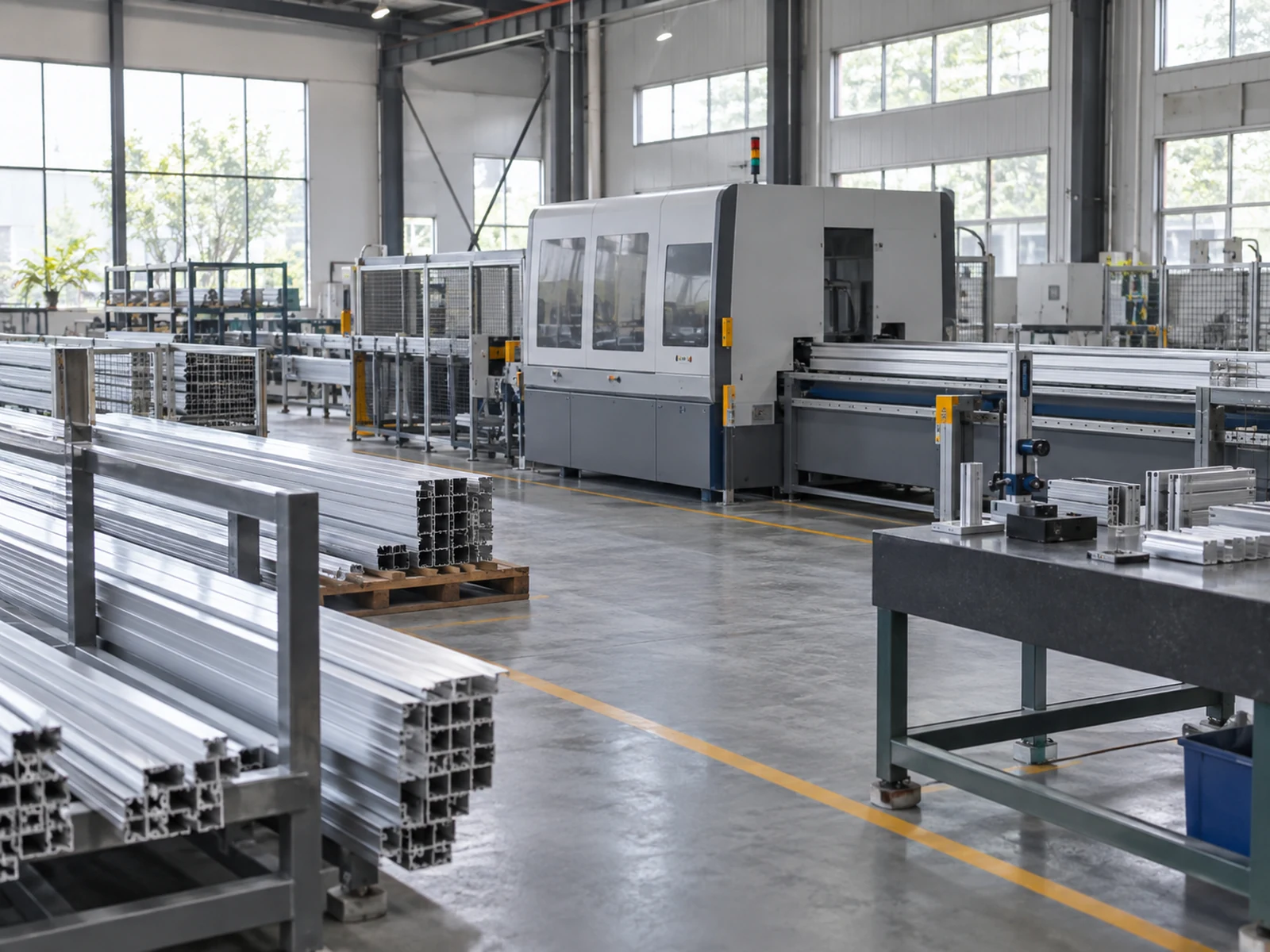
Compare pilot and rollout at the same accepted-output point
Give both proposals the same released order portfolio, due windows and accepted-part definition. For the pilot case, include the temporary outside cutting or existing-machine work needed while only one new cell operates. For the rollout case, include all machine purchases, parallel training, installation disruption, shared tooling, inspection labor and spare capacity. Record the time at which each proposal can actually supply accepted parts, not merely the date a crate arrives.
Use three evidence columns in the purchase file: observed on the representative trial, specified by the supplier but not yet demonstrated, and still outside the scope. Put forecasts and catalogue rates in the second column until tested. If first-cell observations differ from the estimate, calculate how many complete cells and shared people would be required at the measured accepted-output rate. Do not convert a feed-position specification into finished-part accuracy, or a saw cycle into a whole-shift delivery rate.
Include the cost of a wrong decision. A pilot can delay required capacity or create a one-off installation that needs rework. A full rollout can replicate an unfit clamp, short outfeed or missing inspection station. Price the likely change paths: fixture modification, extra guard or rack, controls revision, operator retraining and a repeated witnessed acceptance test. The comparison is more useful than a simple unit-price multiplication.
Write a release gate for the next equipment order
The gate should identify an owner and dated evidence for five items: the part families proven, the accepted output and exceptions, the final as-built configuration, the shared-resource loading at proposed scale, and the remaining site and commercial exclusions. Specify who may approve a second purchase, what drawing and software revisions will be copied, and what requires another trial. If a family is unproven, leave it unproven in the coverage table; do not let a favorable result on another profile stand in for it.
For a full rollout, use the same discipline before order release: require a witnessed reference process or a first-article test on the offered configuration, then attach that result to each station’s acceptance plan. Factory acceptance and site acceptance may answer different questions. The site test should include installed utilities, real material handling, operators and receiving inspection. A supplier video or a completed machine build is useful context, not proof of the buyer’s finished-part criteria.
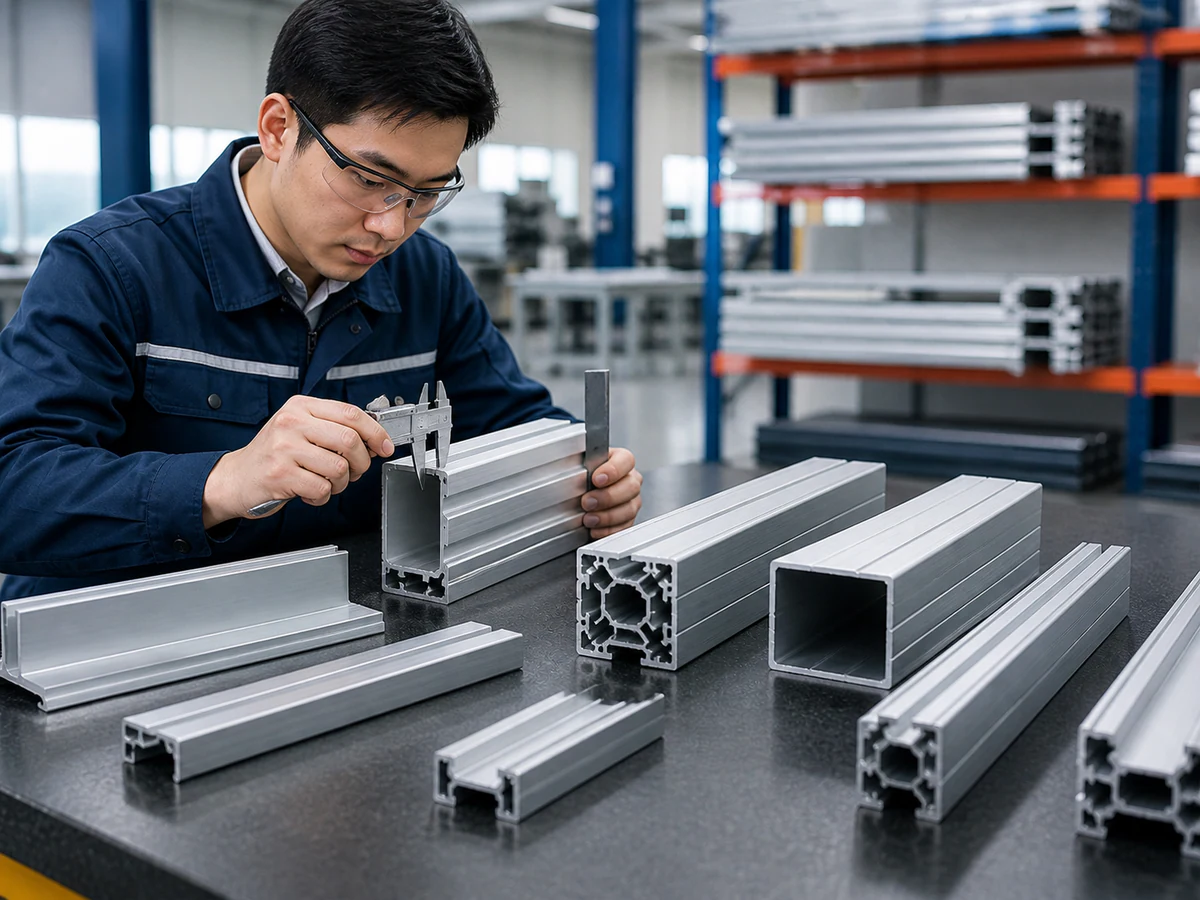
Quotation checklist and sources
Ask for a pilot quote and a full-rollout quote against the same project brief. Each should name machine model and supplied options, supported profile envelope, blades and fixtures, infeed and outfeed, utilities, guards, controls and data handoff, inspection responsibility, installation, training, spare parts, service, exclusions and the acceptance trial. For the pilot, request the price and lead-time basis for later duplicate or complementary cells without assuming that future prices or configurations are guaranteed. For the rollout, require the whole system layout and concurrent staffing plan.
The U.S. National Institute of Standards and Technology MEP equipment pre-purchase guide highlights location, ancillary equipment, users, maintenance and lifecycle questions. We use those as general prompts; it does not endorse a particular saw or a pilot strategy. For related JiurunCut decisions, see demand scenarios for uncertain order volume, factory versus site acceptance for separate test boundaries, and first-week production ramp planning after installation.
Video: general saw and feed-process example
This Jiurun Machinery channel video shows general equipment feeding and cutting. It is not a pilot cell, multi-cell rollout, specified material, quoted model configuration, customer trial or performance result. Use it only to visualize a process stage that your own trial must define.
Decision and next step
Start with one complete pilot cell when the remaining uncertainty can be resolved by a bounded, representative production test and the delayed capacity is acceptable. Quote the full rollout when part routes and shared resources are already demonstrated and the delivery window requires parallel accepted output. If neither proposal has a measurable receiving point or a credible staffing plan, define those first. Contact JiurunCut with released profile drawings, order portfolio, current process, site layout and acceptance criteria to compare the machine scope and trial plan.