
An outsourced aluminum cutting site change can alter more than the address on a delivery note. A supplier may move the cut to another building, send overflow work to a subcontractor, or change the company that performs the operation while keeping the same sales contact. For a buyer, the practical question is whether the approved route, drawing controls, inspection method and lot identity still support release of conforming cut parts.
Use the purchase order, drawing, quality agreement and customer-specific requirements as the authority for notification and approval. Some agreements require written consent before a site or sub-tier change; others leave more discretion to the supplier. Do not assume either rule. Ask what physically changes, which lots are affected and who is authorized to accept the evidence before the next shipment.
Outsourced aluminum cutting site change: define the approved route
Record the current cutting location, legal supplier, operating company, cutting process, inspection location and shipping point. A move within one organization may still change fixtures, machines, operators or metrology. A subcontractor may introduce a separate quality system and an extra transfer of material. Conversely, a change of invoice address alone may have no effect on the cut. Classify the change by the work performed, not the wording of the announcement.
Ask for a route map that starts with receipt of the specified extrusion or stock and ends with labelled, protected cut parts. It should identify who owns incoming-material verification, drawing-revision release, setup, cutting, deburring if required, inspection, segregation, packing and records. The supplier should name the entity responsible for each step and the person who resolves a nonconforming lot.

Compare the old and proposed cutting controls
Start with the actual part family and the drawing revision on open orders. Identify the alloy and temper only as specified, the profile cross-section and maximum cut length, the datum used for length, permitted end condition and any burr or finish requirement. A machine being capable of cutting aluminum in general says little about its ability to hold the requirements of this particular drawing.
For the proposed route, request a comparison of equipment capacity, clamping and support, blade selection, feed arrangement, end-stop or measurement method, chip control, handling and inspection equipment. Ask which items are transferred unchanged, which are replaced and how each replacement is qualified. If a supplier quotes a feed-positioning figure, do not treat it as finished-part length accuracy. Finished-part acceptance depends on the drawing, setup, material behavior, cutting and measurement together.
Evidence should match the risk. Suitable examples may include a documented setup comparison, inspection records for representative parts, calibration status for the measuring method and traceability from input stock to output lot. A photograph of a machine or a generic demonstration video is useful for understanding the type of operation, but cannot establish the configuration, performance or acceptance of your order.
Set a first-lot release gate before production moves
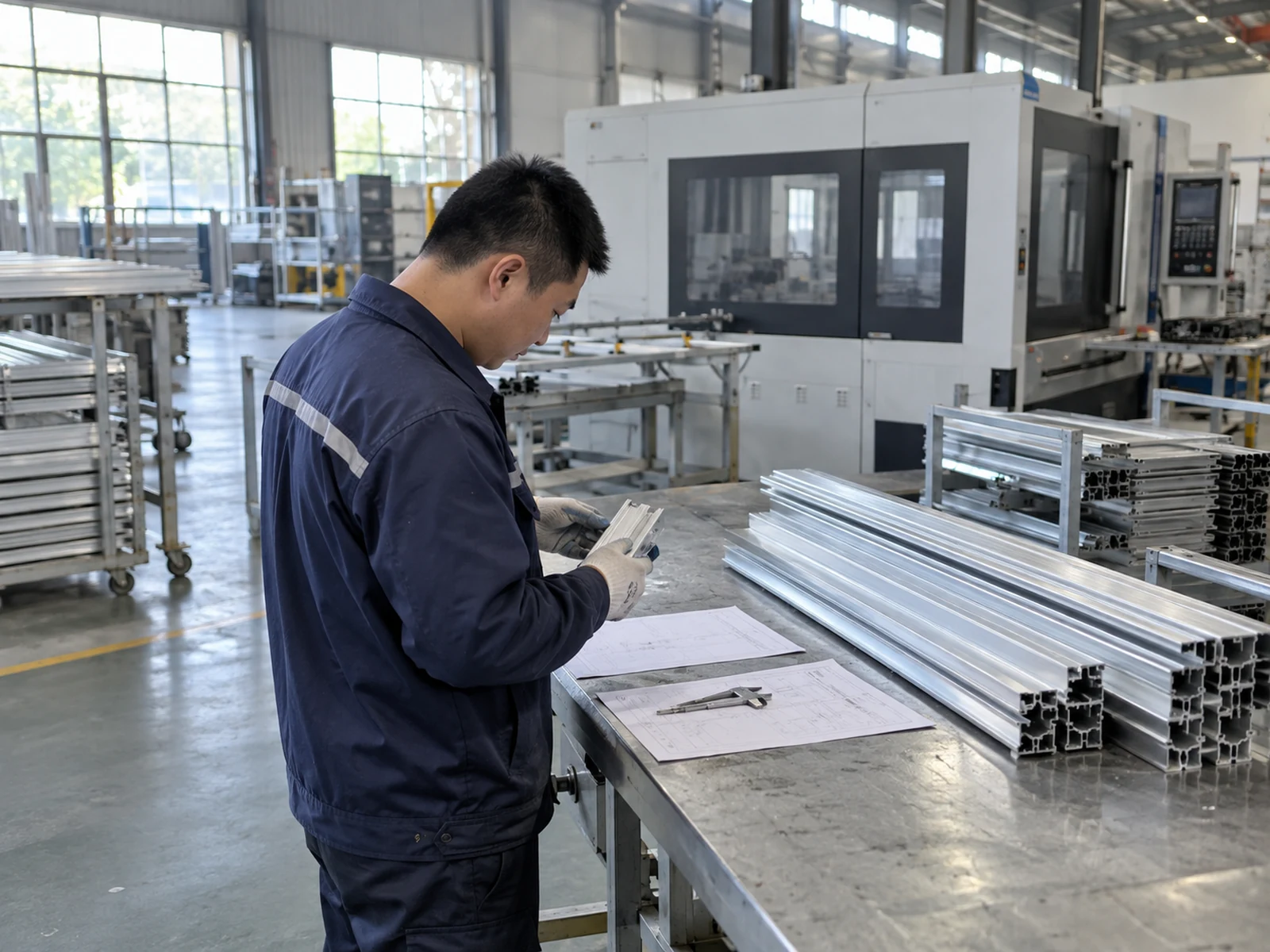
Agree on a first-lot plan before the new route cuts saleable volume. The plan should identify the drawing revision, selected dimensions and end conditions, measurement method, number and location of checked pieces, acceptance criteria and the person who can release the lot. The number of samples and any capability study should follow the contract, part risk and process history; there is no universal sample percentage that fits every cut part.
When feasible, compare parts from the old and proposed routes using the same drawing and measurement rules. Look for systematic shifts in length, squareness, burr condition, handling marks and pack protection where those characteristics matter to the application. If results fail or are ambiguous, keep the new-route lot separate, correct the cause and repeat the agreed verification. Approval of a sample does not automatically approve every later lot: define what routine controls and records continue after first release.
The ISO/IAF Auditing Practices Group describes risk-based controls for external providers, including selection, monitoring and control of outsourced work. Its guidance on scope and outsourced processes also emphasizes that outsourcing does not erase the organization’s responsibility for conformity. These are useful control principles; the specific notification and release authority still comes from the applicable order and agreement.
Draw a clean boundary around open orders and work in process
Ask for a transition list with purchase-order number, drawing revision, input-stock lot, cut date, cutting site, inspection site, finished-part lot and shipment date. Identify stock already received at the old site, parts partly processed there, and any material proposed for transfer. Do not mix old- and new-route parts under one unqualified label merely because the sales order is unchanged.
Decide how transferred material is protected and identified, how scrap or rework is recorded, and how an escape would be traced back to the responsible route. If the drawing changes at the same time, apply a separate revision cutover: otherwise a site-change investigation can conceal a drawing-revision error. Our drawing-revision handoff guide addresses that boundary in more detail.
Make the commercial and quality decision together
An outsourced aluminum cutting site change can affect freight, lead time, minimum batch, inventory location, subcontract disclosure and responsibility for rejected pieces. Ask for the proposed effective date and a revised quotation if any commercial term changes. Confirm who holds the records, who can access the sub-tier process if the agreement allows it, and how confidentiality and customer-owned tooling are handled. These are contract questions to resolve with the parties, not assumptions to make from a machine brochure.
| Change reported | Evidence to request | Release decision |
|---|---|---|
| Same supplier, different cutting facility | New site and equipment map, transferred controls, first-lot results | Follow the order’s site-change rule and approve the affected route and lots |
| Cutting subcontracted to a new company | Sub-tier identity, responsibilities, material/part traceability and inspection records | Apply any subcontract approval clause before releasing new-route parts |
| Invoice or shipping address changes only | Written confirmation that cutting and inspection route remain the same | Update commercial records; escalate if the physical route actually changed |
A short buyer request that gets a usable answer
Send the supplier one request covering: (1) the old and proposed route with legal entity and addresses; (2) affected part numbers, purchase orders and lots; (3) drawing revision and material specification; (4) equipment, fixture and inspection changes; (5) first-lot verification plan and results; (6) transition, segregation and traceability plan; and (7) proposed effective date, lead-time and price impact. Ask them to flag any item they cannot yet substantiate instead of answering only that the new site has “the same machines.”
For example, if a supplier moves one extrusion family to an overflow cutter while retaining final inspection, the buyer should identify which open lots are cut where, whether the overflow cutter uses the same datum and acceptance method, and what first-lot evidence is needed under the agreement. That is a hypothetical decision example, not a report of a Jiurun customer or trial.
Where machine selection fits
If outsourcing risk prompts a comparison with in-house cutting, keep that procurement decision separate from approval of the current supplier change. Define profile envelope, drawing requirements, throughput, handling and inspection before comparing saws. Our second-supplier qualification guide covers a different contingency: qualifying an alternate source rather than approving a route change within an existing source.
The following Jiurun channel video shows general aluminum-cutting machine operation. It is an equipment illustration only; it does not show the supplier, site, material, model configuration, customer order, trial cut or performance evidence discussed above.
Before accepting an outsourced aluminum cutting site change, get the change description, affected-lot boundary and agreed verification evidence in writing. If you are evaluating an in-house aluminum cutting workflow instead, contact Jiurun with the profile drawing, material and target output so the equipment discussion can start from the actual application. For incoming shipments after a route change, our cut-part receiving guide covers a separate check at the dock.