
Outsourced aluminum cutting price adjustment is easiest to control before another purchase release, not after finished parts and invoices have already moved. A buyer may be told that stock has become more expensive, the cut list has changed, or a smaller call-off now takes more setup time. Those are different causes. They need different evidence, and they may affect different lots. This guide gives a practical way to decide whether to keep the accepted price, request a revised quote, or change the scope of a future release. The signed purchase terms and applicable law determine actual rights; the framework below is a procurement checklist, not a claim that any supplier may change a price unilaterally.
Start with the accepted quote, not the new number
Keep one baseline record for each part and revision: drawing, alloy and temper where specified, supplied-stock owner, stock section and length, cut length and tolerance, expected quantity per release, inspection and packing scope, delivery point, quote currency, price, expiry, and the approvals that turned a quote into a purchase order. Also record whether the quote is per cut piece, per raw bar, per batch, or a bundled service. A unit price without its quantity and scope cannot explain a later change.
For recurring cut parts, identify the status of each lot at the proposed change date: forecast only, buyer-issued release accepted by the supplier, material purchased for that release, work in process, completed awaiting inspection, or accepted and invoiced. This prevents the parties from applying one proposed price to every piece in the pipeline. A forecast is not automatically the same commitment as an accepted release; the actual agreement decides when an obligation arises. The image below illustrates physical stock and completed groups. It does not establish the ownership or commercial status of any real order.
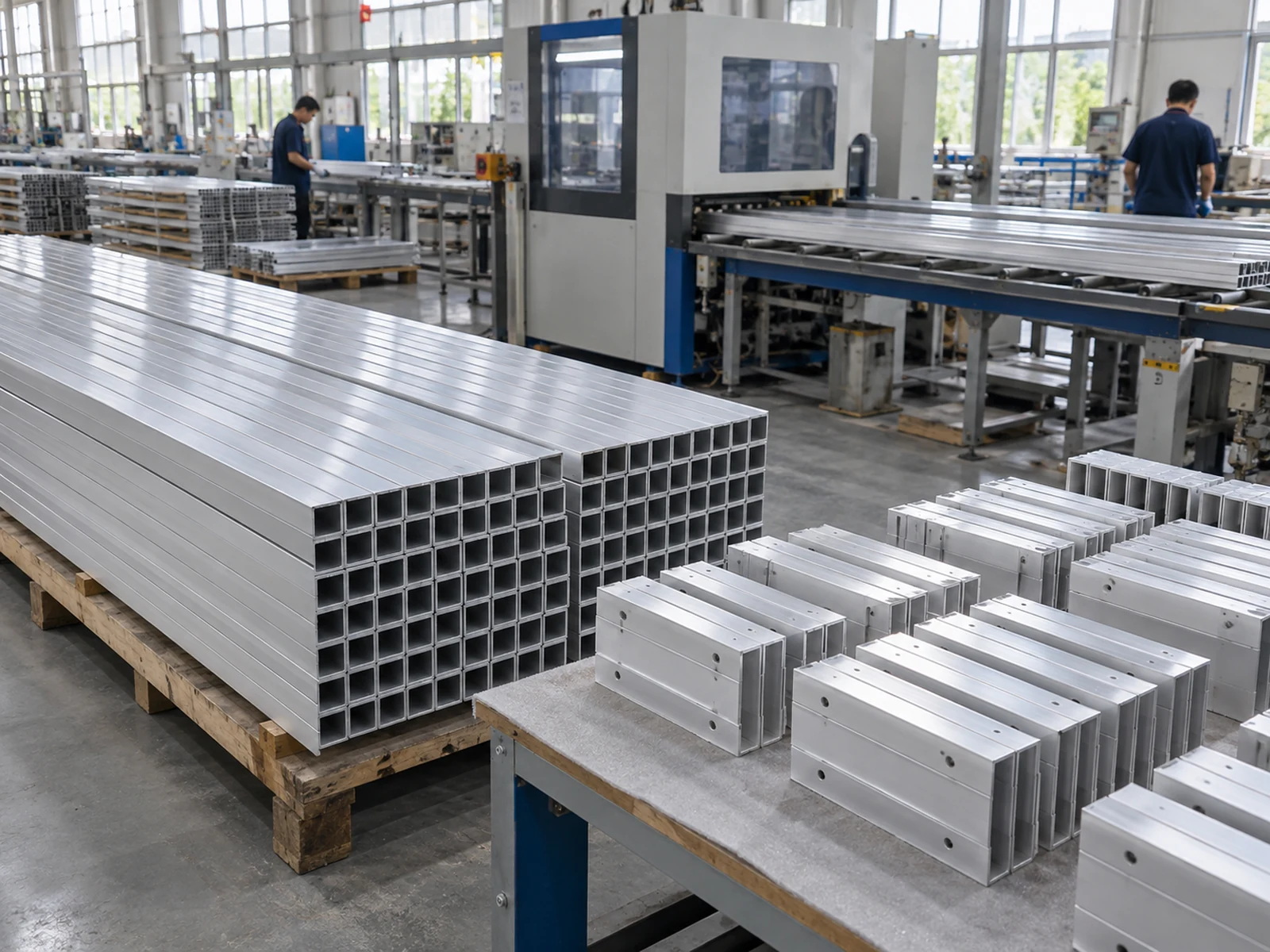
Outsourced aluminum cutting price adjustment: which change triggers a requote?
Classify a request before discussing money. A specification change may alter the drawing revision, stock condition, cut tolerance, deburring, inspection, labeling, or packing. A volume or schedule change may alter batch size, release frequency, rush work, or setup allocation. A cost-input change may concern a named material, labor, energy, freight, or other component only if the accepted terms make that component reviewable. A route change may substitute a saw, fixture, subcontractor, or location and should go through technical and quality approval as well as any commercial review. Do not combine all four under a generic “market surcharge.”
Ask what was assumed in the first quote, what changed, when it changed, and which future line items it affects. If the part drawing and accepted release are unchanged, a new supplier request is still a proposal until the parties apply their agreed change mechanism. Conversely, if the buyer changes a drawing or calls for a different lot size, the old price may no longer describe the new job. Keep the technical change record separate from the proposed price record. Our drawing-revision guide explains how to segregate old stock and open orders before a revised release.
Ask for a price bridge that can be checked
A useful supplier proposal names the original accepted line item and unit, the affected revision, the proposed new unit price, the claimed cost driver, supporting reference, quantity to which it applies, proposed effective date, and duration. If the supplier claims an input-cost increase, ask whether the same basis would also pass through a decrease. If it is a smaller lot, ask for setup time, cycle assumptions and material-yield changes separately instead of a single unexplained percentage. An offcut allowance belongs on its own line when ownership and credit were agreed; see our offcut ownership and quote-credit guide.
Use evidence proportionate to the decision. That might be an updated stock quote for the same alloy and section, a revised cut list showing fewer pieces per bar, a setup-route comparison, a new packing requirement, or a freight quotation for the same delivery terms. The buyer does not need to accept a supplier’s entire internal cost model to identify an explainable change. Equally, a buyer should not demand a technical capability or confidential document that the commercial agreement never required. Agree the supporting data and access before relying on it.
The following existing media-library image illustrates a fixture changeover, one possible route or setup driver. It does not prove that this particular fixture, machine, labor time, or cost applies to the article’s hypothetical quote.
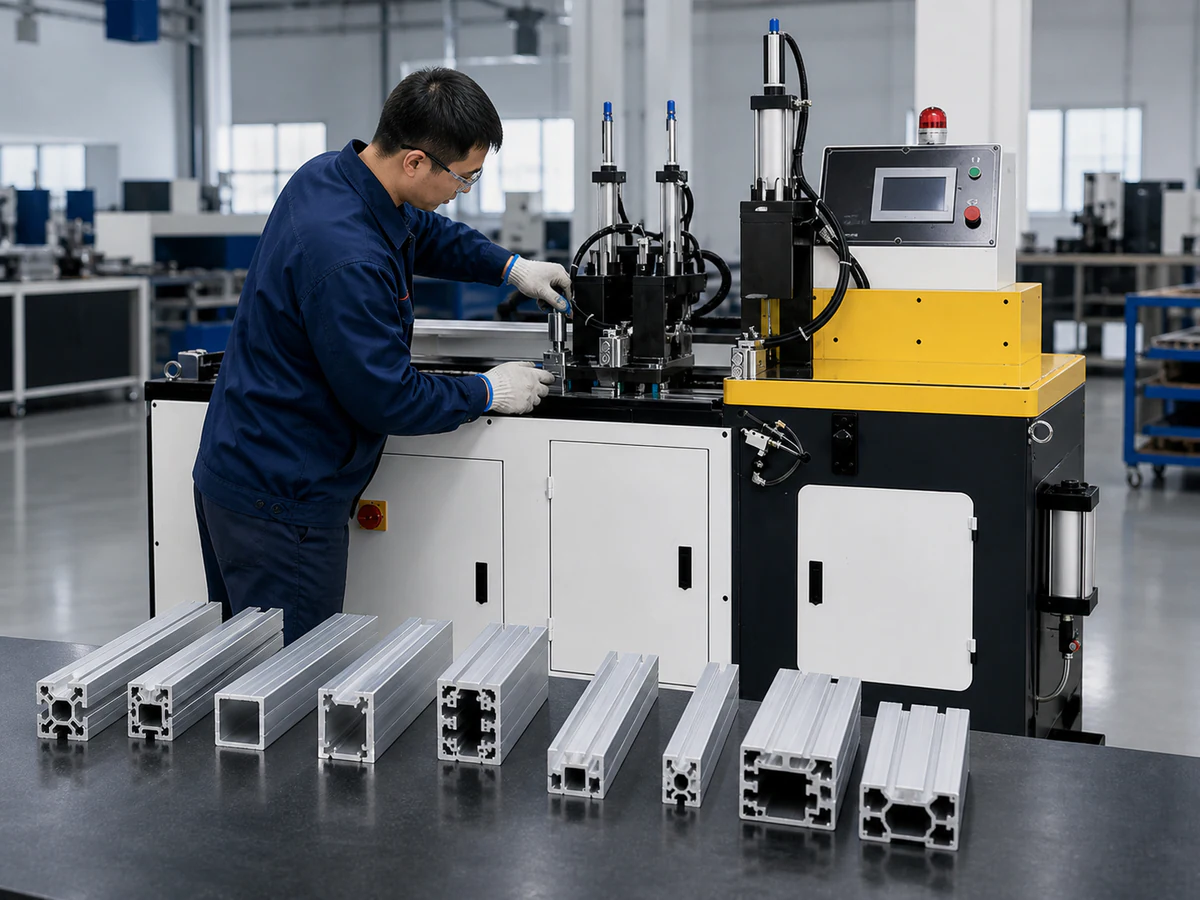
Freeze the effective date and the affected lot
The approval should say whether a changed price applies to a new quotation, the next unissued release, an already issued but unaccepted release, or work already accepted by the supplier. Never leave this to an invoice note. Record the effective date and time, purchase-order or release numbers, part and revision, quantity, and the last lot at the old price. If an open release must change, use a written amendment and an explicit inventory or WIP disposition; do not silently replace the original document.
For a simple example, suppose a buyer has an accepted price of $4.00 per piece for one defined cut part, and the parties have agreed that a later documented input change may be reviewed before each new release. Four hundred pieces are already under an accepted release; another 600 are only forecast. A supplier proposes $4.30 for a future 600-piece release with supporting data. The buyer first checks whether the 400-piece accepted release stays at $4.00 under the actual agreement, then negotiates the new 600-piece basis. If the buyer accepts $4.30, the new release states the revised price and its date. These figures illustrate a decision boundary, not a market price, legal entitlement, or recommended increase.
If a release is being cancelled instead, settle the stopped work and stock disposition under its own terms before discussing a successor price. Our order-cancellation checklist covers that distinct stop-and-settle decision. Keep the prior release, amendment and new release linked so receiving and accounts payable can tell which basis applies.
Separate material price, yield, and setup
For an aluminum cut part, “material cost rose” is incomplete if it hides a change in stock length, cut yield, scrap ownership, or whether the buyer supplies stock. A longer piece, a new end condition, or a smaller nesting batch can change consumption even if the market price per bar is unchanged. Conversely, a stock-price movement should not be used twice, once as a bar surcharge and again as a finished-piece percentage, unless the accepted commercial basis explicitly calls for both and removes double counting. Ask the supplier to show the same units on both sides of the comparison.
Setup is similarly specific. A different profile family may require a fixture or support change, first-piece check and line clearance; a repeated batch on an established setup may not. Distinguish one-time setup charges from recurring piece prices. If a new fixture is funded by the buyer, identify its ownership, maintenance and exit terms separately. The image below illustrates stock, cut sections and a remaining tail as a conceptual material-use scene; it is not an observed yield or a tested cost calculation.
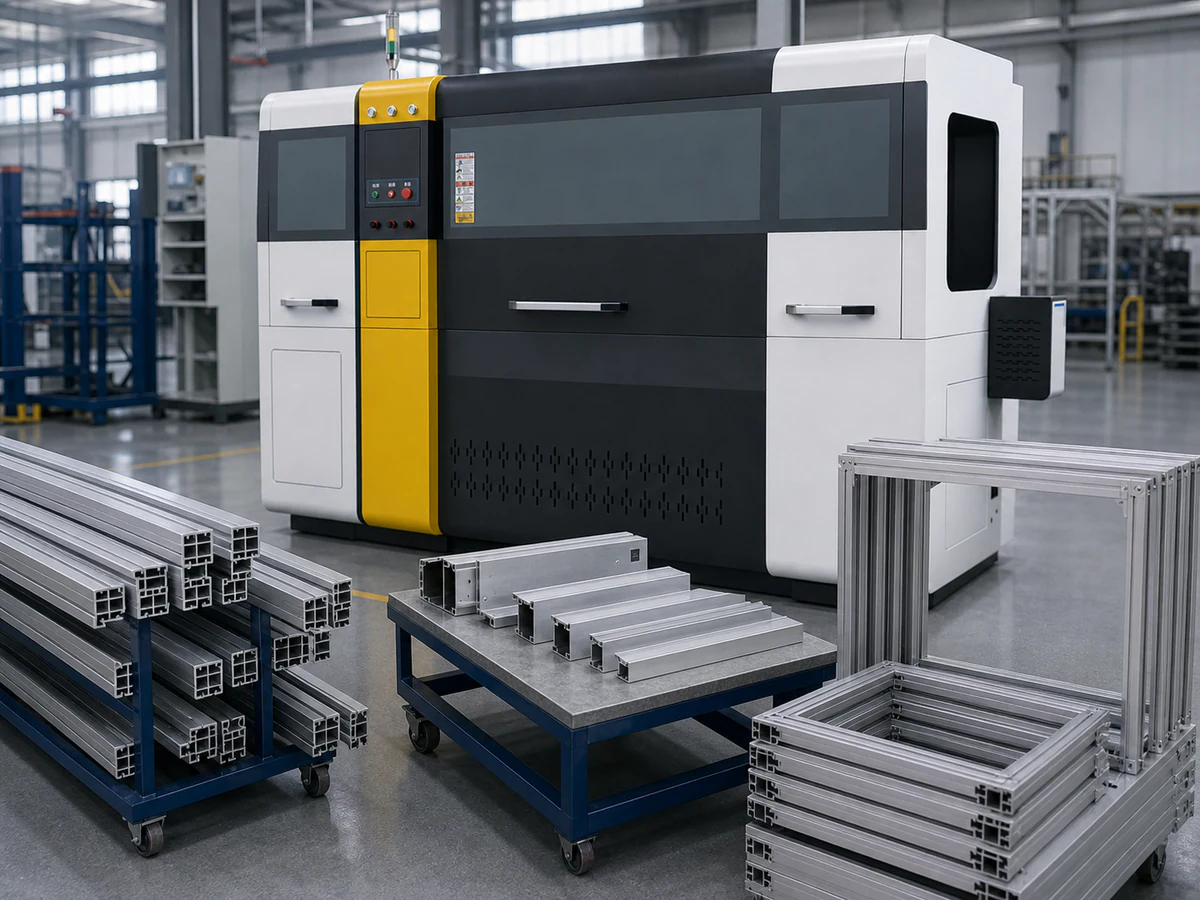
Use a release decision table
| Record | Buyer question | Release decision |
|---|---|---|
| Accepted quote and PO | Which part, revision, unit, quantity and terms were accepted? | Keep as baseline; do not overwrite. |
| Change notice | What changed, when, and on whose instruction? | Classify specification, volume, input cost, or route. |
| Price bridge | What evidence connects the old and proposed unit prices? | Challenge gaps, duplicate charges, and unsupported scope. |
| Open-work register | Which stock, WIP and finished lots are already committed? | Apply the contract’s treatment to each lot. |
| Written approval | Who can approve the new basis and effective date? | Issue a revised quote acceptance or PO amendment. |
| Receiving and invoice | Which release and price basis does this shipment use? | Reconcile against the accepted document. |
On a phone, swipe the table horizontally if needed. If the evidence is incomplete, keep the proposed price and the next release separate until the decision maker resolves it. An unresolved claim should not be smuggled into receiving, the supplier scorecard, or the final invoice. The invoice-reconciliation guide handles accepted quantities and approved extras after delivery.
What can formal procurement examples teach?
The U.S. Federal Acquisition Regulation’s economic price adjustment clause for labor and material is a government-contract example of a notice, supporting data, negotiated adjustment and effective date. The World Bank procurement framework also publishes standard documents and a contract price-adjustment computation workbook for its project context. They are useful examples of transparent documentation, but neither automatically governs a private outsourced aluminum cutting purchase. Do not copy their thresholds, formula, deadlines or remedies into a private order without an agreed contract review.
Questions to close before the next release
Can a supplier raise the price for an accepted lot? The answer depends on the accepted contract and any written amendment. Keep the lot status visible; do not infer a retroactive right from a new quote.
Should every rise in the raw aluminum market change the cut-piece price? No automatic rule follows. First identify who owns and buys the stock, what portion of the accepted price is material, whether the agreement includes an adjustment method, and which unissued quantities are affected.
What if the supplier changes the machine or subcontracted route? Revalidate the technical and quality route before approval. A commercial price change does not itself approve a different part-making process or inspection boundary.
How should the buyer record a rejected proposal? Retain the original accepted basis, the supplier’s proposal, the buyer’s response and the decision for each release. If the order cannot proceed under the accepted terms, use the agreed escalation or cancellation process rather than treating a disputed invoice as the first notice.
See an equipment process example
The Jiurun Machinery video below shows general aluminum saw footage. It is an equipment/process example only. It does not show this quote, the material, model configuration, customer, trial cut, affected stock, setup time, price, cost or performance for any order discussed here.
Preparing an aluminum cut-parts RFQ? Send JiurunCut the part drawing and revision, material and stock ownership, cut list, lot sizes, acceptance method, packaging and delivery scope. Ask for the quote’s included assumptions and a written mechanism for any future change before issuing the next release. Contact JiurunCut to discuss the cutting route.