
An outsourced aluminum cut-parts order can be cancelled in an email while stock, setup work, and finished pieces remain in several physical places. A buyer may think “stop the order” means no further cost; a supplier may have already bought extrusion or completed a first lot. Neither assumption settles what should happen next. Outsourced aluminum cut-parts order cancellation needs a dated stop instruction, an inventory snapshot, and a written disposition for each identified group. This guide covers an order that has been released for cutting, rather than an uncommitted forecast or a quotation that was never accepted.
Use your purchase order and agreed contract terms to determine rights, charges, title, and remedies. The steps below are a practical evidence and negotiation framework, not a universal cancellation fee or legal rule. If a dispute is material, involve the people responsible for the contract before promising a settlement.
First distinguish a forecast, a reserved slot, and a released order
A forecast can help a supplier plan but may not authorize stock purchase or cutting. A reserved production slot may carry its own written conditions. A released order is different: it identifies the parts and authorizes a defined scope under the parties’ terms. Before discussing cancellation cost, collect the purchase order, supplier acknowledgement, drawing revision, cut list, material responsibility, release date, and any change or cancellation clause. The capacity-reservation guide explains why those earlier commitment levels should not be treated as interchangeable.
State whether the instruction cancels the whole order, one line, one revision, or only the unstarted balance. If the buyer still needs accepted pieces already completed, it may be a partial stop and revised delivery plan rather than a complete cancellation. Name the effective time and the sender authorized to issue it. Ask the supplier to acknowledge receipt and identify the last operation that could be stopped safely. A timestamp is useful because the inventory picture can change between a phone call and the next shift.
Issue a stop instruction without destroying the evidence
Tell the supplier which purchase-order lines and revisions are affected, which work should stop, and which actions remain authorized. Do not assume that “stop cutting” automatically means stop packing, return buyer-supplied stock, or scrap completed parts. Those decisions require separate instructions. Ask the supplier to protect and segregate affected material, preserve labels and process records, and report any unavoidable work already under way. If one machine cycle or setup cannot be interrupted safely, the supplier should state the exact boundary and the pieces produced after the notice; the buyer can then decide how to treat them under its agreement.
Keep unaffected orders moving only after their stock, labels, fixtures, and documents have been separated. A supplier serving several revisions or customers must not move cancelled material into another order without permission. Where material is buyer-owned, ask who holds it, where it is stored, and how it can be identified on collection. Where the supplier purchased material, do not assume title transferred merely because it was ordered. Check the commercial terms and the actual purchase evidence.

Document outsourced aluminum cut-parts order cancellation at the stop point
Request a line-by-line snapshot before debating money. It should connect each physical group to an order line, part number, drawing revision, alloy and temper when specified, incoming stock form, quantity and unit, location, and status. Distinguish material purchased but not received, uncut extrusion on site, material at the saw, partly processed work, finished cut parts awaiting inspection, accepted finished parts, and already dispatched pieces. Record offcuts and reusable remnants separately if the order terms make them relevant.
Do not count a setup sample as accepted production automatically. Likewise, a completed cut does not prove the part met the drawing. For each group, identify whether inspection was required, whether it occurred, and who was authorized to accept it. A photograph can help locate a bundle, but it cannot replace the count and revision record. Ask for dated labels or images tied to specific bins or bundles, not a general workshop photograph. If the supplier’s count is provisional, mark it provisional until both parties agree how it will be checked.
| Status at stop point | Evidence to request | Decision still needed |
|---|---|---|
| Stock not yet cut | Purchase and receipt references, owner, length, condition, location | Use on another approved order, return, hold, or other agreed disposition |
| Work in process | Operation completed, pieces and offcuts, revision, inspection status | Finish, hold, rework, or stop at the agreed boundary |
| Finished but not accepted | Lot identity, count, required inspection and results | Inspect and decide acceptance or disposition |
| Accepted or shipped | Acceptance record, pack count, dispatch and receipt references | Delivery, storage, return, or payment treatment under the agreement |
On a phone, swipe across the table to read every decision column. The point is to keep a physical state separate from a commercial entitlement. A supplier may have spent money on a group; that does not by itself establish the buyer’s obligation to pay. Equally, the buyer’s stop notice does not make accepted, contractually due work disappear.
Choose a disposition for each group, not one blanket answer
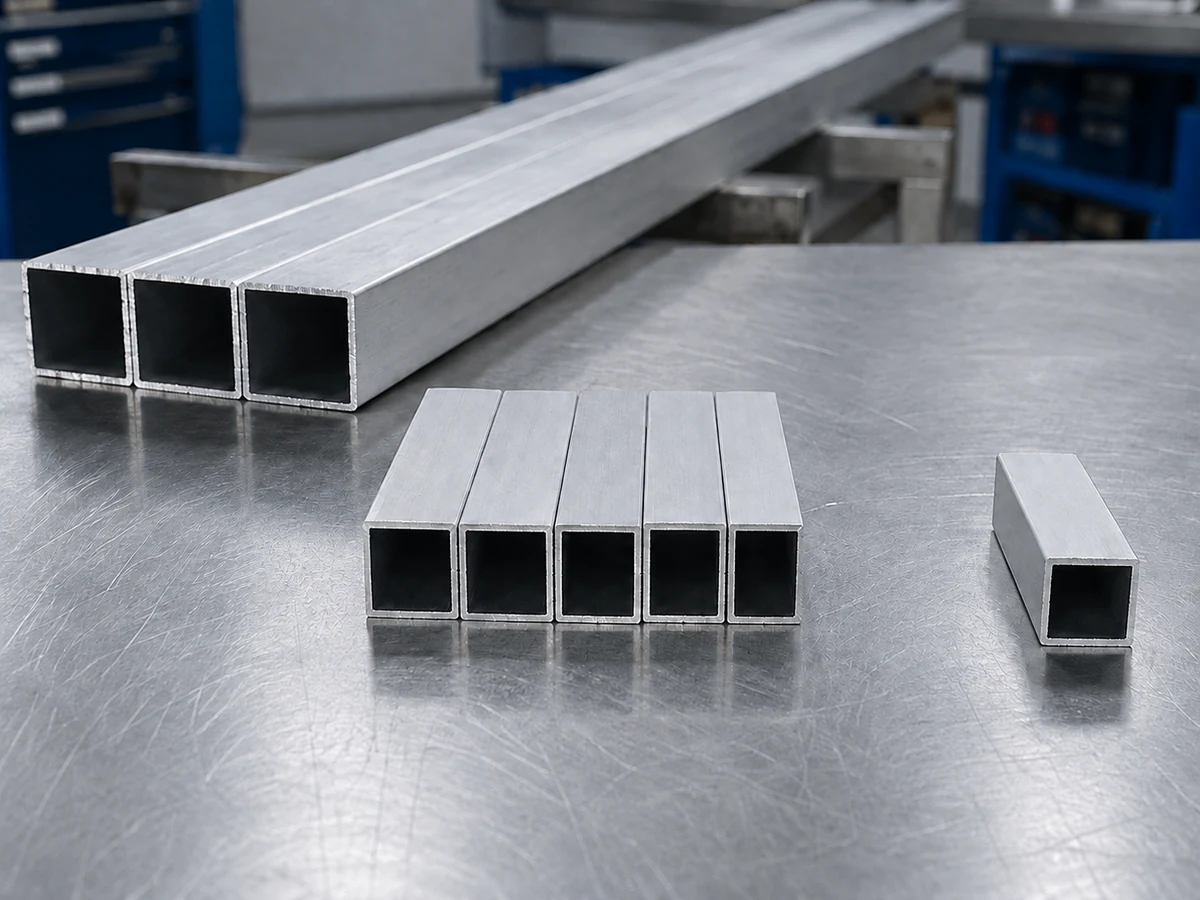
For uncut stock, first ask whether the same alloy, temper, section, and traceability can support another approved order without violating the buyer’s ownership or exclusivity terms. If it can, record the transfer and the credit or allocation method. If the buyer supplied the extrusion, document the return quantity, packaging, condition, collection point, and carrier responsibility. If the supplier bought it for this order, agree who will keep or sell it and how any recoverable value affects the proposed settlement. A generic “material cost” line cannot show these choices.
For work in process, identify the last completed operation and whether further cutting, inspection, or packing would create more value or more unrecoverable cost. Authorize any finishing work explicitly, with a quantity ceiling and an approval owner. For finished pieces, ask whether they match the current drawing and can be accepted as part of a reduced order. If the buyer no longer needs them, decide whether they will be held for a defined period, returned, sold with permission, or scrapped with a documented basis. Do not infer that all cut aluminum can be recovered at a predictable scrap price; alloy, condition, identification, and local arrangements matter.
Build a settlement worksheet that can be checked
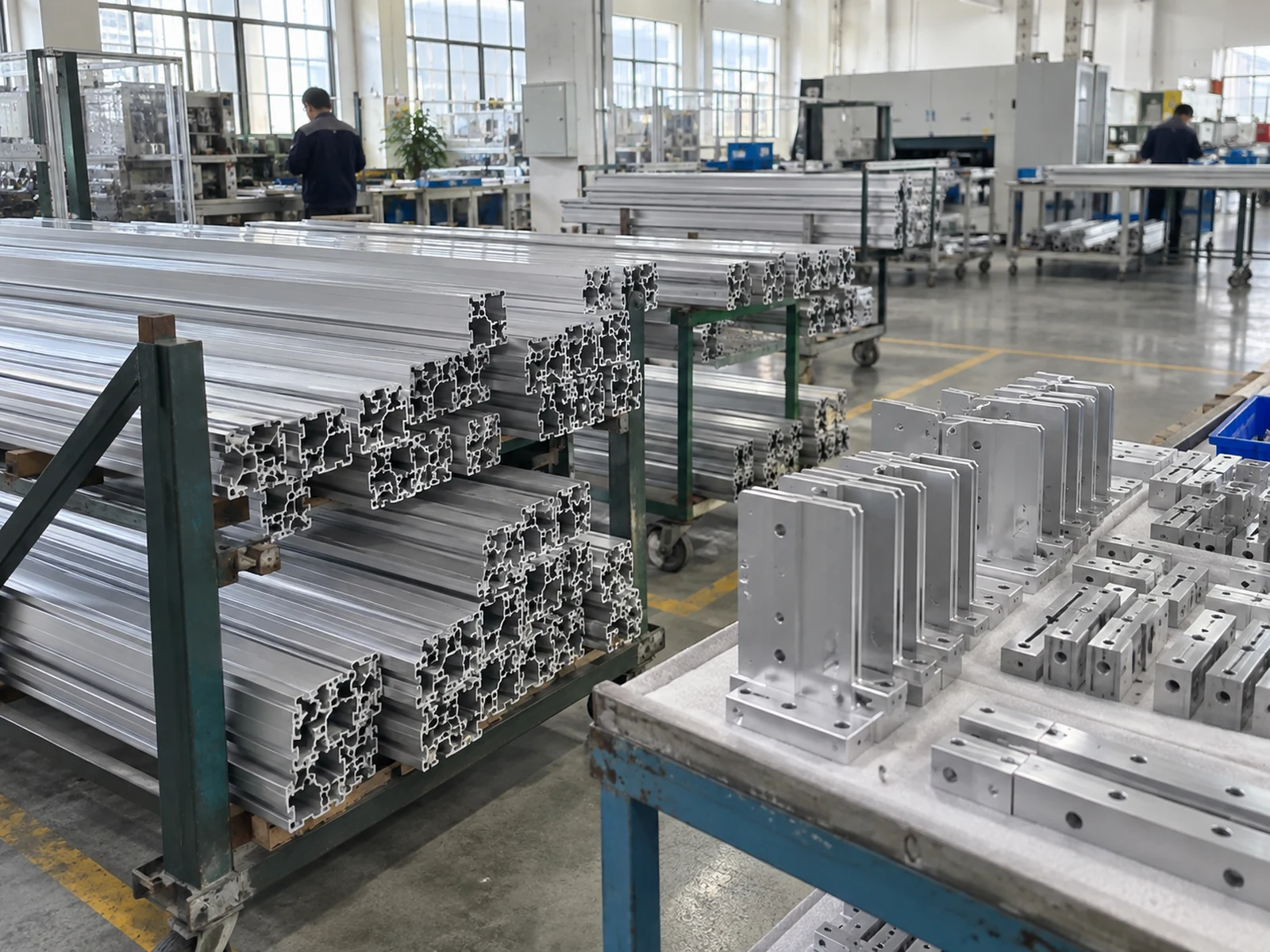
Ask the supplier for a proposal broken down by order line and physical status. Useful fields are previously invoiced and paid amounts; accepted pieces still due for delivery; stock bought for this order; documented work already performed; agreed setup, tooling, storage, return, or transport items; recoverable stock or salvage credit; taxes where applicable; and any contractually specified cancellation charge. Require references for quantities, unit prices, purchase receipts, operation records, and credits. Separate a claimed cost from an approved amount. Avoid asking the supplier to compress everything into one unexplained “cancellation fee.”
Here is an illustrative reconciliation, not a price formula. Suppose an order authorizes 800 cut pieces. At the stop point, 240 are accepted, 60 are finished but uninspected, 100 are in process, and the rest have not been cut. The parties should not simply invoice 800, or assume that only 240 matter. First verify that the groups are distinct and add to the order quantity under the agreed counting basis. Then decide which of the 60 and 100 will be completed, inspected, accepted, returned, held, or credited. Inventory acquired for the remaining balance is documented separately from cut-part quantity. Any final amount follows the contract and the agreed disposition; the example supplies no entitlement or rate.
Use the cut-part invoice reconciliation guide when comparing accepted quantity and approved extras against the final invoice. It addresses billing evidence after quantities have been decided; the cancellation worksheet must first explain what happens to each physical group. If one lot is at the buyer’s dock, the receiving guide helps distinguish arrival from acceptance.
Settle ownership, access, and records before closing the order
An outsourced aluminum cut-parts order cancellation closeout note should name the order lines, stop date, final accepted quantity, held or returned inventory, owner of each group, disposition deadline, approved charges and credits, unpaid balance, and the people who approved the result. Add a return or collection instruction with packing condition and shipping reference when physical material changes hands. Retain evidence of scrap or resale only when the parties have agreed that route. Protect drawings and customer-specific information according to the contract; a cancelled order is not permission to reuse a customer’s design or labelled stock.
US federal procurement guidance provides an example of how to separate termination inventory and settlement categories. See FAR 49.105 and FAR 49.206-2. They are cited here only as document-design analogies. They do not automatically govern a private aluminum cut-parts purchase, establish a supplier’s entitlement, or replace the parties’ agreement and applicable law.
Watch a general equipment example
This is general equipment footage from the Jiurun Machinery YouTube channel. It illustrates an aluminum cutting process only. It does not show a cancelled order or prove the material, model configuration, customer, trial cut, inventory count, acceptance, cost, delivery, or performance discussed above.
A one-page cancellation request to send the supplier
Ask: Which order lines and revisions stopped, and when was the instruction received? What operation was under way at that time? What quantities are uncut, in process, finished, inspected, accepted, or dispatched? Which stock belongs to each party, and how is it labelled? What will be returned, held, reused, sold, or scrapped, and who approves that decision? What documents support each proposed charge and credit? Who will sign the final inventory and settlement record? Put the answers beside the purchase order instead of relying on a chain of unstructured messages.
If repeated order changes are making outsourced cutting difficult to control, review the actual profile mix, accepted specifications, batch sizes, material handling, and inspection responsibilities before deciding whether an in-house saw would help. Share your drawing and cutting requirements with JiurunCut to discuss equipment options and the evidence needed for a trial. Any capability, configuration, or finished-part result must be verified for the real material and order; this general guide makes no performance promise.