
Boat boarding ladder tube cuts should be ordered from a released ladder member schedule, not inferred from a photograph of a finished ladder. A removable boarding ladder can combine aluminum frame members with separate steps, grips, brackets, pins and mounting hardware. For example, VEVOR describes an aluminum-alloy pontoon boarding ladder with wide steps and mounting hardware, while VEVOR also lists a flip-up dock/boarding variant with different hardware and handrail details. Those examples establish product variety; neither defines the blank dimensions or saw settings for your design.
This guide is for a buyer sourcing straight, cut aluminum tube members for a boat or dock boarding-ladder assembly. It does not qualify the completed ladder, its installation, corrosion performance or load rating. Release those requirements through the ladder designer and the applicable product and vessel approvals.
1. Name the ladder family and the exact cut member
Start the RFQ with the approved ladder drawing revision and a line for each rail, cross-member or other actual straight tube blank retained in the cutting scope. State whether the ladder is fixed, removable or folding, and identify left/right or upper/lower members if the drawings distinguish them. A complete ladder photograph is useful context, but it cannot establish a cut list. If a rail is bent or supplied as a formed component, do not price it as a straight sawn tube without the released upstream and downstream route.
2. Freeze section, stock condition and finish route
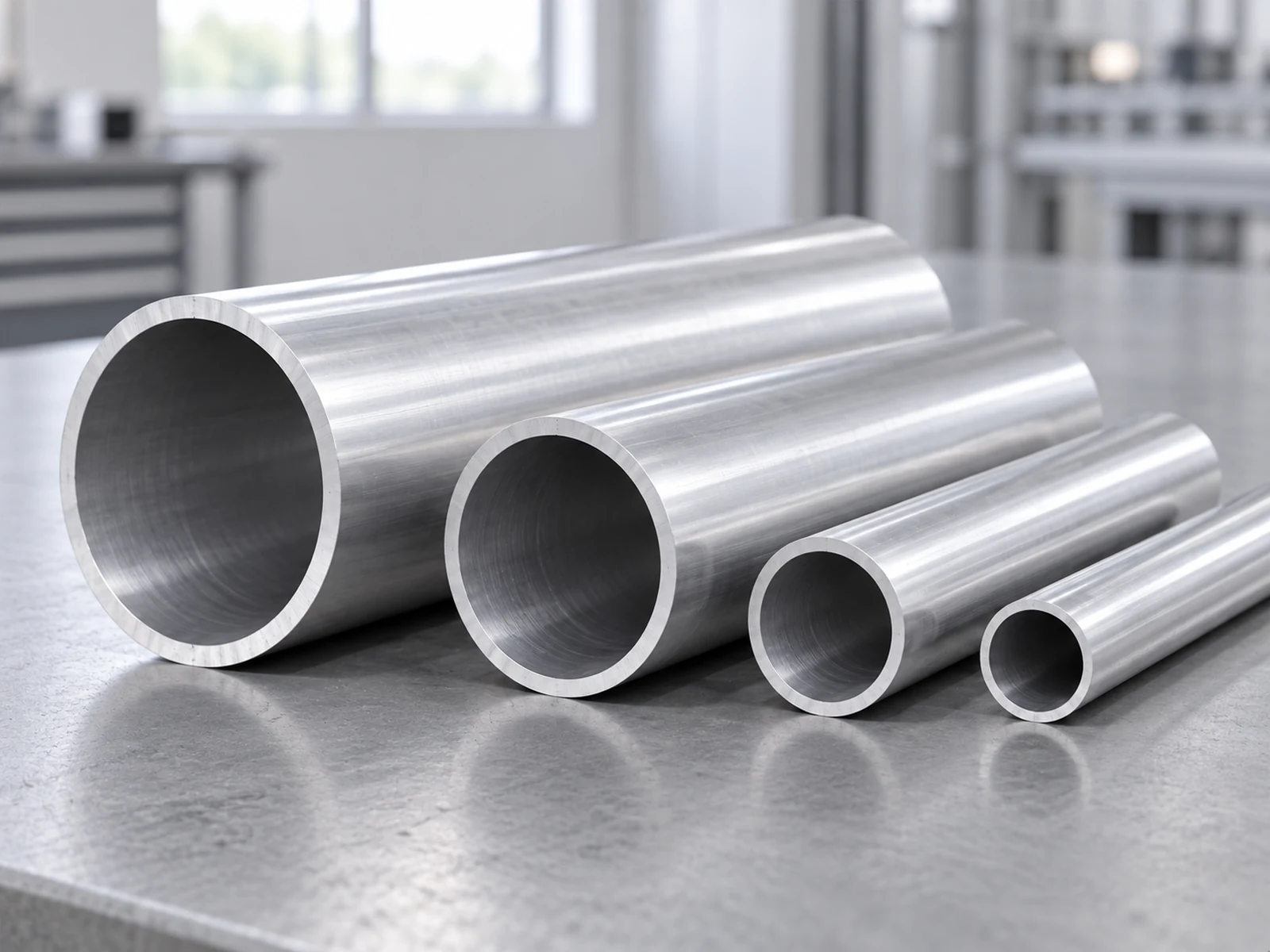
For each retained tube, provide the drawing’s outside diameter, wall, alloy and temper where specified, the approved stock or supplier reference, and the condition in which the saw receives it. A tube shown in a catalog may be anodized in the completed ladder; the cutting input may have a different finish stage. Ask who owns coating, bending, holes, joints and edge treatment after cutting. A supplier should quote the documented cut stage, not silently include or omit later operations.
3. Separate blank length from assembled geometry
“Ladder length” and “step width” are assembled-product dimensions. The saw needs the released blank length and the correct reference faces or centerlines. If an end will meet a hook, socket, hinge or step support, record whether the purchased output is a square blank, an angled end or a separately machined feature. Do not convert a finished envelope to a tube cut length by guesswork.
A useful schedule has one row per member: drawing/revision, section ID, incoming condition, quantity per ladder, blank-length datum, end form, downstream operation, inspection method and receiving identity. Keep any permissible tolerance on the approved drawing; a generic saw tolerance is not a substitute.

4. Declare which parts stay outside the saw order
List step treads, grips, fasteners, brackets, locking parts and any formed rail assemblies separately. A buyer can purchase those from the ladder-system supplier while cutting only released straight aluminum members. This prevents a cut-tube quote from being mistaken for a complete boarding-ladder supply. It also makes a missing hardware item visible at receiving rather than after assembly starts. The existing ladder-kit receiving checklist covers that later handoff.
5. Boat boarding ladder tube cuts: witness a representative saw trial
Choose actual approved stock and the longest and shortest relevant blank, plus any wall or end-form change that affects support or workholding. Witness loading, round-tube restraint, reference selection, cut-off handling and repeat pieces under the intended guard and operating procedure. Compare cut length, end angle if specified, visible damage and the condition of the open tube end against the drawing and the next operation’s needs. Record the measuring method and acceptance criteria before the trial.
Do not infer machine capacity or a “burr-free” result from a model name or a video. The general ladder saw-trial guide explains the rail-and-rung sample logic; for round sections, also plan the infeed support and rolling-control handoff.
6. Protect the cut end and preserve the family identity
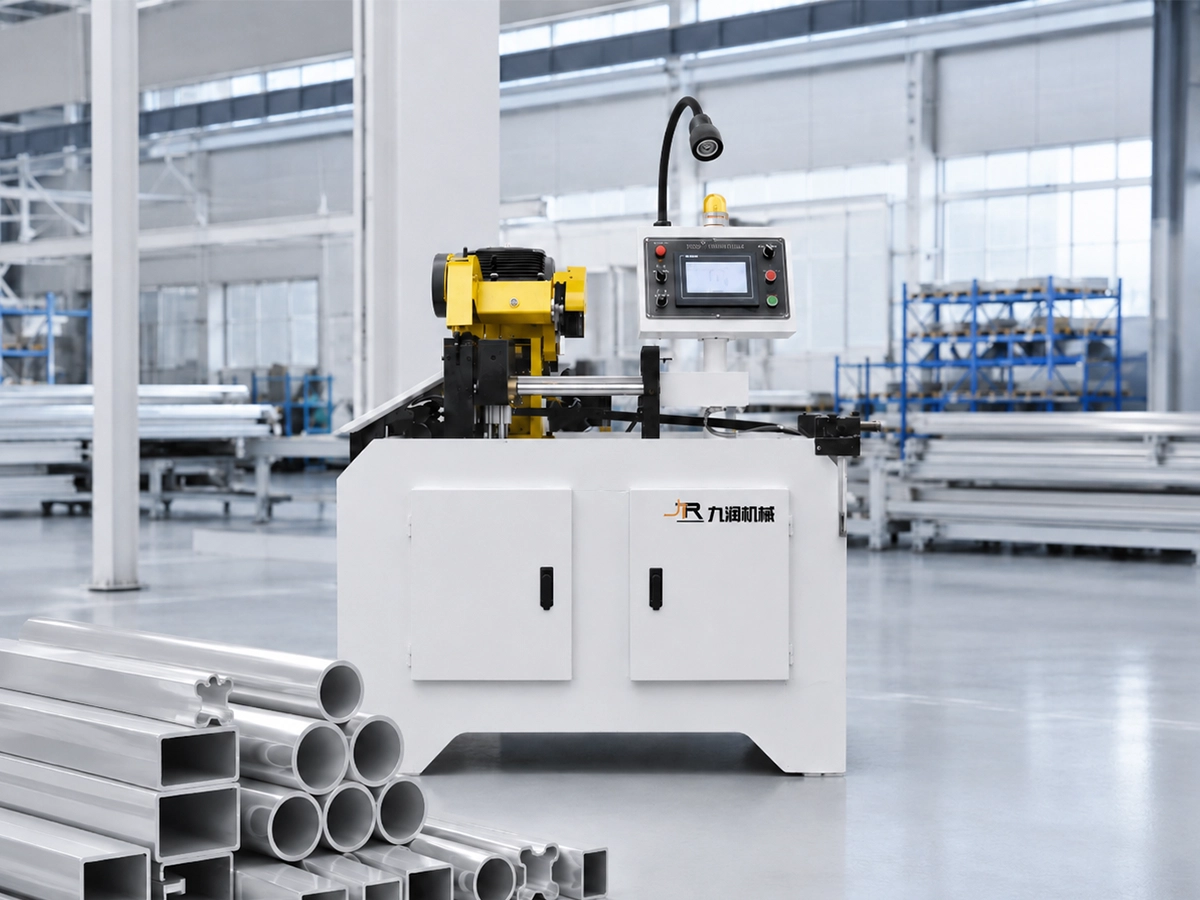
Open tube ends can carry loose chips or be damaged in handling. Define the condition expected at the next station, who removes chips or deburrs if needed, and how the supplier packs and separates lengths. If multiple ladder revisions share a nominal diameter, label by member code and revision rather than diameter alone. The round-tube packaging guide addresses cut-end protection and rolling risk at receipt.
7. Buy an accepted member kit, not just a fast cycle
Ask the supplier to reconcile cut pieces against the released ladder bill of materials for the quoted stage. The acceptance packet should identify actual input stock, machine and fixture version used in the trial, measured sample results, treatment of nonconforming pieces, and the count and identity of accepted members. Compare saw options at the same accepted-kit boundary, including setup changes, inspection, handling and outsourced finishing. A short cycle on one easy tube does not establish completed-kit output.
RFQ fields to send with the sample stock
| Field | Buyer must supply or decide | Trial evidence to request |
|---|---|---|
| Member identity | Family, drawing, revision and quantity per kit | Labeled accepted sample for each member |
| Input tube | Approved section, alloy/temper and incoming condition | Stock identification and actual supported setup |
| Cut definition | Blank datum, end form and drawing tolerance | Measured pieces with method and record |
| Handoff | Chip/edge condition, finish route and packing owner | Next-station inspection and kit count |
Related Jiurun machine footage
The following video is from the Jiurun Machinery YouTube channel. It shows a different aluminum cutting machine and general operating context. It is not a boat-ladder cutting trial, proof of the stock, cut quality, model selection or finished-product performance discussed here.
Decision before placing the order
For boat boarding ladder tube cuts, release an order only when the ladder designer has approved the tube-member schedule, the supplier has quoted the same manufacturing stage, and a representative trial has produced traceable accepted pieces. If the needed output is a formed rail or a complete certified ladder, source and verify that output at its own boundary.
Need to compare a Jiurun saw against a released tube-member kit? Send the drawing revision, actual sample stock, member schedule and downstream handoff requirements through the JiurunCut contact page. Request a witnessed sample and a written scope before choosing a configuration.
Source context
- VEVOR: removable aluminum-alloy pontoon/dock ladder product information (example of assembly and hardware scope; no inference about its tube blanks).
- VEVOR: flip-up aluminum-alloy dock/boarding ladder product information (a different assembly and hardware example, not a cut-blank specification).