
A retail kiosk has a floor footprint, visible panels, access doors, a counter or display, and often an electrical enclosure. A drawing that says only “aluminum frame” leaves three very different purchases open: cut square-tube members for a fabricator, a welded subframe, or a modular profile system delivered as a kit. For an aluminum square tube kiosk frame, settle the joining and delivery boundary before a saw supplier quotes cycle time or a cutting subcontractor prices loose lengths. The buyer’s first decision is what must arrive ready to assemble.
This guide addresses the frame-member purchase, not the engineering approval of a public-facing kiosk. The project designer remains responsible for loads, stability, anchorage, electrical and access requirements, local rules, and the finished installation. A clean saw cut cannot approve those systems.
Start with the kiosk’s released interfaces
Request the approved overall layout, footprint, finished height, access swing, panel schedule, counter or equipment mounting points, base connection, and the path for wiring or service. Identify which dimensions describe the outside of the kiosk, which describe a panel opening, and which describe individual tube members. These are not interchangeable cutting lengths. A changed cladding thickness, connector, or corner treatment can change the member schedule while the nominal footprint remains the same.
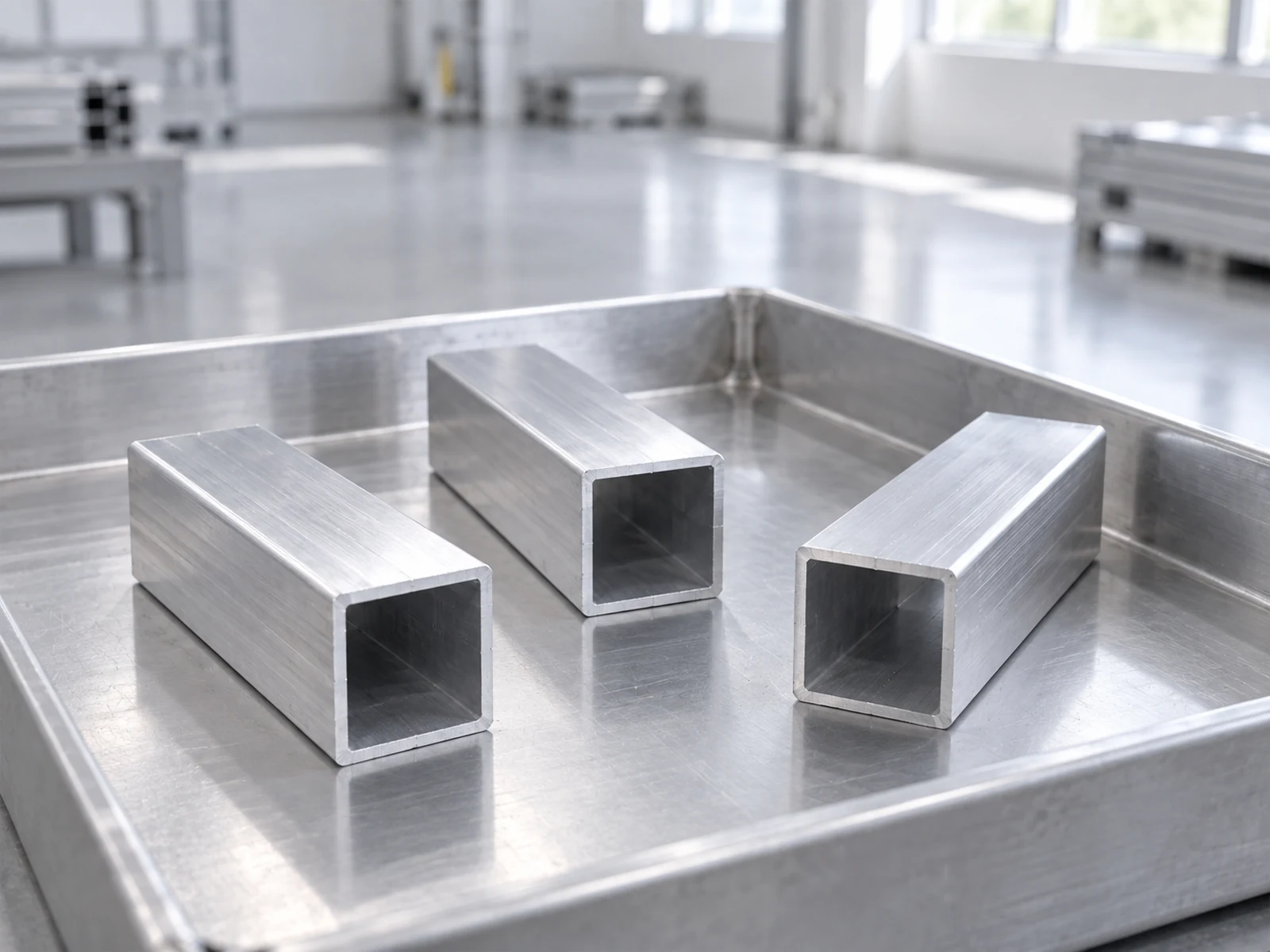
Mark every vertical post, top and bottom rail, crossmember, door or hatch support, and base member with a unique part reference. Record its profile cross-section, material and finish requirement, cut length and datum, cut angle, handedness, and any machining that occurs after sawing. Define which face will remain visible. If the project uses a proprietary modular extrusion rather than plain square tube, obtain that system’s released profile and connector references; an attractive generic tube is not a substitute.
Hydro describes square aluminum tubing as a cuttable, machinable framing material and separately describes T-slot profiles as a modular framing route with slots for fasteners and panels. Those are different joining architectures. The Aluminum Association explains that cutting is commonly an early fabrication step before operations such as machining or welding. Use those distinctions to write the scope; do not assume that buying cut stock includes the downstream work.
Aluminum square tube kiosk frame: compare three routes
- Loose cut square-tube kit. Specify the released member list, end geometry, labels, finish condition, packing and count. The fabricator separately accepts joint preparation and frame assembly.
- Welded or otherwise joined subframe. Specify cutting, joint design, fixture, joining, finish restoration and inspection scope. The responsible designer separately accepts the completed structure and site interfaces.
- Modular profile kit. Specify the exact system profile, connectors, panels, machining, kit labels and assembly instructions. The installer separately verifies the assembled system and its site connection.
The least expensive quoted length may create the most site work if joint preparation, finish, panel fit and installation are omitted. Compare offers at the same delivery boundary. A loose cut kit can suit a fabricator who owns welding and finishing; a joined subframe can reduce site joining but changes transport dimensions; a modular kit can make later reconfiguration possible only within its approved component system. These are purchasing trade-offs, not performance guarantees for a particular design.
Quote the cut kit only after the joint is defined
For square tube, the drawing must state whether a joint is a butt, miter, overlap, bracketed connection, or another approved detail. The difference changes cut length, angle, access for welding or fasteners, and the reference surface for inspection. Ask who supplies any internal sleeve, corner plate, bracket, fastener or cap. If a hole or slot is required, identify whether it belongs in the saw supplier’s scope, a later machining scope, or the frame fabricator’s scope.
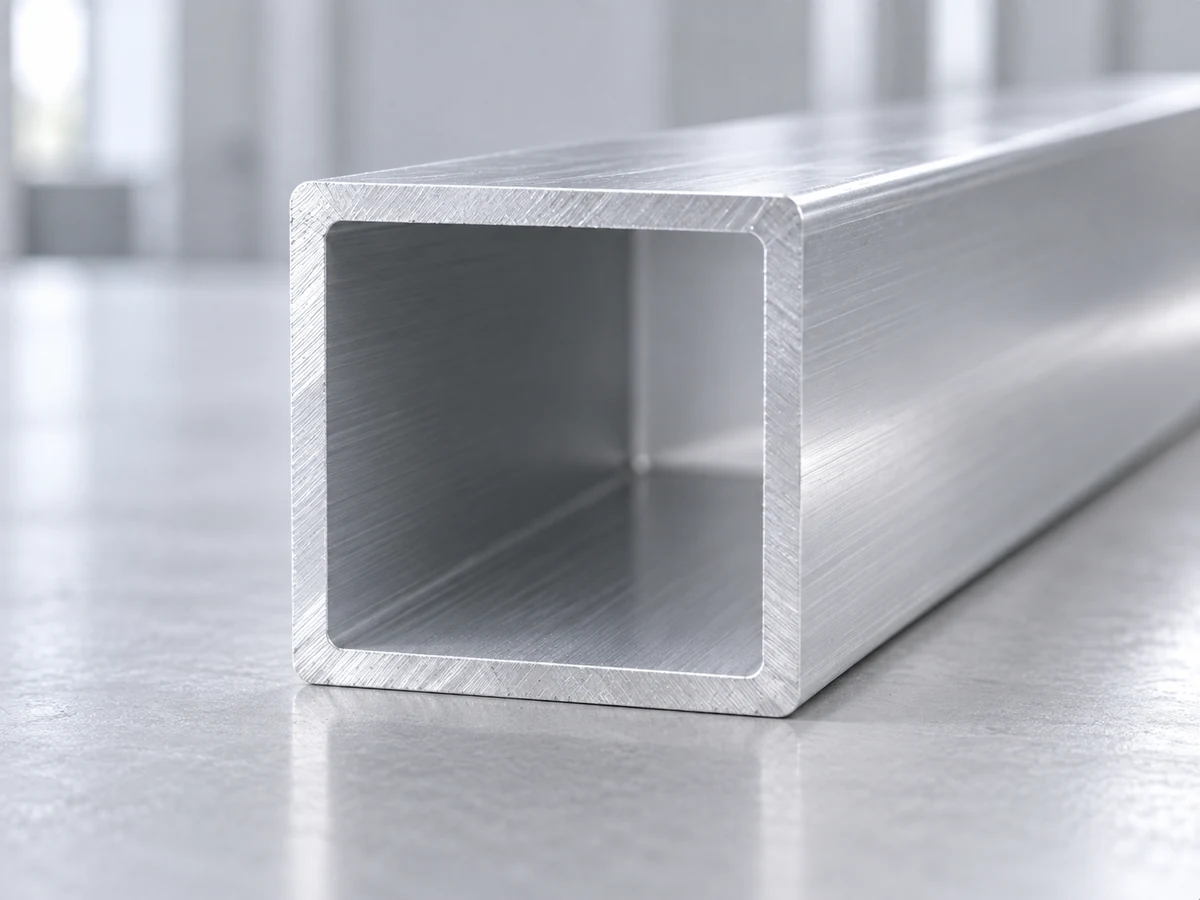
Define the acceptable cut-end condition from the subsequent operation. A weld-preparation shop may ask for one edge treatment while a visible removable joint may need another. State the inspection method and agreed drawing limits instead of borrowing a machine’s feed-positioning specification as a finished-part tolerance. A first-off piece should be checked against the released datum and a representative joint before the rest of the batch is committed.
Compare saw acceptance with frame acceptance
If the buyer is choosing an aluminum saw for recurring kiosk-member production, provide representative stock of every profile family and the actual drawing revisions. Include a long member, a short member, and the most demanding end geometry. During a witnessed trial, record the source stock, support and clamping arrangement, blade and setup, the measured cut-piece identity, and what the downstream fabricator says about the first joint. Do not infer output rate or part precision from a promotional video. The accepted trial covers only the stated workpieces and checks.
Frame acceptance comes later. The fabricator or installer must verify the assembled footprint, squareness or other specified geometry, panel openings, door and service clearances, fastening or weld quality, finish and site connection under the approved plan. A cut piece can pass its drawing while the assembled kiosk fails at a connector or cladding interface. Give each stage an owner and a documented hold point.
For related scope choices, compare our retail display frame saw brief, thin-wall cut-end approval guide, and visible-face protection guide. A kiosk adds a site-built footprint, access and installation boundary to those narrower questions.
Protect the delivered member set
Put the part ID and revision on each bundle and its packing list. Keep visibly finished faces from abrasive contact, identify left/right or mirrored members, and avoid mixing lengths that look similar when bundled. The receiving team should count by part reference, inspect packaging and visible faces, reconcile substitutions with the approved revision, and quarantine an uncertain or damaged member before assembly. Packing evidence supports a claim or replacement decision; it does not certify that the frame will fit.
A copyable RFQ for the buyer
- Identify the kiosk project, drawing revision, quantity and delivery location.
- Choose one priced route: loose cut members, joined subframe, or an identified modular profile system. Request alternates as separate lines.
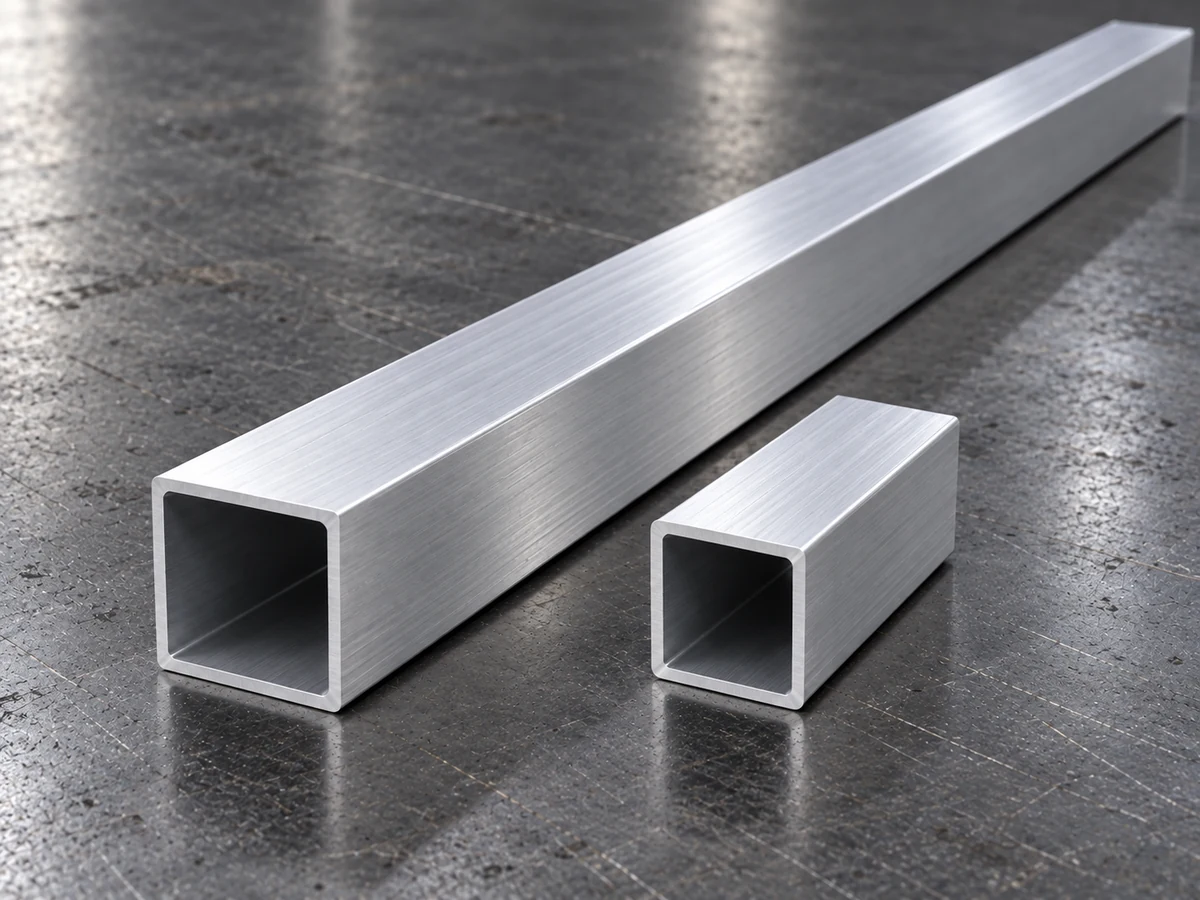
- Attach a part schedule with profile, material, finish, datum, length, angle, handedness, later machining and visible-face notes.
- Name the supplier for connectors, panels, doors, caps and anchors, and who approves each interface.
- Ask for a representative first-off cut and joint or panel-fit check, with written acceptance criteria.
- Specify packing by member ID, inspection evidence, replacement process and the stage at which ownership transfers.
For a saw recommendation, send JiurunCut the released square-tube drawings, representative stock, member lengths, angles, batch mix and desired trial checks. We can discuss a cutting-machine scope against those inputs. The project designer and fabricator must approve the kiosk structure and installation.
General equipment video
The video below is general footage from the Jiurun Machinery YouTube channel of aluminum-cutting equipment. It does not show the kiosk, these square-tube samples, an approved frame configuration, a customer order, a trial on this material, or a performance result. Use it only as a process illustration.
Sources and decision boundary
Hydro, Aluminum Square Tubing; Hydro, T Slot Aluminum Extrusion; and The Aluminum Association, Processing 101. These sources describe material forms and fabrication routes. They do not specify this kiosk’s loads, code obligations, member tolerances, joining procedure or site approval.