
Aluminum saw cut-part hold is a buying question as much as a quality procedure. A saw may deliver the planned cut rate, yet one doubtful length, damaged face, or uncertain batch identity can enter a good-parts bin before anyone decides what to do with it. Ask the supplier to show where a suspect cut piece stops, how the affected quantity is bounded, and who authorizes its next move. That decision should be visible in the proposed handling route, operator instructions, and acceptance trial.
This guide covers the interval from a suspected problem to an authorized release, rework route, or scrap decision. It is a practical RFQ and factory acceptance checklist, not a statement that a particular Jiurun model includes a specific sorting, marking, or traceability feature. The final method depends on your drawing, lot definition, inspection plan, staffing, and agreed machine configuration.
Aluminum saw cut-part hold: why buyers need a clear stop point
The saw is only one step in the route from extrusion stock to packed part. A cut piece can be moved by a conveyor, dropped into a tote, carried to a bench, deburred, stacked, or packed. At each transfer, physical appearance alone may fail to reveal whether the part is accepted, awaiting inspection, or rejected. That is why a buyer should specify both the technical cut requirement and the status decision at the handoff.
A useful hold point has three parts: a clear trigger, a physically identifiable location or container, and a named decision owner. For example, a length measurement outside the drawing limit may trigger a hold. So might an unreadable lot label, a questionable cut face, or a fixture event that makes several pieces suspect. The hold should cover the affected pieces according to a pre-agreed boundary, rather than whichever pieces happen to be nearest the inspector.
For the measurement method itself, see our aluminum saw acceptance measurement guide. The present checklist starts after a result or event raises a doubt. It asks whether the production route can keep that doubt from becoming an unintended shipment.
Define the decision boundary before choosing equipment
On the RFQ, describe a representative cut part and the point at which it leaves the saw. Record the drawing revision, material or extrusion identity, planned cut length and angle, surface or burr requirements, and the downstream operation. Then agree on four operational questions:
- What triggers a hold? Identify measurable failures and events that require review, such as an out-of-limit dimension, uncertain datum, missing identity, damaged visible face, or an interrupted setup.
- Which pieces are included? Define whether the boundary is one piece, one stack, a time interval, or the output since the last accepted check. The answer must follow your inspection frequency and actual material path.
- Who decides? Name the operator who may stop and identify material, the quality or engineering authority who evaluates it, and the person who records final disposition. Avoid treating a machine alarm reset as a product-release decision.
- Where can it go next? Map distinct routes for pending review, accepted after check, approved rework, concession where the customer permits it, and scrap. Each route needs its own authorization and record.
A supplier’s capacity claim cannot answer these questions by itself. Ask for a route diagram or trial observation showing the actual outfeed, tote, rack, inspection bench, and packing handoff in the configuration being quoted. If a proposed automated line has no status-controlled exit for suspect parts, the buyer may need a separate handling step, an interlock, or a revised operating procedure. Do not assume any of these are standard features.
Make the suspect container unmistakable
A hold location can be a dedicated tote, rack position, marked bay, or controlled work-in-progress area. Its purpose is to keep uncertain pieces identifiable while a decision is pending. A label should connect the physical material to the job or lot, drawing revision, affected quantity, reason for hold, date or shift, and responsible reviewer. The exact format can be paper, barcode, or another controlled system; the buyer should test that the identifier survives normal movement and remains legible to the next operator.

Test the boundary with an ordinary shift scenario. An inspector finds a suspect cut at the bench. Can the team identify every piece made since the last accepted check? Is the quantity in the tote reconciled with the production count? Can an operator reach the packing area with this material before the status changes? Those observations reveal whether the proposed flow is practical, even if the machine itself cuts correctly.
Keep offcuts, setup samples, accepted production parts, and suspect parts distinguishable. A shared bin may be convenient, but it makes later reconciliation difficult when lengths and profiles look similar. If physical separation is impractical for a large part, agree on a controlled marked position and movement rule before the line is commissioned.
Choose disposition using evidence, not the available space
Once a batch is held, the reviewer needs the original requirement, actual measurement or observed defect, affected quantity, and traceable identity. A repeat check may confirm that the first measurement used the correct datum and equipment. Rechecking is a fact-finding step; it is not permission to silently return parts to accepted stock. Record both the initial result and the later result, with the method and authority used to decide.
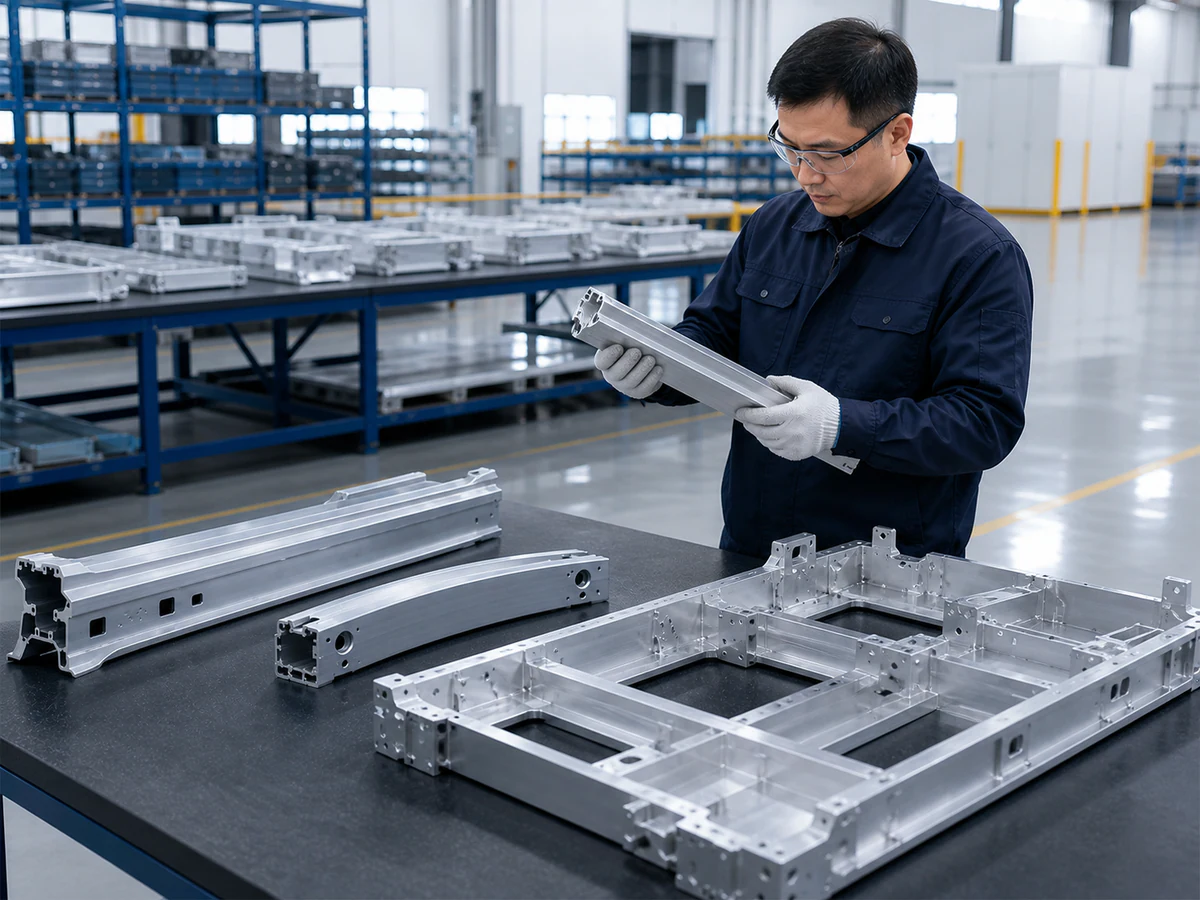
Possible outcomes include release after evidence confirms conformance, controlled rework followed by verification, another approved use or concession where allowed by the customer, and scrap. The chosen route depends on the drawing and contract. For a cut-length problem, a re-cut may be possible only if remaining stock and final geometry permit it. For a damaged visible face, a dimensional check alone does not resolve the appearance requirement. For lost batch identity, a good-looking surface does not establish material traceability. The reviewer should make the decision against the requirement that failed, not against the easiest route through the shop.
The ASQ quality technician body of knowledge identifies nonconforming-material identification, segregation, material review, and disposition as separate quality activities. Use that as context for the buyer’s questions; it does not certify a particular saw or prescribe one universal shop-floor arrangement.
Verify the released route separately
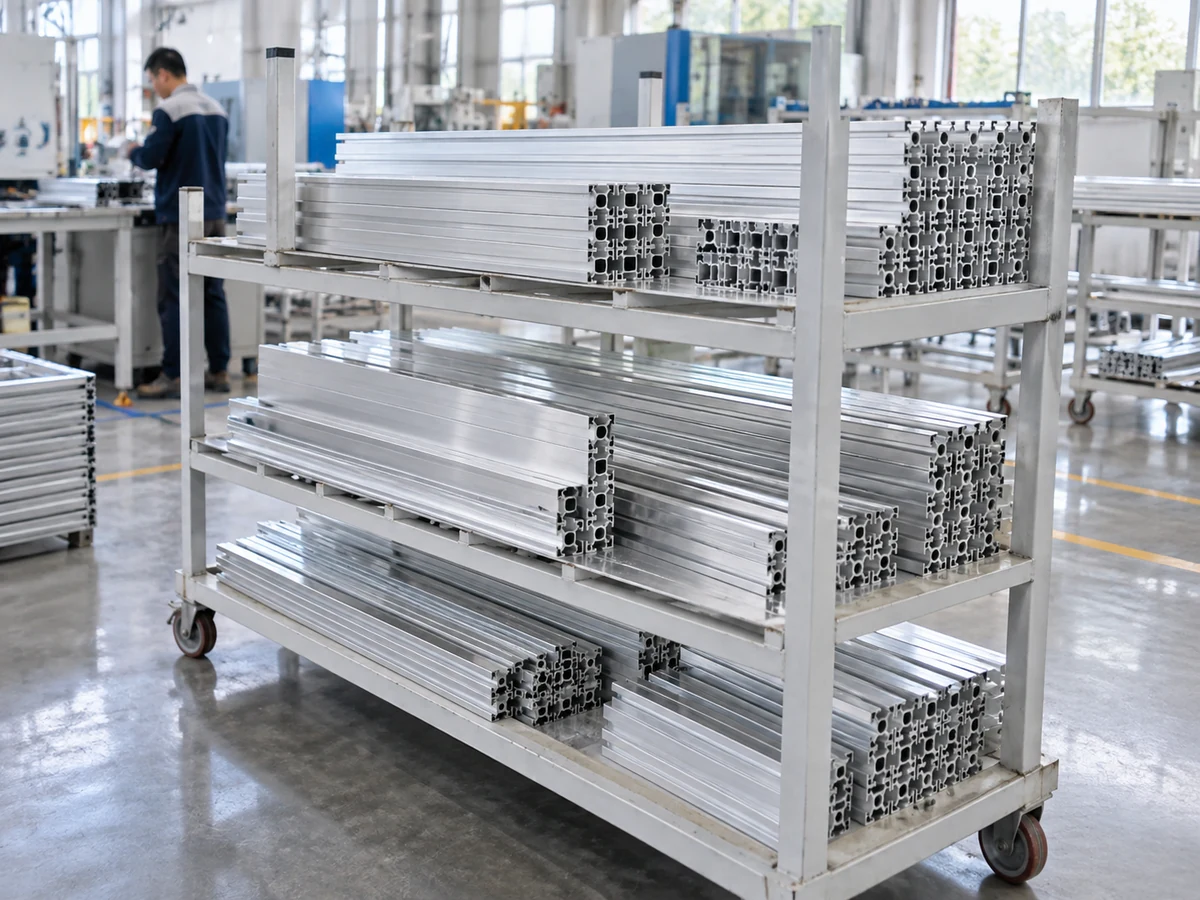
A released piece needs a positive status change: an authorized record, a matched quantity, and a physical move to the accepted path. In a manual cell, the reviewer may sign a traveler and transfer a labeled tote. In a connected line, a system may record the decision and permit a controlled routing change. Ask the supplier to demonstrate whichever method is actually quoted. In either case, the packing operator should be able to tell why the batch is cleared without relying on a verbal memory of the previous shift.
For sections where restraint changes the reading, align the disposition check with the defined inspection state. Our cut-part inspection-state guide explains why a free piece and an assembled or clamped piece can require different measurement conditions. Do not turn an inspection-state disagreement into an unrecorded release.
Run a short acceptance exercise before sign-off
During a supplier demonstration or factory acceptance trial, use a clearly marked simulated suspect piece. This exercise should be distinguished from a real nonconforming production lot. Ask the operator to stop its normal route, identify the affected quantity, place it in the agreed hold location, and show who can change the status. Observe the physical handoff, label or system record, and packing boundary. Then ask how a second shift would recover the same decision trail.
Make the trial pass criteria concrete: the suspect quantity is accounted for; no pending piece reaches the accepted or packing route; the reason and responsible authority are recorded; and the disposition step requires an explicit decision. If the demonstration exposes a gap, revise the quoted handling scope, inspection plan, or operating procedure. Do not substitute a video of a cutting cycle for this trial.
Questions to include in the RFQ
- Where does a doubtful part physically leave the accepted flow in the proposed machine and outfeed layout?
- How will operators identify the affected quantity after a failed check, interrupted setup, or missing batch identity?
- Which status labels, tote positions, sensors, software records, or interlocks are included in the quote, and which are buyer procedures?
- Who may move material from hold to rework, scrap, or accepted stock, and what evidence is retained?
- How will the packing station verify a released quantity against the production and inspection record?
- What will the supplier actually demonstrate at acceptance, and what remains to be validated in the buyer’s own process?
Procurement decision: choose a saw and handling route only after the status-controlled path is clear. Send Jiurun the part drawing, material and batch definition, target route, inspection points, and proposed hold boundary. We can discuss a configuration and trial plan against those inputs; the final release rules and customer approvals remain part of your agreed quality system. Contact Jiurun to review your application.