
A trip in the middle of a representative cut is a useful timestamp, but it is not proof that the saw needs a larger blade motor. An aluminum saw motor overload can be reported by different protective devices, each with its own fault logic. The machine may have been asked to cut outside the agreed stock envelope, the blade or feed may be wrong for the part, the supply may be abnormal, or the protection settings may not match the delivered motor. Preserve the event before anyone changes the setup.
This guide helps a buyer ask for a traceable fault review and a meaningful repeat trial. It does not identify the cause of a trip on an unseen machine or prescribe a current setting, blade, feed rate, repair or reset procedure. The supplied machine and protection manuals, motor nameplate, wiring diagram and qualified service team control those decisions.
Aluminum saw motor overload: capture the fault before it disappears
Record the exact alarm text or code, the device that displayed it, the time, the program or operating mode, and whether the blade was starting, cutting or already clear of the workpiece. Ask the technician to retain the relevant drive or relay event history if that equipment provides one. A generic note saying “motor tripped” loses the distinction between a thermal overload, a drive fault, a supply problem and a machine interlock. Do not repeatedly clear a trip to finish the batch; the responsible technician should follow the supplied isolation, cooling and restart instructions.
Keep the physical job with the fault record: profile drawing and alloy, section and wall thickness, number of pieces in the clamp, stock orientation, blade identification and condition, fixture, commanded cycle and actual cut length. If the event happened only after several cuts, retain the count and the run time. If it happened on the first start, capture that instead. These are comparison inputs, not a diagnosis by themselves.
Use the point in the cycle to narrow the question
Before the blade touches the profile
Ask whether the reported event occurred at motor start, at acceleration, or after the blade reached speed. That separates the starting condition from the cutting load. A long start or stall can produce an overload event on a protection device that monitors it; Schneider Electric lists starting overload and stall among the conditions handled by its TeSys Giga relay. That is an example of device behavior, not a claim about the relay in this saw. Identify the installed protective device and use its own manual before interpreting the code.
At entry or while the teeth are engaged
Mark where the blade entered the section and whether the trip was repeatable at the same point. Compare the approved blade, tooth condition, section support and clamp contact with the trial setup. Look for a jammed offcut or a change in feed behavior, but do not assume the saw teeth caused every electrical alarm. Schneider’s explanation of its relay includes a jam or other abnormal motor-current increase during operation as one possible overload path. A qualified technician must distinguish that from supply and protection faults on the actual machine.
After the cut or across repeated cycles
A fault after blade exit should be tied to the full sequence: return stroke, braking, restart interval and any auxiliary motion. A fault after sustained production may need the duty pattern and cooling conditions documented as well as the individual cut. Keep actual machine observations rather than writing “overheating” from a warm enclosure or a photograph. The technician should compare the installed motor, protection and operating data with the supplied specifications.
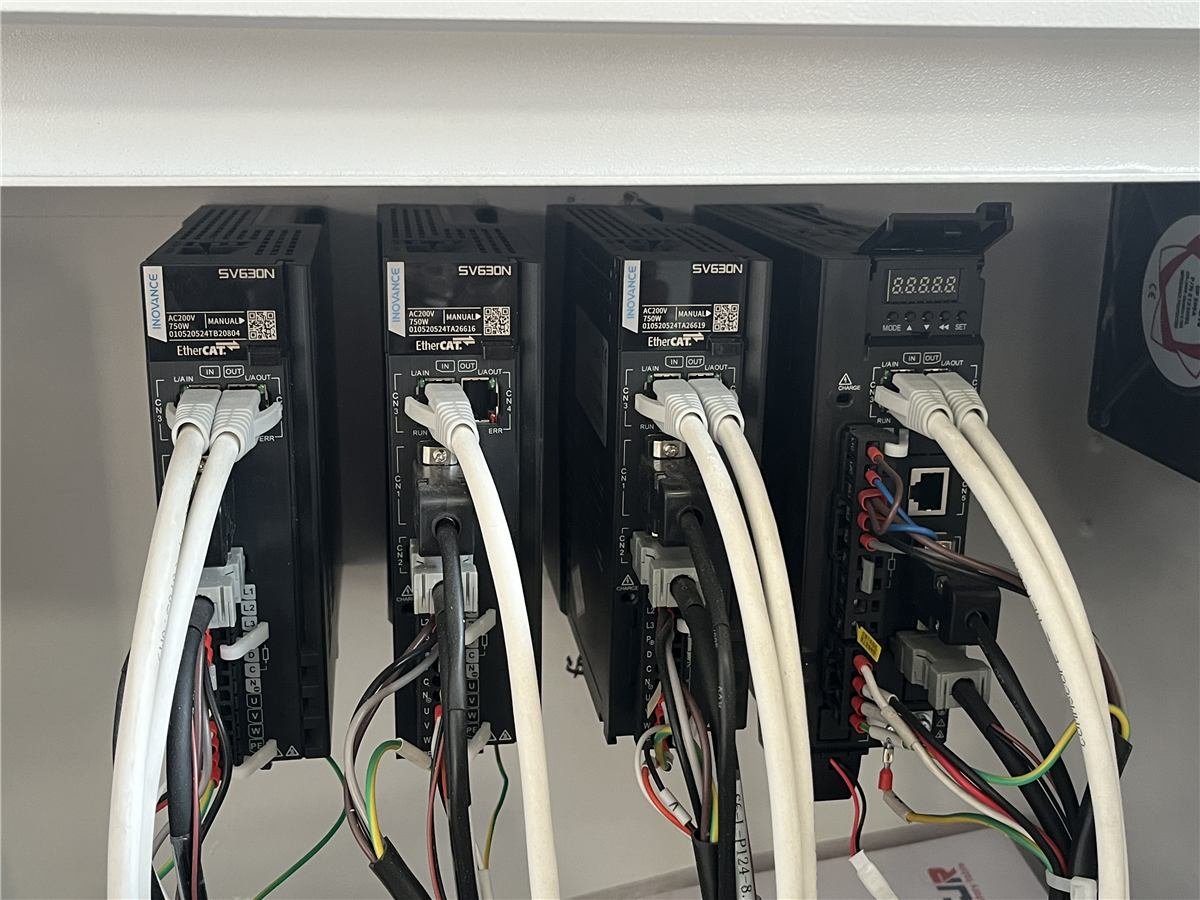
Separate three different questions before changing a motor
| Question | Evidence to request | Decision it supports |
|---|---|---|
| Was the mechanical job within scope? | Released profile, blade, fixture, feed program and the point of failure | Whether the trial represents the quoted work |
| Was the electrical supply and motor circuit as specified? | Delivered motor nameplate, wiring and qualified measurements under the approved test plan | Whether a supply or installation fault must be resolved first |
| Did protection operate as intended? | Exact device and fault code, settings record, event history and applicable manual | Whether the trip reflects load, configuration or another protected condition |
The installed relay or drive determines which states can be distinguished. Schneider Electric’s TeSys Giga example has separate thermal overload, phase-loss, phase-imbalance and ground-fault protection functions. Its details and thresholds must not be copied to a different product. Ask for the actual component identity and the record of settings approved for the motor. If a phase-loss or imbalance indication appears, a qualified electrical specialist should examine it under the machine’s safe service procedure; a blade change is not the first evidence-based conclusion.
Likewise, a current reading without its phase, time, loading state, instrument and motor nameplate context cannot establish that the motor is undersized. The site should not increase a relay limit or disable a protection function to make a test pass. The motor and protective device must be reviewed as a matched installation by the responsible supplier or qualified engineer.
Design a repeat trial that answers the buying question
Agree on the production profile and worst legitimate section before the repeat trial. Record the same alloy and condition, stock support, blade identity, clamping arrangement, cut length, piece count, feed program and cycle pace that caused the first trip. If the supplier changes a blade, fixture or program, log that change and explain why the two runs are comparable or not. An unloaded spin test may establish that one symptom has gone away; it cannot approve the quoted cutting duty.
An aluminum saw motor overload review should include the fault-free run window, the observable motor and protection data the installed system can legitimately provide, cut-part inspection results, and who signs off each. Do not invent a universal current, temperature or duration target. Use the motor, drive, relay and machine documentation for limits, and let the supplier state which readings it can warrant. If the test cannot reproduce the original job safely, record that gap rather than calling the fault closed.
What the machine video adds
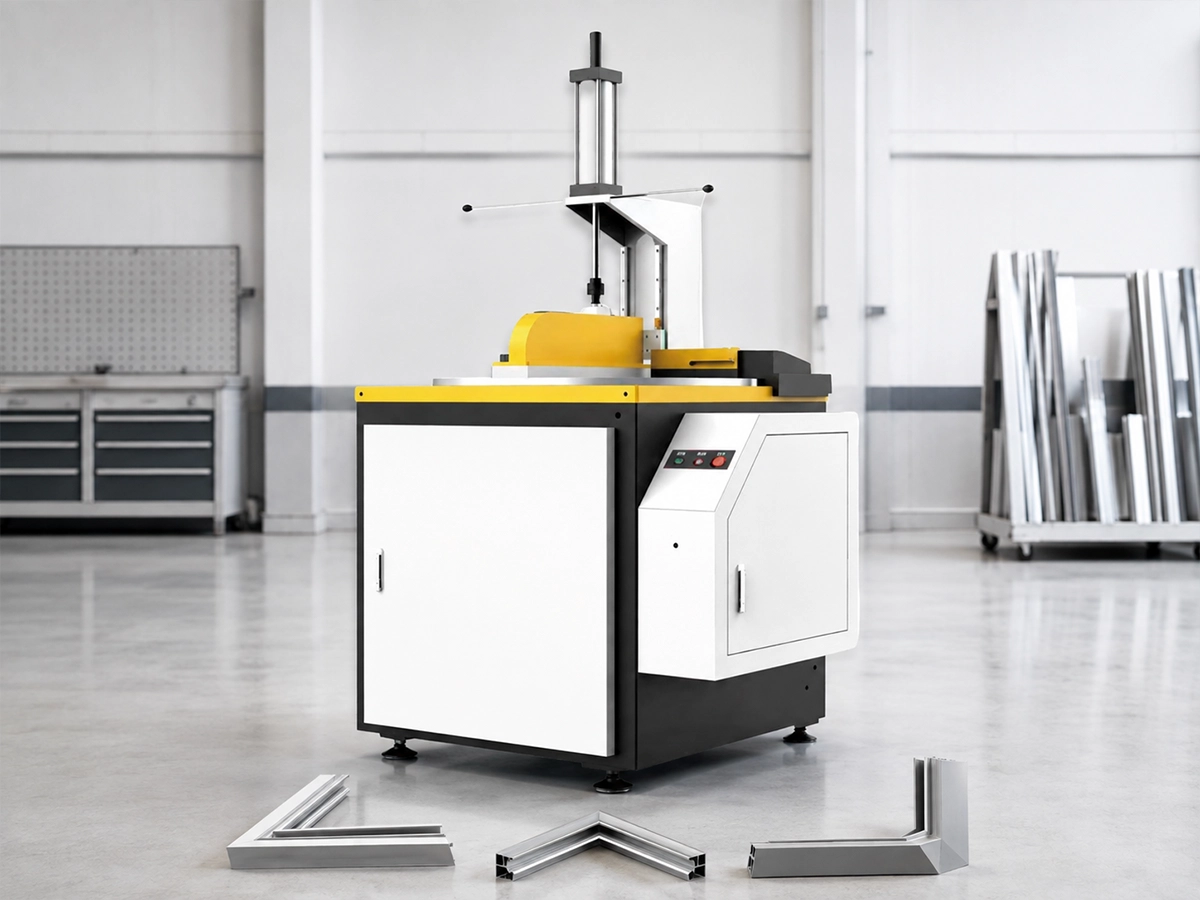
The short clip below comes from Jiurun’s own channel. It shows a JR-455Y semi-automatic saw and an operator handling a tube during a cutting demonstration. That makes the sequence of stock handling and cutting easier to discuss with a supplier. The clip does not display a motor fault, load current, protection setting, thermal state or proof that the example machine will pass your job.
Ask for a fault package, not just a larger nameplate
For a quotation or service follow-up, send the machine serial number or proposed configuration, motor and protective-device identifiers, original fault record, representative profile and cycle, and any approved changes made during diagnosis. Ask the supplier to return a written cause assessment, a list of remaining uncertainties, the corrective action, and the repeat-trial criteria. If a larger motor is proposed, the reply should explain what evidence shows a genuine duty mismatch and what else changes in the drive, protection, wiring, mechanics and quoted machine.
A spindle-bearing service review addresses a different possible mechanical service path; a voltage-dip review addresses a different supply path. Neither article diagnoses this event without the machine’s evidence. For motor-protection behavior, consult Schneider Electric’s relay explanation and the installed component’s own manual. Contact JiurunCut with the fault package and profile drawing so the appropriate machine configuration and witnessed test can be discussed.