
Aluminum saw drawing revision trial decisions matter when a buyer has already received a machine proposal or watched sample cuts, but the part drawing changes before the order is placed. The original evidence may still answer some questions. It may also miss the one feature that now governs feeding, clamping, cut quality or assembly fit. Treat the new revision as a controlled purchasing change: identify what changed, decide which earlier findings remain valid, and ask for a focused retest before accepting a revised quote. This guide is a buyer’s decision framework, not a claim that every drawing change requires a new machine or a full factory trial.
Freeze the evidence attached to the old revision
Begin with the exact drawing, cut list, material description and sample labels used for the first quote. Record the machine model and proposed options, blade and fixture arrangement, profile orientation, programmed or stop length, inspection method and the date of the demonstration. Keep the original sample and measurement sheet linked to that revision. Without this baseline, the team cannot tell whether the old result applies to the new part or whether the supplier has quietly compared different requirements.
The buyer should send one released revision package to every bidder. A changed CAD file without a revision identifier, approval state or change summary invites incompatible assumptions. If the drawing and cut list are controlled separately, reconcile them before asking for new cycle-time or tolerance claims. The cut-list revision control guide covers the production-document side; this article addresses how a change affects the machine-buying evidence and quote.
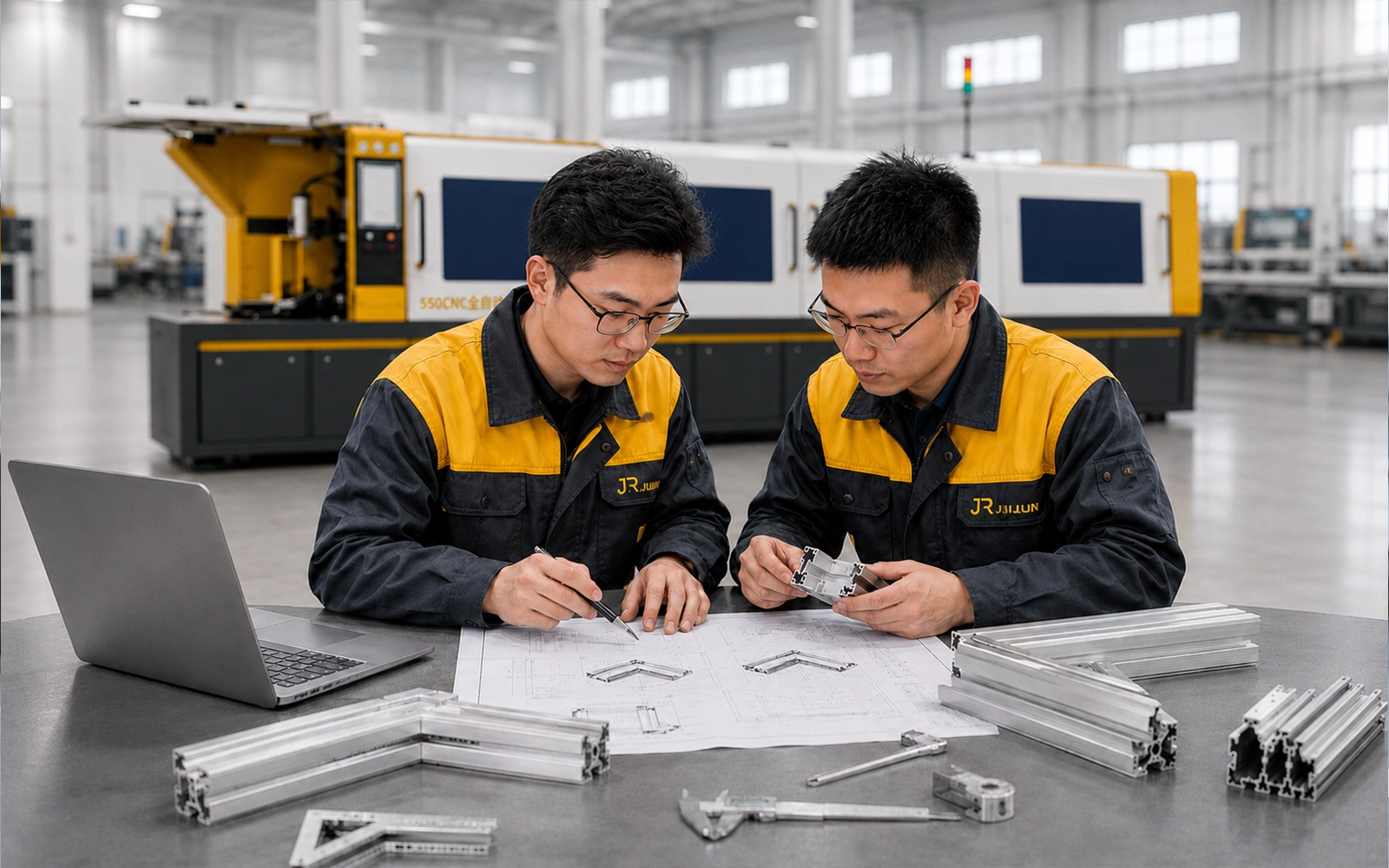
Classify each change by the saw decision it could alter
Make a small change-impact table with one line per revised feature. Include the old and new callout, drawing locations, affected stock family, downstream use and the person who approved the change. Then ask what the feature could change in the cutting process. A longer blank can challenge usable feed travel or outfeed support. A different section or wall thickness can change contact points and blade choice. A tighter finished-length requirement can make measurement method and thermal or fixturing conditions more important. A revised miter, cut-end appearance or burr limit can change acceptance even when the nominal section fits the machine.
Separate changes that affect cutting from those that do not. A note to an unrelated downstream operation may need a drawing-record update without a saw retest. A revised hole location on a part drilled after cutting may leave the saw trial unchanged if the cut blank and datum truly remain the same. That conclusion should be written down with its basis, not assumed from the word “minor.” Equally, a small-looking corner or datum change can invalidate a sample used to prove assembly fit.
Do not import a tolerance or capacity number from a different Jiurun model or another supplier. The question is whether the proposed configuration and the buyer’s revised drawing still align. A feed-position specification alone cannot prove the finished cut part meets the new drawing. The supplier must state which model, options, blade, fixture and measured sample support any capability statement.
Plan an aluminum saw drawing revision trial around the changed feature
Use three evidence states. Carry forward a result only when the change has no credible effect on the tested feature, stock path, setup or measurement method; name the person who made that judgment. Targeted retest the changed feature and any connected features whose conditions can shift with it. Reopen the whole selection when the revised section, length range, orientation, cut angle or output route falls outside the assumptions that made the original machine choice viable. This is a decision rule for an RFQ, not a universal acceptance standard.
For a targeted retest, specify the revised part and drawing revision, representative stock, blade and fixture, feed orientation, test sequence, sample count agreed with the supplier, inspection instrument and acceptance sheet. Preserve both the old and new samples if they answer different questions. If an earlier sample was made from substitute stock, do not quietly treat it as proof for the changed production material. The sample-shipment guide explains how to preserve the identity and condition of a trial piece after cutting.
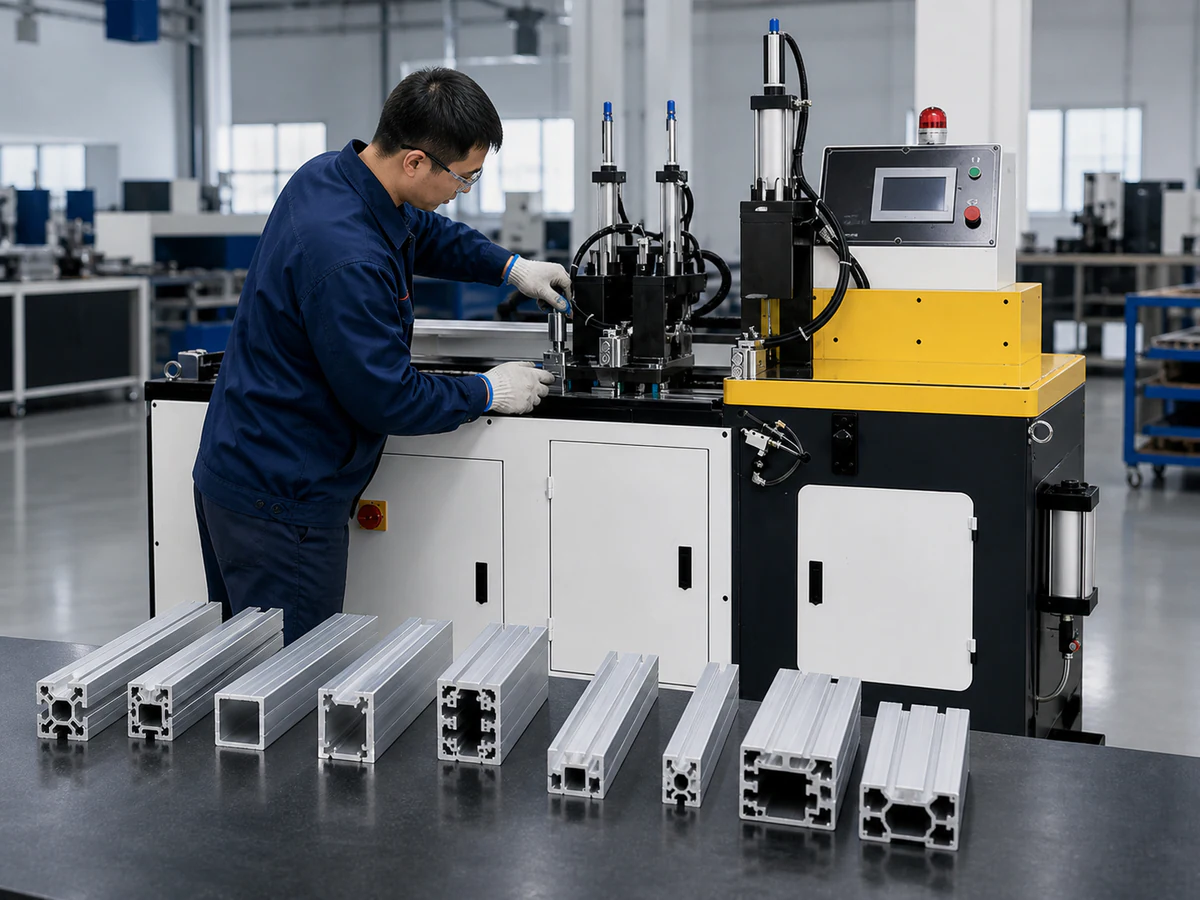
Reprice the complete changed job
A drawing revision can affect more than the machine’s catalogue envelope. Ask whether the proposal now needs another clamp insert, support, blade specification, measuring fixture, software program, guarding interface or operator step. Record each addition as included, excluded or subject to a defined engineering check. If the new requirement needs a different model or custom work, request a revised scope and schedule rather than accepting an unchanged price with an unwritten promise.
Compare proposals against the same revised task: stock section and condition, input length, final blank range, required cut-end features, batch pattern, inspection responsibility, and downstream handoff. Show the supplier the actual order mix if the revision changes several part numbers. A quotation for one easy sample does not establish the cost or throughput of a changing production family. Likewise, a new option is justified only by a requirement or measured trial finding, not by the mere fact that the drawing number changed.
Clarify who owns revision-related material and test costs. A buyer may need to supply new stock, approve a revised blade or fixture concept, pay for extra samples, or move the acceptance date. Put those responsibilities into the quotation or change record. Avoid treating an engineering discussion as a firm performance guarantee until the specified test and acceptance method are agreed.
Protect old and new samples from being mixed
Mark stock, cut pieces, measurement sheets and photos with the same revision and sample ID. Keep superseded samples available for comparison but physically separate from pieces intended for the current acceptance decision. Where more than one part family is involved, identify each family and its own test boundary. The team needs to know whether a measured end face came from the earlier drawing, a revised blank or an intermediate setup.
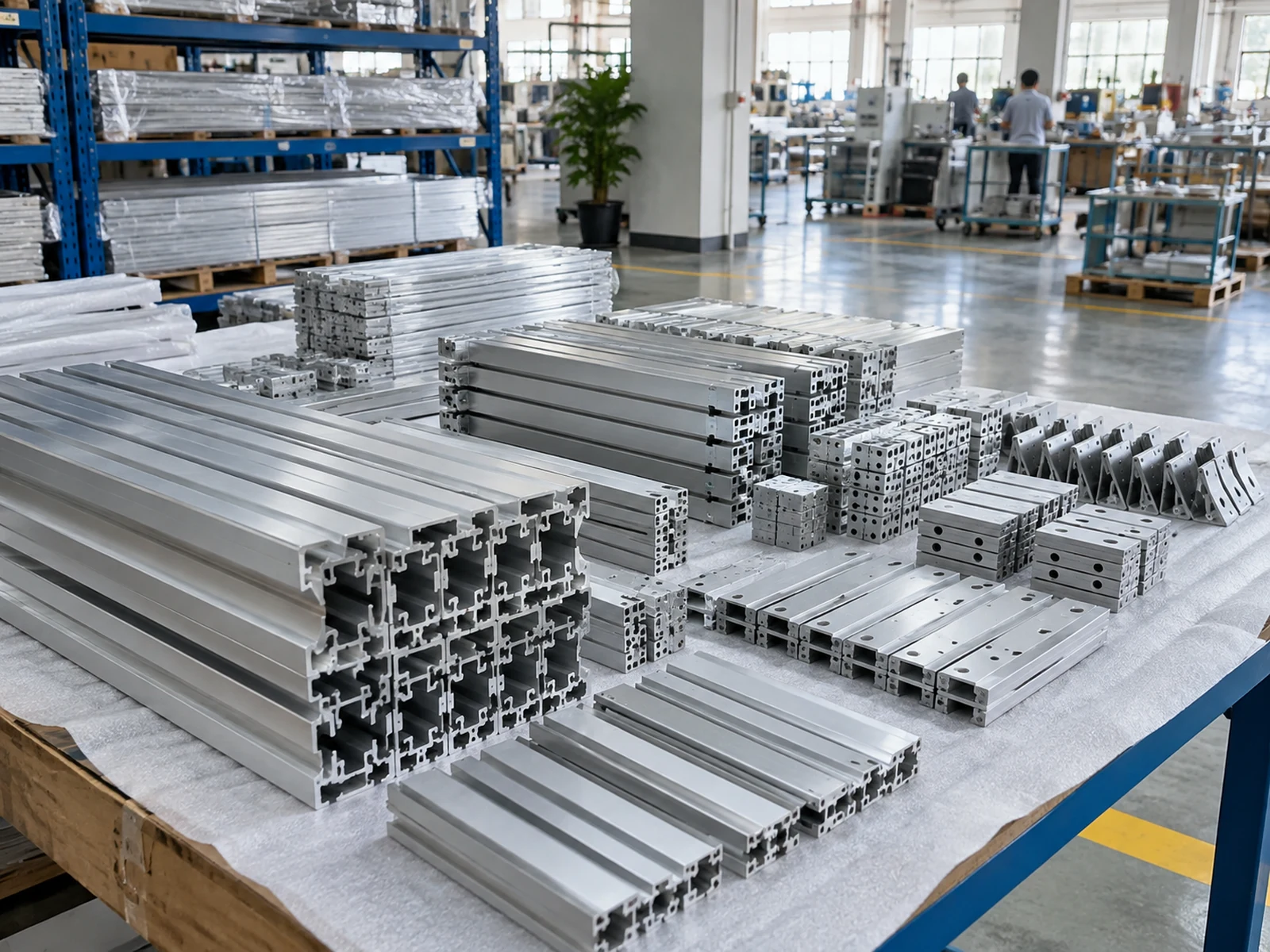
After a retest, use a comparison sheet with the changed requirement, actual measured result, method, sample ID, setup and decision. Keep any unchanged requirement explicitly marked as carried forward with a reason. If a part is on hold, state the disposition and retest owner rather than leaving it in an ambiguous pile. The cut-part hold guide deals with that release boundary in production.
Close the quote with a revision decision
The purchase file should finish with one of three clear outcomes. Quote remains valid only for the released revision and the conditions already demonstrated. Quote is revised when scope, option list, price, timeline or acceptance test changes. Selection is reopened when the new job falls outside the proposed saw’s supported setup or the supplier cannot provide sufficient evidence. Record the decision owner and the document revision on the purchase order and acceptance plan.
The ISO/IAF Auditing Practices Group guidance on design changes asks whether the impact of a change is evaluated and whether additional proving or testing is performed where appropriate. That is a useful control principle; it does not certify any Jiurun machine or prescribe a saw-specific test. NIST’s engineering-change research likewise describes change requests as a distinct process. The practical buyer task is to make the changed cutting requirement and evidence traceable.
If your drawing has changed after a saw demonstration, send JiurunCut the approved old and new revisions, a marked change list, stock section, target cut features, order mix and previous sample record. Ask which findings can be carried forward, what must be retested, and which parts of the quotation must change. A concise, revision-specific answer is more useful than either a blanket promise or an automatic full retest.
Related equipment footage
The following video from Jiurun’s YouTube channel is general equipment footage. It shows a saw and feed area; it does not demonstrate the revised drawing, stock, machine configuration, customer trial, measured result or quoted performance discussed here.