
Aluminum saw delivery lead time is useful only when the buyer and supplier mean the same starting event and the same finish line. “Ready in six weeks” could mean a machine is available for a factory test, ready for collection, or due at the buyer’s plant. Those are different decisions. Before placing an order, ask for a dated build-slot plan tied to the exact machine configuration, the agreed test, and the dispatch boundary. Treat the dates as a plan to verify, not a guaranteed outcome inferred from a sales message.
This guide is for a production buyer comparing a new industrial aluminum cutting saw. It does not state a current Jiurun factory capacity, inventory position, delivery promise, or model-specific production time. The purchase document and supplier’s written response must supply those facts for the actual order.
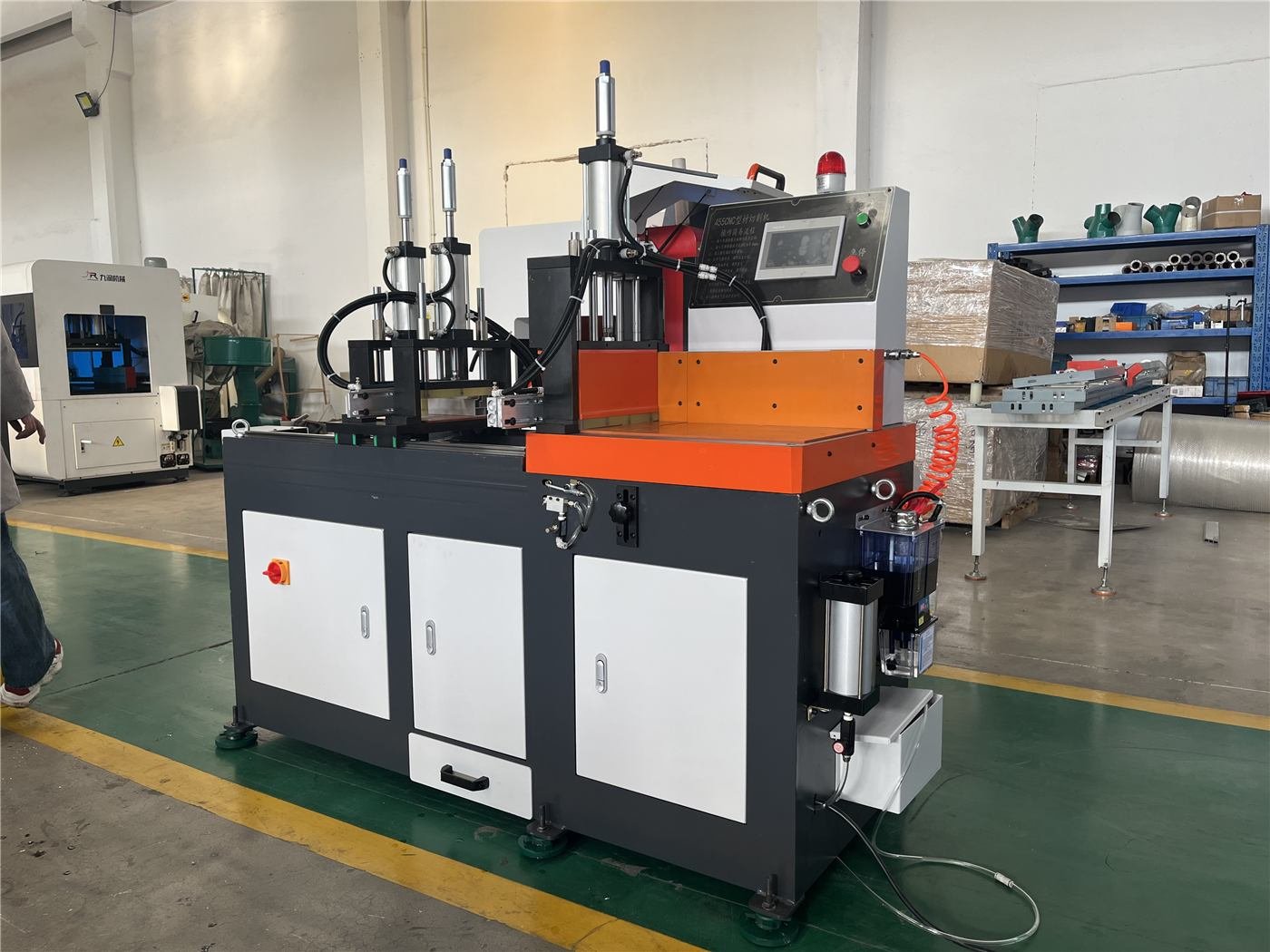
What does the quoted clock actually measure?
Put the start and end events in one sentence. A lead-time quote can start at a purchase order, deposit receipt, contract acceptance, approval of technical drawings, or release of a final configuration. It can end at factory-test readiness, buyer acceptance, packed-machine release, carrier collection, arrival at a port, or installation at the plant. Do not add those events together as if they were one date.
- Start event: State who confirms it, which documents must be accepted, and whether changes reset any part of the schedule.
- Factory finish event: Define the evidence that the specified machine is complete enough for the agreed test.
- Dispatch event: Identify what must happen after the test, including open-item closure and packing approval.
- Delivery event: State the named handover point and the party arranging transport, site receipt, installation, and commissioning.
For example, “eight weeks from approved layout to ready for the agreed factory acceptance test” is a narrower statement than “eight weeks to production.” The buyer still needs time for test stock, corrections, packing, transit, site utilities, and acceptance at the operating location. Our procurement schedule guide works backward from the production need; use this article to test the supplier’s build and release milestones within that wider schedule.
Freeze the machine scope before asking for a build slot
A slot belongs to a defined order, not a generic catalog name. Attach the approved quotation revision and a configuration register. Identify the saw model and any ordered variants; feed and outfeed arrangements; clamping and guarding scope; blade and lubrication supply; controls and electrical requirements; interfaces to upstream or downstream equipment; and the documents and spares that must accompany delivery. Include any buyer-supplied fixture, sample stock, or site information on which completion depends.
Keep a short “included, excluded, undecided” column for each item. If a long-profile support or special clamp is still being designed, the supplier can give a provisional date for the base machine and a separate decision date for the option. It is misleading to treat an unapproved option as already inside a confirmed build slot. Ask what the estimate assumes, when the buyer must answer, and how a later change will be recorded.
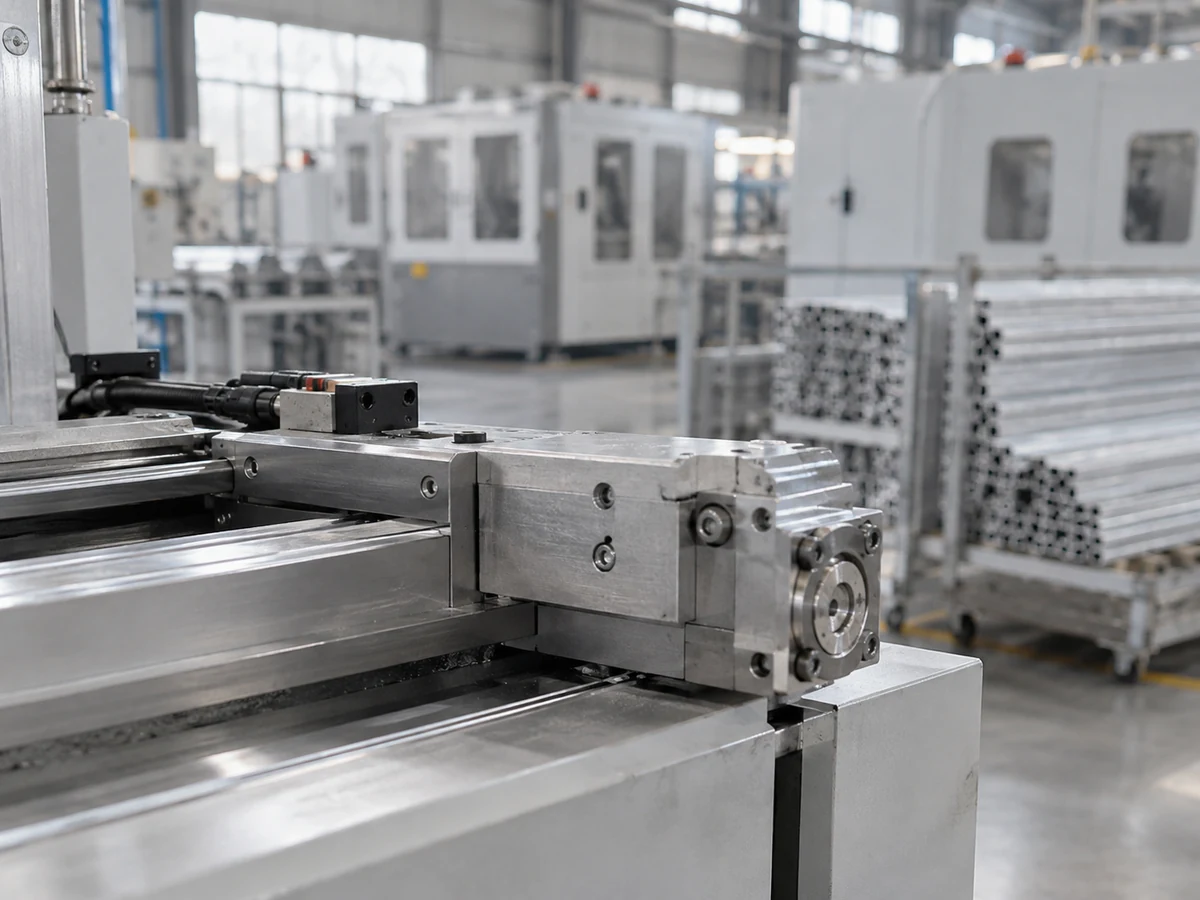
Ask for milestone evidence, not a vague percentage
A useful status report has four fields for each gate: planned date, actual date or current forecast, owner, and evidence. “Seventy percent complete” does not reveal whether the remaining work is a minor label or an unresolved control component. A simple milestone register makes the constraint visible without demanding the supplier’s private production schedule.
- Order release: Accepted technical scope, commercial order and responsible contacts are recorded.
- Design and interface review: Buyer-approved drawings or interface notes match the machine actually ordered.
- Critical component release: The supplier identifies which ordered components or approved alternatives govern the next gate.
- Assembly and internal checks: The identified machine is ready for the agreed trial, with open issues listed.
- Factory acceptance: The agreed workpieces, criteria, witnesses and result record are available.
- Dispatch release: Agreed corrections are closed or explicitly accepted as open, and the machine and accompanying items are identified for packing.
Ask for a dated exception note whenever a gate slips: what changed, what work can proceed, the new decision owner, the revised forecast, and the effect on the next gate. A photograph can illustrate a stage, but a photograph alone cannot establish that the pictured machine is the buyer’s unit or that the acceptance requirement is complete.
Protect the factory test date
The factory test is often where a seemingly firm build date becomes conditional. Decide early who sends representative profiles, how material grade, section, surface and length are identified, how much stock is needed, and which end conditions and cut-part measurements matter. Link the test plan to the approved configuration. If substitute stock is used, document the limits of the result and the reason for any retest; our substitute-stock trial guide explains that decision.
Make the test appointment contingent on both machine readiness and sample readiness. Record who can witness, which measurements are taken, how findings are signed, and what happens to open points. A buyer should distinguish “ready to demonstrate motion,” “passed the agreed factory test,” and “released for shipment.” These are separate gates. The factory versus site acceptance guide separates what can be proved at each location.
Put dispatch and site readiness on separate lines
After a successful factory test, check the machine identity, option list, blade and spare supply, document register, packing list, and any accepted outstanding work. Confirm the agreed handover point and the documents required for that handover. The transport and site schedule should then be tracked separately: carrier booking, receiving space, lifting and unloading responsibility, utilities, operator availability, and commissioning criteria. A packed machine is not automatically a running production cell.
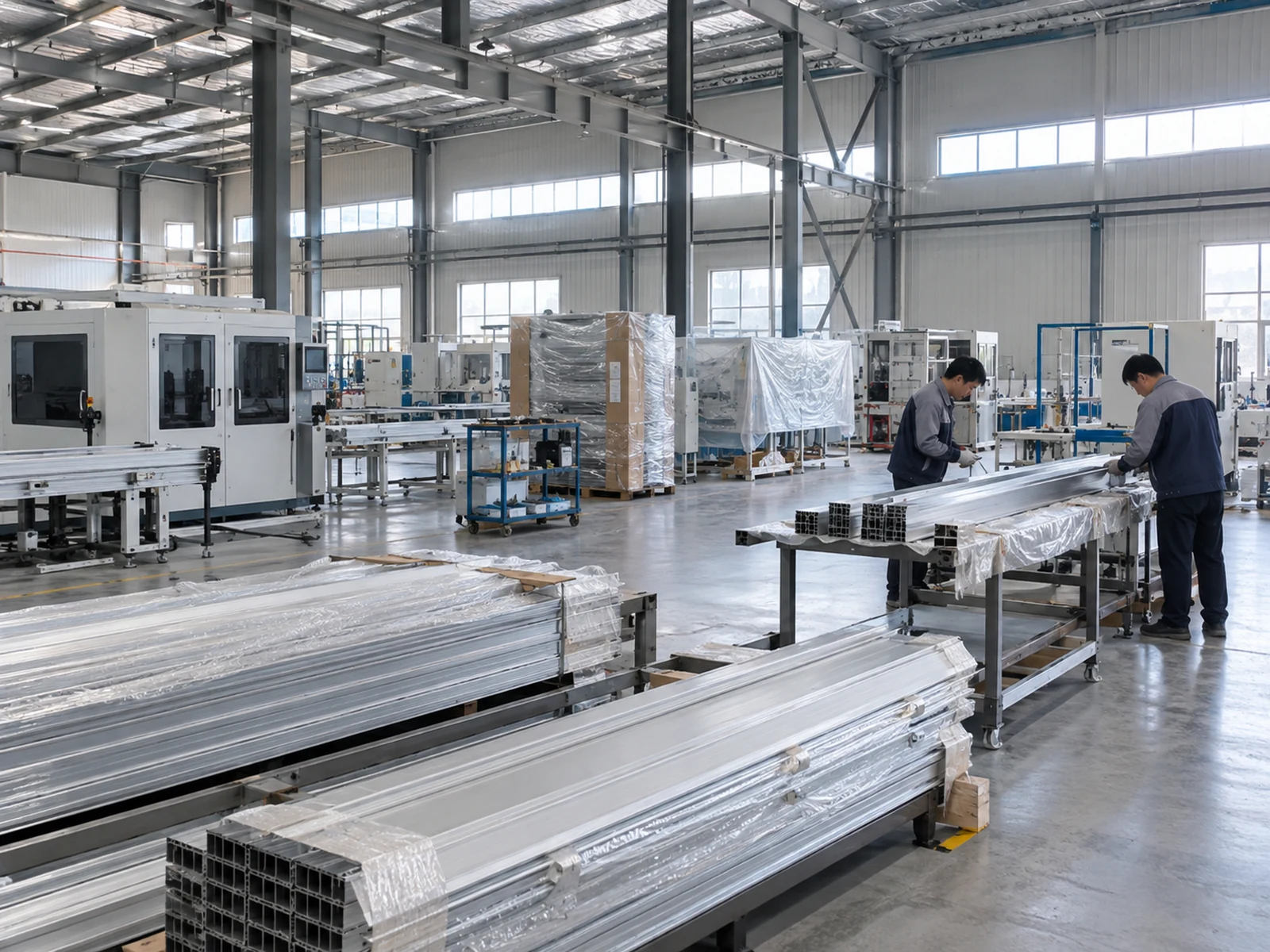
If the contract uses a delivery term, quote its exact wording and named place in the order rather than relying on “shipping included.” Our delivery-terms checklist helps compare that boundary, while the delivery check covers what to reconcile when the machine arrives. This article’s build-slot date must not silently absorb those later tasks.
A buyer-ready question set
Send the same concise questions to each shortlisted supplier. The answers can form a dated appendix to the purchase order:
- What exact event starts the quoted aluminum saw delivery lead time, and what exact event ends it?
- Which quotation, layout and configuration revisions does the date cover? Which choices remain open?
- Which critical components or buyer inputs are on the path to the factory test, and what alternatives need approval?
- What are the planned dates for configuration approval, internal readiness, the agreed factory test, correction closure and packing release?
- What evidence will identify the ordered machine at each gate, rather than a similar demonstration unit?
- Who reports a change, how soon is a revised date issued, and which downstream dates are affected?
- What work remains after dispatch before the machine can be accepted at the buyer’s plant?
Compare answers at the same scope and finish line. A shorter factory-ready estimate is not necessarily an earlier usable machine if the buyer’s sample, special option, freight, or site preparation is unresolved. Conversely, a more cautious written schedule may be easier to manage than an attractive date with no named gate or evidence.
Related equipment footage
The video below is general footage from Jiurun Machinery’s own YouTube channel showing a JR-455CNC automatic saw. It is only an equipment example. It does not document the machine, configuration, buyer order, material, factory test, build slot, delivery date, or cutting performance discussed in this article.
Request a quotation on a verifiable schedule
Send your profile drawings or section photos, material and surface requirements, cut lengths, output mix, target acceptance method, preferred delivery point and required production date through the JiurunCut inquiry form. Ask the team to identify the proposed saw configuration and the milestones it can actually support in writing. Keep undecided options and buyer-supplied inputs visible until both sides agree the order baseline.