
Aluminum saw blade life needs a defined job, blade identity and end point. Record cutting cycles, produced pieces and accepted output separately. Keep each production period linked to the material, configuration and service history.
A count from a different profile or an unspecified test cannot establish the life of a blade on your job. Follow the approved condition checks and service process rather than using a production count as permission to continue cutting.
Three numbers to keep separate
- Cutting cycles describe the recorded cutting activity.
- Produced pieces describe output before the stated release decision.
- Accepted pieces describe output that passed the required checks.
On this page
Define what aluminum saw blade life means in the record
Ask whether a quoted life describes one period before service, several periods over the blade’s history, a calendar interval or another measure. Record the start and end events. Without that definition, two large numbers may describe different things.
LEUCO’s general tool-service guidance explains that useful edge life depends on the material, machine, tooling and quality requirements. It does not provide one life value for every application. Use that principle when asking the tooling supplier about your actual aluminum job.
A blade removed for a planned change has a different recorded end event from one referred for investigation after a quality concern. Keep the reason visible. Neither observation automatically proves the maximum possible life of the blade.
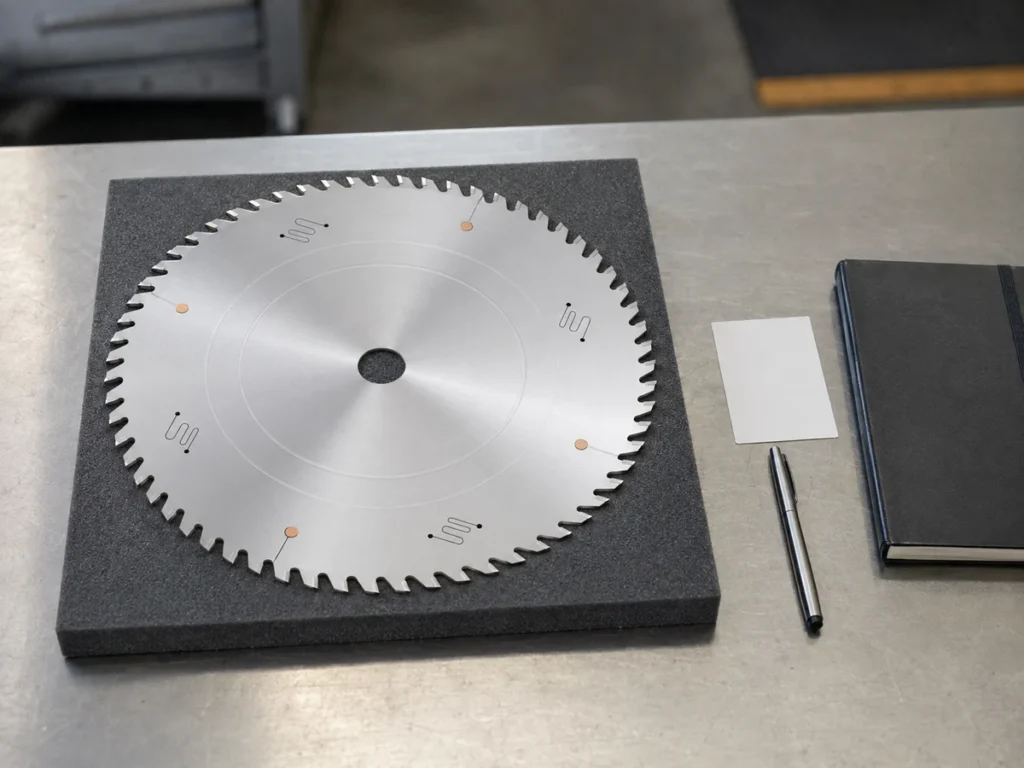
Measure 1: record the cutting activity
Define what the machine or production record counts as a cutting cycle. Include the source of the count and how trim cuts or other cuts are treated. A counter value is useful only when its meaning is understood.
One cycle is not always one finished part. If several profiles are cut together under an approved arrangement, a cut may produce several pieces. Other cuts may trim stock without producing a released component.
Record the actual cut sequence beside the count. Do not compare a one-profile job and a multi-profile job solely by cycles and conclude that one blade delivered more useful output. Their production pattern is different.
Measure 2: count the pieces produced
Count the identified output pieces and record their status. State whether the total includes pieces held for inspection, setup samples or another separately defined category. Use consistent categories across the records you intend to compare.
Keep profile family and part drawing identity beside the count. A small hollow rail and a solid bar are different jobs even if each produces one part per cut. The number of pieces alone omits that context.
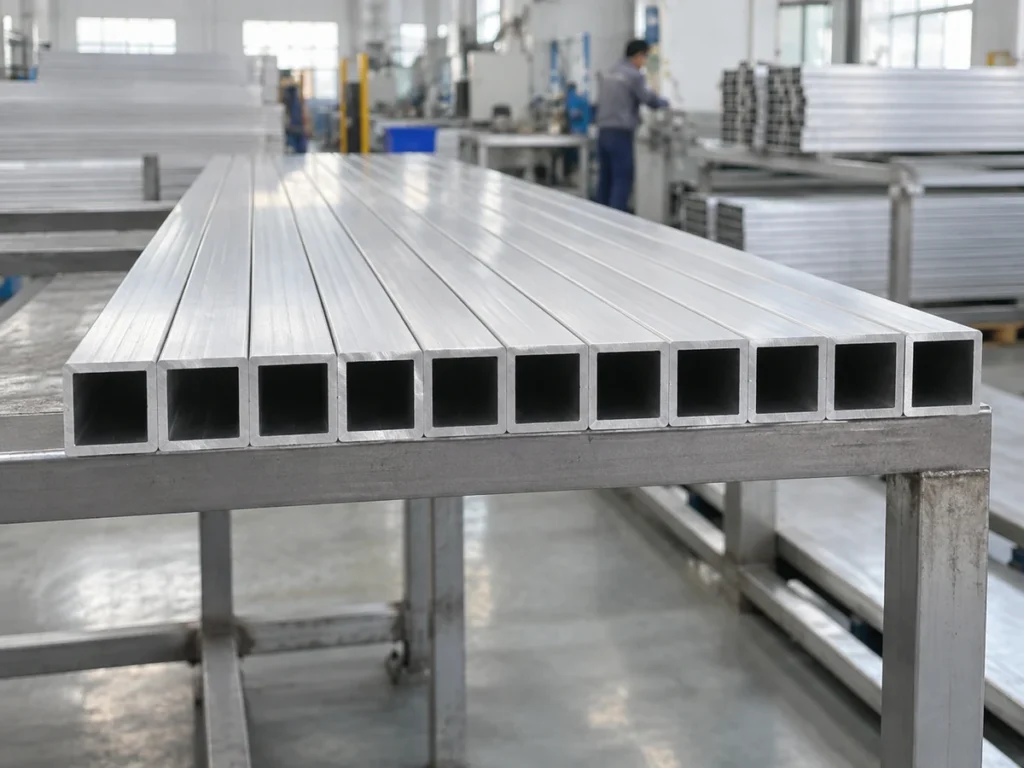
If a production period includes a material or profile change, record where the change occurred. Either separate the results into comparable groups or retain the mixed-job detail. Do not describe a mixed period as though it came from one unchanged task.
Measure 3: count accepted output
Record the pieces released after the required checks and the pieces still held or rejected. The accepted count answers a different question from gross production. Keep the drawing revision, inspection method and acceptance criteria with the result.
If a piece is held because inspection is incomplete, do not automatically call it a blade-related reject. If a part fails a requirement, record the observed failure and the investigation separately. Output status does not identify the cause.
The accuracy and repeatability guide explains how to compare dimensions with the specified range. Other requirements, such as cut-edge condition and surface appearance, need their own agreed checks.
A two-period example: 1,862 accepted pieces
The following counts are invented to illustrate a record. They are not JiurunCut test data, a blade-life promise or a recommended service interval. Each period ends at a recorded approved service event; the example does not establish the blade’s retirement point.
| Illustrative period | Recorded piece status |
|---|---|
| Period A | 1,000 produced: 980 accepted and 20 held. |
| Period B | 900 produced: 882 accepted and 18 held. |
| Combined record | 1,900 produced: 1,862 accepted and 38 held. |
The accepted share is 980 ÷ 1,000 = 98% for Period A and 882 ÷ 900 = 98% for Period B. The combined share is also 1,862 ÷ 1,900 = 98%. The held pieces have not been counted as accepted.
The same accepted share does not mean the periods have the same production volume or the same blade condition. Period B produced fewer pieces. To interpret that difference, review its end event, job identity and production history rather than guessing a cause from the totals.
The record also lacks a defined cycle count. We therefore cannot calculate pieces per cutting cycle or compare cycle-based life. Add the required activity data before answering a question that depends on it.
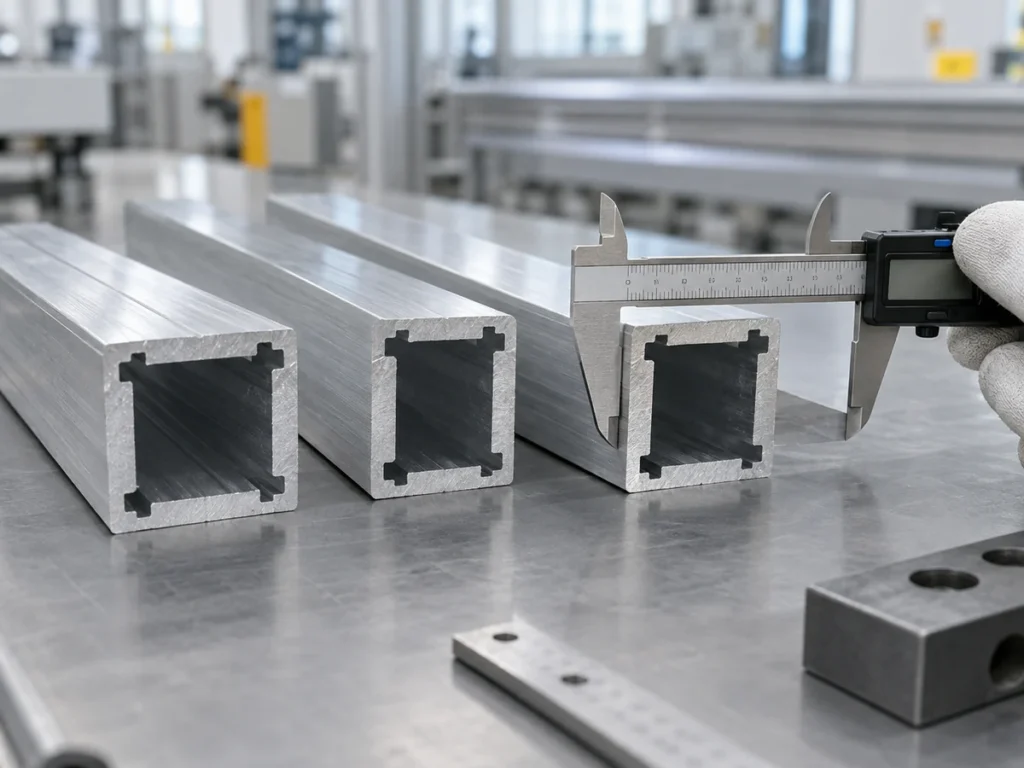
Compare records using the same scope
Before comparing blades or service periods, align the job and the measures. Use the actual section, material condition, approved machine configuration, tooling reference and required part checks. State any differences instead of hiding them inside a single average.
- Same meaning: use the same definitions for cycles, produced pieces and accepted pieces.
- Known job: identify profile, material and finished-part requirements.
- Known tool: retain the blade reference and service history.
- Known end event: state why each recording period ended.
- Known release status: separate accepted pieces from held or rejected output.
Calendar days are useful for scheduling, but they do not describe cutting exposure by themselves. A blade used briefly on several days and a blade used continuously on those days have different histories. Retain the appropriate activity record alongside dates.
LEUCO describes planned tool changes based on prior test experience. Treat that as a process-development question for the responsible tooling and machine specialists. Do not use our invented counts to create a replacement interval.
Similarly, do not promise a fixed number of resharpenings from the amount of tooth material visible in a photograph. LEUCO notes that serviceability depends on the tool and machine. Ask the qualified service provider to assess the actual blade and applicable limits.
Unexpected quality changes or suspected damage require the approved response, regardless of the count recorded so far. The blade inspection and replacement guide covers reporting and authorized service handoff. A productivity target does not override that process.
Common questions
Can a supplier promise aluminum saw blade life from the diameter alone?
Ask for the blade identity, application and test conditions behind the claim. Diameter is one tool characteristic. The useful output on your task still needs the actual profile, material, configuration and acceptance requirements.
Are the pieces held in the example defective?
The example only says they are held. It gives no final disposition or cause. Count them separately until the required review determines their status. Do not convert an unfinished inspection record into a confirmed blade defect.
Does 98% accepted output establish the cause of the remaining 2%?
No. The arithmetic reports the stated piece status. It does not diagnose the blade, machine, material or inspection process. Investigate observed failures with the relevant records and responsible personnel.
Should I keep cutting until I reach a target count?
Follow the approved tooling and machine instructions and condition checks. Stop and report concerns through the applicable process. A count is a production measure, not an authorization to ignore wear, damage or unexpected behavior.
Discuss the tooling needs of your cutting job
Share your actual material, section drawing, finished-part checks and intended batch pattern with JiurunCut. We can discuss the machine application and the tooling information needed for a representative cutting review.