
Aluminum furniture frame spares are easy to misquote when a buyer starts with the length of a visible rail. A table, cart or modular furniture frame is an assembled product: a replacement member has to match the correct product revision, joining method, surface, interfaces and acceptance route. A saw can prepare an identified extrusion; it cannot decide whether a damaged unit is safe to keep in service or whether an unapproved substitute preserves the original product. This guide separates the service decision from the manufacturer’s repeatable cut-member workload.
Decide what is being replaced before asking for a saw price
Record the product maker, model or system family, order or serial reference if present, installation date, part position and the fault. Is one removable rail damaged, is the corner connector loose, or is the assembled frame distorted? Photograph the whole unit, the affected junction, fasteners and the opposite undamaged side. Note whether the item supports people, heavy equipment or only a light panel. Take a visibly unstable unit out of use pending the responsible owner’s assessment; a replacement cutting quotation is not a return-to-service decision.
For an existing branded product, start with the maker or authorized service channel. As one manufacturer-specific example, Herman Miller directs owners to its dealer or retailer for warranty and repair eligibility and for many replacement parts. That practice is not a universal warranty promise. It shows why product identity and authorized part availability belong at the beginning of an RFQ rather than after generic stock has been ordered.
Build a part identity sheet that another buyer can use
Define the component by function and position, not only by appearance. Record the extrusion section and wall configuration, alloy and temper if documented, member length and datum, cut-end geometry, hole or slot features, connector type, fasteners, mounting face, top or panel attachment, finish code and visible-face orientation. Capture whether a left-hand member differs from a right-hand one. Include the drawing revision and whether old and new parts may be mixed. If any specification is unknown, identify it as an open item for the maker or responsible engineer rather than guessing from a photograph.
A simple matrix can prevent a costly near-match: one row for product ID and revision; one for the affected member and its mating parts; one for section, cut length and end condition; one for connection and finish; and one for the person who accepts the installed assembly. A spare that looks close on the bench can still have a different slot, connector reach or finish. An unlabelled profile photograph cannot prove interchangeability.

Compare aluminum furniture frame spares across three supply routes
1. Buy a complete specified unit or frame module
Choose this route when the maker supplies the exact replacement assembly, the old frame is distorted beyond a controlled member repair, the joint details are unavailable, or the buyer cannot establish an approved substitute. Ask whether the quotation includes the top or panel, legs, braces, casters, levelers, connectors and installation. Identify what the site must do after delivery and who signs the unit back into service. The higher purchase price may include work and responsibility that a low-price cut extrusion leaves with the buyer.
2. Buy an approved part or prepared kit
If the maker releases a part number or compatible kit, compare it with the actual unit revision. The kit might contain a finished rail, joiners and fasteners but omit a surface, caster or existing bracket. Request the kit bill of materials, installation instructions, finish designation, supported product revisions and any inspection required after installation. Do not assume a rail sold for a visually similar product fits the older one. For a service purchase, a prepared kit can make the installed scope clearer than buying stock by length.
3. Cut released members for an OEM or integrator
This route belongs to a maker or authorized integrator that owns the design and repeatedly prepares the same approved components. It is not permission for a site to make an arbitrary substitute from generic aluminum. The buyer gives the saw supplier controlled drawings, real section samples, cut lists, batch quantities, end conditions, visible-face protection and the downstream process owner. The saw supplier can quote the defined cutting stage. Drilling, joining, finishing, assembly, product testing and release remain separate unless expressly included and evidenced.
For a one-off repair, annual saw throughput may be too small to justify owning a machine. Compare a bought frame, a prepared kit and an internal cut stage using the same final accepted assembly, including scrap, setup, finishing, packing and service labor. Our furniture manufacturing saw guide addresses the broader factory delivery-format decision; this article concerns spare-part identity and controlled replacement.

Keep appearance and structural acceptance separate
For furniture used in a visible interior, a technically fitting extrusion may still fail the customer’s finish requirement. Specify anodized or coated finish by the original controlled code if available, gloss or texture requirements, acceptable color variation, visible-face orientation and protection during cutting and handling. Compare a sample beside an aged installed product under the viewing conditions agreed with the customer; do not promise an exact visual match from a catalog image. Finish ageing and product variation can make a replacement look different even when the original code is known.
Appearance does not settle structural suitability. The furniture maker or responsible engineer must assess the joined product, intended load and relevant product requirements. BIFMA describes furniture safety, durability and structural performance standards for particular product types. Do not claim that a loose extrusion, a cut sample or these editorial images establish compliance with a complete furniture standard. Ask which standard, product revision and evaluation route apply to the actual product, if any.
Give the saw supplier a cut-stage brief, not a furniture warranty
For repeat OEM production, send the section drawing, sample stock, material condition, maximum stock length, member families, orientations, cut lengths, angles, end-burr requirements and batch mix. Mark the faces that must remain unmarred. Explain whether the next operation is drilling, connector assembly, finishing or kitting. Require the proposal to state support, clamping, blade and fixture assumptions for the sample range, plus how different members will remain identified when packed.
Define acceptance at the saw boundary: specified length datum, angle where applicable, end-face condition, burr handling, surface protection and part marking. Keep these apart from final furniture dimensions, stiffness, stability or service life. A stock-feeding accuracy figure is not finished-product accuracy. Our furniture frame saw-trial checklist focuses on visible faces and corner fit at the trial stage; the owner of the furniture design must still approve the assembled product.
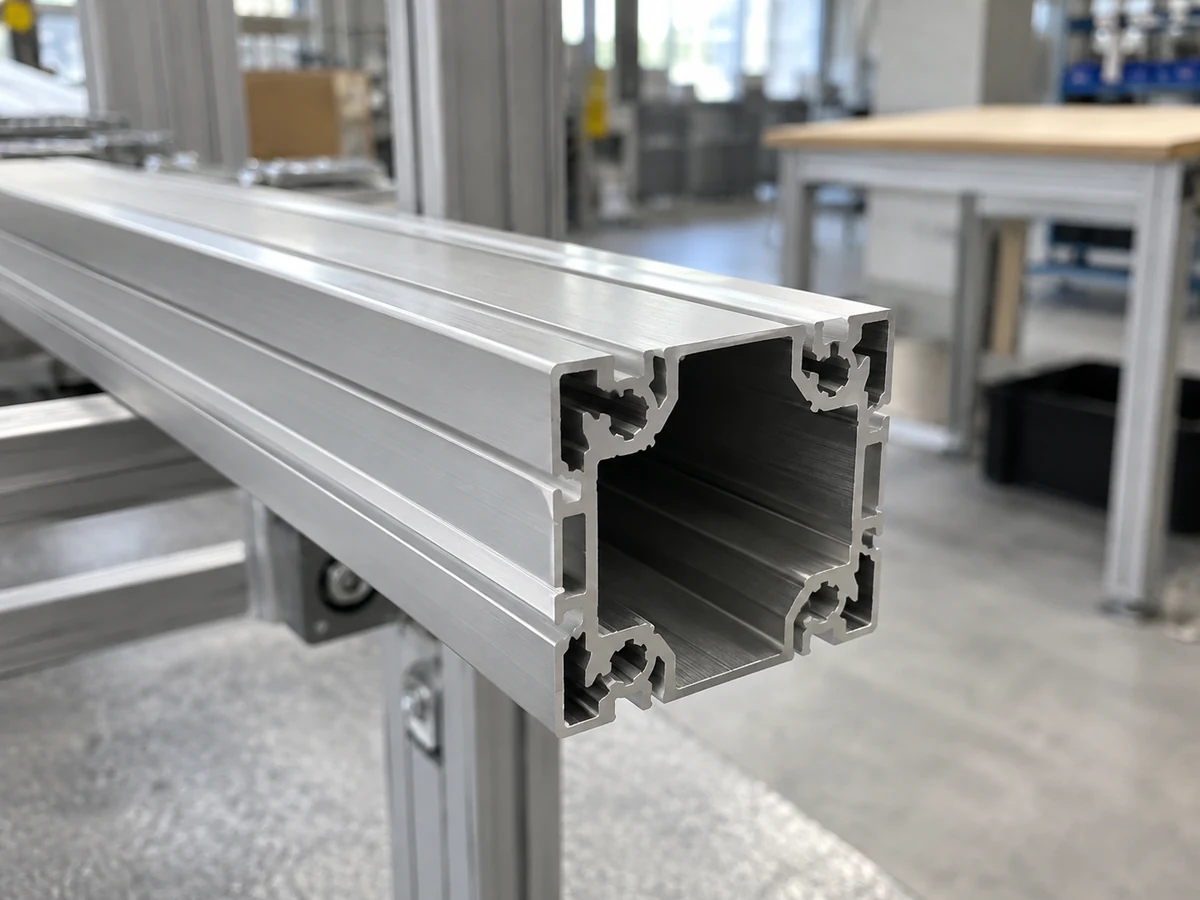
Use a representative sample to close the right questions
For a released component, trial the actual section and length range rather than a convenient flat bar. Include the shortest and longest relevant members, any angle cut, the most visible surface and a joint-sensitive end. Photograph the setup, identify the blade and clamp arrangement, and measure the agreed cut-stage features. Then have the manufacturer fit the sample with the intended connector and adjacent members. Record failures separately: cut-end issue, finish damage, incorrect connector interface or assembly-design issue. This prevents a saw supplier from being asked to fix a product design problem by adjusting a cutting setting.
For a service spare, the site’s acceptance is different. Confirm that the authorized part was supplied, installed and inspected by the responsible party, and that the unit meets the original use requirements before return to service. Do not use a factory saw trial as evidence of a particular repaired table or chair. If the maker will not authorize a member substitute, seek a complete replacement or an expressly engineered alternative.
Send two clear requests for quotation
To the furniture maker or authorized service provider, send the product identification, purchase record if available, defect photographs, required finish, part position and installation location. Ask for a complete replacement, an approved module or a controlled spare kit, with lead time, included hardware, installer responsibility and acceptance documentation. Ask explicitly whether mixing the proposed part with the older revision is supported.
To a cutting-machine supplier, send only the repeatable OEM member program: released drawings, real section samples, quantities by family, cut list, finish-sensitive faces, end acceptance criteria and downstream handoff. Request a witnessed trial plan and a scope boundary. If the program is only an occasional service repair, say so; the honest answer may be to buy finished parts rather than a saw.
Video: general aluminum-cutting equipment example
The Jiurun Machinery video below shows general enclosed aluminum-cutting equipment and material handling. It is not footage of these furniture parts, a specific model or customer, an approved spare, the trial described here, or proof of finish, fit, safety or performance. It only illustrates a possible factory cutting-station context for separately released OEM members.
Frequently asked questions
Can a matching profile replace a damaged furniture frame rail?
Section appearance and cut length are insufficient. Identify the product and revision, connection, finish, load duty and maker-approved service route. Where the maker does not authorize the part, a complete unit or engineered replacement may be the clearer purchase.
Does a successful cut sample approve the complete furniture product?
No. The sample can establish only the agreed cutting outputs. Joining, structural behavior, finish match and product release require separate responsible-party checks.
When does buying an aluminum saw make sense?
When an OEM or integrator retains a repeated, released aluminum member program with enough real work to support setup, inspection and downstream handoff. It is rarely justified by one damaged unit alone.
Planning repeat aluminum furniture-frame member production? Send JiurunCut the released section drawings, real samples, batch mix and cut-stage acceptance criteria for a scoped machine discussion. For an in-service furniture repair, first contact the original maker or authorized service channel for the replacement decision.