
An aluminum circular saw vs band saw comparison should start with the actual material form and required cut. A circular saw uses a rotating disc blade; a band saw uses a continuous band blade. Both equipment families include different configurations, so the blade type alone does not identify the right machine for a job.
Compare reviewed applications, completed work and accepted output. Avoid a universal claim that one family is always faster, more accurate or more economical. The decision needs the actual section, end requirements, quantity pattern and supplier scope.
Make the comparison job-specific
- Match the material form, section and end geometry.
- Compare the whole production sequence on the same basis.
- Request documented application evidence for each proposal.
On this page
Check 1: Material in the aluminum circular saw vs band saw review
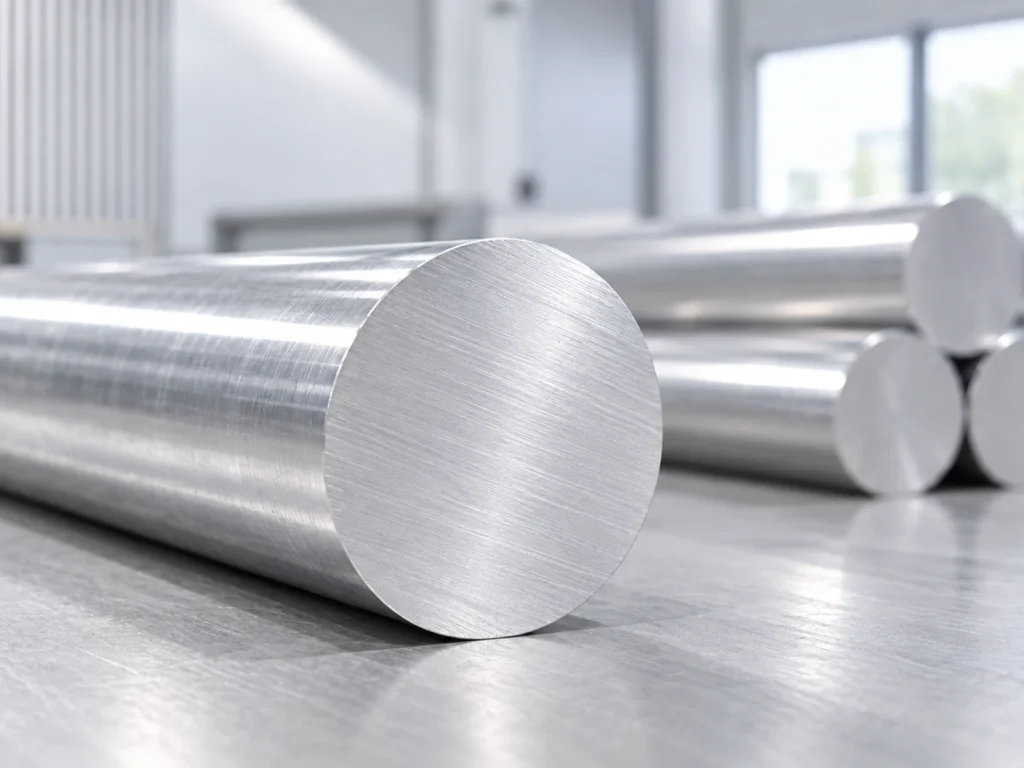
Identify the stock as a hollow profile, tube, solid bar, billet, block or plate where applicable. Add the section drawing, material identity and supplied length. An outside dimension does not show every wall, void or internal feature.
Behringer’s aluminum bandsaw overview includes billet and universal aluminum bandsaw configurations. This is evidence that aluminum bandsaw applications exist; it does not establish that every listed model covers your job or that all bandsaws behave alike.
KASTO’s circular-saw overview describes industrial circular-saw applications including non-ferrous metals such as aluminum. Individual listings have their own material and cutting scope. Read the selected configuration, rather than transfer the overview’s general description to every machine.
Send the same material brief to both suppliers. If one proposal covers a reviewed extrusion and another describes a different product form, they are not yet comparable. Request confirmation against the actual inputs.
Check 2: Cut geometry and completed work
Define the cut length and both end geometries. State straight cuts, required angles and profile orientation using the released drawing. A generic comparison of “saws for aluminum” leaves these important differences open.
For each proposal, confirm which requested geometry and section orientations have been reviewed. Keep a machine’s cutting-capacity diagram linked to the relevant angle and configuration. Separate maximum width and height values should not be assumed to form one combined permitted section.
Our capacity-diagram guide explains this buying check. The circular or band blade label cannot substitute for the selected machine’s actual application envelope.
Also define the stage delivered by sawing. Later drilling, machining, deburring or assembly may still be required. Compare a cut blank with another cut blank, or a fully specified finished member with the equivalent deliverable.
For repeated angled frame members, review the proposed operation sequence and machine arrangement separately. A single-head versus double-head question belongs within the circular-saw comparison where relevant; it does not answer every circular-versus-band-saw question.
Check 3: Accepted production across the full sequence
Use the same representative job and quantity pattern to evaluate production. Include material loading, job preparation, feeding, cutting, receiving pieces, checks and the next handoff. Identify which steps are automatic and which still need people.
A blade-speed number and a short cutting demonstration are not accepted parts per shift. Different sources may define cycle time differently. Ask what the quoted time includes and under which stock, part and tooling conditions it was established.
Our cycle-time guide helps keep individual cutting time and complete batch output distinct. Use recorded results for the actual comparison rather than turn a catalogue figure into a production promise.
Review changes between sections and lengths as well as the repeated cut. A job mix with many small batches can create a different planning problem from a single repeated member. Record both situations if both matter to the purchase.
Owner-channel demonstration: inspect the feeding scope
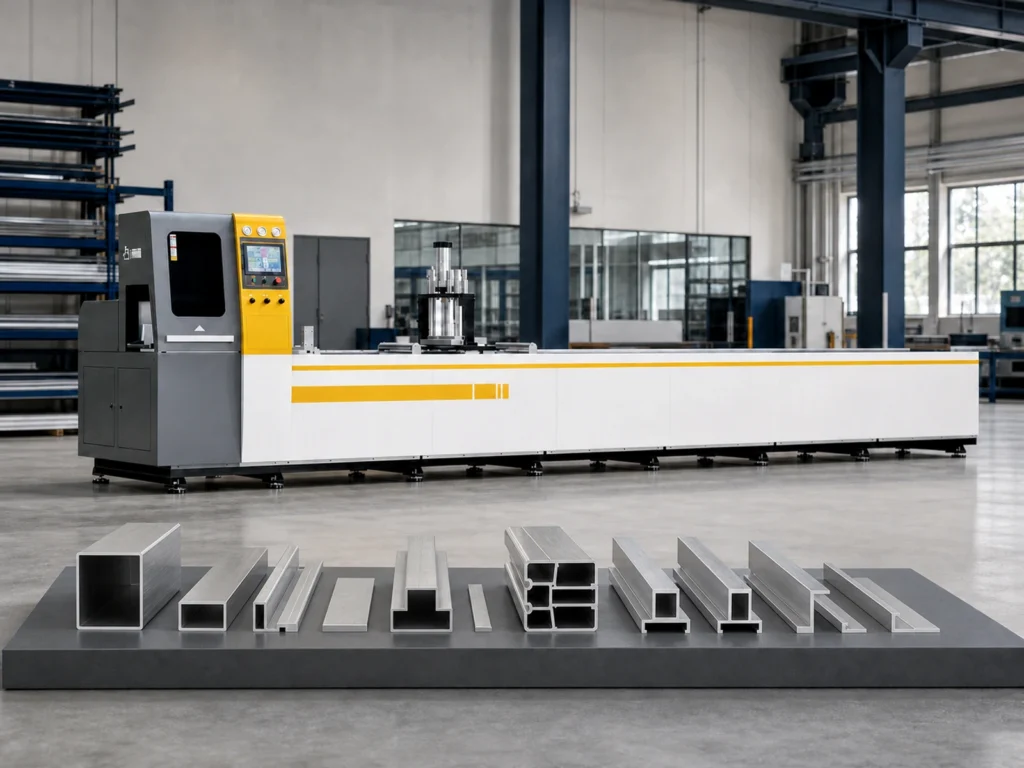
The Jiurun video below shows a feeding arrangement identified on the owner channel as JR-650CNC-3A-1S. Use it to understand the arrangement shown and to frame questions for a quotation. It provides no measured circular-versus-band-saw comparison or approval of your section.
Check 4: Material loss, tooling and equivalent costs
Use the approved tool and process inputs for each proposal. Cutting width is one material-loss input. Stock trimming, finished lengths, applicable cuts and remaining-stock constraints also affect the plan.
Our circular-blade kerf guide explains why cutting width and body thickness are different fields. For a band-blade proposal, obtain the corresponding specified and validated inputs from its supplier; do not reuse a circular-blade example.
Keep theoretical material removal separate from accepted yield. A smaller loss input does not guarantee another usable part from each bar, and it does not establish finished-part quality. Compare those outcomes with their own evidence.
For tooling costs, record the identified tool, service scope and accepted work produced under the documented conditions. Avoid assuming equal blade life or a universal replacement interval. Our tool-life record guide explains the production-record distinction.
Finally, include the full corresponding cost scope: stock, labor, handling, checks, tooling, care and other relevant work. The quoted equipment price is only one part of the purchase evaluation. Use the same period and accepted-output basis for each route.
Check 5: Evidence for the actual application
Request a supplier review against the released material and part inputs. Preserve the reviewed configuration, tooling reference and acceptance requirements. A model-family name should not replace the application record.
Where a sample review is needed, identify representative stock and the checks planned before the demonstration. Record completed checks, measured results, observations and open items separately. A cut being completed does not mean every requirement has passed.
Make the quality comparison specific. Cut length, angle, squareness, end condition and assembly fit are different questions. Use the responsible team’s acceptance plan and measurement requirements for each one.
Keep system and end-product performance outside the cutting claim unless their applicable evidence is supplied. A sample cut does not establish a structure’s load capacity or another finished product’s performance. The result should remain connected to what was actually reviewed.
Three different inquiry briefs need different reviews
Brief A: Repeated hollow-profile members
Provide the full section, end geometry, lengths, visible-face requirements and accepted quantities. Ask each supplier to review the actual profile and work sequence. A comparison based on solid-bar data would leave the application unresolved.
Brief B: Solid stock for later machining
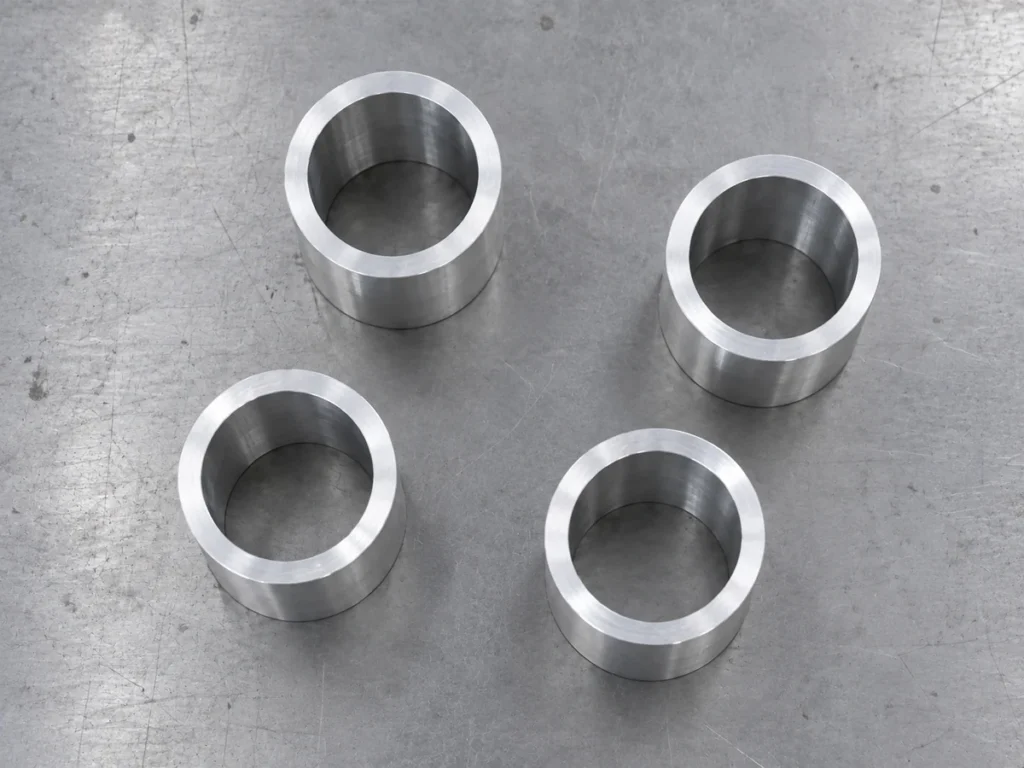
Identify the incoming solid form and approved blank condition. Include the next operation’s requirements and the relevant material information. Do not call the sawn blank a finished component unless that is the agreed deliverable.
Brief C: A changing mix of jobs
List the representative section families, lengths and order patterns. Ask which parts of the mix each proposal covers and what changes need further review. One successful recurring job cannot demonstrate the complete mixed workload.
These are hypothetical inquiry types, not JiurunCut customer cases. They show why a useful selection discussion starts with the work to be done, rather than a universal ranking of blade types.
Common questions
Can a band saw cut aluminum?
Industrial suppliers offer aluminum bandsaw configurations, as the Behringer source shows. Confirm the selected equipment, tooling and actual stock application. A general metal-bandsaw description is not an approval of every aluminum job.
Is a circular saw always faster or more accurate?
No universal conclusion follows from the blade form. Compare reviewed configurations on the same job, completed work and acceptance basis. Use actual evidence for the required production and quality.
Should kerf alone determine the purchase?
No. Review material loss together with application suitability, accepted quality, production sequence, tooling and cost scope. One theoretical material metric cannot establish the whole purchase outcome.
Send the representative jobs for a defined machine review
Ask JiurunCut to review your circular-saw requirement. Include the section drawings, material identity, end details, accepted quantities and job mix. Request a recommendation and sample plan tied to those inputs.