
Measure aluminum cutting cycle time at three levels: the machine cycle, the operator’s work and the elapsed time per accepted part. For a buying decision, also time a complete representative batch. Include setup, loading, inspection and collection, and count parts that meet the agreed requirements.
What to compare
- The same part and quoted configuration.
- A complete batch with clearly defined start and finish points.
- Accepted output alongside operator work and cut quality.
On this page
Three ways to review aluminum cutting cycle time
Start by asking what the quoted time includes. A blade cutting through material, a complete automatic sequence and a finished batch are different measurement boundaries.
The Lean Enterprise Institute’s cycle-time definitions distinguish machine operations from operator work and explain how loading and changeovers affect effective machine time. For your saw trial, write down the boundary before starting the timer.
1. Machine cycle
Time one complete repeatable machine sequence between matching start points. This shows the steady sequence for the tested part and settings.
2. Operator work
Time manual tasks such as loading, job selection, handling and checking. This shows the actions and staffing that remain outside the automatic sequence.
3. Batch elapsed time per accepted part
Time the whole defined batch interval, then divide it by accepted parts. This includes setup and other observed delays in the useful-output calculation.
Keep all three values. A short machine sequence may still leave substantial loading or collection work. Conversely, some manual work can occur while the machine runs. Timing the complete batch helps avoid double-counting overlapping activities.
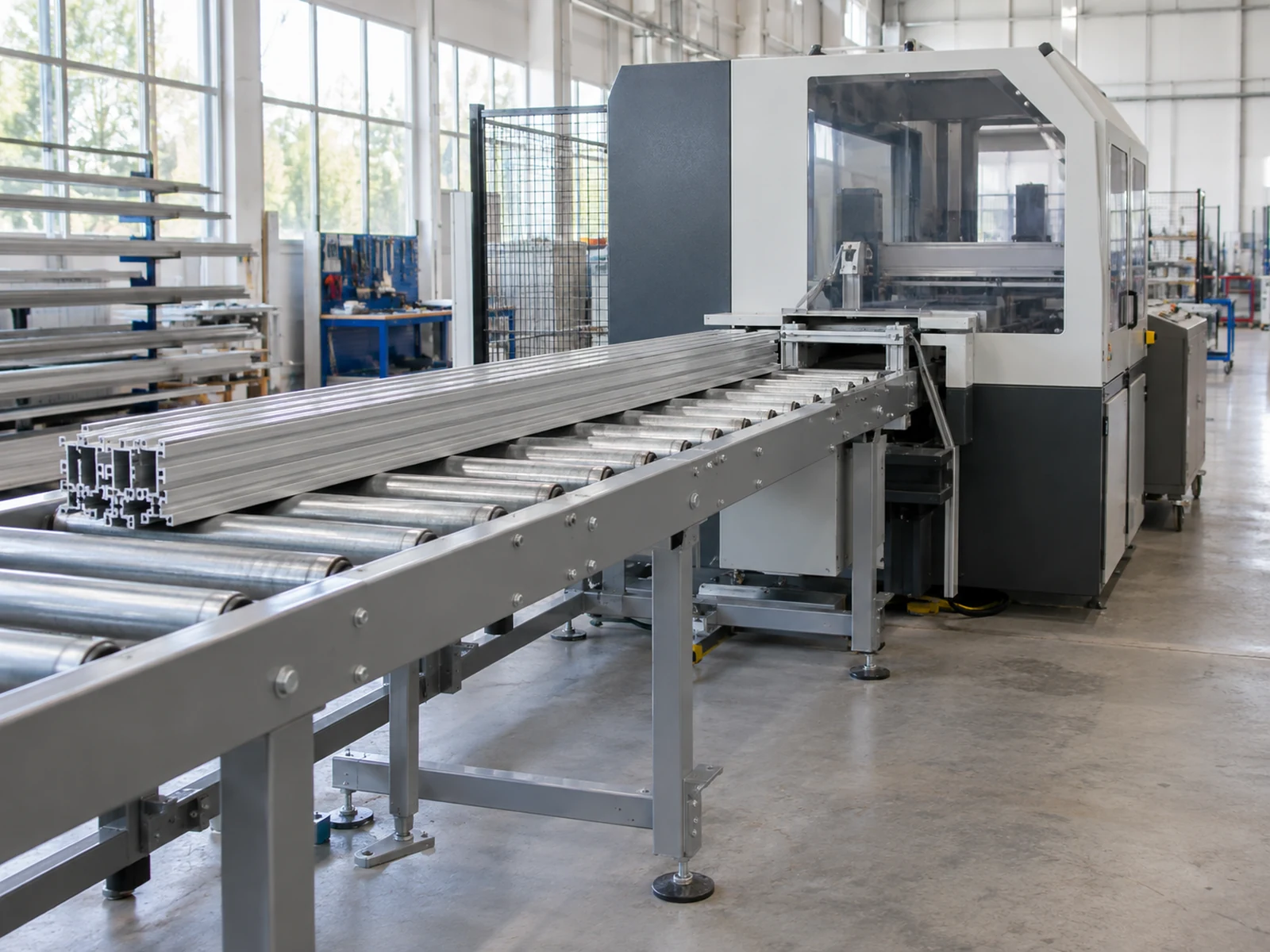
A worked example: 100 cuts, 96 accepted parts
The following numbers are invented for calculation practice. They are not JiurunCut machine test results or promised output. Assume one profile family, one finished length and one part produced per machine cycle.
For this example, all activities in the table occur sequentially. The loading and collection time is outside the 18-second machine sequence. A real trial must record any overlap instead of adding it twice.
| Activity | Minutes |
|---|---|
| Fixture and job setup | 12 |
| First-piece inspection and release | 5 |
| 100 machine cycles × 18 seconds | 30 |
| Loading and collection: 100 pieces × 6 seconds | 10 |
| Final checking and batch release | 3 |
| Total: 100 made; 96 accepted | 60 |
The steady machine-cycle calculation is 3,600 ÷ 18 = 200 cycles per hour. That value excludes the other activities in the table.
The batch delivered 96 accepted parts in 60 minutes. Its accepted output rate is 96 ÷ 60 × 60 = 96 accepted parts per hour. Its elapsed time per accepted part is 60 × 60 ÷ 96 = 37.5 seconds.
Both results are mathematically correct. They answer different questions. When comparing aluminum cutting cycle time quotations, ask suppliers to identify the measure rather than presenting every number as finished production output.
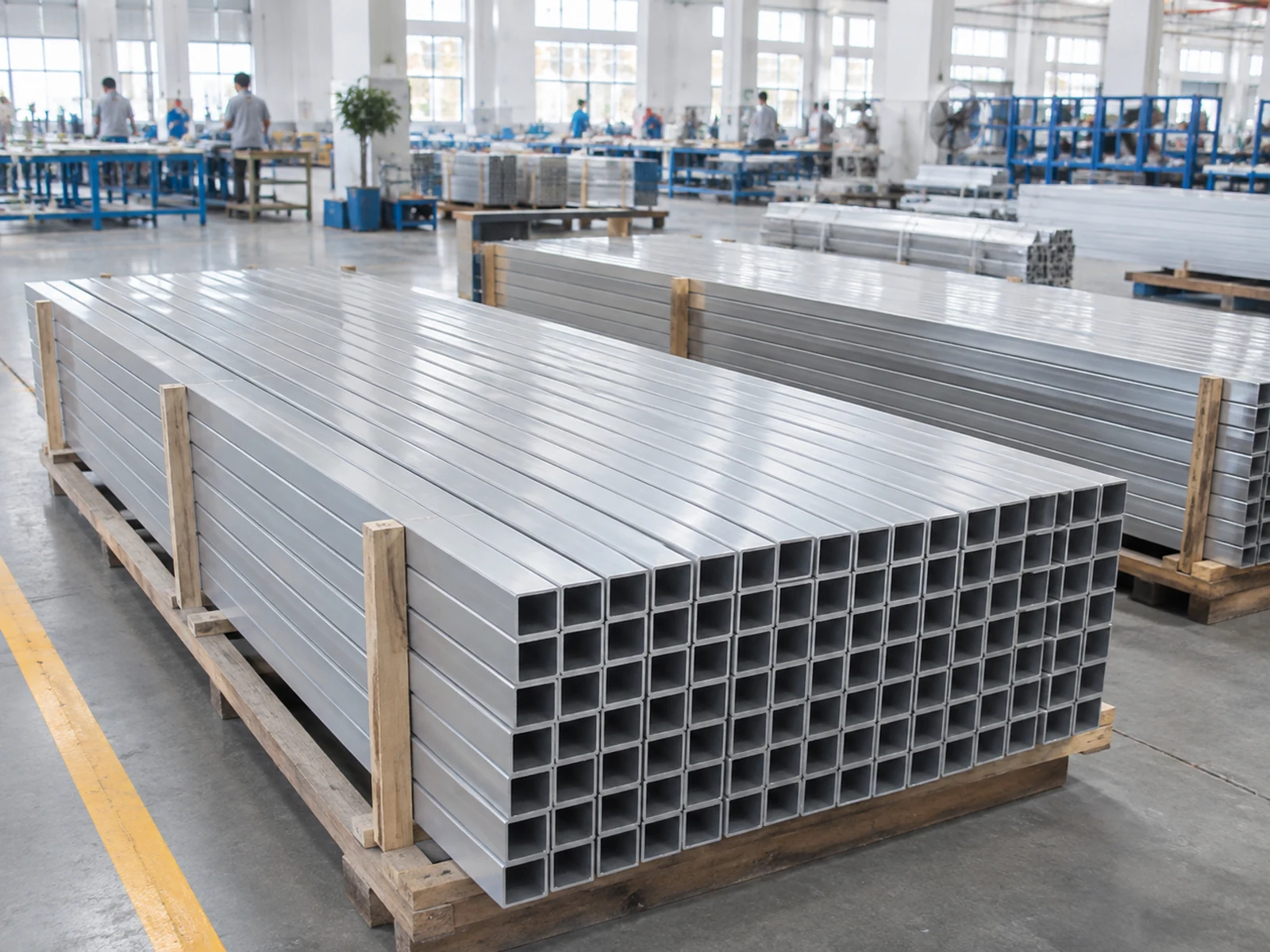
Why the same cycle can give different batch output
Now use the same illustrative setup for a smaller order. Keep the 20 minutes of setup and inspection fixed. Keep the combined machine and non-overlapping handling allowance at 24 seconds per piece.
| Measure | 25-piece batch | 100-piece batch |
|---|---|---|
| Fixed time | 20 min | 20 min |
| Machine + handling | 10 min | 40 min |
| Total time | 30 min | 60 min |
| Accepted parts | 24 | 96 |
| Accepted per hour | 48 | 96 |
The machine cycle has not changed. The smaller batch spreads the fixed work over fewer pieces. This is why a demonstration of a long uninterrupted run may give an incomplete picture of a shift filled with small orders.
Use your normal order mix. Include frequent fixture changes, different sections and the delivery sequence you actually need. The profile changeover guide explains how to record the transition to the next accepted first piece.
Build a timing record you can use again
A useful aluminum cutting cycle time record ties the stopwatch result to the part and configuration. Another person should be able to understand what happened without watching the original demonstration.
- Identify the job: part ID, drawing revision, section, stock length, finished length and quantity.
- Define the boundaries: state when batch timing starts and finishes, and how one machine cycle is recognized.
- Record the setup: machine configuration, fixture, feeding supports and collection arrangement.
- Separate the counts: pieces produced, accepted parts, rejected parts and any pieces awaiting inspection.
- Log interruptions: note the reason and duration, including adjustments, replenishment and handling delays.
- Keep operator work visible: record manual actions and any work that overlaps machine operation.
Choose the acceptance checks before timing begins. A quick run with unchecked dimensions gives you a speed observation, not an accepted-output result. Use the sample-cutting trial guide to connect the timing record to the agreed part checks.
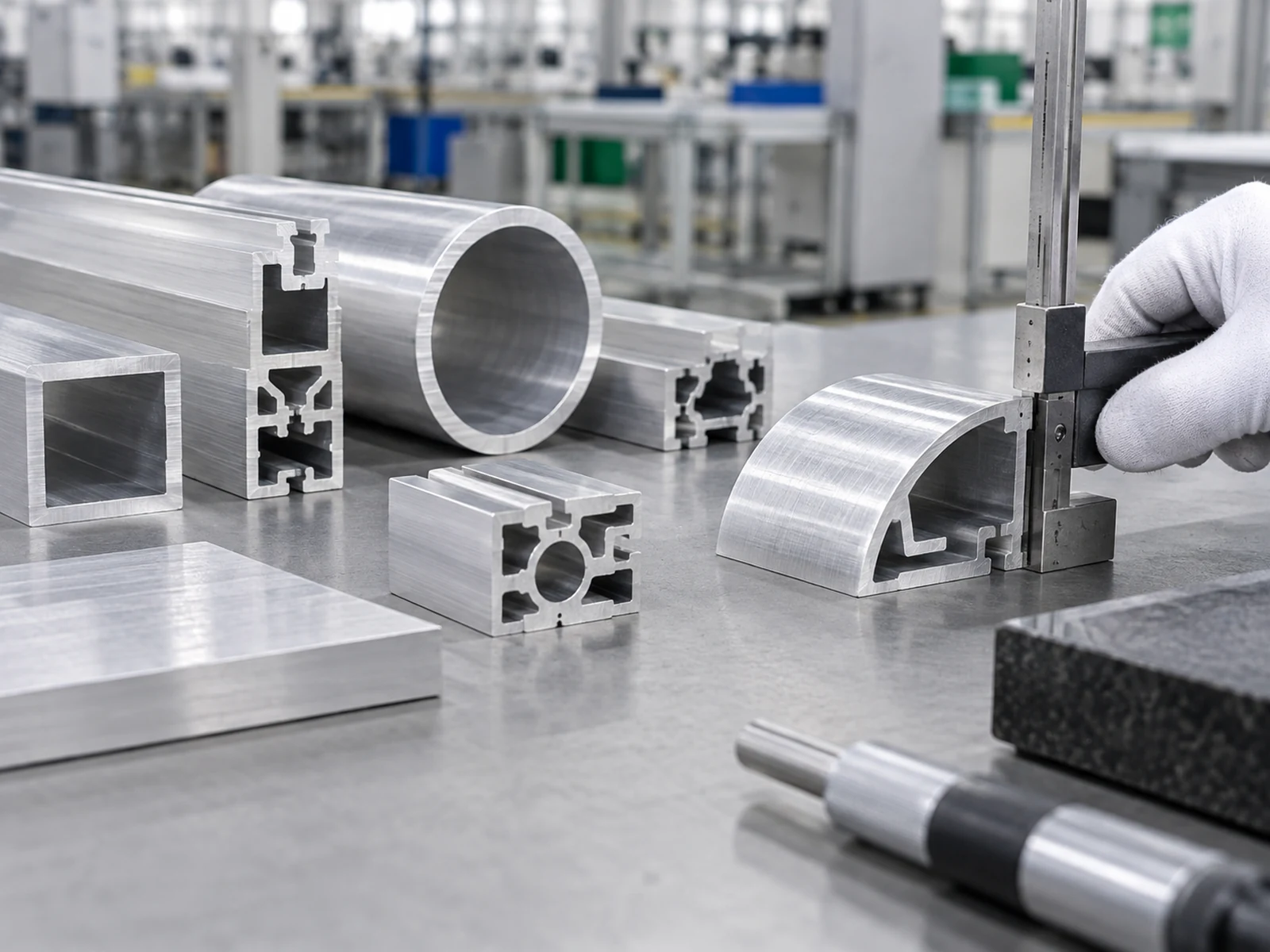
Compare the same work on each machine option
Send the same part mix and timing boundary to each supplier. Specify whether loading racks, infeed supports, discharge equipment and special fixtures belong in the offered configuration.
For a semi-automatic proposal, list the actions the operator repeats for every part. For an automatic proposal, check what happens before the first cycle and after the finished piece leaves the cutting zone. Compare both with the same staffing and inspection assumptions.
Observe feeding and handling in the channel demonstration below. Use it to frame questions about the sequence. It is a short operation video, not a timed full-batch acceptance test.
Finish with a comparison of accepted output, operator actions, changeover effort and equipment scope. Do not select a saw from an aluminum cutting cycle time figure alone. Your part, handling arrangement and quality requirements must fit the proposed cell.
Common questions
Can I calculate output from one cutting cycle?
You can calculate a steady cycle rate for the stated conditions. Confirm the number of parts made per cycle, then measure a complete batch to include setup, handling and inspection.
Should I count rejected parts in production output?
Keep total produced and accepted counts separate. Use accepted parts for the accepted-output rate, and record why other pieces were rejected or remain unchecked.
Is the example a capacity claim?
No. All times and counts in the calculation are illustrative. A capacity discussion requires your parts, the proposed configuration and an agreed representative trial.
Discuss your actual batch
Send your part drawing, typical batch size and the manual steps you want to reduce. Add any aluminum cutting cycle time measurements you already have, with their start and finish points. JiurunCut can review the production mix and discuss a configuration and trial plan.
References and scope
Time terminology: Lean Enterprise Institute, Cycle Time. Operator and machine work can overlap; see its standardized work explanation. The batch calculations are original illustrative examples. Images show process concepts and do not document the calculated trial.