
Aluminum busbar blanks need a clear boundary between a cut piece of conductor stock and a finished electrical component. A cutting supplier needs the approved material, blank dimensions, protected faces and delivery stage. The electrical design owner defines the conductor and assembly requirements.
A familiar rectangular shape does not make ordinary aluminum flat stock an approved busbar. Start with the specified material and drawing, then explain what cutting must deliver. This guide organizes that conversation into five handoffs, with a simple example of how a blank can be confused with a finished part.
Before requesting a cutting quote
- Name the approved conductor material and its required evidence.
- Distinguish the cut blank from the drilled, bent or finished component.
- Mark contact faces and define who owns their final preparation.
On this page
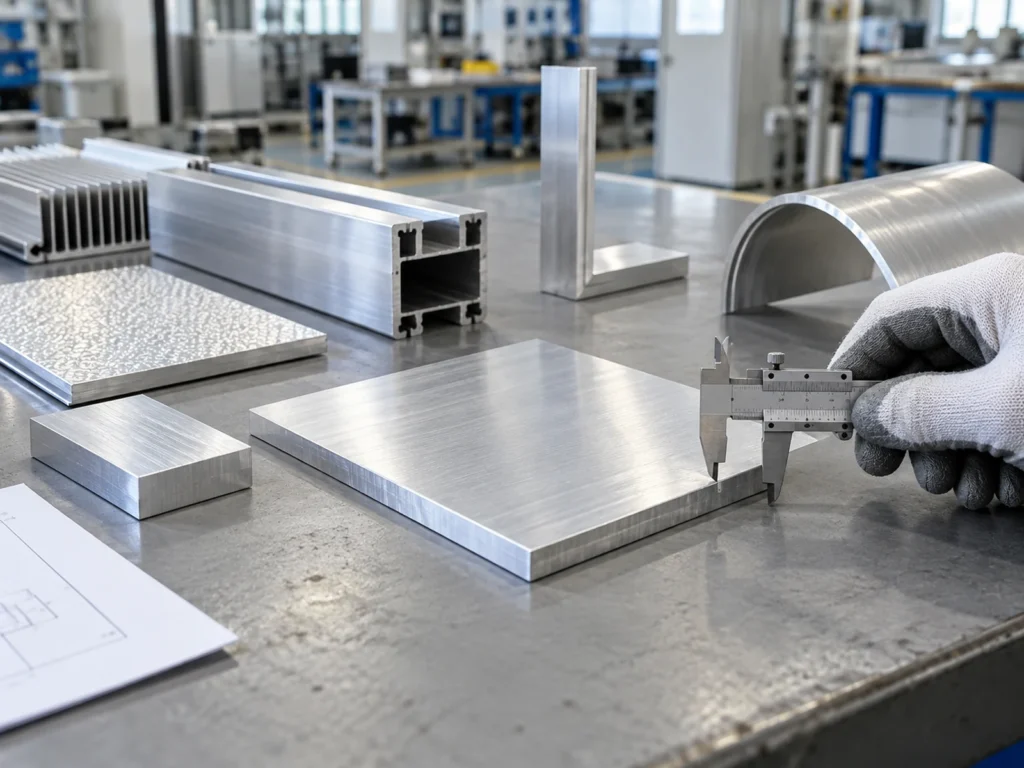
1. Aluminum busbar blanks start with an approved material
Write the complete material reference on the RFQ: alloy, temper, stock form and the specification or approved drawing that controls supply. If a material report is required, define the document and the link between it and the supplied batch.
Hydro’s busbar and tubular conductor overview identifies alloy, temper, conductivity targets, dimensions, finish, tolerances and packing as specification fields. It also describes several fabrication stages. This supports treating conductor supply as a defined package rather than ordering by shape alone.
For the buyer, the practical action is to bring the approved material requirement into the cutting order. Do not let a supplier substitute a convenient structural alloy because it has the same width and thickness. Any proposed alternative needs review by the person responsible for the conductor design.
Keep the reference in the material certificate record and the receiving documents. An unidentified sample or a photograph of a silver bar cannot establish alloy, temper or electrical suitability.
2. Define the blank dimensions at the supplied stage
Does the order cover straight cut blanks, blanks with holes, formed pieces or finished assemblies? Write one supplied stage beside the part number. Then identify the drawing revision used at that stage.
For straight aluminum busbar blanks, define the cut length, its endpoints, permitted variation and required end condition. Keep width and thickness tied to the stock specification. A final assembly drawing may contain dimensions that cannot be checked on the straight blank.
For example, a later bend can make a finished overall dimension different from the straight cut length. The drawing owner must provide the approved blank definition or development. The cutting supplier should not derive it from a picture or guess an allowance.
Use our machining allowance guide when a later operation removes material. Agree which dimension applies before that operation and which applies afterward. Keep the two acceptance stages separate.
3. Mark contact faces and define cut-edge condition
Identify the faces that will become electrical contact areas. Mark them on the controlled drawing or an approved face map. Explain which surfaces may be used for handling or locating, and what protection is required during cutting and shipment.
Hydro’s overview discusses joint surface preparation as part of busbar use. The procurement implication is that a cut edge, a broad stock face and a prepared joint face can have different roles. A general instruction such as “make every surface smooth” does not define those roles.
Ask the design owner to state the required final condition and the responsible operation. Avoid an informal instruction to sand, coat or polish an intended contact face. A cosmetic change is not automatically an approved electrical contact preparation.
Define edge treatment in the cutting scope as well. If deburring is included, identify the relevant edges and the drawing requirement. A generic “burr-free” promise does not tell the buyer what edge break or finish will be supplied.
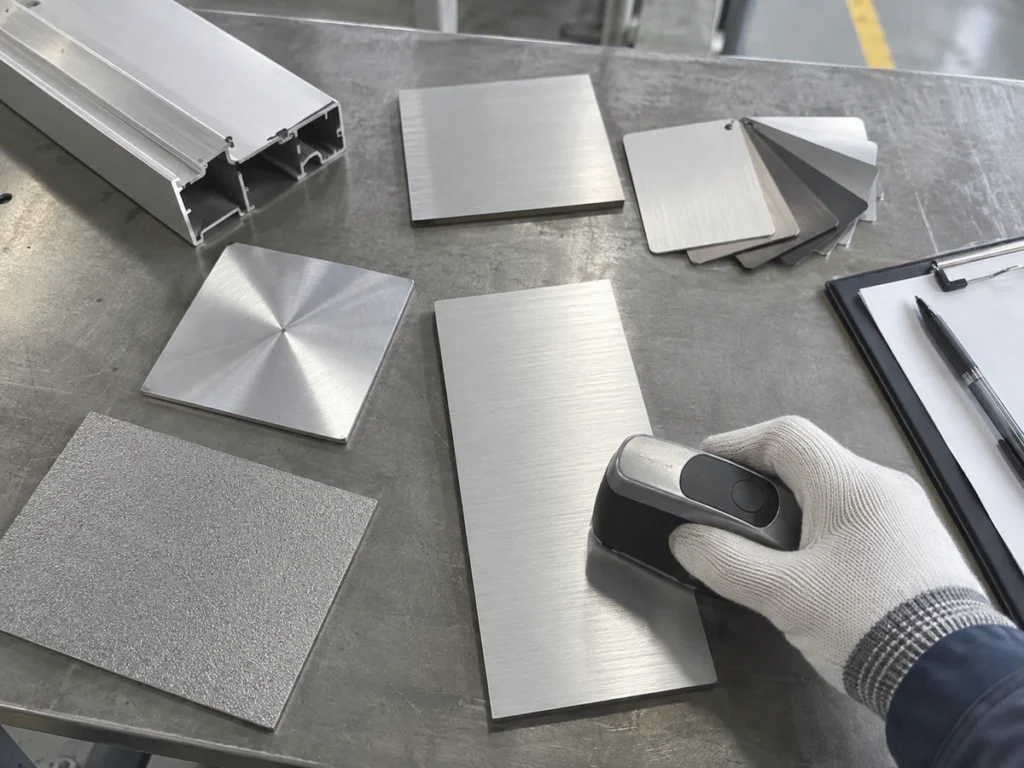
4. Assign the later operations before cutting starts
List the work that follows cutting, such as drilling, punching, forming, machining, surface treatment or assembly. For each included stage, identify the responsible supplier and the drawing or process reference they will use.
Storm Power Components’ capabilities page presents fabrication, finishing, electrical testing and assembly as distinct capability areas. That separation is useful when checking an order’s boundaries. A supplier’s cutting capability alone does not show that every later stage is included.
For aluminum busbar blanks, ask whether the quote ends at cut-and-deburr or includes another operation. Also identify what must be protected for the next supplier. A contact area prepared later may need a different handling instruction from an area already in its final condition.
Do not use a dimensional acceptance of the blank as release of an electrical assembly. The qualified design and assembly owners define the later verification and release requirements. Keep those responsibilities visible in the routing and the purchase scope.
| Supplied stage | Question to resolve |
|---|---|
| Cut blank | Which dimensions and edges must be accepted now? |
| Drilled or formed piece | Which approved drawing defines the added features? |
| Finished component | Who controls surface treatment and final release? |
5. Preserve the identity of aluminum busbar blanks
Carry the part number, revision, supplied stage, material reference and batch identity into the shipment record. Separate parts that look similar but differ in material, length or later processing. Define how the packing list connects packages to those records.
Agree protection for the marked faces and edges. Put the packing instruction in the order instead of relying on a warehouse to infer it from appearance. If tags or markings are restricted on certain faces, show the permitted location.
State the count that matters at handoff: accepted blanks at the specified stage. Keep held pieces, unused stock and later-stage parts outside that number. This makes the receiving team less likely to release the wrong material to the next operation.
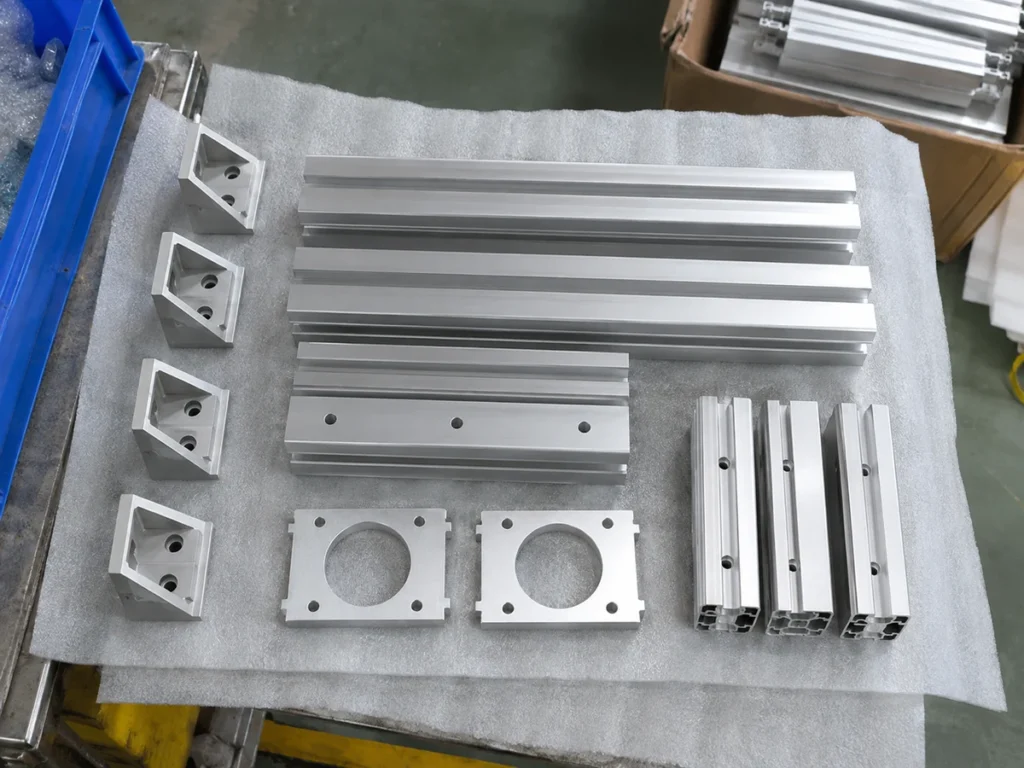
A fictional order mismatch: P40 is not ready to install
Imagine that part P40 has an approved straight-blank drawing and a separate finished-component drawing. The cutting order requires 100 straight blanks. Holes and the specified final surface preparation belong to later operations.
The delivery contains the correct blank quantity, but its packing list describes P40 as “finished busbars.” That wording can misdirect receiving even if the cut lengths are correct. It hides the remaining operations and the release stage.
A clearer record says “P40, straight cut blank, drawing revision C, 100 accepted at blank inspection.” The routing then identifies the later work and its owner. These are fictional identifiers and quantities, not a production result or an electrical approval.
Buyer questions
Can I order aluminum busbar blanks by width, thickness and length only?
Those dimensions do not define the conductor material or supplied stage. Include the approved alloy and temper, controlling specification, surface requirements, inspection scope and batch evidence.
Does a good saw-cut finish establish electrical suitability?
No. Cut appearance and dimensional checks do not establish conductor performance or joint suitability. The design owner specifies the required material, contact preparation and later verification.
Should the cutting supplier choose the busbar alloy?
The supplier can identify proposed supply options. The conductor design owner must approve the material and any substitution before it enters the cutting order.
What should I send for a cutting-machine review?
Send the approved stock definition, straight-blank drawing, batch quantities and handling requirements. Use our machine RFQ checklist to organize the cutting scope.
Contact JiurunCut with those documents to discuss the aluminum cutting requirement. Keep electrical design and final assembly release with the responsible technical owner.