
Adhesive bonding of aluminum should be specified as an assembly process. Choosing an adhesive name comes after understanding the parts, surface condition, joint requirements and use environment. The cutting drawing is one input in that larger review.
For an industrial RFQ, give the bonding supplier enough information to propose and validate a process. Keep adhesive product data, prototype results and production acceptance records clearly identified.
On this page
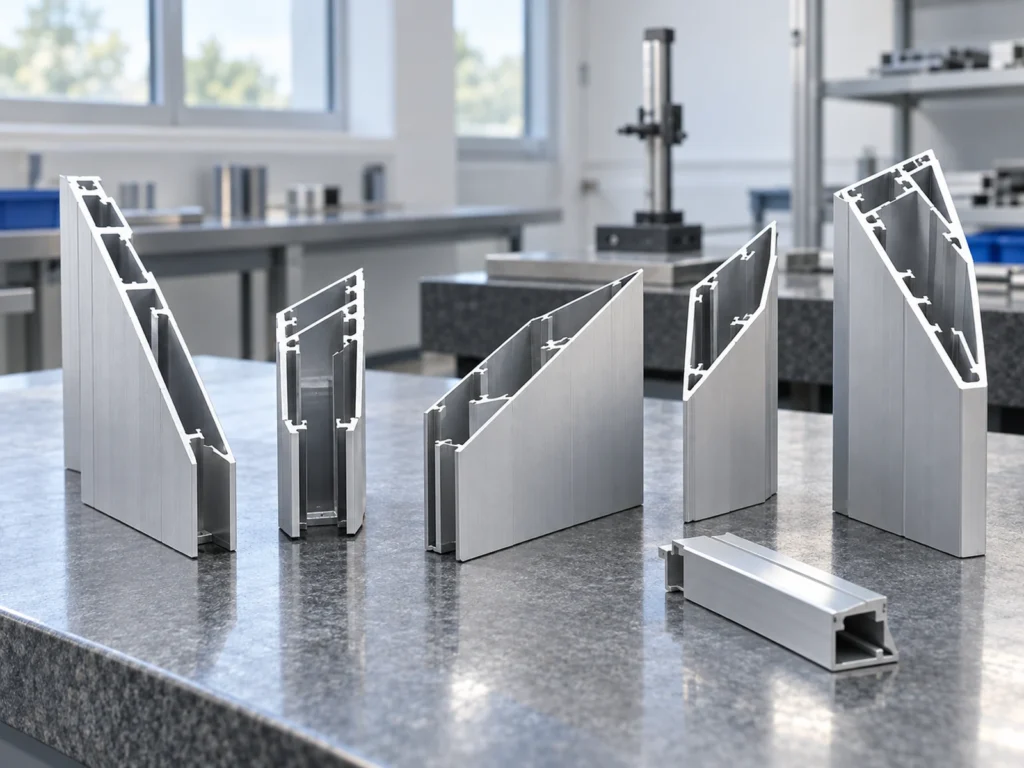
Adhesive bonding of aluminum starts with service conditions
Describe the intended use, operating environment and required life in the project documents. Identify the loads and exposure conditions that the responsible designer expects the assembly to withstand.
The 3M structural adhesive FAQs explain that temperature exposure needs context: magnitude, duration, frequency and the load present during exposure all matter. Surface preparation and adhesive selection also depend on the complete performance and process requirements.
Put those conditions in the inquiry rather than asking for the “strongest glue for aluminum.” Two applications using the same metal may need different process reviews and evidence.
Separate known requirements from open questions. For example, mark the service environment as confirmed while identifying the proposed cleaning and joining sequence as awaiting the supplier’s review. This makes assumptions visible before they become part of a price comparison.
Show the complete joint, including both parts
Send the assembly drawing and component drawings together. Identify the intended bonding faces, overlap or engagement geometry, gap requirements, datums and any nearby features that affect assembly access.
3M’s two-part epoxy white paper discusses joint configuration and the different effects of shear, tension, peel and cleavage. That supports a practical RFQ rule: the joint’s geometry and loading belong in the review with the adhesive.
Ask the responsible designer and bonding specialist to confirm the proposed connection. Do not use a general product comparison to set a universal overlap, bond-line thickness or allowable load.
If a drawing changes the contact faces or fit, request another review of the affected process assumptions. The butt versus miter joint guide helps organize the geometry discussion, while the bonding supplier determines the requirements for the actual connection.
Identify the surfaces that will actually be bonded
List the material and finish on each side of the joint. Specify whether the aluminum arrives with a mill finish, anodized finish, coating or another agreed treatment. Include any relevant protection or processing already applied.
TWI’s aluminum bonding pretreatment FAQ describes several process families, including mechanical, chemical, electrolytic and plasma methods, as well as primers. It says the appropriate choice depends on the end application and material grade.
Request a proposed preparation process for the actual surfaces. A finish selected for appearance is not automatically a complete bonding preparation instruction. Agree who prepares each face and how its identity is controlled.
If the quotation permits substitute finishes or materials, ask whether they need additional review. Keep an approved change linked to the component revision and trial record.
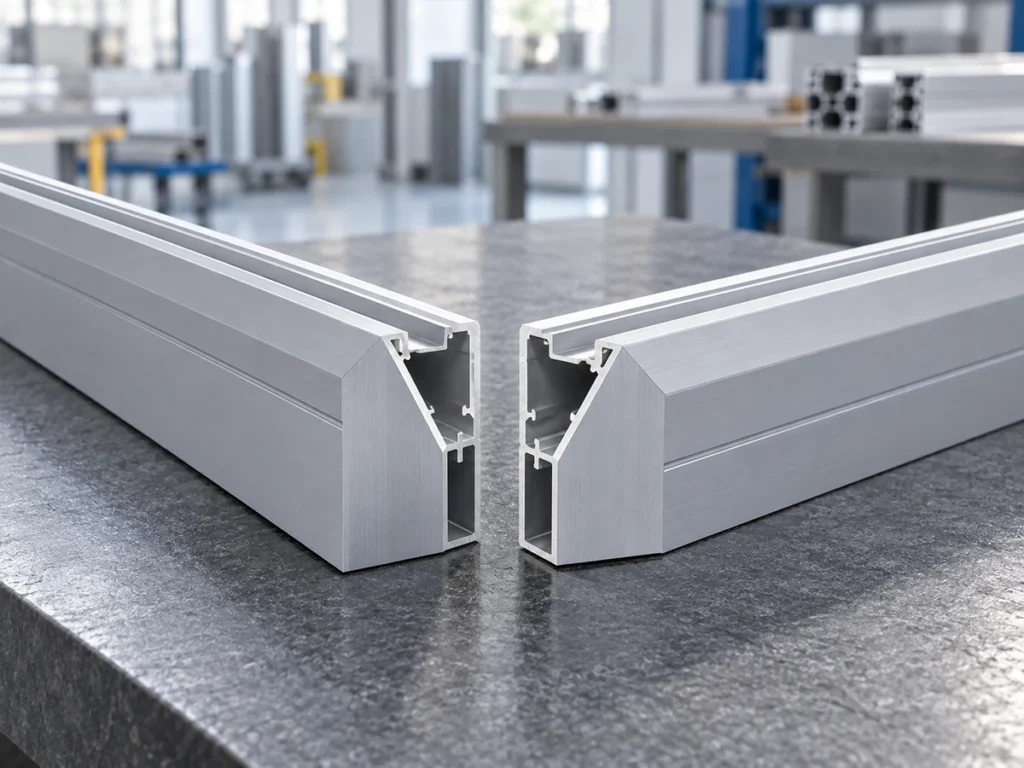
Describe the assembly process before selecting a fast cure
The 3M white paper separates work life, handling strength and final cure. These describe different stages. It also notes that formulation and temperature influence timing, and that the bonded assembly needs a suitable fixture period before downstream handling.
Tell the supplier how parts are positioned, when the joint is closed, what holds the assembly and which operation follows. Ask the supplier to define the relevant timing and conditions for the selected product and process.
| Process question | Information to agree |
|---|---|
| When must the parts be assembled? | The permitted sequence and working period for the specified adhesive. |
| When may the fixture be released? | The handling condition needed for the next operation. |
| When is the assembly ready for release? | The agreed cure condition and required acceptance evidence. |
Compare those stages separately. A short handling time should not silently become a promise that the assembly is fully cured or ready for its service load.
For mixed production, identify changes in part size, joint access or handling sequence. Request a clear explanation of which product families the proposed process covers.
Agree validation evidence beyond the data sheet
3M explains that technical data sheets help compare adhesive products but do not guarantee performance in the buyer’s design. Validation testing is needed for the application. Treat a published data-sheet result as a result under its stated conditions.
Ask the bonding specialist to propose the validation scope for the actual joint, surfaces and use conditions. Identify the specimen or prototype, preparation, process, acceptance requirements and records to be supplied.
A trial should have a question to answer. Is it reviewing assembly access, the agreed surface route, dimensional fit or a specified performance requirement? State that purpose before deciding what evidence to collect.
Keep prototype findings separate from routine production release. If the material, finish, adhesive or process changes, ask which parts of the approval basis need review. Use the first article inspection guide for component identity and the sample approval guide for the agreed review scope.
Prepare a useful cutting handoff
Send the cutting supplier the confirmed section, finished lengths, end angles and dimensional datums. Identify bonding faces and the planned next operation. Ask what representative stock or cut samples are needed to review the setup.
Keep visible-surface protection and bonding-face preparation as named requirements. Our surface handling guide helps organize contact and collection questions without replacing the adhesive supplier’s process instructions.
Use cut-list revision control to maintain the part identity. Send JiurunCut the section and cut-part drawings to discuss the cutting stage and sample requirements.
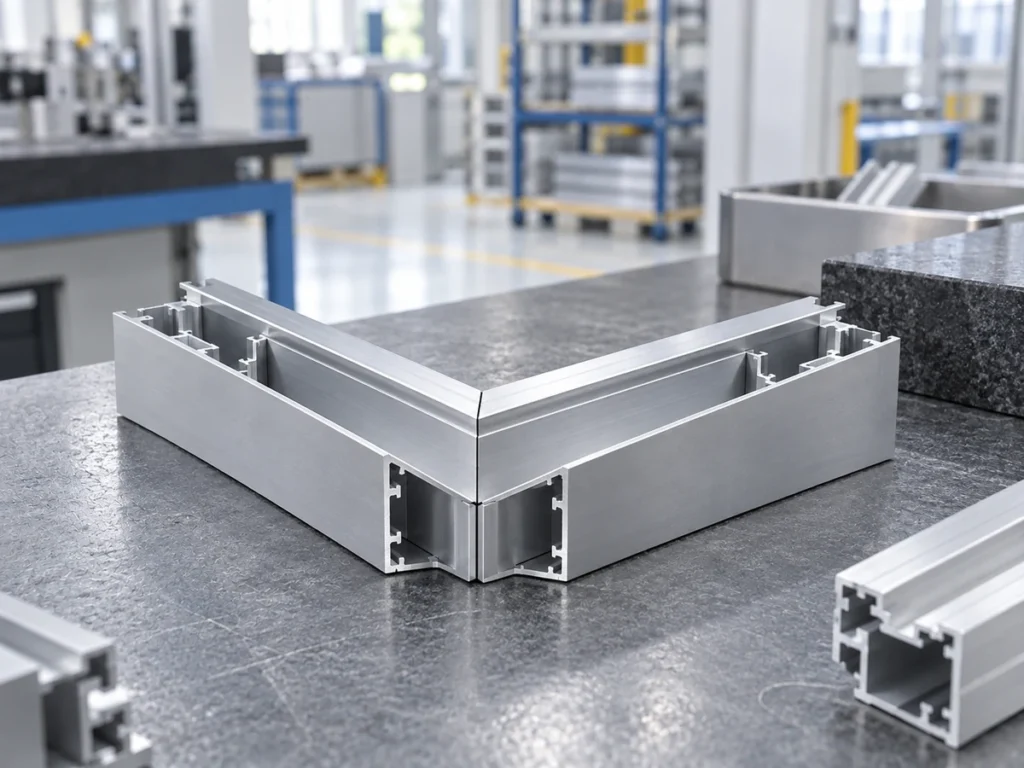
Questions buyers ask
Can one adhesive be specified for every aluminum finish?
Ask the bonding supplier to confirm the actual materials, finishes and application. Keep any permitted alternatives within the agreed validation scope.
Is handling strength the same as full cure?
They describe different process stages. Request the timing and conditions for assembly, handling and release for the selected product.
Does a high data-sheet strength approve my joint?
No. Product comparison data needs its test context. The actual design and process require the agreed validation and acceptance evidence.
What should the cutting inquiry contain?
The current profile and cut-part drawings, dimensions, datums, bonding-face identification and the planned preparation sequence.