
A camera can show an aluminum saw cycling through a cut. When the call ends, the buyer still needs to know whether the measured piece came from the agreed stock, on the quoted machine, under the recorded setup. A remote aluminum saw FAT is useful when those links are visible and documented. It cannot turn an edited demonstration clip into acceptance of a shipment.
Decide the acceptance boundary before booking a call. The factory test can check the assembled machine and a defined cutting trial at the supplier’s site. Installation, utilities, integration and production with the buyer’s own material may need separate site checks. The contract and approved test plan, rather than the camera, determine what can be signed off.
Remote aluminum saw FAT: start with machine identity
Put the purchase order, agreed configuration, machine serial or build identifier, blade specification, fixture list and current drawing revisions in one test packet. Ask the operator to show the machine identifier and relevant installed options at the beginning of the live session. Record any difference between the quoted configuration and the machine in front of the camera. A promotional video of the same model family cannot establish that the particular shipped unit contains the same options.
Set a camera route in advance: overall machine, control display, stock loading, guarded cutting zone, outfeed and sample measurement. A stationary wide view confirms continuity, while a second close view can make a screen, label or gauge readable. If the connection drops during a critical step, repeat that step with the sample and setup still identifiable. Do not infer an unseen measurement from the operator’s spoken result.
Make the sample follow the cut
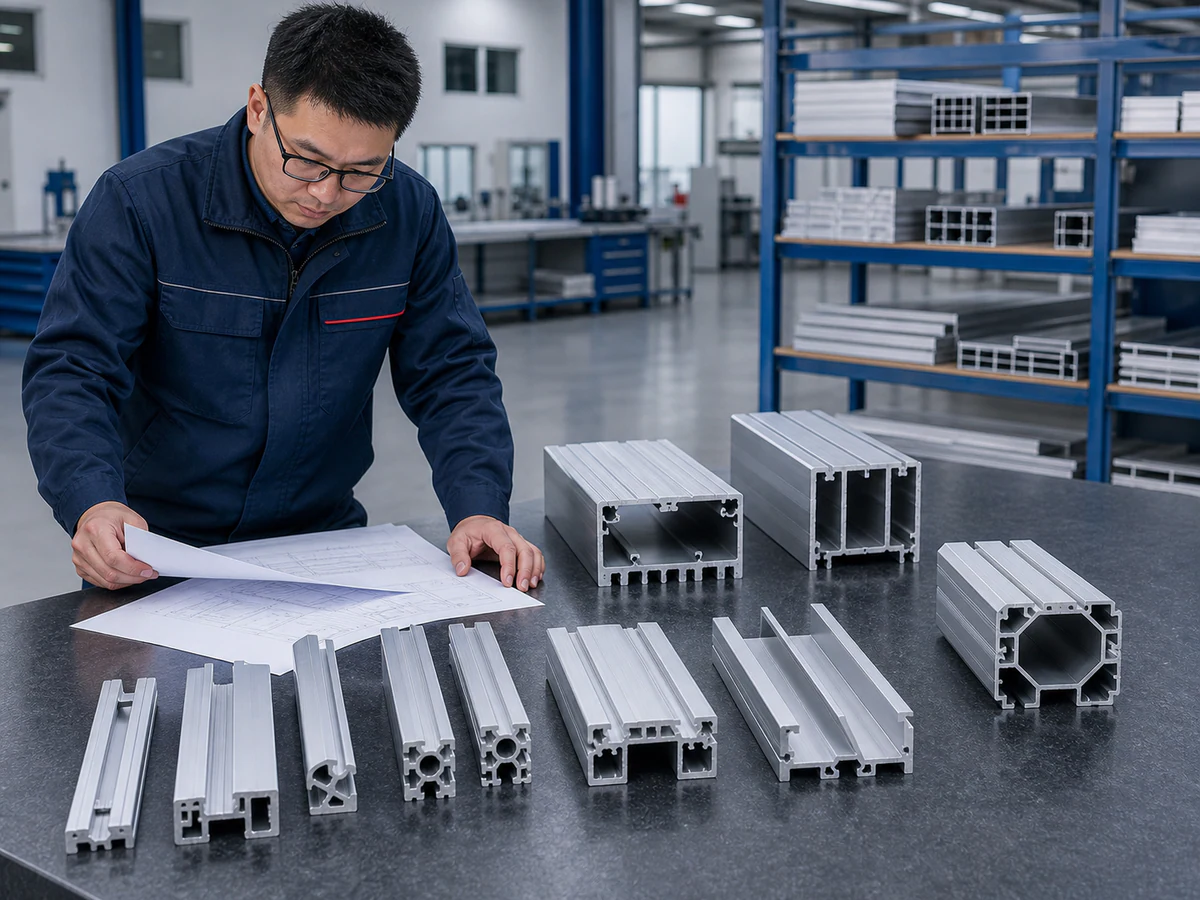
Before running the remote trial, agree which profile sections, material conditions, lengths and incoming stock forms represent the order. Give each sample a unique ID that can be read on camera and in the measurement sheet. Record the stock ID, drawing revision, orientation, blade and fixture setup, program or stop setting, cut sequence, and the operator who handled it. If a substitute profile is used to demonstrate motion, mark that demonstration separately from the accepted-part test.
The camera should show the actual stock entering the saw, its permitted support and clamp faces, and the first cut leaving the machine. Keep the sample in view or use an unbroken handoff with its ID visible when it moves to the gauge. Ask for a first piece and a short repeat set agreed in advance. The buyer’s drawing supplies the allowed length and end-condition limits. A catalog statement about machine positioning is not a measured cut-part result.

Do not require an operator to approach a running blade to improve the picture. Plan close views while the machine is in its safe state and follow the supplier’s operating procedure. A remote witness can request a better view; the onsite team controls safe machine operation.
Which results can a remote witness actually approve?
Split the test sheet into three columns: what is visible live, what must be measured or exported, and what will be checked after delivery. Live video can show a machine cycle, gross handling, guard position and the sequence of a declared fault demonstration. A close camera may show a gauge reading, but the signed record should still identify the instrument, method, sample ID, actual reading and drawing limit. Exported controller settings or alarm logs need a file identity and version so the buyer can match them to the demonstrated configuration.
For each result, have the witness say whether it passed, failed or remained untested. A pass needs the acceptance criterion and evidence in the same row. A blurred screen, missing gauge view or unlabeled part is an unresolved item. The supplier can send a clear still image or measurement record afterward, but the buyer should not label that later evidence as witnessed live unless it was. Keep recordings only under the agreed document and confidentiality terms; the acceptance report is the durable decision record.
ABB’s description of online FAT is an example from motor and generator testing: a live camera feed can be paired with intermediate test results and personnel available for questions. It shows a remote-witness method, not a JiurunCut saw test or a guarantee that every requested measurement can be seen through one camera.
Resolve a failed view before calling the trial complete
Imagine that the saw completes five clean cycles, but the last two pieces are carried offscreen and the inspector receives only a typed length list. The footage proves the machine ran. It does not connect those readings to the cut pieces. The practical fix is to repeat the measurement handoff with visible sample IDs or obtain an agreed independent inspection record. A fresh video of more cuts alone does not close the missing traceability.
Use the same reasoning for a configuration mismatch. If the quote included a particular outfeed or control option but the camera shows a different arrangement, record the variance, its effect on the test and who may approve the change. Leave the affected criterion open until the correct equipment or an authorized revised scope is tested. The punch list should name the owner, corrective action and recheck evidence rather than disappearing into a general promise to fix it.

Keep factory approval separate from site release
A remote factory session cannot demonstrate the buyer’s floor, power, compressed air, stock handling, upstream and downstream interfaces, or operator training after installation. List those as site acceptance items with their own owner and due point. The machine may be released for shipment after an agreed factory result while production release remains open. State that distinction in the approval email and the contract milestone.
The ISA-105 overview distinguishes factory acceptance, site acceptance and site integration testing for process-industry automation. Its scope is not an automatic standard for an aluminum saw; it is a useful reminder to assign different evidence to different locations. Our factory-versus-site acceptance guide addresses that boundary in more detail, while the acceptance measurement guide helps define gauges and cut-part readings.
What the equipment video can show
The Jiurun Machinery video below shows a JR-650CNC-3A-1S aluminum cutting machine and a long-profile feed path as an equipment example. It is hosted on our own channel and plays as a public video. It is not a live remote FAT, the machine offered to a particular buyer, a verified material or configuration, a measured part result, or permission to sign a shipment release. Use the footage to discuss what a buyer would need to see live in a real test.
Send a test plan that can be answered
When asking JiurunCut about a remote aluminum saw FAT, send the released part drawings and representative stock details, the quoted machine and options, the factory acceptance criteria, the requested witness date, and the measurements that need a close camera or independent record. Ask whether a live session is available for the proposed machine and what evidence the factory can provide. Identify site-only checks before you agree to a shipment milestone.
The buying decision is simple to state: approve only the machine, configuration, samples and criteria that the documented session actually covered. Record every untested or failed item for a named recheck. A remote view can shorten the distance between buyer and factory, but it cannot fill a missing sample identity or a missing measurement.
Sources and scope: ABB Remote FAT example; ABB Online FAT method; ISA-105 FAT/SAT overview. These explain remote witnessing and test-stage separation. Customer acceptance limits, machine configuration and any remote-test service must be agreed for the actual order.