
Solar thermal collector aluminum frame cutting begins with a question about the collector’s construction: does the approved design actually use separate extruded rails? A flat-plate solar thermal collector is a finished assembly with glazing, an absorber, insulation, a back sheet, seals and mounting interfaces. A saw supplier can assess a released aluminum member blank. It cannot infer that blank from a panel’s overall height and width, and a successful saw cut does not qualify the completed collector.
The distinction is real. Apricus describes extruded aluminum rails forming the outside framework of one flat-plate collector design, while also identifying the separate glazing, absorber, insulation and back sheet. Viessmann describes a one-piece wrap-around aluminum frame for another design. These are architecture examples, not Jiurun customers or evidence of compatibility with a particular machine. Start from your own current, approved collector drawing before asking for a saw quotation.
First decide whether a cut-rail RFQ is appropriate
For a rail-built design, the purchasable saw output may be four straight frame members, separate battens or cover strips, or a labeled kit of several lengths. For a one-piece formed or wrapped frame, a four-rail saw quote may be the wrong production route. A buyer should identify who owns the frame architecture and whether the extrusion drawing and joining method are released for production. If they are not, request a design decision from the collector OEM before choosing a cutting machine.
Do not use a photovoltaic module frame drawing as a substitute. Solar thermal and photovoltaic panels can both have aluminum edges, but the approved interfaces differ. The question for this article is narrower: which separate aluminum profiles, if any, leave the saw before collector assembly?
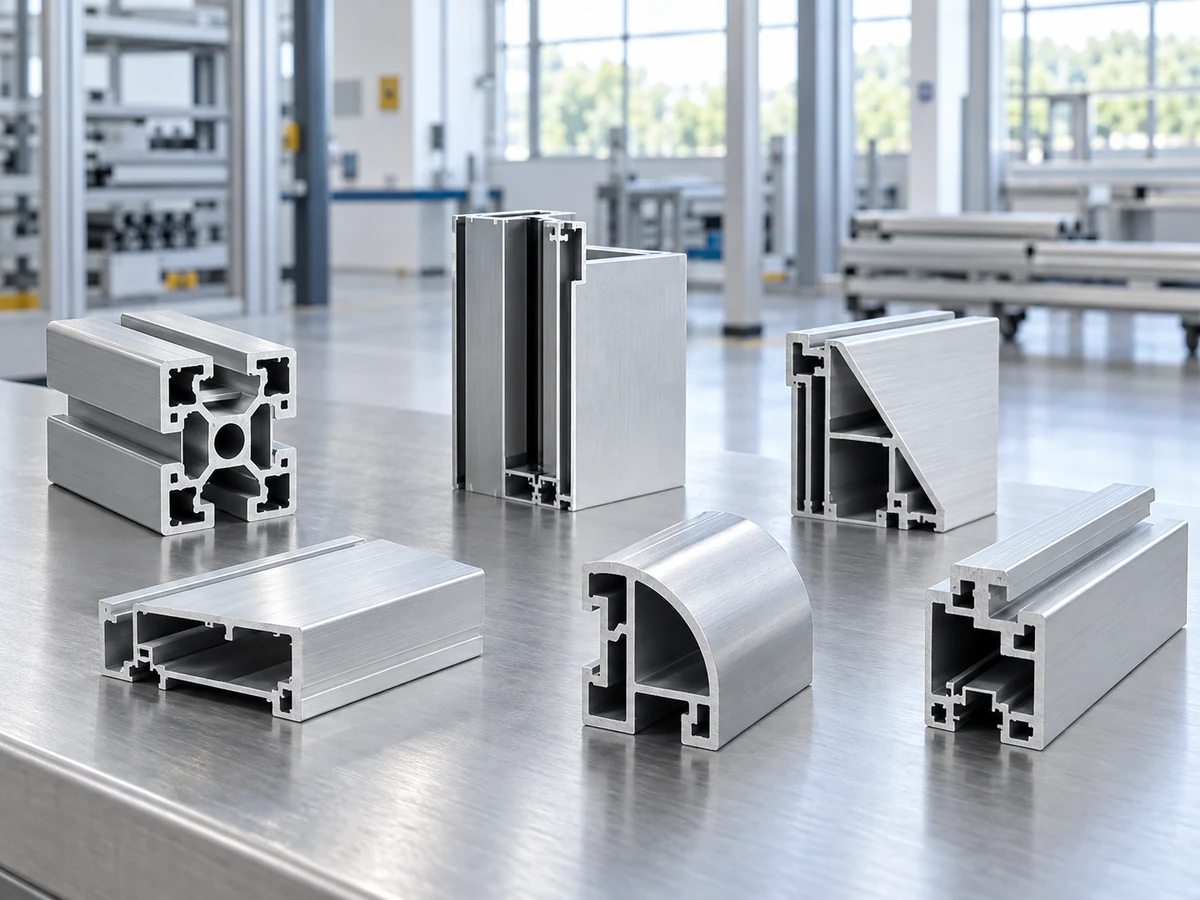
Seven checks before quoting solar thermal collector aluminum frame cutting
1. Name the approved member, not only the panel size
Provide the revision-controlled extrusion section for each frame rail, batten and cap strip that may be cut. Mark the item number, alloy and temper as specified by the design owner, supply condition, quantity per collector, and whether left and right members are interchangeable. If the supplier receives a mixed stock family, list every section rather than calling it one “aluminum frame.” A machine trial on one easy profile cannot represent a different thin-wall or multi-cavity rail.
2. Separate cutting from sealing and system qualification
Identify the features that the saw must leave intact: glazing support ledges, gasket channels, back-sheet seats, mounting wings and corner-joint lands where the released profile has them. State which later operation creates holes, notches, drain paths or mechanical joints. The saw RFQ should stop at the accepted blank or documented kit unless a separate downstream scope is expressly ordered. Collector weather resistance, thermal output and certification belong to the complete approved product, not the cut-face photograph.
3. Define the length datum and each end form
A finished outer dimension does not automatically equal a rail’s saw length. The drawing must identify the length datum, corner construction, joint allowance and end form for every member. State whether an end is square, mitered or left long for a later operation. Label any handed parts. If the incoming extrusion needs a first-end crop before the reference cut, include that stock allowance in the yield calculation; our first-end crop guide explains why the datum and material loss should be agreed before quoting.
4. Agree the finish sequence and protected faces
Ask whether the rails arrive mill-finish, anodized or coated, and whether cutting precedes or follows finishing. Define which visible faces may touch the guide, clamp, roller and handling surface. Set acceptance language for scuffs, crushed lips and exposed cut ends in the actual drawing or quality agreement. The saw vendor should not invent a finish tolerance or promise that a cut edge has the same surface treatment as a prefinished face.
5. Trial the real section and support it without changing its shape
Send representative stock from the released extrusion and record how it is located, supported and clamped. The trial should show the longest relevant member, the smallest retained piece, and any section with a vulnerable glazing or seal channel. Ask for a stopped setup view as well as the resulting part. A generic machine demonstration may show feeding and clamping principles, but it does not certify that a particular collector rail is safe or accurate on that configuration.

6. Inspect the first accepted cut as a part, not as a machine claim
For the approved sample, record the measured datum length, end angle where applicable, visible-face condition, slot or lip damage, burr location and corner-fit result. Measure at the features that matter to assembly rather than at a convenient outer edge alone. When a channel must remain open, the closed-groove profile guide offers a separate checklist; for the edge that meets a gasket or corner, use the drawing to decide whether any burr is acceptable. Our burr-direction guide shows why edge location matters to the next operation. Record the acceptance method before the test, not after looking at a favorable sample.
7. Specify kit identity and transport protection
State whether the supplier ships individual rails by length or complete collector-member kits. A kit label should identify the approved drawing revision and part numbers without suggesting that the finished collector has been tested. Separate pieces that can rub or dent a visible face. Agree how corner ends and thin sealing lips are protected, how rejected setup pieces are excluded, and where the receiver checks count and identity. These details affect the usable yield even when the saw itself cuts the requested length.

A concise RFQ package for a rail-built collector
Send one file set that an equipment supplier and your quality team can both read: the current collector frame bill of materials; each extrusion section and revision; rail cut lengths and end forms; stock length and supply condition; output volume and mix; protected surfaces; downstream joining and finishing boundary; the first-off measurement plan; sample material availability; and the required packing unit. Mark unknown items as open decisions with an owner. That is more useful than a photograph of a finished panel and a request for a saw “for solar collectors.”
For example, an RFQ could ask for a trial of two straight rail profiles with different cross sections, one square-ended long member and one mitered short member, then require an inspection record against the released drawings. The example specifies no promised machine capacity, achievable tolerance or collector performance. Those claims require the actual stock, machine configuration, measurement method and approved acceptance limits.
What a trial can and cannot decide
A representative cut trial can answer whether the proposed saw and fixture route feeds, holds and cuts your released extrusion without unacceptable deformation or handling damage under the agreed test conditions. It can also expose a missing datum or a weak handoff plan. It cannot establish glazing seal integrity, thermal efficiency, rooftop suitability or product certification. Those decisions remain with the collector design owner and the applicable assembly and test process.
Jiurun cutting-equipment video
The following video from the Jiurun Machinery YouTube channel shows another aluminum-profile cutting-equipment scene. It is general equipment context only. It does not show a solar thermal collector rail, an approved setup, a customer job or proof of collector performance.
Buyer questions to settle before a quote
Can a supplier quote from the collector’s outside size?
Only after the design owner converts it into released member lengths, end forms and datums. A complete collector dimension is an assembly result, not a saw program.
Does every flat-plate collector need a four-rail saw?
No. The cited manufacturer examples show different frame architectures. Confirm that the product you make uses separate cut extrusions before commissioning a rail-cutting trial.
What should be sent to Jiurun first?
Send the approved aluminum section drawings, cut list, finish condition, sample stock and acceptance method. Contact Jiurun with that package to discuss a representative cutting trial and a machine quotation for the actual retained blank scope.