
Acoustic pod aluminum frame cutting is one factory operation inside a much larger product decision. A pod builder may buy complete booths, receive prepared wall and door modules, or cut selected aluminum members from stock. Those routes require different saw capacity, fixtures, inspection and receiving work. The seven RFQ decisions below help a manufacturer describe the parts it actually retains, compare a representative cutting trial, and keep the completed pod’s performance responsibilities with the pod owner.
Construction varies by product family. Framery’s Gradus product catalogue, for example, lists aluminum frames and a door frame alongside steel exterior panels, glass, a steel/PET chassis and other systems. The ROOM Phone Booth assembly manual shows another maker’s door, fans and assembly interfaces. These are manufacturer-specific examples of scope, not drawings, material specifications, acoustic claims or approvals for a Jiurun customer. Use the released bill of materials for the pod you will build.
Seven acoustic pod aluminum frame cutting RFQ decisions
1. Draw the line between the pod, modules and loose cut members
First write down the purchased deliverable. A complete pod includes the enclosure, door, wall and roof systems, floor, ventilation, lighting, electrical integration and accepted product documentation. A prepared module could arrive with a frame already joined to its panel or glass. A cut-member order supplies named blanks only; the pod builder still joins, seals, fits and validates the finished product. The saw RFQ should cover only the aluminum stock that enters the retained cutting cell.
Make a route map for each pod model: bought complete unit, bought door or wall module, prepared aluminum frame kit, and loose extrusion. Mark the receiving point and who owns every later process. A door frame bought as an assembled module is not part of the same machine capacity calculation as a door-frame extrusion to be cut in-house. Avoid putting the whole pod envelope in the saw quote when the retained operation is only a subset of its members.

2. Release a model-specific aluminum member portfolio
Build a controlled matrix from the actual pod drawings. Give every retained aluminum item a part ID, pod model and revision, extrusion drawing, stock specification, blank length, end condition, quantity per unit, finish state and next operation. A single-person work pod and a larger meeting pod may share some stock but need different lengths, door-hand parts or module counts. Identify what is truly aluminum before sizing the saw. Panels, glass, PET absorbers, steel chassis items, fans, wiring and seals belong to their own routes unless an approved document explicitly assigns an aluminum cutting step.
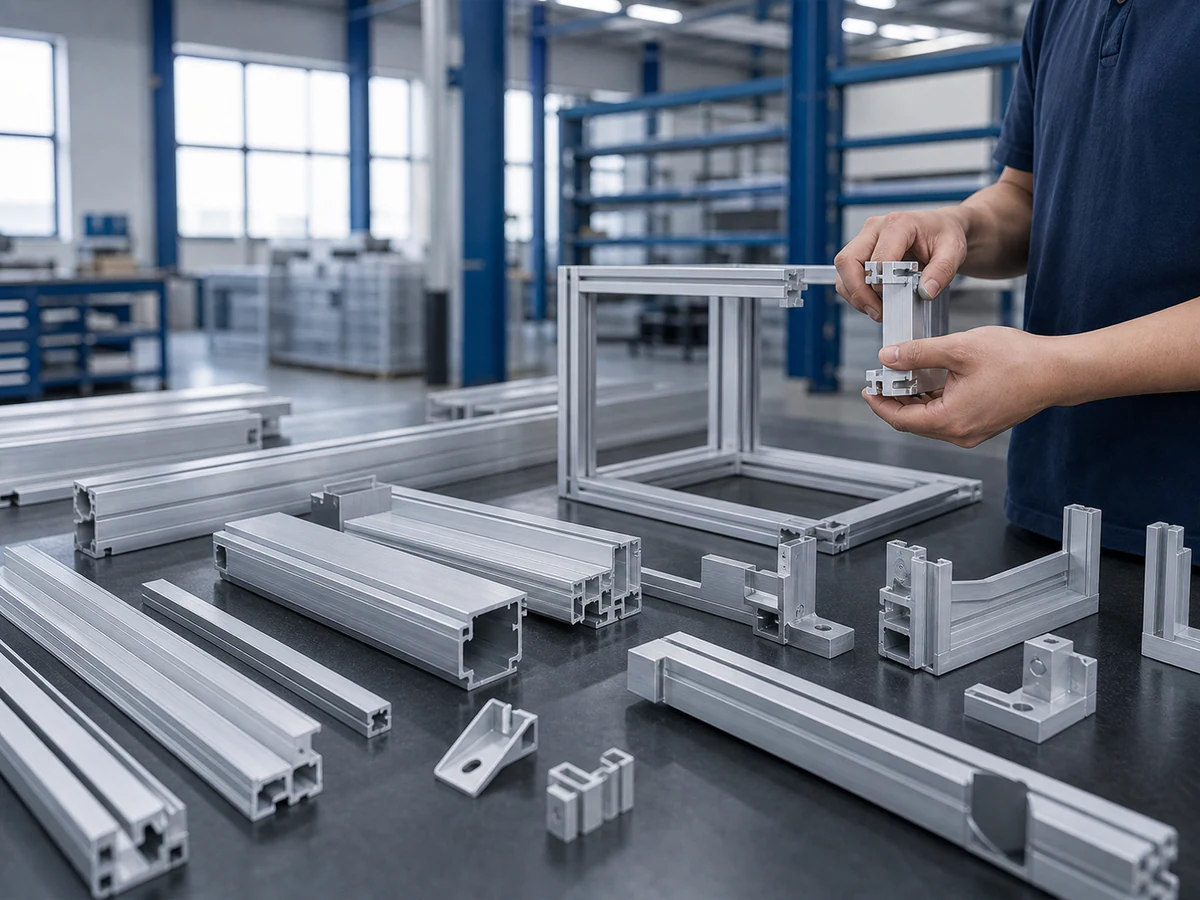
Separate perimeter rails, door jambs, glazing retainers, trim, roof or floor frame members and service channels only when the released bill of materials includes them. Some sections may be supplied formed, drilled, coated or already joined. Others may need a post-cut operation before assembly. The cut matrix must show the factory’s full eligible mix, including low-volume variants, rather than one attractive straight profile selected for a demonstration. The exact pod model and revision should be readable on each kit label and sample-trial record.
3. Specify datums, ends and handed geometry on the drawing
A saw cannot infer a member blank from the pod’s exterior dimensions. For each profile, state the measuring datum, support face, reference end and finished cut length. Show end A and end B separately, including any miter orientation, square end, notch allowance or downstream machining reservation. If a section has a glazing groove, seal channel or visible outer face, mark its orientation in a view that the operator and inspector can both use. Handed door-frame pieces need a clear left/right identity.
Record the design owner’s tolerance and inspection method at the component level. Do not transfer a catalog dimension, a glass opening or a wall-panel size into an aluminum blank length without the approved interface drawing. A frame joint may be mechanically connected, bonded or otherwise processed after sawing; those routes can require different end geometry. Resolve corner allowances and finish build-up before programming. If the pod supplier has not released these details, quote a controlled trial and drawing review rather than inventing production values.
4. State the input stock and finish stage
Send the actual extrusion cross-section, available straight length, alloy and temper when controlled, maximum section envelope, wall and projection details, and expected lot sizes. Tell the supplier whether stock is bare, anodized, powder coated, covered by protective film or already fitted with an insert. A coated visible face may need different contact protection and stacking than mill-finished stock. The machine review must also include the longest supported length and the shortest repeat item in the real portfolio.
List what follows the cut: deburring, drilling, corner joining, coating, panel fitting, glazing, sealing and packaging may be separate factory stations. Identify where a cut edge will be visible or concealed and what the receiving team will inspect. If a profile arrives prefinished, the trial must examine clamp marks and handling damage as well as length. A result on one uncoated section does not establish how a different coated or hollow section will behave.
5. Trial the difficult member and complete work cycle
Choose an approved sample from the actual retained portfolio: a large or asymmetric section, a delicate visible face, a handed or mitered end, or a short repeat part if those are production realities. Confirm machine opening, guarding, feed and outfeed support, fixture contact, stop datum, end orientation, chip collection and safe removal. Log the stock identity, setup used, first-off measurements, visual condition and rejected pieces. A generic machine demonstration is useful for learning how the saw works, but suitability for a pod member requires the pod maker’s sample and acceptance plan.
Compare the cycle from loading through identification and inspection. Include changeovers between section families, fixture swaps, first-off checks, offcut handling and kit segregation. Ask the supplier to show which members were actually demonstrated and which remain untested. If a formed, reinforced or preassembled part is outside the saw’s scope, route it separately in the RFQ instead of hiding it inside a target output number. The successful trial is evidence for a cut blank under its recorded setup only.
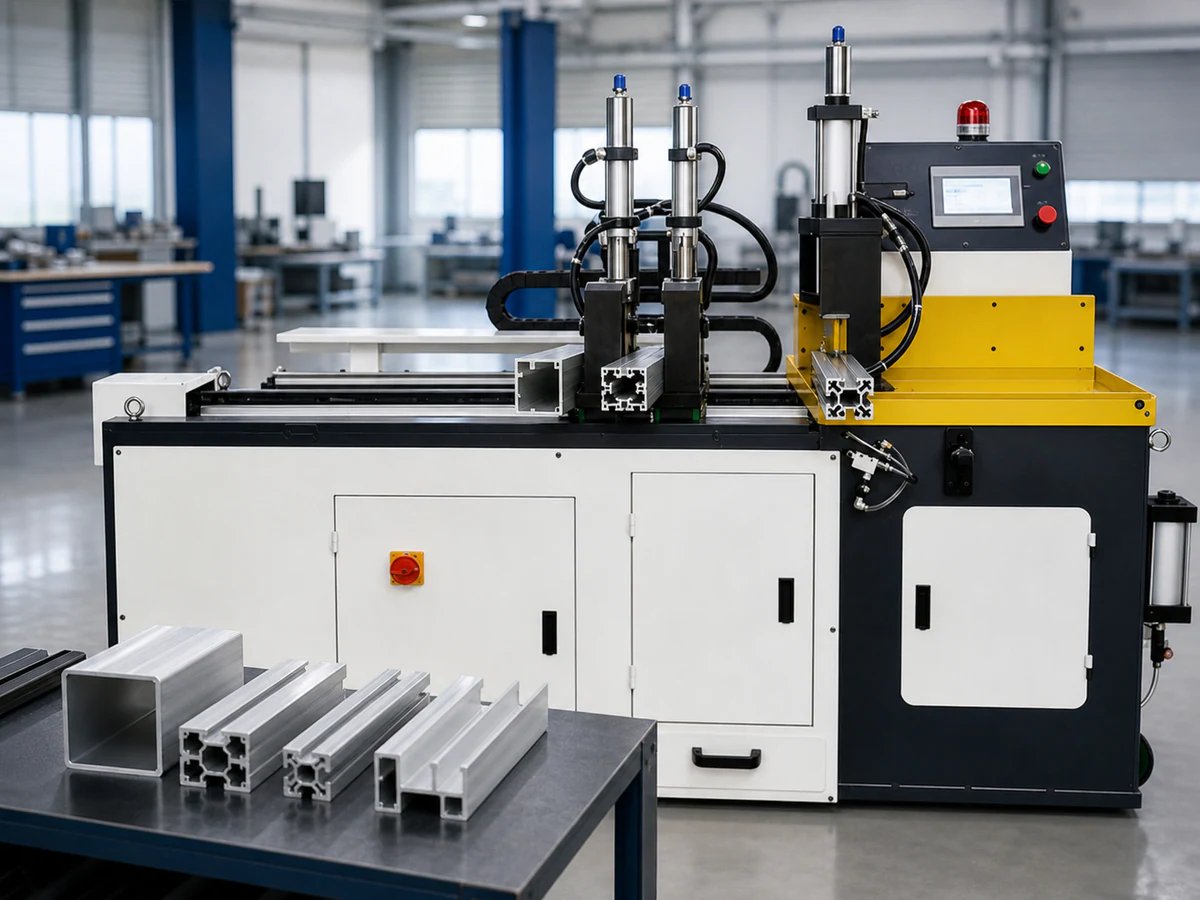
The Jiurun video below is an example of an industrial aluminum angle saw from Jiurun’s own YouTube channel. It shows equipment operation only. It does not show this article’s pod materials, released drawings, customer order, quoted configuration, sample trial, acoustic rating, ventilation performance or finished-pod safety.
6. Receive a complete, identified member kit
A batch of accurate cuts can still be missing a left-hand jamb, contain the wrong finish or belong to an obsolete pod revision. Define the kit ID at model and revision level, then list every required retained cut member and quantity. Keep handed pieces, visible-face classes, stock lots and module destinations separate. On receipt, count the parts, check end identity and dimensions under the agreed sampling plan, inspect protected surfaces, and match any required stock or process documents to the kit.
Decide who owns rework if a miter is reversed, a rail is damaged, an end is misidentified or a member is missing. The handoff record should distinguish a cut blank, a prepared frame, a fitted door module and an accepted complete pod. The pod manufacturer remains responsible for enclosure design, acoustic assessment, ventilation, electrical integration, accessibility, fire obligations, installation instructions and applicable compliance. A saw supplier should not turn a good first-off cut into a claim about those systems.
7. Compare machine cost at the same factory boundary
Require every quotation to use the same released member matrix and time period. Name the machine, blade and tooling, fixture/contact surfaces, stock supports, chip management, training, sample material, installation and change parts. Include labor for loading, programming, section changeovers, labeling, inspection and rework. If one quote covers only straight trim while another covers handed door members and sensitive finished profiles, their prices and cycle claims are not comparable.
Compare the alternative supply routes too. Buying finished pods removes much of the local frame work; buying prepared modules leaves a different saw workload than cutting every eligible extrusion from stock. Calculate the work retained at the actual factory, including downstream joining and component receiving. A lower cut time per piece is only one input to total cost. Do not infer acoustic, ventilation, electrical or completed-product performance from a saw quotation.
Copyable acoustic-pod frame saw RFQ
- Pod model, revision and supply boundary: complete product, prepared module, joined frame kit or loose cut members.
- Controlled list of retained aluminum members with part ID, extrusion drawing, stock material, section envelope and quantity per pod.
- For each part: cut length datum, end A/end B view, handed orientation, visible-face protection and inspection method.
- Stock finish stage, available lengths, permitted clamp contact and downstream operations.
- Representative trial samples, machine setup, changeover mix, first-off criteria and rejected-part disposition.
- Kit ID, count, labels, lot segregation, packaging, receiving plan and rework owner.
- Comparable quotation scope for fixtures, feed support, training, installation, labor and complete period costs.
Common buyer questions
Does a good cut establish a pod’s acoustic rating? No. It confirms only the specified member observation under the recorded conditions. The pod owner must validate the assembled product and its acoustic, ventilation and other requirements.
Must every pod component be cut on an aluminum saw? No. A pod may combine aluminum with steel, glass, panels, PET materials, seals and purchased systems. Route each component according to its released material, process and supply decision.
What should the first inquiry include? Send the current member matrix, cross-sections, stock samples, end drawings, finish state, model mix and expected batch sizes. Identify missing approvals so the supplier can price a sample evaluation without guessing.
If your factory retains acoustic pod aluminum frame cutting, send Jiurun the released member matrix and trial requirements. We can discuss the cutting operation and a sample evaluation plan. For a narrower component example, see our acoustic panel frame cutting guide; for machine fit, review guarded opening checks for tall profiles. Keep completed-pod acceptance with the product owner.