
Hydroponic grow rack aluminum cutting is a frame-member task, not a shortcut to buying a complete growing system. A circular saw can prepare approved straight uprights and crossmembers from specified extrusions. It cannot by itself qualify trays, channels, irrigation, lighting, electrical work, rack stability or food-contact materials. The useful purchasing question is therefore: which aluminum members will the buyer actually make, and what accepted stage must the supplier deliver?
This guide is for a rack OEM or an authorized fabricator working from released drawings. A grower replacing one rail in an existing system should first identify its original system, connector and replacement-part route. Do not substitute a visually similar extrusion for an approved system part.
Define the rack, tray and light-support boundaries
Actual products show that “hydroponic rack” describes different buying units. The Hort Americas Growrack starter guide describes a modular aluminum rack offered with or without lights or irrigation, with separate plastic trays. A CropKing NFT catalog lists PVC growing channels, a square aluminum support table, plumbing and an optional aluminum light-support rack for one system. Those examples show why a rack-frame quotation must not silently include the growing channel or a complete installed farm. They are examples of supply boundaries, not designs or performance specifications for Jiurun equipment.
Begin the RFQ with a one-sentence accepted output: “labeled, square-cut aluminum rack members to the approved drawing,” “prepared frame-member set with approved holes made elsewhere,” or “complete assembled rack supplied by the system owner.” State separately who owns trays, channel supports, light brackets, casters, plumbing, controls, drainage and final rack qualification. An overall rack footprint or number of growing levels is not a saw cut list.
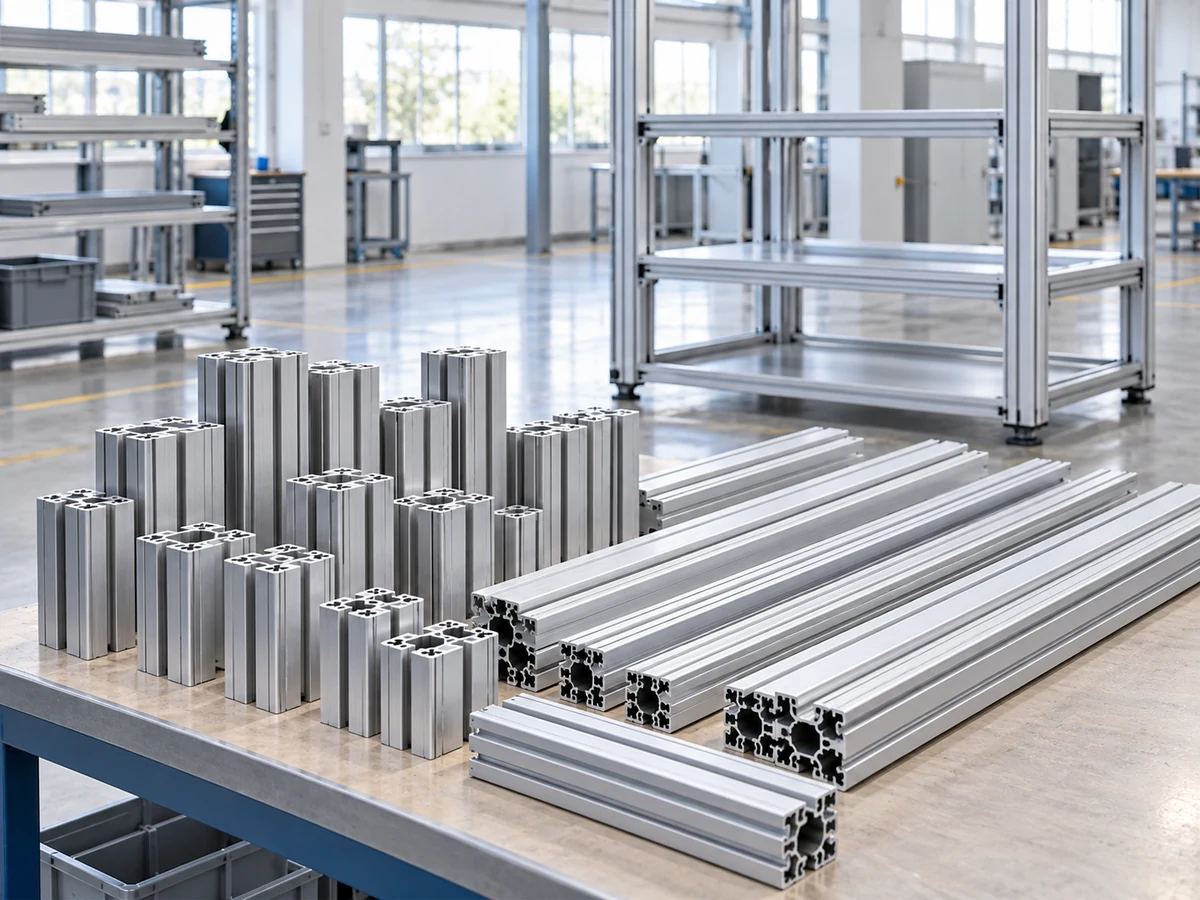
Hydroponic grow rack aluminum cutting starts with a member schedule
List each upright, front and rear beam, tray-support rail, diagonal or brace only if it is an approved aluminum saw-cut member. Give every member a part number, drawing revision, full cross-section, finish condition, length datum, end condition, quantity per rack and destination tier. Identify mirrored and repeated pieces explicitly. A top light-support member may have a different section and connector pattern from a lower tray rail even when the two appear to have the same nominal length.
Mark the accepted measuring faces on the drawing. A rack’s outside width may include connectors, upright wall thickness, brackets or clearances; it should not be copied into the saw program as a beam length. Separate square cuts from miters, and do not assume that the saw produces slots, holes, threaded ends or formed brackets. Our finished-length datum guide explains why the reference faces should be agreed before the first cut.
For a multi-tier rack, create a short bill of members for one complete test bay. Check that the labeled member set actually builds the intended tier positions and leaves the system owner’s specified space for tray, plumbing and lighting interfaces. This is a fit check by the system owner, not proof that the rack will support a given crop load or perform under wet conditions.
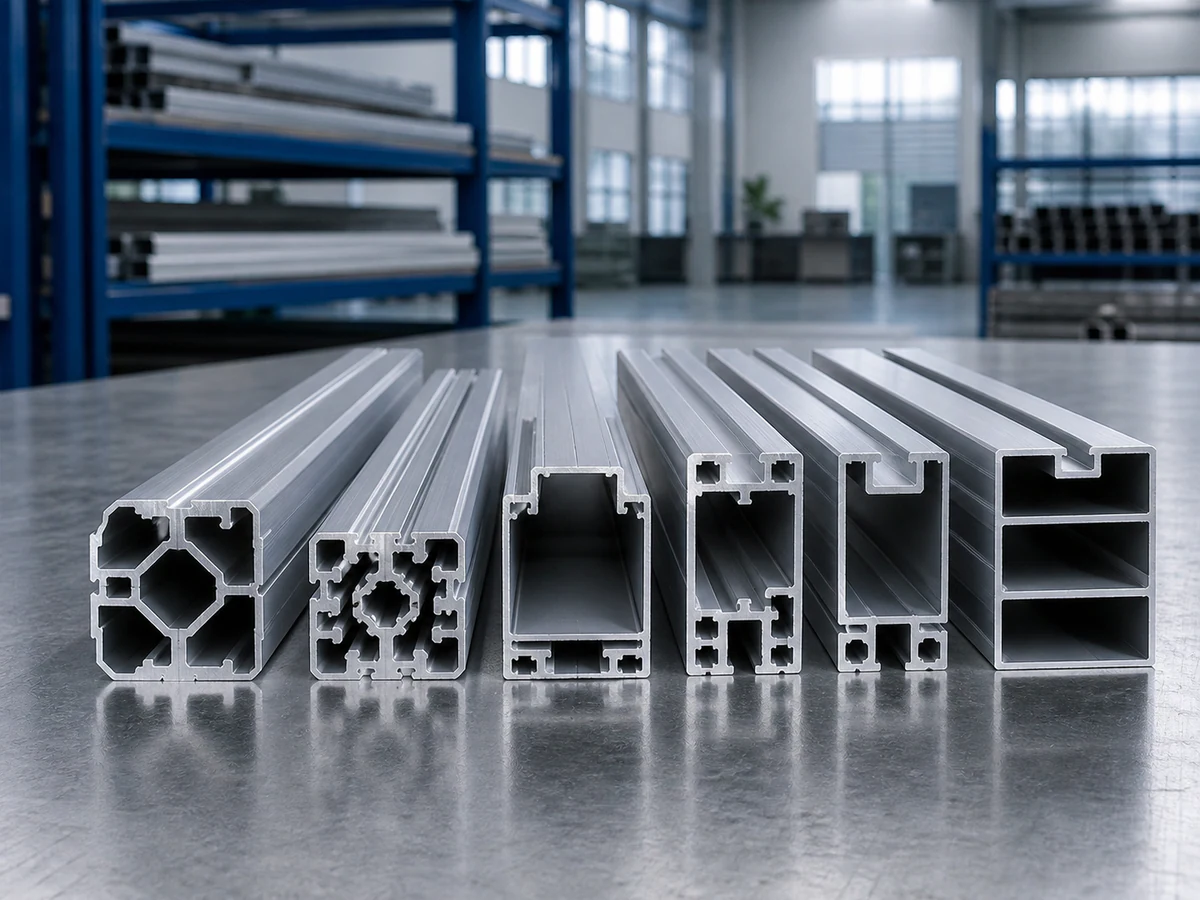
Trial the real extrusion and clamp surfaces
Send the saw bidder representative stock from the released rack design, not a convenient solid bar. A slotted or hollow profile can need different support and clamp contact from a plain section. Record which face must remain visible, which slot accepts a connector, whether the stock is already anodized or coated, and which faces may touch a pad or stop. Ask the bidder to show the actual profile orientation and support for both the longest rail and the shortest useful member. Our profile-orientation RFQ guide offers a way to capture these setup details.
Inspect cut pieces after unclamping. Compare length and squareness using the buyer’s named datum, then inspect burrs, slot deformation, face scratches and any damage to the finish. State whether the buyer accepts a bare cut end or requires a separate finishing operation. Do not infer corrosion behavior, hygiene suitability or tray-interface strength from a clean cut edge; the system owner must approve those requirements with the relevant parts and environment.
Keep the first-off record tied to the approved drawing revision and stock lot. Photograph or label the actual orientation, clamp contact, blade identity and measurement points. Make several consecutive pieces for the limiting long and short members and one complete tier set. If a stock or finish change is introduced, treat it as a new trial variable instead of folding the result into the earlier sample.
Compare cut blanks with a supplied rack fairly
A bought rack or approved replacement kit may remove the buyer’s burden of defining every connector and downstream operation. In-house saw cutting can be useful when a manufacturer owns repeatable member drawings, assembly controls, inspection capacity and enough recurring volume to support the process. Compare those routes at the same accepted stage. A price per cut beam is not comparable with a price for an assembled rack with trays, lights and irrigation.
For the cutting route, count incoming extrusion, material handling, fixtures, blade and pad changes, trial and inspection time, scrap, labeling, packaging and the work still needed to reach an accepted rack. For the supplied-rack route, identify included hardware, optional lighting or irrigation, freight, replacement support and the system owner’s acceptance evidence. Use the same period and same rack demand for both. Do not turn a single attractive cut sample into an assumed production yield.
Send a usable frame-cutting RFQ
A hydroponic grow rack aluminum cutting quote is useful only when it identifies the exact member set and the accepted stage.
- Released rack drawings and revision, full extrusion sections, finish state and actual sample stock.
- Member schedule by tier: part identity, quantity, length datum, end condition, protected face and next operation.
- Connector, tray and light-support interfaces owned by the system designer; identify which features are outside saw scope.
- Representative longest, shortest and most delicate sections for a witnessed first-off, plus measurement and finish acceptance criteria.
- Required deliverable: loose cut blanks, prepared member kit or complete rack, with named owner for assembly and final qualification.
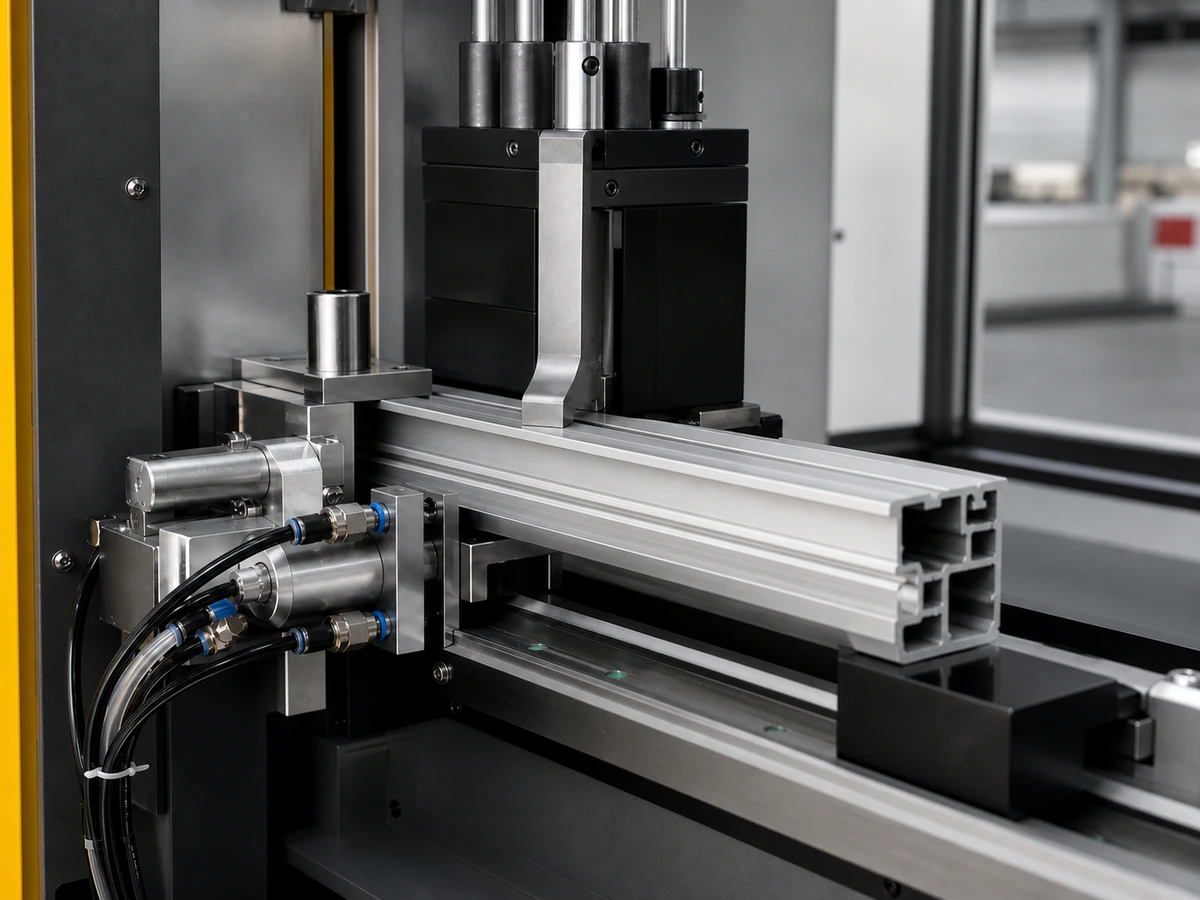
Video context: The Jiurun Machinery video below shows a separate automatic aluminum-profile cutting machine scene. It is a related equipment demonstration, not a hydroponic rack, customer project, selected fixture, quoted model configuration, saw trial or performance claim.
If you manufacture an approved aluminum rack frame, send Jiurun the member drawings and representative extrusion samples. We can discuss the saw-cut stage and first-off requirements while your rack-system team retains responsibility for the complete growing assembly.