
An aluminum saw technical annex is the controlled description of the job and the offered machine that travels with a purchase order. It should let the buyer, supplier, production engineer, installer and acceptance team point to the same workpiece list, configuration and evidence. A quotation may state a model and price yet leave these decisions scattered across drawings, emails and demonstrations. Before ordering, collect the decisions into one dated, versioned annex and ask both sides to identify any exception.
This is a purchasing tool, not a claim that one saw suits every extrusion. Use the actual production mix to set the requirements. A single attractive sample cut does not establish the route for long stock, an open section, a short finished length and a different downstream assembly. The annex makes those distinctions visible before the order is released.
Begin with the parts the cell must actually produce
Attach a revision-controlled workpiece schedule. For each representative part family, identify the alloy or material designation supplied by the buyer, cross-section drawing and revision, stock length range, required finished lengths, cut orientation, expected order mix, handling constraints and the downstream use of the cut end. Distinguish a drawing dimension from a proposed saw acceptance criterion. If a tolerance applies to a finished assembly rather than to the sawn blank, say so. Do not convert a feed-positioning figure in a machine brochure into a finished-part tolerance.
A useful schedule includes the limiting cases, not only the easiest profile. Consider the widest or tallest section, the thinnest wall susceptible to deformation, an open channel that needs stable support, a long feed length, and a short part that changes clamping or offcut handling. Record which are mandatory production cases and which are trial questions. If the drawing or sample is not yet approved, mark the row provisional and name the decision needed before final machine acceptance.

Freeze the offered configuration, including the interfaces
Ask the supplier to return a configuration schedule tied to the exact quotation revision: machine model, cutting arrangement, blade and tooling assumptions, feed and support arrangement, clamps or fixtures, guarding, extraction or chip handling, controls, data connection if requested, and supplied documentation. The schedule should say whether each item is included, optional, buyer-supplied or excluded. A named feature is not enough if its size, integration or site responsibility is unresolved. Treat a demonstration setup as an example until the supplier confirms that it belongs to the offered scope.
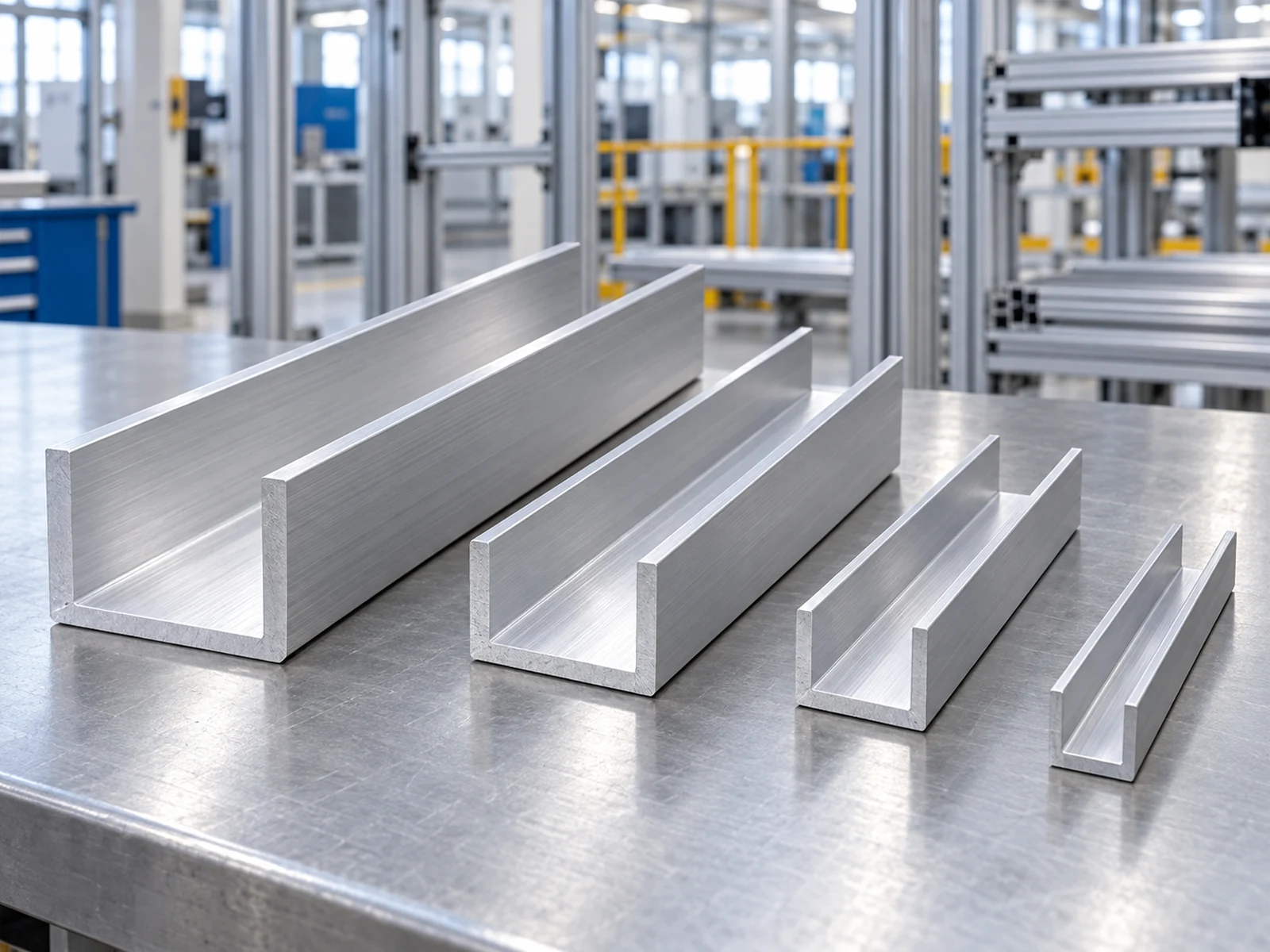
For open or asymmetrical sections, discuss where the profile rests, which faces are clamped, what prevents marking or distortion, and how the cut piece is supported as it leaves the blade. The buyer can provide a sample and required cut orientation; the supplier should describe the proposed support method and identify any fixture, consumable or trial dependency. A change in section geometry may alter the answer even when the material name stays the same.
Give the installation team its own interface page. State the agreed machine footprint and service clearances, stock infeed and finished-part discharge space, floor or anchoring assumptions, electrical supply, compressed-air supply if used, extraction connection if used, network requirement if requested, and responsibility for unloading, positioning, commissioning and operator instruction. Values must come from the approved offer and site survey; do not insert a generic number to fill an empty box. Identify the person who will close each open interface before shipment or installation.
Turn acceptance into a testable matrix
For every critical requirement, put the acceptance method beside it. A matrix can name the representative workpiece and its drawing revision, the machine setup to be used, the required output, the measurement method and datum, the number and selection of pieces, who supplies material and tooling, where the test occurs, the record to retain, and what happens when a result is outside the agreed criterion. Use buyer-approved drawings and engineering decisions for thresholds. Do not treat a catalogue claim, a video or a single sample as a substitute for a jointly agreed test.
Separate factory acceptance from site acceptance. Factory checks can establish that the agreed configuration is present and demonstrate agreed cutting functions under stated conditions. Site checks can verify installed utilities, safety interfaces, material flow and repeatability on the buyer’s actual stock. If a site-dependent result cannot be proved at the factory, record its later verification point instead of silently marking it passed. Likewise, list any open item with an owner, due point and objective closure evidence. The separate factory acceptance open-items guide addresses that shipment decision in more detail.

Give every deviation a visible status
Do not bury an exception in a quote footnote. Use a deviation register with the annex requirement ID, supplier response, operational consequence, proposed alternative, decision owner and status: requested, under review, accepted, rejected or pending evidence. The buyer can then see whether a proposed substitute changes capacity, tooling, lead time, site preparation or the acceptance test. Record the agreed decision and revision date. An unanswered question is not an accepted alternative.
Before release, reconcile the order, supplier quote and annex so that they name the same configuration and revisions. Specify which document controls if two texts conflict, through the parties’ approved purchasing process. Keep commercial terms with the appropriate agreement; the technical annex should identify the machine and verification baseline. For multiple units released under a base arrangement, the framework purchase agreement guide explains why each equipment release still needs its own scope. If a change is requested after the baseline is accepted, assess it through a documented purchase change order rather than quietly editing an old drawing.
A practical one-page annex index
- Identity: order and quote references, annex revision, machine quantity, delivery site and named technical contacts.
- Job schedule: approved part drawings, material and stock assumptions, cut types, required outputs and explicitly provisional cases.
- Supplied scope: machine configuration, tooling, fixtures, feed, support, controls, utilities and included or excluded services.
- Verification: FAT and site-test matrix, samples, measurement methods, records, open-item rules and acceptance owners.
- Change control: deviation register, approved substitutions, document precedence and the rule for revising the accepted baseline.
Use this as an index, not as five vague headings. Each entry should point to a real controlled drawing, schedule or record. The purchasing team should be able to answer three questions before approving the order: What work is the saw being bought to do? What exactly is being supplied and installed? What evidence will show that the agreed job was met?
Equipment video: general process context
Sources and next step
The ISO/IAF Auditing Practices Group procurement guidance recommends checking that purchasing requirements are correct before communicating them to an external provider and that the order matches the approved specification. ISO’s supplier-selection guidance likewise emphasizes clear purchasing information. These are general quality-management references; they do not certify this article, the supplier or a particular saw.
If you are specifying an industrial aluminum-cutting saw, send Jiurun Machinery the controlled drawings, stock and output schedule, site interfaces and proposed acceptance cases. Ask for a configuration response and a numbered list of exceptions before comparing final offers. Keep the signed or otherwise approved annex with the order so the same baseline is available during installation and acceptance.