
Aluminum saw FAT open items: should a machine leave the factory with an unresolved finding? The answer depends on the agreed purchase specification, the factory acceptance test (FAT) plan, the effect of the finding, and who is authorized to accept the remaining work. A short punch list by itself does not tell a buyer whether to release shipment. The useful decision is item by item: close and retest before dispatch, document an explicitly accepted site-dependent test, or hold release while the parties resolve a material gap.
The header photograph is a general Jiurun workshop equipment view. It does not identify the machine, configuration or acceptance status of a particular customer order. This guide is a purchasing workflow, not a report of a Jiurun customer’s FAT.
Start with the agreed test baseline
Before evaluating a failed or unfinished check, put the purchase order, signed technical annex, approved drawings, option list and FAT procedure on one revision-controlled reference list. Record the exact machine serial or build identifier, software or control revision where relevant, agreed accessories, stock/sample supplied for the test, and the criteria that the buyer and supplier agreed to apply. If the test was performed on a different configuration or substitute profile, identify that difference; do not silently treat the result as evidence for the ordered setup.
The FAT protocol should say what can actually be demonstrated in the supplier’s factory and what depends on utilities, installation or materials available only at the buyer’s site. If that allocation is still unclear, resolve it before deciding that an unfinished check is a harmless site task. Our separate factory-versus-site acceptance guide helps define those test boundaries. This article addresses the next question: what to do when a factory-stage item remains open at the proposed shipping date.
Create one decision record for every open item
A buyer should be able to trace each finding from the test observation through the correction and release decision. A practical open-item register can use these fields:
| Field | What the buyer needs to see |
|---|---|
| Item and reference | Unique item number, test step, drawing or specification revision, and the exact ordered configuration. |
| Observation | What was actually seen or measured, when, on which setup and with which sample or material; attach the raw record where available. |
| Acceptance gap | The agreed criterion and the difference between that criterion and the observation, without replacing it with a vague label such as “minor.” |
| Impact and disposition | Whether the item prevents a required factory test, changes the ordered configuration, affects safe operation, or is genuinely site-dependent; state hold, correct/retest, or expressly accepted carryover. |
| Owner and due point | Person or organization responsible, required evidence, and whether completion is due before packing, before dispatch, at installation or before production release. |
| Closure proof | Corrective action, repeat test on the relevant configuration, dated results and the buyer’s recorded acceptance or rejection. |
Keep the original observation even if the supplier corrects the fault. A clean final test sheet without the item history may leave the buyer unable to tell whether the original problem was retested or merely removed from the summary.
When aluminum saw FAT open items require a hold
Use the agreed contract and responsible technical review to decide the actual shipping gate. A hold is the prudent default when a required FAT acceptance criterion is not met and no accepted correction or waiver is documented. Examples include an ordered option that is absent or different, an unverified guard or interlock concern, a measurement failure against the agreed sample and method, or a corrective action that has not been retested. The examples are decision prompts, not claims that any Jiurun machine has those defects.
Do not turn an unresolved machine-safety concern into an informal “fix it on site” note. The public ISO 12100 overview describes risk assessment, risk reduction and their verification as general machinery design principles; it does not certify this machine or decide a buyer’s contract. Ask the responsible manufacturer and buyer specialists to assess the specific finding and the applicable requirements. If the agreed acceptance basis itself is disputed, record both interpretations and withhold an unsupported pass statement.
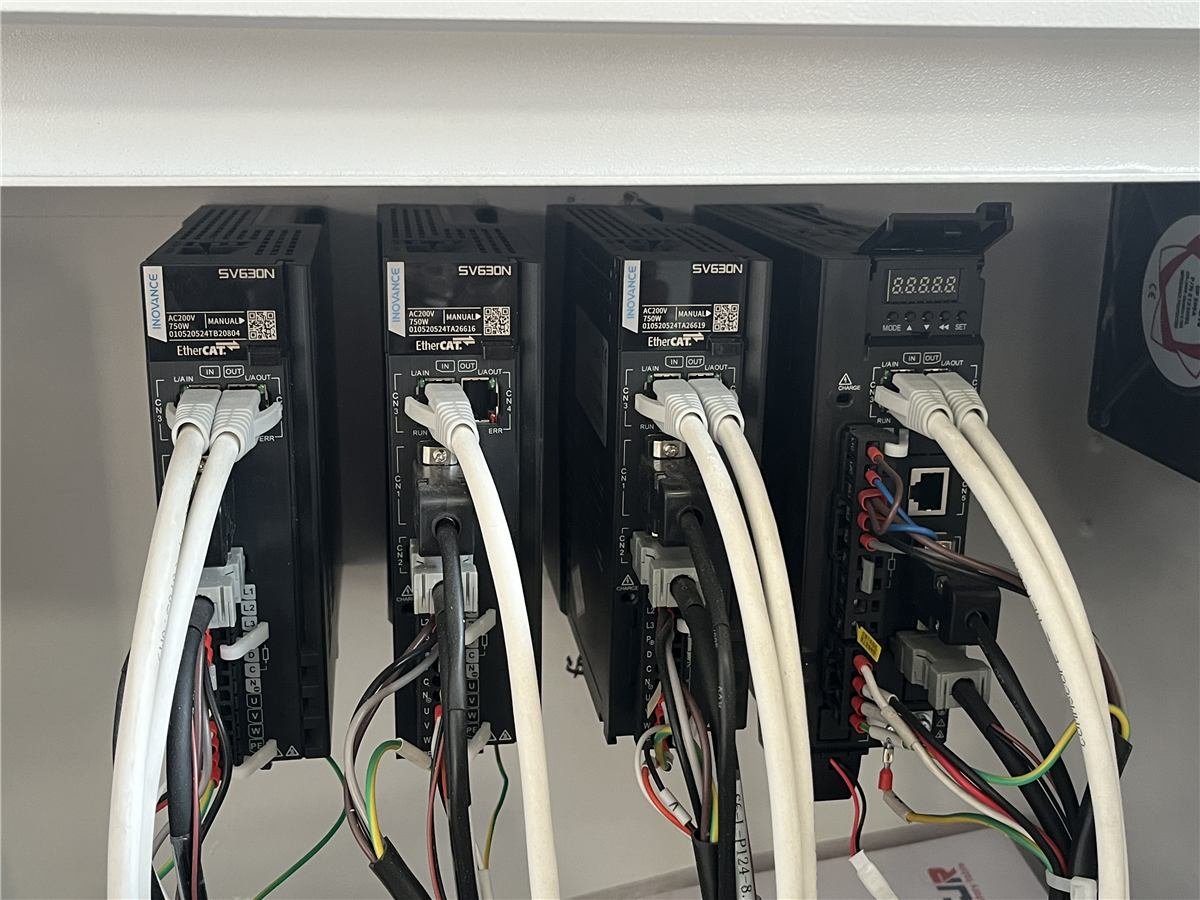
When an item may be carried to the site
Some checks cannot be completed meaningfully until the buyer’s utilities, upstream line, final profile or downstream equipment are present. That does not make every unfinished factory check a site item. First confirm that the agreed FAT scope permits the carryover. Then name the site dependency, the test method and criterion, the party providing the missing input, the deadline, and the consequence if the later test fails. The buyer’s authorized representative should accept that disposition in writing before shipping, especially where the carryover changes payment, warranty, commissioning or production-release milestones.
For example, a final line-integration check may depend on equipment that never enters the saw supplier’s factory. A factory check of the saw’s ordered control, guards or agreed cut sample has a different basis. Do not combine them in one “to be checked later” line. If a substitute profile was used, say exactly what the substitute test can show and what the production-stock trial still must prove. The buyer may accept dispatch with a clearly bounded later test, or may require a retained sample and retest before release; the purchase documents decide.
Ask for correction evidence, not a verbal closure
For each item proposed as closed, request a short before-and-after trail: original observation, correction made, affected drawing or configuration revision, retest setup, result against the agreed criterion, date and approver. A photograph can help identify a changed component or machine state, but it cannot replace a measurement record, a functional test or an authorized signoff when those are the agreed proof. If the correction changes an approved configuration, obtain an updated as-built list before the crate is sealed.
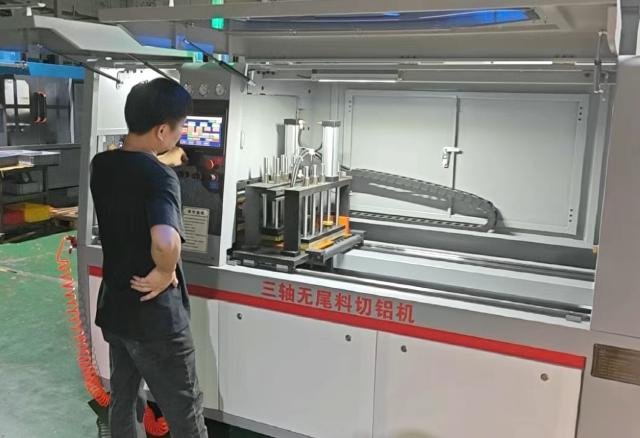
The following own-channel video shows general Jiurun equipment operation and a profile at the feed and cutting area. It is an equipment example only: it does not prove the material, ordered model configuration, customer, factory acceptance result, trial performance or release decision discussed here.
Make the shipment release explicit
The final decision should be more precise than “FAT passed with comments.” List the items closed before dispatch and their evidence IDs. For each accepted carryover, state its scope, owner, site test, due point and remedy if the later result fails. Attach the agreed deviation register to the release authorization and reference its revision in the packing, dispatch and receiving records. This prevents a buyer’s logistics team from mistaking a shipping permission for final technical acceptance.
If the buyer holds shipment, identify the exact evidence that would change the decision. If the buyer authorizes shipping with a bounded carryover, preserve the remaining obligations and any contractual rights in the signed record. Avoid changing acceptance or payment terms by email shorthand; ask the authorized commercial and technical representatives to approve the same version. A shipping or insurance document has its own role and should not be used as a substitute for technical closure.
What to send with an aluminum saw inquiry
For a new purchase, send the supplier your intended stock cross-section and alloy or material designation, length and cut-end requirements, production mix, utilities and site constraints, required options, and the specific evidence you want at FAT. Ask which checks can be completed with your actual sample, which need substitute material, and which depend on site integration. Agree the open-item and release process before the test, while both parties can still plan the samples and witnesses.
To discuss a Jiurun aluminum saw quotation, contact JiurunCut with the profile drawing, target cut list, required configuration and proposed factory-test criteria. Ask for a contract-specific test and open-item plan. A general video or photo on this page is not a promise of a particular result. After installation, use a separate commissioning punch list to track site-stage issues before production release.