
An aluminum saw consumables supply plan belongs in the purchase decision before the first production order is released. A saw that passes a demonstration can still wait for an approved replacement blade, the correct lubrication product, a wear pad or a chip-handling item. The buyer should ask what is included with the quoted configuration, what must be stocked separately, who approves substitutions and how the first replenishment will work. The answer is a production-ready supply arrangement, not an arbitrary box of spares.
This guide treats consumables as items used or replaced through normal cutting and support work. It does not prescribe a blade, lubricant, replacement interval or inventory quantity for a Jiurun model. Those choices require the actual machine configuration, material family, duty and supplier instructions. The purchase decision is whether the required inputs and ownership are defined well enough to sustain the accepted cutting job.

Aluminum saw consumables supply plan: define the job boundary
Start with the same work used to select the saw: profile or tube drawings, alloys and stock condition, length and angle range, finish requirements, accepted cut condition, planned mix, shift pattern and the handoff of released parts. List the quoted blade and any alternate tool actually needed for this mix. Then identify lubricant or coolant type, application equipment, contact pads or liners, chip-removal wear items, filters where fitted and any approved packaging or cleaning material at the saw exit. Do not assume every machine has every listed device. Mark each line as fitted, optional, separately supplied or outside the saw supplier’s scope.
Keep a distinction between a consumable and a spare component. A blade may be routinely renewed; a matched blade flange is a configuration-specific spare rather than a periodic-use item. The blade flange pair guide covers that separate quote. The present plan focuses on the items that allow the agreed production process to start and continue, while still recording dependencies on critical spares.
Compare three supply routes against the same production window
- Buyer-held starting stock. The saw supplier identifies approved items and the buyer orders, stores and issues them. Compare the full starting package, local availability, storage conditions and the person who validates receipt.
- Supplier-provided startup package. The equipment quote includes a stated initial quantity and identification for each item. Confirm whether it covers only the witnessed trial or a defined first operating period, and who buys the next lot.
- Managed replenishment. A supplier or tool-service partner monitors use and resupplies agreed items. Define reporting, minimum availability, substitution approval, freight, emergency response and exit handover. Our tool-management service comparison addresses that wider service model.
Compare all routes at one boundary: an accepted cut-part output during the buyer’s required operating window. A low-price starter pack is not equivalent to a working supply route if the next order has no approved blade or replenishment owner. Conversely, a large cabinet of rarely used items can tie up money and obscure a missing configuration record. Ask suppliers to price included stock, recurring purchases, freight or service fees and any buyer labor separately.
Lock the configuration before calculating quantities
Record the machine model and serial or revision identifier, installed blade interface, approved blade specification or supplier part number, lubrication arrangement, clamp-pad or liner set and chip-handling arrangement that were present in the accepted trial. Include drawings or photographs only where they identify the installed item; a general machine image does not establish compatibility. Request the supplier’s current item identification and permissible equivalents in writing. A replacement that looks similar can change cut condition, contact or maintenance needs, so an unreviewed substitution should not enter released production.
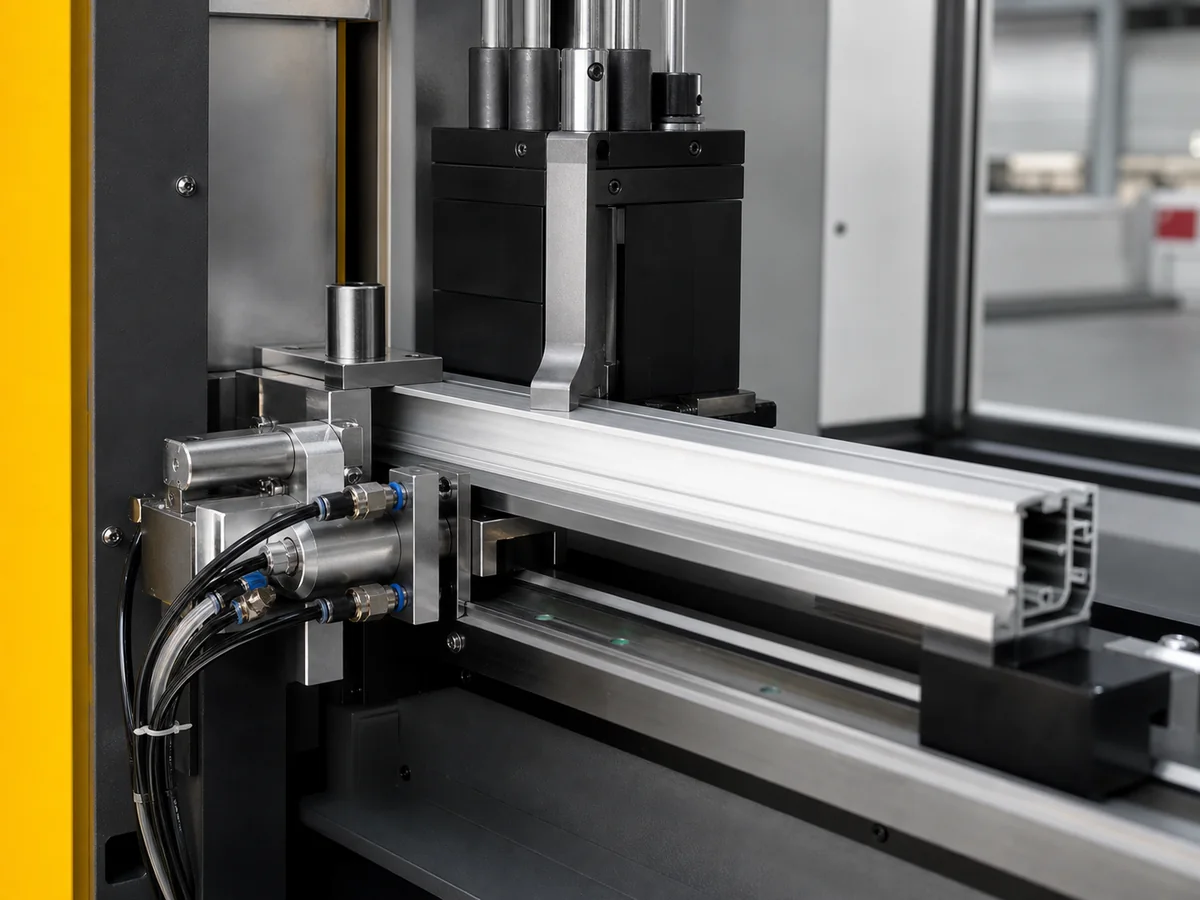
Separate the evidence for each part family. One blade may be qualified for several approved sections, or the job may require distinct tools and changeover rules. Record which option is actually accepted rather than extrapolating from a catalog range. Behringer’s spare-parts and tools page lists saw blades, spray lubricants, cooling lubricants and chip brushes as distinct consumable categories; that is an industry example of categories to verify, not a claim about the contents of a Jiurun package.
Build a demand estimate from measured work, not a guessed interval
For the startup period, show planned accepted parts or production hours by family, number of changeovers, trial and setup cuts, observed blade changes or servicing, and any interruption that changes consumption. If the new machine has no demonstrated wear history for this job, say so and use a provisional stock decision with a review point. Do not convert one short factory trial into a guaranteed blade life or lubricant rate. Ask the supplier what operating evidence would justify revising the estimate after real production starts.
Create a simple item-by-item worksheet with the approved identifier, unit, location, starting balance, expected lead time, supplier contact, reorder trigger, alternate approval status and person responsible. A trigger can be linked to actual order and delivery time instead of a fixed percentage. Recheck it when the mix, blade choice, shift plan or service agreement changes. The first-week production ramp guide covers the wider release of operators, process evidence and supplier support; this supply worksheet is one input to that release.
Test the handover with representative jobs and one shortage
During the witnessed acceptance trial, use the exact consumables named in the quote and record their identifiers. Cut representative thick, thin, hollow or finish-sensitive members only where they are in the approved job portfolio. Record accepted-part inspection, any tool change, application-material replenishment and chip-collection service event under the supplier’s safe procedure. The buyer need not dismantle guarded equipment to make the purchasing decision; request records and supplier-led demonstrations at safe access points.
Add one paper shortage scenario to the trial. If an approved blade or fluid is unavailable before the next order, who may choose an alternate, what evidence is needed, which work is held and how is the release restored? Check a mismatch at receiving as well: an item with a familiar name but different specification or revision should not be silently issued. This reveals whether the supplier’s startup pack, the buyer’s storeroom and the production-release process agree on the same configuration.
Video context: This Jiurun Machinery channel video shows general aluminum cutting equipment footage. It does not verify the consumables package, blade or lubricant specification, customer stock, quoted model configuration, representative trial or performance in this article. Request the itemized supply list and a trial on your own approved job.

Put ownership and change control in the RFQ
- Included items: item identifiers, quantity, unit, shelf or storage needs and whether the offer covers the trial, installation and first production period.
- Approved application: machine and job-family references, final quoted configuration, documented alternatives and the person authorized to approve a change.
- Replenishment: lead-time basis, stock location, order trigger, delivery responsibility and the response when supply is interrupted.
- Acceptance: evidence of supplied items at site, representative trial record, cut-part checks and the first-stock reconciliation.
- Lifecycle: how updated part numbers, discontinued products, changed service scope and remaining stock are handled without losing the machine’s accepted baseline.
A useful aluminum saw consumables supply plan names every included item and every excluded recurring item. It should not imply that “consumables included” means indefinite supply, or that a published generic compatibility statement has tested this buyer’s actual part family. If a service partner is involved, identify who holds the technical approval and who merely ships or stores the item. The buyer should be able to audit a delivery against the same list used at acceptance.
Decision rule for the production start
Choose the least complex route that leaves the approved tool and support inputs available when the first accepted order is due, with a clear path for replenishment and exceptions. Carry the item list through quotation, trial, delivery and early production review. If blade life, lubricant use or wear rate is still unknown, record the uncertainty and a measured review point instead of inventing a guarantee. To review the cutting job and the quoted machine boundary, send JiurunCut your profile drawings, material list, finish requirements and planned output; ask for a configuration-specific consumables and trial list in the written reply.